Best steelhead fishing spots on Ontario tributaries
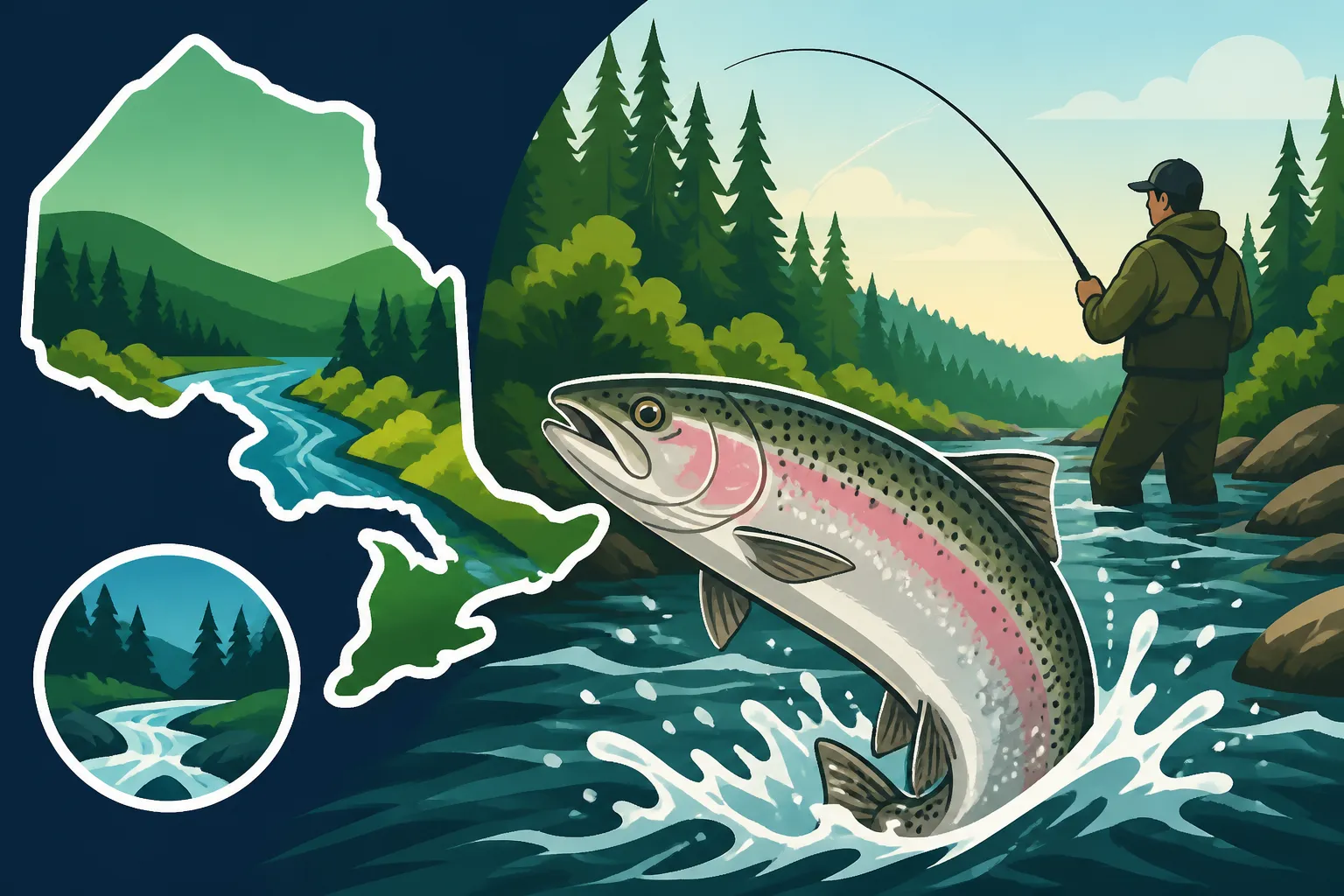
There's a special kind of thrill that comes with chasing steelhead in Ontario's tributaries. These chrome missiles, powerful and elusive, offer some of the most challenging and rewarding fishing experiences in the province. If you've ever felt the heart-pounding tug of a fresh-run steelhead, you know what I mean. But finding these magnificent fish can feel like a daunting task, especially with so many rivers flowing into the Great Lakes. This guide is all about helping you pinpoint those prime locations where you have the best chance of connecting with an Ontario steelhead.
Understanding Ontario's Steelhead Runs
Chasing steelhead isn't just about showing up at a river; it's about understanding their incredible migratory journey and how they use these tributaries. These are rainbow trout, after all, but ones that have spent much of their lives growing big and strong in the vastness of the Great Lakes before returning to their natal (or stocked) streams to spawn. This cycle dictates everything from when and where you'll find them to the best techniques to employ.
The Seasonal Migration Pattern
Ontario's steelhead runs are largely tied to water temperature and photo period, which means they follow a predictable, albeit sometimes finicky, calendar. We primarily talk about two major runs: the fall run and the spring run.
The fall run typically begins when the cooler autumn temperatures arrive, usually around late September or early October, and can extend well into December, or even January if the weather remains mild and the rivers stay open. These fish enter the rivers from the Great Lakes, not necessarily to spawn immediately, but to stage and feed in the tributary systems, often holding in deeper pools or slower runs where they can conserve energy. They're often aggressive and hungry, making them a fantastic target for anglers. As winter sets in, their activity might slow, but they'll remain in the river, tucked into thermal refuges, until spring.
Then comes the eagerly anticipated spring run. As the snow melts and river temperatures begin to climb in March and April, the main push of spawning steelhead moves into the tributaries. These fish are driven by the urge to reproduce, seeking out gravel beds in faster-flowing sections of the river. The spring run can be incredibly productive, but it's often more sensitive to water conditions, with high, turbid water from snowmelt or rain making fishing challenging. By late May and early June, most of the spawning is done, and the "drop-back" steelhead, often skinny but still feisty, make their way back to the Great Lakes to recuperate. Understanding these dynamics is crucial for timing your trips, and you can learn more about general fish movements in our detailed guide on Ontario Fishing Seasons by Zone and Month.
Key Tributary Characteristics for Steelhead
Not every river that flows into the Great Lakes is a prime steelhead destination. These fish are particular, and certain characteristics make a tributary much more appealing to them. Identifying these features will help you scout new waters and understand why established spots are so popular.
First and foremost, steelhead need access. Dams or impassable waterfalls close to the mouth of a river can block their migration, limiting the fishery to only the lower sections, or eliminating it entirely. Rivers with fish ladders or natural bypasses, however, can support runs far upstream. Secondly, water quality is paramount. Steelhead thrive in cold, clean, well-oxygenated water. Rivers with significant agricultural runoff or industrial pollution will not hold healthy populations. Many of Ontario's best steelhead rivers flow through areas with strong conservation efforts, which helps maintain their pristine nature.
Finally, spawning habitat is non-negotiable. Steelhead require clean, well-aerated gravel beds in relatively shallow, flowing water for successful reproduction. Look for riffles, glides, and the tails of pools where the current is just right to keep eggs oxygenated and free from silt. Structure, such as fallen trees, undercut banks, and large boulders, provides vital holding lies where fish can rest, hide from predators, and ambush prey. Without these elements, even if fish can enter the river, they won't stay or reproduce effectively. Familiarizing yourself with these river features is a huge step towards successful steelhead angling, much like understanding the specific habitats for other popular species such as How to Catch Lake Trout in Ontario.
Top Steelhead Hotspots on Ontario Tributaries
Now, let's get down to the brass tacks: where exactly do you go to find these magnificent fish? Ontario is blessed with hundreds of tributaries feeding into the Great Lakes, but a handful stand out as consistent producers for steelhead. These rivers offer a mix of accessibility, strong runs, and diverse fishing opportunities, catering to various angling styles.
Western Lake Ontario Tributaries
The rivers flowing into the western basin of Lake Ontario are arguably the most popular and productive for steelhead in the province, primarily due to their proximity to major population centers and dedicated stocking programs.
The Credit River is a superstar among these, a true icon for Ontario steelhead anglers. It flows through a mix of urban and rural landscapes, offering varied access. From the lower stretches near Port Credit, where anglers can fish the estuary, to the more picturesque upper reaches winding through Forks of the Credit Provincial Park, this river sees strong fall and spring runs. Be prepared for crowds, especially on weekends, but the reward can be immense. Conservation Areas like Island Lake and Terra Cotta also offer access. The Credit demands finesse and a stealthy approach, particularly in its clearer sections.
Just a bit further east, the Ganaraska River, affectionately known as the "Ganny," is another behemoth, famous for its incredible spring salmon and steelhead runs. Flowing through Port Hope, its lower sections can be shoulder-to-shoulder during peak times. The fish ladder at Corbett's Dam is a prime viewing spot and often a holding area for fish. Access points abound, from public parks to municipal lands. The Ganny has sections that cater to fly anglers, drift fishers, and even those who prefer to cast spoons or spinners. Both the Credit and the Ganaraska are intensely managed fisheries, and you'll want to review the Ontario Fishing Regulations Explained for specific rules, as some sections may have special restrictions.
Other notable Lake Ontario tributaries include Bronte Creek and Grindstone Creek near Burlington. These smaller, more intimate streams can offer excellent fishing, especially during periods of high water that encourage fish to run. They often fish better after a good rain, which helps to increase water levels and reduce clarity, making fish less spooky. They require a more mobile approach, often involving wading and covering a lot of ground. If you're looking for an immersive experience and want to hit multiple spots, booking a local guide through platforms like FishingBooker can offer invaluable insight into these smaller, harder-to-decipher systems.
Lake Erie Tributaries
While perhaps not as numerous as the Lake Ontario streams, the rivers flowing into Lake Erie offer equally fantastic steelhead opportunities, with the Grand River leading the charge.
The Grand River is Ontario's longest river and a true gem for multiple species, including excellent steelhead. Its sheer size means there are countless access points and varying conditions. Downstream of Caledonia, towards Lake Erie, the river broadens and offers big water fishing for steelhead in both fall and spring. Further upstream, near towns like Paris and Elora, the river narrows, creating classic runs and pools more suited for traditional drift fishing and fly casting. The Grand River is managed by the Grand River Conservation Authority, which provides numerous public access points and conservation areas like Taquanyah. It’s a diverse system that can be fished from shore, by wading, or even from a boat in its lower stretches.
Another solid option on the Lake Erie side is Big Otter Creek, near Port Burwell. This smaller, less pressured system offers a more tranquil experience than some of the larger, busier rivers. It has a good fall run and a strong spring push, with fish often holding in deeper pools and bends. Its natural structure and less intense fishing pressure can make for a very rewarding day, especially for those seeking a bit more solitude. Remember, knowing your Ontario Fisheries Management Zones, Explained is crucial, as regulations can vary even within the same lake system.
Eastern Lake Huron and Georgian Bay Tributaries
Moving west, the rivers emptying into eastern Lake Huron and Georgian Bay also host impressive steelhead runs, offering a different flavor of fishing, often with more rugged and wild landscapes.
The Saugeen River is a legendary river in Ontario, famous for its salmon and steelhead runs. Flowing into Lake Huron at Southampton, the Saugeen is a significant system with a strong, naturalized steelhead population. Both fall and spring runs are excellent, with fish pushing far upstream. The river is wide and powerful in many sections, requiring careful wading and often longer casts. Towns like Walkerton and Hanover offer access points, and there are numerous bridges and public lands along its length. The Saugeen is known for its incredible beauty and can provide an unforgettable experience, especially if you venture into its more remote stretches. For those wanting to explore further, a local guide on FishingBooker could help you navigate its extensive waters.
Other Georgian Bay tributaries like the Sydenham River and Beaver River are smaller but can still produce good numbers of steelhead, especially during high water events. These rivers often require more scouting and a willingness to explore, but they can offer excellent fishing away from the crowds found on larger, more accessible systems. They are particularly attractive to anglers who prefer a more intimate stream experience.
Lake Superior Tributaries
For those willing to journey further north, the tributaries feeding into Lake Superior offer some of the most spectacular, wild steelhead fishing in Ontario. These are true wilderness experiences, often requiring more planning and resilience, but the rewards are chrome-bright fish in pristine surroundings.
The Kaministiquia River, flowing into Lake Superior near Thunder Bay, is a significant system with a strong steelhead run. While industrial in its lower reaches, its upper sections are wild and beautiful. Access can be more challenging here, often involving bushwhacking or boat access, but the fish are often larger and less pressured. Both spring and fall runs are robust, providing ample opportunity for those who make the trek.
Further along the North Shore, countless smaller, nameless (or locally named) rivers and streams host steelhead runs. Rivers like the Steel River (though famous for brook trout, it also sees steelhead) and the Pays Plat River offer incredible remote fishing. These systems often see spring runs, with fish pushing into even the smallest creeks. This kind of fishing often involves navigating rough terrain and requires self-sufficiency, but the chance to catch a wild Lake Superior steelhead in solitude is truly unparalleled. You might find a skilled local guide for these remote areas through FishingBooker, which can make the expedition much safer and more productive.
Essential Techniques and Gear for Ontario Steelhead
Chasing steelhead effectively requires a specific set of skills and the right equipment. These fish are powerful, often picky, and demand respect. While there are many ways to catch them, two primary techniques dominate the scene in Ontario's tributaries, along with a few essential gear considerations.
Drifting Floats and Bottom Bouncing
By far, the most popular and often most effective method for steelhead in Ontario tributaries is float fishing. This technique involves using a specialized float (often a Drennan, Raven, or Thill style) to suspend a bait or lure at the perfect depth, drifting naturally with the current. The idea is to present your offering as naturally as possible to steelhead holding in seams, pools, and runs.
Your setup typically involves a sensitive float rod (often 10-13 feet long, medium-light to medium power) paired with a reliable spinning reel. Your main line will often be braid or monofilament, with a fluorocarbon leader (6-10 lb test) tied to your hook. The critical part is balancing your float with enough split shot to allow it to stand up properly and drift at the same speed as the current, tickling the bottom without snagging excessively. Popular baits include roe bags (often tied with cured trout or salmon eggs), beads (plastic or glass spheres mimicking eggs), or small artificial worms like Berkley Gulp! Alive! Waxies or Trout Worms. The goal is to detect even the slightest hesitation or dip of the float, as steelhead bites can be incredibly subtle.
Bottom bouncing, or drift fishing without a float, is another effective tactic, especially in faster, shallower water or when you want a more direct feel for the bottom. This involves a weight (often a slinky weight or pencil lead) attached above a short leader to a bait, allowing it to tumble along the bottom. This method is excellent for getting your bait right into the fish's strike zone in areas where a float might be difficult to manage due to current or snags. Whether you're drift fishing with a float or bottom bouncing, a good pair of Best Waders for Ontario Trout Streams and proper wading boots are essential for accessing the best runs and staying comfortable in cold water.
Fly Fishing for Steelhead
For many, fly fishing for steelhead is the pinnacle of the sport. It's an elegant, challenging, and deeply rewarding way to connect with these fish.
Nymphing is incredibly effective, especially when fish are holding in deeper pools or slower water. This involves using a fly rod (often a 9-10 foot 7 or 8 weight), a fly reel, and a specialized fly line or Euro nymphing setup. Flies typically imitate eggs, stoneflies, caddis larvae, or small minnows. The key is presenting these flies naturally near the bottom, often with the aid of an indicator or by watching your line for subtle takes. Specialized leaders and techniques, such as the "indicator-less" Euro nymphing, can provide incredible sensitivity and control.
Swinging flies is another classic method, particularly for aggressive fish or in moderate currents. This involves casting a weighted fly (often a Streamer or Spey fly) across and down current, letting it swing through the strike zone. The take is often a sharp, powerful tug, one of the most exciting experiences in fly fishing. This technique is often done with longer Spey or switch rods, which excel at casting heavy lines and flies long distances. For more specific fly patterns and techniques, check out our guide on Fly Patterns for Ontario Trout Streams.
Regardless of your chosen fly fishing technique, proper presentation is key. Steelhead are often pressured, and a natural, drag-free drift or swing will significantly increase your chances. A good quality Best Fly Rods for Ontario Trout Streams will greatly enhance your ability to cast accurately and feel delicate takes.
Recommended Gear Essentials
Beyond the rods and reels, a few other items are non-negotiable for serious steelhead anglers:
- Landing Net: A large, rubberized landing net is crucial for safely landing and releasing steelhead. The rubber mesh protects the fish's slime coat, and the size helps contain a thrashing fish. Consider a net specifically designed for large trout, like those highlighted in our Best Landing Net for Trout guide.
- Pliers/Forceps: For quickly and safely removing hooks, especially if you're practicing catch and release.
- Polarized Sunglasses: These cut glare on the water, allowing you to see submerged structure and, sometimes, even the fish themselves.
- Layered Clothing: Ontario weather can change in an instant, especially near the Great Lakes. Dress in layers to adapt to temperature swings.
- Wading Staff: In larger, faster rivers, a wading staff can be a lifesaver, providing stability and confidence when navigating slippery rocks and strong currents.
- Fishing Vest or Pack: To keep all your essential tackle, leader material, and tools organized and easily accessible.
Responsible angling practices are paramount when chasing steelhead. These fish are a valuable resource, and treating them with care ensures future generations can enjoy this incredible fishery.
Conservation and Responsible Angling
Steelhead are a precious resource in Ontario, providing incredible angling opportunities that contribute significantly to the province's outdoor culture. As anglers, we have a responsibility to protect this fishery for future generations. This means adhering to regulations, practicing ethical catch and release, and being mindful of our impact on the environment.
Understanding Regulations and Limits
Ontario's fishing regulations are designed to manage fish populations sustainably, and they can be quite specific, especially for migratory species like steelhead. It's not enough to simply have an Ontario Fishing License Guide for 2026; you need to understand the nuances of the rules.
Every angler must carry a copy of the current Ontario Fishing Regulations Summary, either in print or digital format. This document is your bible on the water. It outlines specific rules for each Fisheries Management Zone (FMZ), detailing season dates, bag and possession limits, and special regulations for individual water bodies. For steelhead, you'll often find specific daily catch limits, slot sizes (where fish within a certain size range must be released), and sometimes even tackle restrictions (e.g., single, barbless hooks only). Some sections of rivers, particularly during peak spawning, may be designated as Ontario Catch and Release Only Waters to protect the fragile breeding stock.
It's your responsibility to know the rules for the specific tributary you're fishing and the FMZ it falls within. Penalties for non-compliance can be steep, but more importantly, disregarding regulations can have detrimental impacts on fish populations. Take the time to read the summary, and if in doubt, consult with local tackle shops or the Ministry of Natural Resources and Forestry (MNRF). Our guide on Reading the Ontario Fishing Regulations Summary can help you navigate this essential document.
Catch and Release Best Practices
Many steelhead anglers practice catch and release, particularly for larger fish or when fishing in designated conservation areas. Doing so properly is vital for the fish's survival. Steelhead are resilient, but improper handling can cause unnecessary stress and even mortality.
Here are some key principles for responsible catch and release:
- Minimize Fight Time: Use appropriate tackle that allows you to land the fish as quickly as possible without over-stressing it.
- Keep the Fish in the Water: The most crucial rule. Try to unhook the fish while it's still in the water, especially for photos. Removing a fish from its aquatic environment causes it to gasp for oxygen and can damage its protective slime coat.
- Wet Your Hands: If you must handle the fish, wet your hands thoroughly beforehand. Dry hands can remove the fish's protective slime, making it vulnerable to disease.
- Support the Fish: If you lift the fish for a quick photo, support its body horizontally with two hands – one under the belly and one near the tail. Avoid holding it vertically by the jaw or tail, which can damage its internal organs or spine.
- Use Barbless Hooks: Crushing the barb on your hooks or using barbless hooks makes removal much easier and less damaging to the fish's mouth.
- Revive Gently: If a fish appears lethargic, hold it upright in the current, facing upstream, until it can swim away under its own power. Don't push it or try to force it to swim. Wait until it strongly kicks its tail.
By adopting these practices, you're doing your part to ensure that the thrill of catching an Ontario steelhead remains a possibility for years to come.
Planning Your Steelhead Adventure
Embarking on a steelhead fishing trip to Ontario's tributaries is more than just throwing a line in the water; it's an adventure that requires preparation and a good understanding of the conditions you might encounter. From checking forecasts to considering a guided trip, a little planning goes a long way.
Timing Your Visit for Optimal Runs
As we discussed, steelhead runs are seasonal, so timing your trip is paramount. If you're targeting the fresh, aggressive fish of the fall run, aim for late September through November. These fish are often strong and beautiful, adorned in vibrant spawning colours. For the full-on spring spawning run, March and April are your prime months, though conditions can be more challenging with high, cold water. If you're interested in the "drop-back" fish, late April and early May can also be productive, as these fish are often hungry as they head back to the lake.
Beyond the general season, keep a close eye on local weather forecasts and river conditions. Websites like the Grand River Conservation Authority often provide real-time flow data, and many local tackle shops or online fishing forums offer up-to-the-minute reports. A sudden cold snap can shut down a bite, while a sustained period of rain can bring fish into the rivers in droves, or conversely, make the water unfishable due to turbidity. Flexibility in your schedule, if possible, will always be your best friend when chasing migratory fish.
Navigating Access and Local Knowledge
One of the biggest challenges for new anglers (and even seasoned ones) is finding good access to productive water. While many Ontario tributaries flow through private land, there are numerous public access points, conservation areas, and municipal parks that offer entry. Mapping applications and satellite imagery can be invaluable for scouting potential access points from home. Look for road allowances, bridge crossings, and designated conservation areas. Always respect private property and obey all posted signs.
For those who are new to a specific river system or want to accelerate their learning curve, hiring a local guide can be a game-changer. These seasoned professionals possess invaluable knowledge of current conditions, fish movements, and the most effective techniques for the day. They often have access to prime spots, know how to navigate challenging terrain, and can provide all the necessary gear. Services like FishingBooker make it easy to find and book experienced steelhead guides across Ontario, offering a personalized experience that can significantly increase your chances of success and enjoyment. Their expertise can help you understand subtle nuances, such as How to Fish a Run and Pool Trout Stream, giving you a real advantage.
Preparing for Ontario's Variable Weather
Ontario's weather is famously unpredictable, especially during the spring and fall steelhead seasons. You can start the day with sunshine and end it with snow or freezing rain. Proper preparation for variable conditions is crucial for both comfort and safety.
- Layered Clothing: Dress in breathable, moisture-wicking base layers, insulating mid-layers (fleece or down), and a waterproof/windproof outer shell. This allows you to adjust your clothing as temperatures change throughout the day.
- Warm Headwear and Gloves: A warm hat and waterproof gloves are essential, as you lose a lot of heat from your head and hands, particularly when wading in cold water.
- Waders and Boots: High-quality, breathable waders are a must, along with sturdy wading boots that provide good ankle support and grip on slippery river bottoms. Remember that felt soles are often banned in certain jurisdictions to prevent the spread of invasive species, so check local regulations. Rubber-soled boots with aggressive treads are generally preferred.
- Safety Gear: Always let someone know where you're going and when you expect to return. Consider carrying a small first-aid kit, a whistle, a headlamp, and a fully charged cell phone. Wading can be hazardous, so a Best Wading Staff for Fast Current is a wise investment, especially in larger, faster rivers.
By preparing for the conditions, respecting the fish, and continuously learning, your steelhead adventures on Ontario's tributaries will be rewarding and memorable experiences.
Disclaimer
The information provided in this guide is for general informational purposes only and is subject to change. Always consult the most current Ontario Fishing Regulations Summary, available from the Ontario Ministry of Natural Resources and Forestry (MNRF), before planning any fishing trip. Regulations can vary by zone, species, and time of year, and it is the angler's responsibility to know and follow all applicable laws. FishingBooker is a third-party service; any bookings or interactions with them are at your own discretion and risk.