Best technique for post-spawn smallmouth bass
That period right after smallmouth bass have finished their spawning duties can be one of the trickiest times to fish in Ontario. They’re not aggressively feeding like they were pre-spawn, and they’re certainly not holding tight to beds anymore. It’s frustrating when you know they’re in the lake but can't get a bite! This guide will walk you through the very best techniques to target post-spawn smallmouth bass, helping you understand their behaviour and put more fish in your boat or on the shore.
Understanding the Post-Spawn Smallmouth Mindset
Before we even talk about lures or casting, it's crucial to understand what smallmouth bass are doing and feeling right after the spawn. This isn't a single, uniform period; it's a transition that evolves over several weeks, heavily influenced by water temperature, weather, and available forage. Misunderstanding this phase is where many anglers lose out.
The Exhaustion and Recovery Phase
Immediately after the spawn, both male and female smallmouth bass are often exhausted. The females have expended a tremendous amount of energy producing and dropping eggs, while the males have been tirelessly guarding the nests, fanning eggs, and chasing off predators. This intense period of activity leaves them depleted, less interested in chasing down a meal, and more focused on recovery. Their primary objective isn't to feed aggressively, but to regain strength and energy. You'll find them somewhat lethargic, often resting in slightly deeper water adjacent to their spawning grounds, or tucked into cover. They might be wary and easily spooked, making subtle presentations key.
During this initial recovery, their metabolism isn't running at full tilt. They're looking for easy meals – something that doesn't require a lot of effort to catch. Think about it: after running a marathon, you're probably not craving a high-intensity workout. You want to rehydrate and refuel with minimal fuss. Smallmouth are similar; a fast-moving, erratic bait might be completely ignored, while a slow, easy target could be irresistible. This period also sees some males still guarding fry for a short while, becoming extremely protective of their tiny offspring but not necessarily feeding themselves.
Transitioning to Summer Patterns
As they recover, smallmouth begin to move away from the shallow spawning areas. They're not going to stay in those vulnerable, shallow flats indefinitely. Their focus gradually shifts towards more consistent feeding, and they start migrating to their deeper summer haunts. This transition can see them staging in depths of 10-20 feet, often around the first significant break lines, humps, or rock piles outside of the spawning bays. This is where their energy levels slowly increase, and they start to chase baits with more conviction.
The exact timing of this transition depends entirely on the specific lake or river and the weather patterns. In large, deep lakes like Lake Erie or Georgian Bay, this transition might be more pronounced as they seek out cooler, more stable water. In smaller, shallower lakes, they might simply move to the deepest available cover or structure nearby. During this phase, you'll observe them becoming more active, congregating in schools, and showing more interest in a wider variety of presentations. This is when you can start to incorporate slightly more aggressive tactics than in the immediate post-spawn window. Understanding this subtle shift is key to unlocking success, as detailed in our guide on Smallmouth Bass Habits on Lake Erie.
Key Techniques for Targeting Post-Spawn Smallmouth
Once you understand their post-spawn mindset, selecting the right techniques becomes much clearer. The name of the game is often subtlety and patience, but knowing when to switch gears is also vital. You'll need to adapt your approach as they move through their recovery and transition.
Finesse Fishing: The Art of Subtle Presentation
Finesse techniques are your absolute best friend during the immediate post-spawn period. When bass are lethargic and easily spooked, you need something that presents an easy, non-threatening meal. This means light line, small baits, and slow retrieves. Think about dropping a delicate morsel right in front of their nose.
One of the most effective finesse techniques is dropshotting. This allows you to present a small plastic bait (like a minnow imitation or a small worm) off the bottom, keeping it suspended directly in the strike zone where a hesitant bass can easily inhale it. You can fish it vertically over structure, or cast it out and slowly drag it. The key is minimal movement – just a slight jiggle of the rod tip to make the bait quiver. Another excellent option is a Ned rig. This small mushroom-head jig with a short, buoyant plastic worm stands straight up on the bottom, mimicking a foraging minnow or dying baitfish. It's incredibly subtle and effective when hopped or dragged slowly across rocks, gravel, or even sandy patches. For both techniques, patience is paramount; let the bait sit, twitch it, let it sit again.
Slow-Rolling Bottom Contact Baits
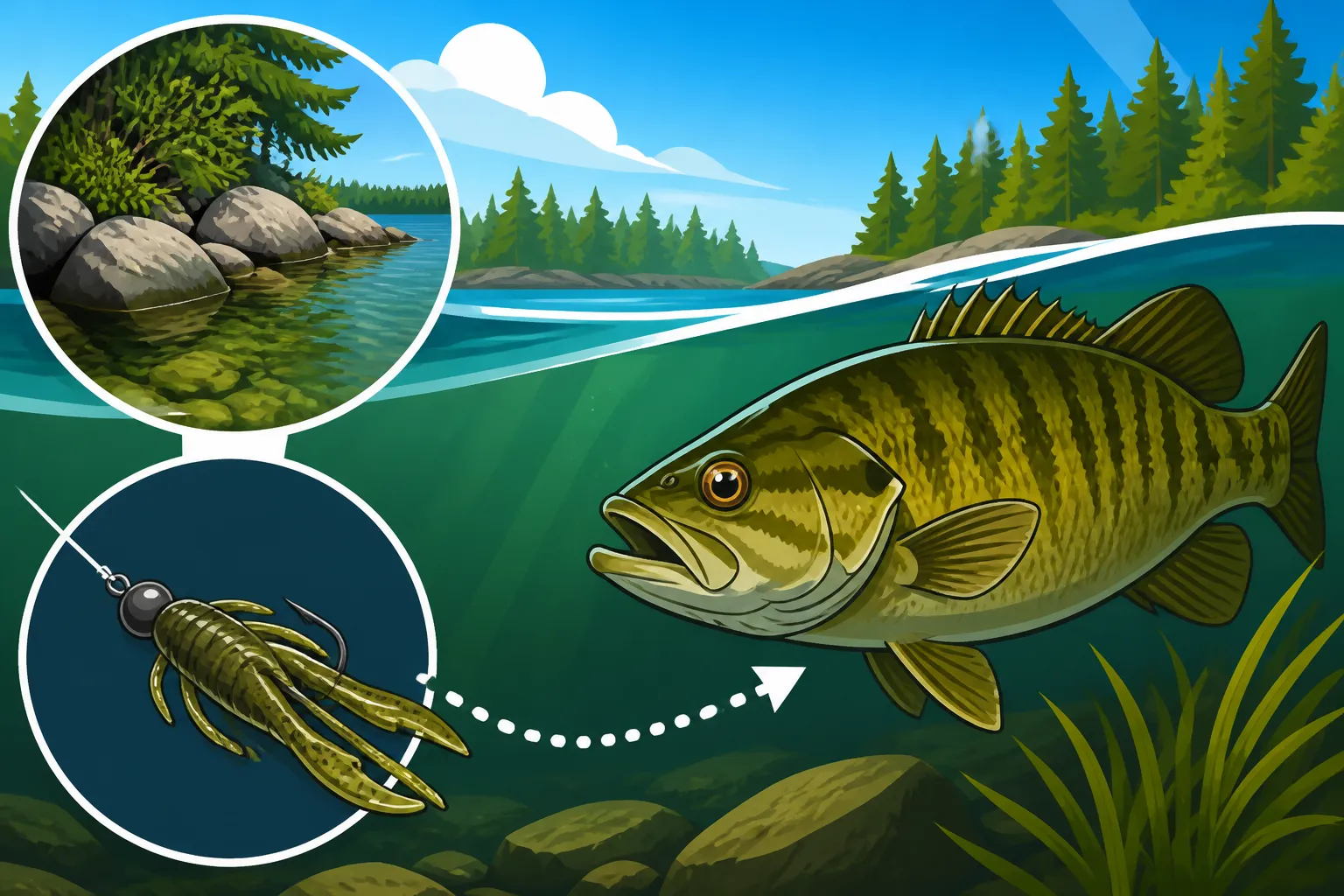
As smallmouth gain a bit more energy and start moving towards deeper structure, but aren't quite ready for a full-on chase, slow-rolling bottom contact baits can be incredibly productive. These baits imitate crawfish, goby, or other bottom-dwelling prey that smallmouth often key on as they recover.
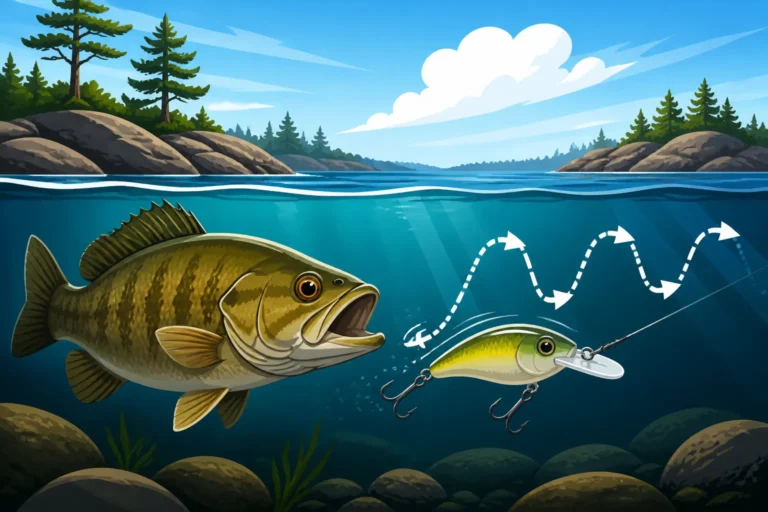
Jigs are king here. A football jig or a stand-up jig with a crawfish or creature bait trailer, slowly dragged or hopped along the bottom, can be deadly. The key is to maintain constant contact with the bottom, feeling every rock, log, or weed edge. When you feel a bite, it often won't be a jarring strike but a subtle "thump" or simply a feeling of heaviness. Tube jigs are another classic. Rigged internally or with an exposed jig head, tubes spiral and dart when retrieved, imitating a dying baitfish or a crawfish trying to escape. Casting a tube to a rocky point or a deep weed edge and slowly hopping it back to the boat is a proven way to trigger strikes from recovering smallmouth. Remember, the retrieve should be just fast enough to impart action, but slow enough that the bass doesn't have to work hard to intercept it. Our guide on How to Catch Smallmouth Bass in Ontario dives deeper into these and other essential methods.
Essential Lures and Tackle for Success
Having the right gear makes all the difference when you're trying to fool a finicky post-spawn smallmouth. We're talking about tools that allow for precision, subtle action, and the ability to detect the lightest of bites. Don't underestimate the importance of matching your tackle to the technique.
Finesse Baits and Soft Plastics
For dropshotting and Ned rigs, you'll want a selection of high-quality soft plastics. Think slender worms, minnow imitations, and small creature baits. Colours often do best in natural hues like green pumpkin, watermelon, brown, or clear with silver flake, especially in the clear waters common in many Ontario lakes.
| Lure Type | Best Use Case | Retrieve Style | Key Features |
|---|---|---|---|
| Dropshot Worms | Lethargic bass, deep structure, clear water | Subtle quiver, deadstick | Small profile, buoyant, natural colors |
| Ned Rig Worms | Rocky bottoms, shallow transitions, finicky fish | Slow drag, hop, pause | Buoyant, stands up, subtle action |
| Tube Jigs | Rocky points, drop-offs, crawfish imitation | Hop, drag, spiral fall | Hollow body, internal jig head, darting action |
| Small Swimbaits | Slightly more active bass, baitfish imitation | Slow steady retrieve, stop-go | Paddle tail, realistic profile |
| Hair Jigs | Cold water, subtle presentation, mimicking baitfish | Slow drag, subtle lift-fall | Natural breathing action, minimal resistance |
You can find a wide variety of these specialized soft plastics on Amazon, often in multi-packs that give you a range of colors and sizes to experiment with. Brands that focus on durable, soft plastics are often a good bet, as smallmouth can be tough on baits. Don't forget sharp, small hooks – dropshot hooks in sizes #1 to #2/0, and Ned rig hooks that match your jig head size, usually #1 or #2.
Rods, Reels, and Line Choices
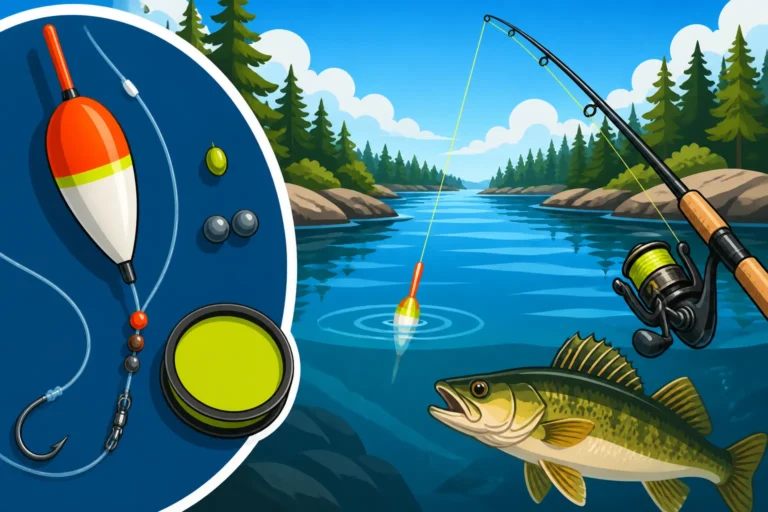
To truly excel at post-spawn smallmouth fishing, your rod, reel, and line setup needs to be dialed in for sensitivity and light presentations. A medium-light to medium power spinning rod, typically 6'6" to 7'6" in length, with a fast or extra-fast action tip, is ideal. This combination gives you the backbone to fight fish but a sensitive tip to detect those subtle bites. Many anglers look for a good all-around finesse rod, and you can explore options on Amazon by searching for "finesse spinning rod." Our guide to Best Fishing Rods for Ontario Lakes can give you some excellent starting points.
Pair that rod with a smooth, lightweight spinning reel in the 1000 to 2500 size range. The smooth drag is crucial when you hook into a powerful smallmouth on light line. For line, a braid-to-fluorocarbon leader setup is extremely popular and effective. Spool your reel with 10-15lb braided line for its sensitivity and casting distance. Then, tie on a 6-10lb fluorocarbon leader. Fluorocarbon is nearly invisible underwater and has excellent abrasion resistance, which is vital when fishing around rocks. You can learn more about specific line choices in our article on Best Fluorocarbon Line for Clear Lake Water.
Location and Timing Strategies for Post-Spawn Success
Finding post-spawn smallmouth isn't always about casting blindly. It's about thinking like a bass and understanding where they'd go to recover and where they'd start looking for food. The right location at the right time can make all the difference.
Staging Areas and Transition Zones
Immediately after the spawn, smallmouth will often "stage" in slightly deeper water adjacent to their spawning flats. Imagine a flat, sandy or rocky bay where they spawned. Just outside that bay, there will likely be a break line, a submerged hump, or a rock pile where the depth drops from 5-8 feet down to 15-20 feet. These are prime recovery zones. The bass can quickly move back to the shallows if conditions are good, or retreat to deeper, cooler water if disturbed or if the sun gets too intense.
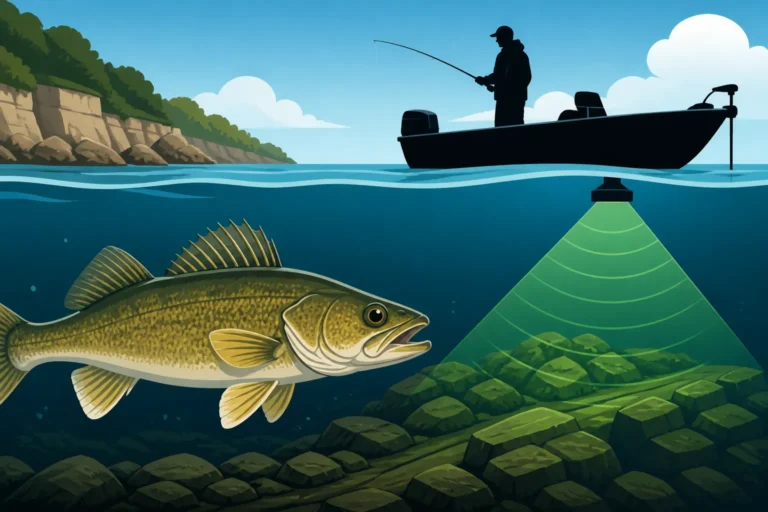
Focus your efforts on these break lines, looking for transitions from soft to hard bottom, or scattered rock and gravel patches. Submerged timber or brush piles in these depths can also hold fish. These fish aren't usually in thick schools yet; they might be scattered or in small groups. Using your electronics to identify subtle depth changes and isolated cover can be incredibly beneficial. For those with kayaks, techniques like vertical jigging or dropshotting directly over these features can be very productive. Check out our advice on Best Kayaks for Ontario Fishing if you’re looking to get out on the water in a small craft.
Focus on Forage-Rich Structure
As smallmouth transition from recovery to active feeding, their primary motivation becomes finding food. They will follow baitfish and crawfish, and often relate to structure that provides both cover and feeding opportunities. This typically means rock piles, humps, points, and shoals. These features provide ambush points for bass, and they are also magnets for their prey.
On large bodies of water like Lake Huron or the Bay of Quinte, look for offshore rock piles that top out at 10-20 feet and drop into much deeper water. On smaller lakes, a distinct rocky point that extends into the main basin or a deep weed edge where baitfish congregate can be a goldmine. Pay close attention to current, if fishing a river or strait; current often brings baitfish to the bass. The Best Bass Fishing Techniques for Georgian Bay often involve targeting these exact types of structures. Slowly working your finesse baits or slow-rolling jigs over and around these features, paying close attention to contours and depth changes, is often the most effective approach. Sometimes, even the presence of goby, which you can often spot on your fish finder, indicates a prime smallmouth hangout.
Timing Your Attack
The time of day can also play a significant role. While early morning and late evening are almost always good times to fish for bass, during the post-spawn period, the midday sun can sometimes push smallmouth deeper and make them less active. On bright, sunny days, consider fishing deeper structure or areas with good overhead cover. Overcast days, however, can keep bass more active in shallower staging areas for longer, as the reduced light penetration makes them feel safer.
Weather fronts also have a big impact. A rising barometer and stable weather often mean more active fish. A falling barometer or a cold front can shut them down, making finesse presentations even more critical. Keep an eye on the weather patterns and adjust your tactics accordingly. Understanding how these factors influence fish behavior is a critical skill for any angler, regardless of whether you're targeting smallmouth or using your Best Spinning Rods for Walleye on a different trip.
Post-Spawn Smallmouth Techniques at a Glance
Here's a quick reference for adapting your approach throughout the post-spawn period:
| Post-Spawn Stage | Preferred Techniques | Recommended Lures | Typical Locations |
|---|---|---|---|
| Early (Recovery) | Dropshotting, Ned Rig, Weightless Wacky Rig | Small worms, minnow imitations, creature baits | Deep edges of spawning flats, sparse cover nearby |
| Mid (Transition) | Slow-rolled Jigs (football/stand-up), Tube Jigs, Small Swimbaits | Crawfish imitations, tubes, small paddle tails | First break lines, humps, rocky points (10-20ft) |
| Late (Summer Prep) | Jigs, Swimbaits, Carolina Rig, crankbaits (occasionally) | Larger creature baits, goby imitations, shad imitations | Offshore humps, main lake points, deeper shoals |
This table serves as a general guide. Always let the fish tell you what they prefer on any given day. Experiment with colors, retrieve speeds, and different presentations until you crack the code. You might even find some unique or hard-to-find lures that are perfect for these stages by browsing niche fishing tackle sections on Amazon.
Final Thoughts on Post-Spawn Smallmouth
Fishing for smallmouth bass during the post-spawn can be a genuinely rewarding challenge. It forces you to slow down, pay attention to subtle cues, and really think about what the fish are doing. It's a period that tests your patience and finesse skills, but mastering it will undoubtedly make you a better angler overall. Remember to respect the fish, especially those still guarding fry, and practice responsible catch and release. Getting out on the water and applying these techniques, whether you're on a vast expanse of Lake Erie Fishing Guide waters or a smaller, more intimate lake, is the best way to learn and grow. Tight lines!
Disclaimer
This article is for general informational purposes only and does not constitute professional advice. Laws, prices and regulations vary by location and change over time. Consult a qualified professional for guidance on your specific situation.