Do Ontario Lakes Have Sturgeon?
Lake sturgeon in Ontario lakes and rivers, their historical presence, and modern conservation efforts protecting these ancient fish.
Know what’s on the line.
Gamefish and panfish profiles — identification, behavior, feeding habits, and species-specific strategies for every catch.
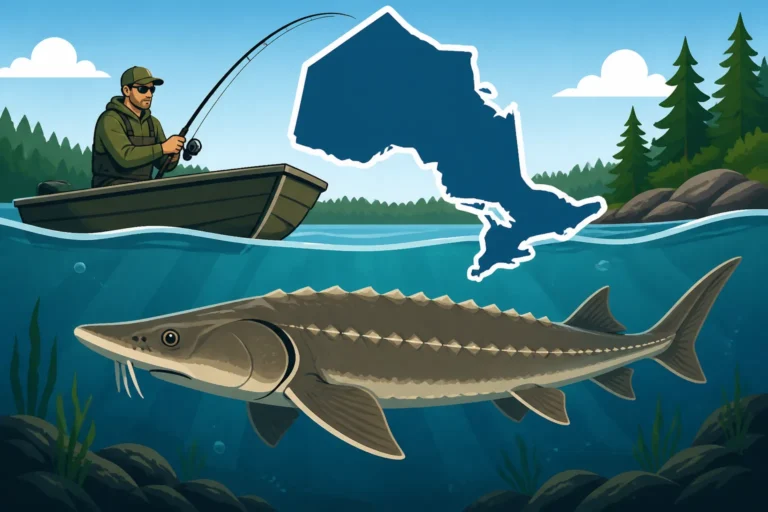
Lake sturgeon in Ontario lakes and rivers, their historical presence, and modern conservation efforts protecting these ancient fish.
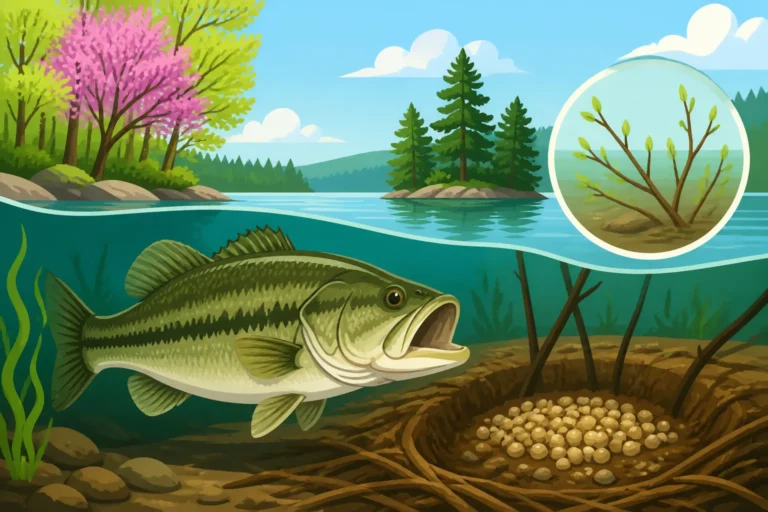
Largemouth bass spawning in Ontario depends on water temperature, explaining pre-spawn behavior, peak spawning windows, and fishing strategies.
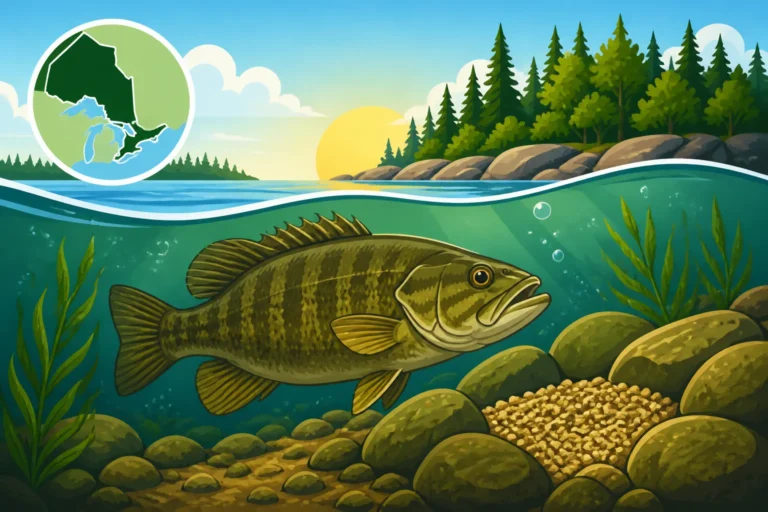
Ontario smallmouth bass spawning occurs at temperatures of 55 to 65 degrees when males build nests in shallow bays.
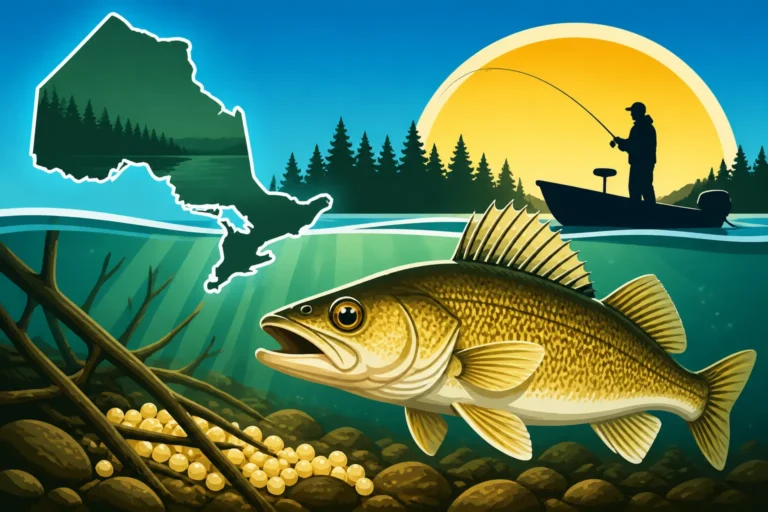
Walleye spawning in Ontario happens between late March and early May when water temperatures reach six to twelve degrees Celsius.
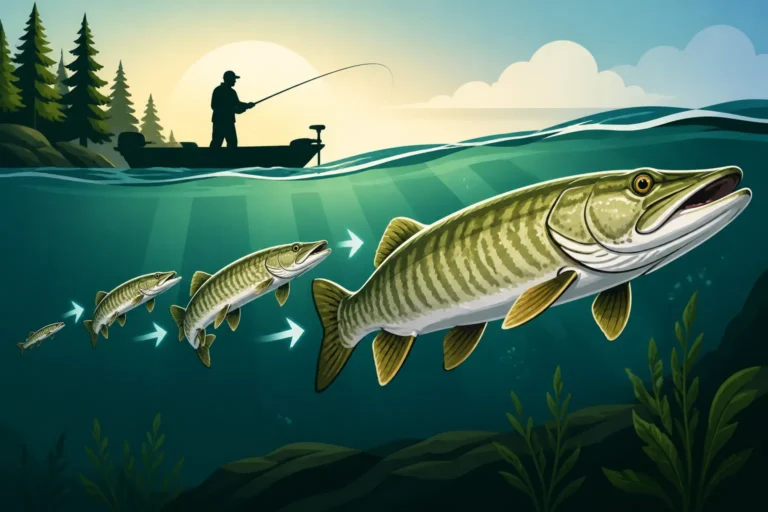
Ontario muskellunge life cycles, juvenile growth stages, and environmental factors shaping these slow-growing apex predators.
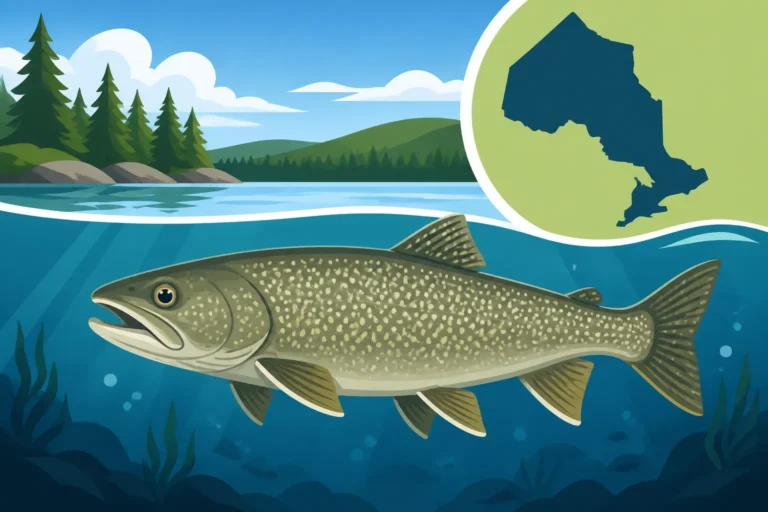
Ontario lake trout lifespans range from fifteen to twenty years, while remote northern populations can live over fifty years.
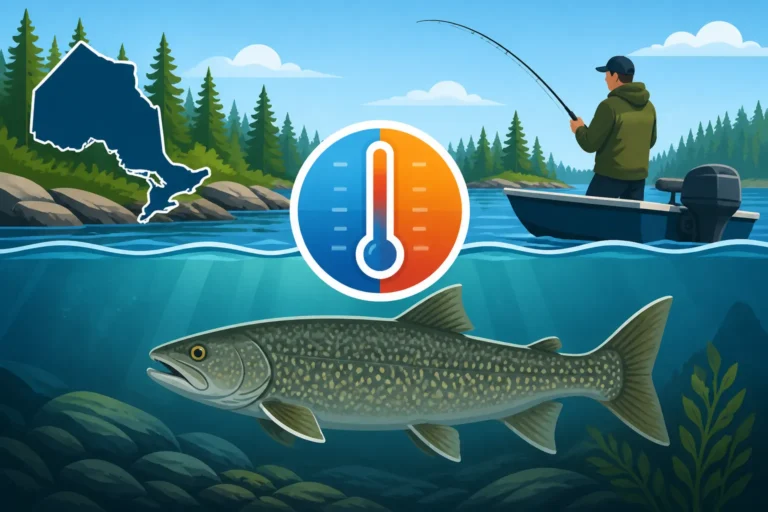
Lake trout prefer water temperatures from seven to thirteen degrees Celsius for metabolic balance, active predation, and proper digestion.
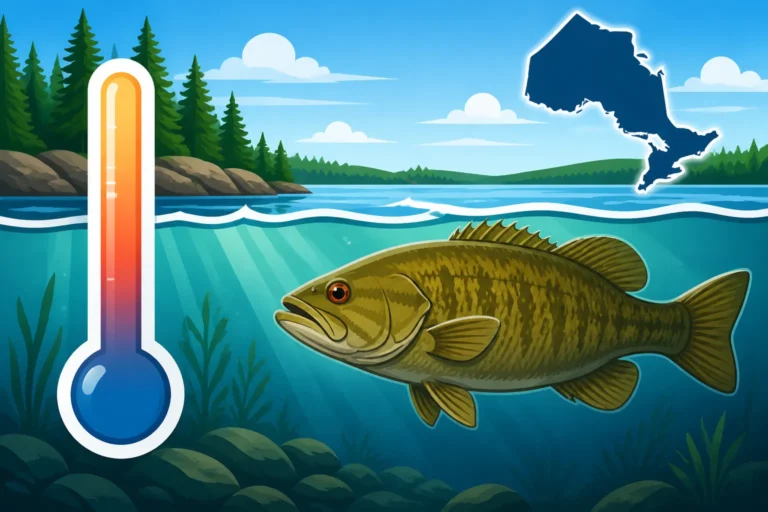
Smallmouth bass temperature preferences and metabolism explain how thermal changes dictate their behavior across Ontario seasons.
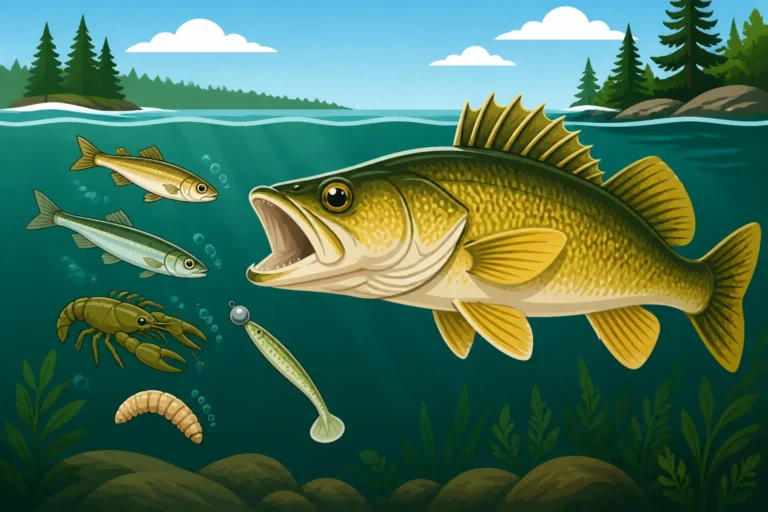
Walleye diets in Ontario lakes include fish, zooplankton, insects, crayfish, and leeches, shifting by season and habitat.
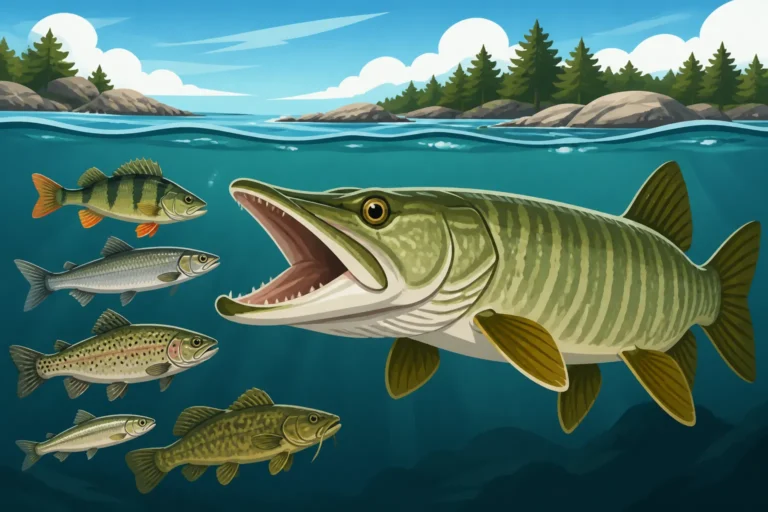
Georgian Bay muskie diets, seasonal food shifts, and primary prey species like cisco and whitefish help anglers choose lures.