Best bait for pike at ice-out
Northern pike feeding behavior after Ontario ice-out requires slow presentations and natural baits in shallow sun-warmed bays.
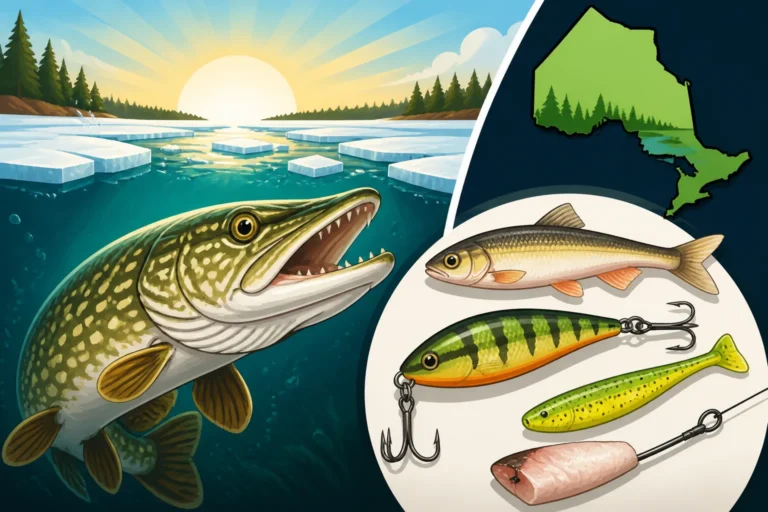
Northern pike feeding behavior after Ontario ice-out requires slow presentations and natural baits in shallow sun-warmed bays.
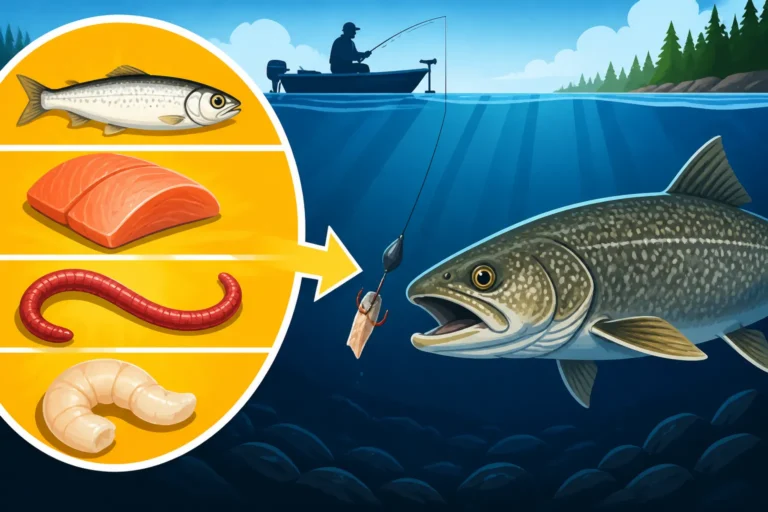
In July and August lake trout retreat below the thermocline to 50 feet or more, where the baitfish forage shapes which baits work best in Ontario lakes.
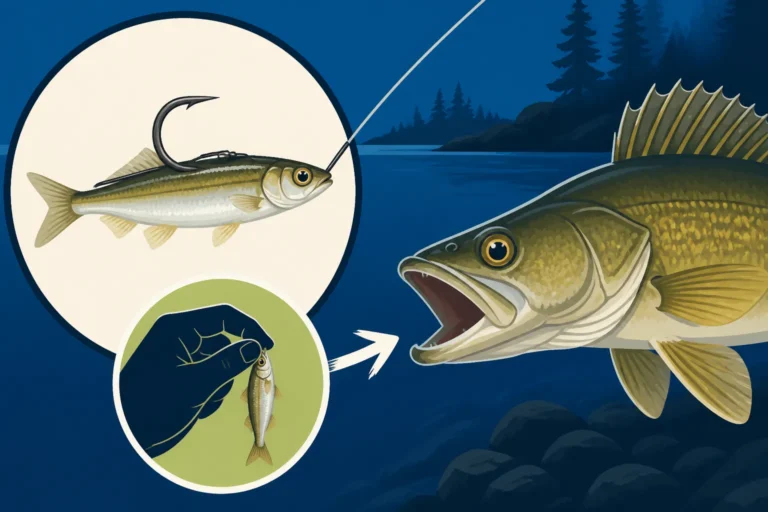
Rigging live minnows for walleye using Aberdeen, circle, and octopus hooks helps anglers ensure solid hooksets and natural presentations.
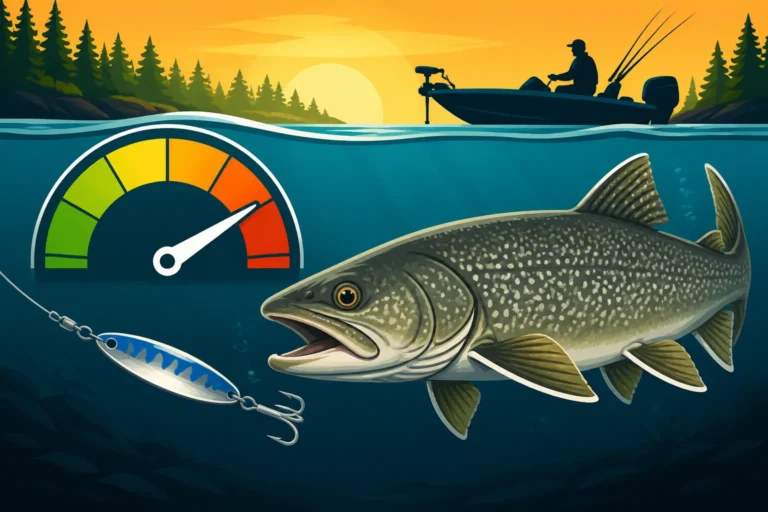
Optimal trolling speed for lake trout determines lure action, depth control, and natural prey movement in Ontario lakes.
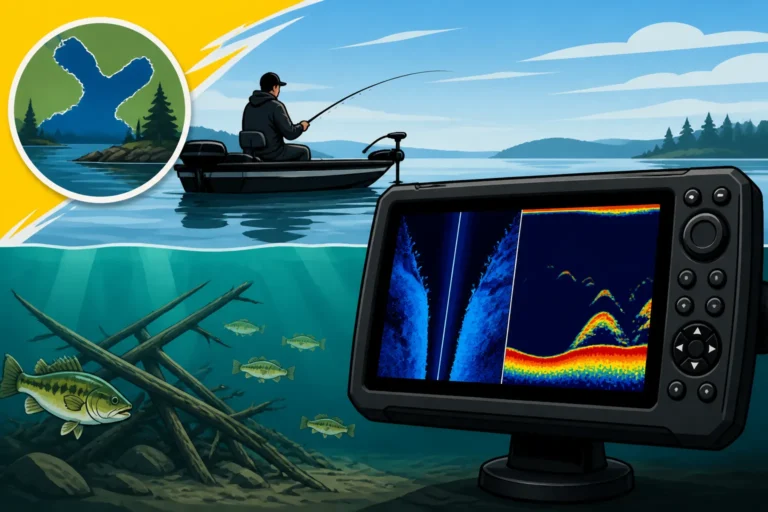
Optimal sonar settings and frequencies help anglers locate underwater reefs, weed lines, and drop-offs on Lake Nipissing.
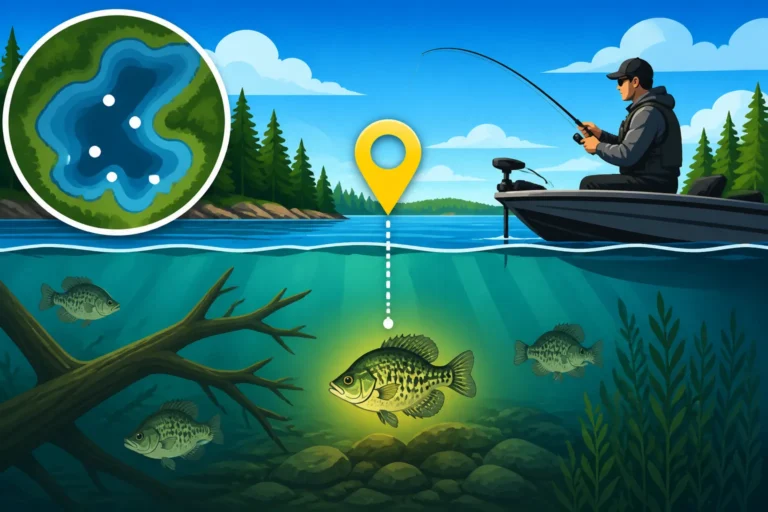
Black crappie habits, seasonal movements, and preferred structures help anglers locate these elusive fish in Ontario lakes.
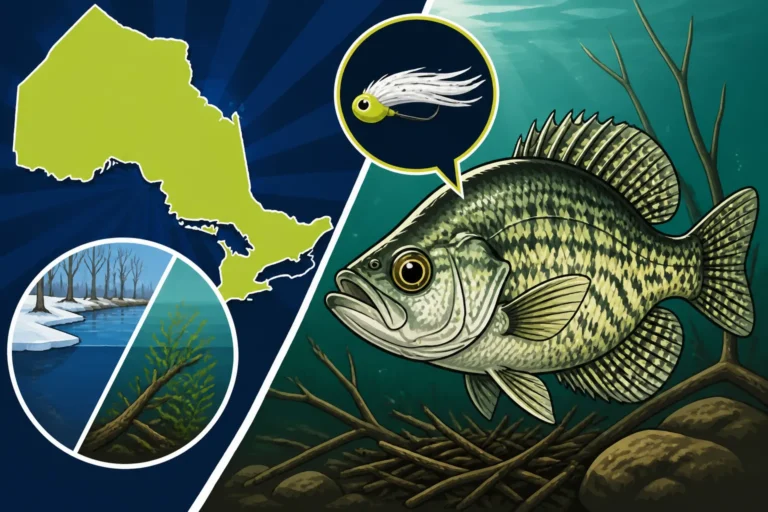
Pre-spawn crappie behavior and water temperature ranges between forty-five and fifty-five degrees help anglers catch speckled panfish in Ontario.
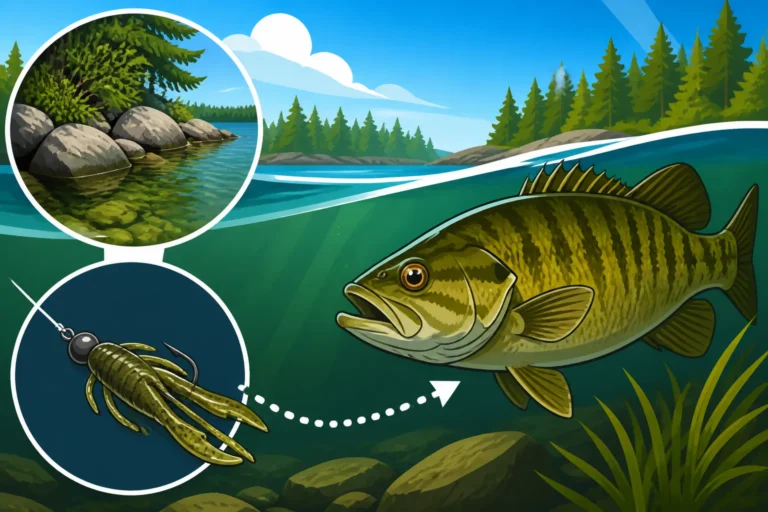
Post-spawn smallmouth bass behavior in Ontario lakes, recovery phases, and slow finesse fishing techniques for catching depleted fish.
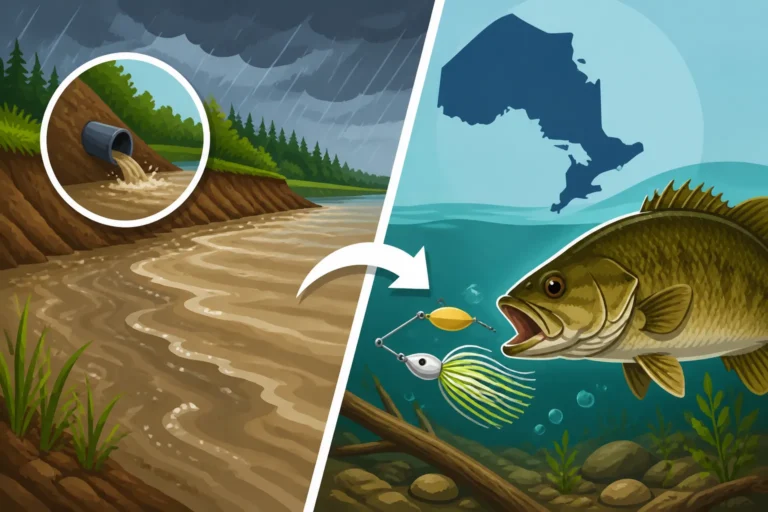
Muddy Ontario runoff conditions reduce fish visibility, forcing predators to rely on lateral line vibrations and scent to locate food.
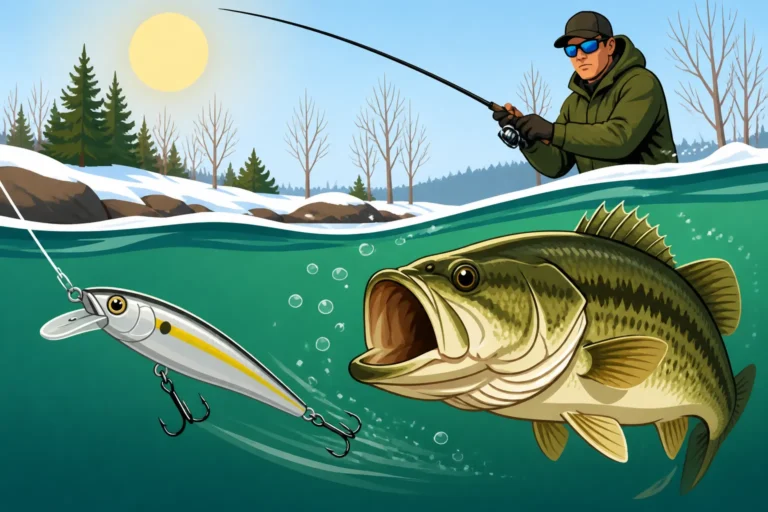
Ontario anglers targeting cold water bass can learn jerkbait fishing techniques to catch lethargic fish near rocky points.