How to catch trout in a beaver pond stream
There's something incredibly special, almost magical, about stumbling upon a beaver pond stream in the remote corners of Ontario. These aren't your easily accessible, well-known fishing spots. Oh no, these are the hidden gems, often requiring a bit of bushwhacking and a keen eye to even find. Many anglers get frustrated, seeing these choked-up waterways as impassable rather than seeing the vibrant, self-sustaining trout habitat they truly are. But for those willing to put in the effort, beaver pond streams can offer some of the most rewarding and authentic trout fishing experiences you’ll ever have. This guide will walk you through everything you need to know to successfully fish these unique and often overlooked Ontario treasures.
Unlocking the Secrets of Beaver Pond Stream Ecosystems
Beaver pond streams are marvels of natural engineering, constantly being shaped and reshaped by their industrious inhabitants. Understanding how these ecosystems function is the first step to unlocking their angling potential. They are not just random collections of water; they are dynamic habitats that, when healthy, provide prime real estate for trout.
Why Beaver Ponds are Trout Havens
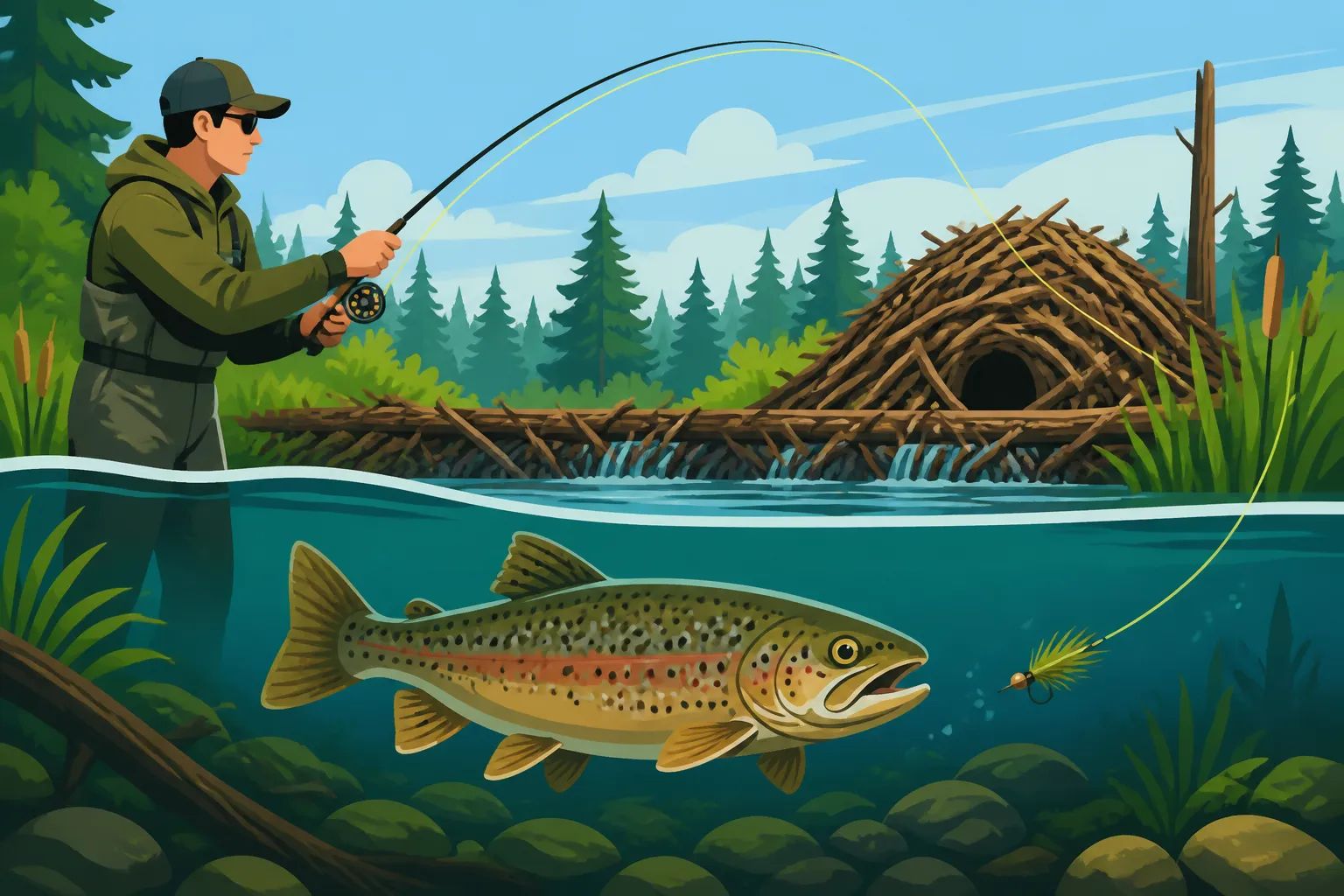
Imagine a small, meandering stream, perhaps a little too shallow and warm in places for larger trout. Then, a family of beavers moves in. Suddenly, dams are built, slowing the current, backing up water, and creating a series of deeper, cooler pools. These ponds act like natural refrigerators, holding cold water even when the air temperatures rise. This is absolutely critical for trout, especially species like the beautiful native brook trout, which thrive in colder, oxygen-rich environments. The deeper water offers refuge from predators and warmer surface temperatures, while the accumulated sediment and decaying organic matter create a fertile breeding ground for insects – a trout's primary food source.
Beyond just the temperature and food, beaver ponds offer an abundance of shelter. The intricate network of submerged logs, stumps, and undercut banks created by the beavers provides countless hiding spots. Trout feel safe here, protected from ospreys, kingfishers, and even larger predatory fish. This combination of stable cool water, a rich food supply, and extensive cover makes beaver ponds true sanctuaries for trout, often supporting surprisingly large fish for their size. It's not uncommon to find a robust brook trout in a pond that looks barely big enough to hold a minnow.
Reading the Water: Identifying Key Holding Spots
Once you've found a beaver pond system, the real detective work begins. Unlike open rivers, where currents and riffles are obvious indicators, beaver ponds require a more nuanced approach to identify trout holding spots. The "dam" itself is often a prime location. The upstream side, where water backs up, can create a deep trench right against the dam, offering both depth and a constant influx of cooler, oxygenated water. Fish will often lie here, waiting for food to wash over the dam.
The "inflows" and "outflows" of the original stream are also critical. Where the stream enters the pond, it often carves out a deeper channel, bringing in fresh oxygen and food. Trout will congregate here, especially during warmer periods. Similarly, where the stream exits the pond, there's usually a drop-off and a more defined current, another excellent ambush point. Don't overlook submerged timber – those tangled branches and old stumps are classic trout hideouts. Any subtle change in depth, current, or bottom structure could be holding fish. Take your time to observe the water before making your first cast; often, you can spot a ripple or a splash that gives away a fish's location.
Understanding the Life Cycle of a Beaver Pond
It’s important to remember that beaver pond streams are not static. They are constantly evolving. A dam might breach, draining a pond and returning it to a small stream, only for beavers to rebuild it elsewhere or downstream. This ephemeral nature means that a productive spot one year might be drastically different the next. Over time, ponds also accumulate silt and organic matter, becoming shallower and eventually turning into marshy meadows if the beaver activity ceases.
This cycle is why these waters often host wild fish populations rather than relying on stocking. The trout that inhabit them are resilient, adapted to these ever-changing conditions. This also means you're often targeting healthier, more vibrant fish. However, it also means respecting the environment. These are delicate ecosystems. If you find a productive pond, enjoy it, but be mindful that its longevity depends on the natural cycle and minimizing human impact. Fishing here is a fleeting, precious opportunity to connect with nature in its rawest form.
Essential Gear for Navigating Beaver Pond Streams
Fishing beaver pond streams isn't like casting on an open lake or a manicured river. The dense brush, muddy banks, and tight casting quarters demand a specific approach to your gear. Bringing the right equipment can make the difference between a frustrating tangle-fest and a truly memorable day of fishing. You won't need a massive boat or heavy tackle, but rather a streamlined, effective setup.
Rods, Reels, and Line: The Right Setup
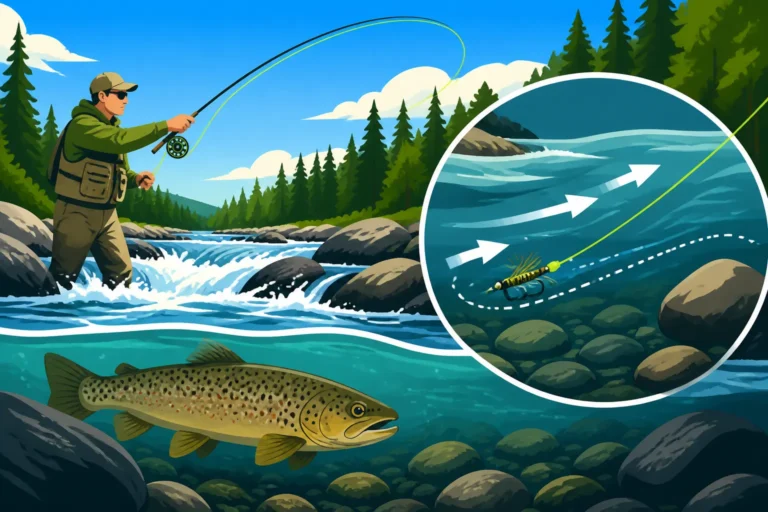
For most beaver pond stream scenarios, lighter is better. A short, ultralight spinning rod, perhaps in the 5 to 6-foot range, is ideal. This shorter length makes it much easier to cast accurately in tight spaces, under overhanging branches, and around dense vegetation. Paired with a small spinning reel spooled with 4 to 6-pound test monofilament or fluorocarbon line, you'll have the sensitivity to detect subtle bites and the finesse to present small lures or baits naturally. Braided line can be an option for its strength, but its visibility and tendency to dig into itself on lighter reels can be a drawback in clear, shallow water. If you're into fly fishing, a lightweight fly rod, perhaps a 2-weight or 3-weight in a short length, is absolutely perfect for these intimate settings, allowing for delicate presentations. You can find excellent options for Best Fly Rods for Ontario Trout Streams that might be perfect here.
The key here is balance and stealth. You're not casting for distance; you're casting for precision into small pockets. The lighter line helps with natural presentation, especially in the clear waters often found in these ponds. A good quality, durable rod and reel that can take a few bumps from navigating the brush is always a wise investment. Searching on Amazon for "ultralight trout spinning combo" or "short fly rod kit" will yield many suitable choices.
Waders, Footwear, and Essential Apparel
This is where many anglers underestimate the challenge. Beaver pond streams often mean muddy banks, soft bottoms, and dense, wet vegetation. Quality waders are almost non-negotiable. Chest waders will keep you dry when wading through deeper sections or pushing through wet brush. Look for durable, breathable waders if you're hiking in a lot, as comfort is key. Neoprene waders are fantastic for colder weather but can be stifling in summer.
Good wading boots with aggressive soles are also crucial for maintaining footing on slippery mud, submerged logs, and uneven terrain. Avoid open-toed sandals or regular hiking boots, as they simply won't cut it. Beyond waders, consider long-sleeved shirts and pants, even in summer, to protect against sun, scratches from brush, and, most importantly, insects. Mosquitoes and blackflies can be ferocious in these remote, damp areas. A good hat and polarized sunglasses are also invaluable, helping you spot fish and protect your eyes. Don't forget bug spray – a strong repellent from Amazon is your best friend out here!
Lures, Baits, and Flies: What Trout are Eating
Trout in beaver pond streams are often opportunistic feeders, keying in on local insect hatches and small forage. Small presentations are generally the most effective. For spin fishing, consider tiny inline spinners (like Panther Martins or Mepps Aglias in sizes 0-2), small spoons (such as Little Cleos or Kastmasters), or micro jigs tipped with a small piece of worm or scented bait. Soft plastic grubs on a small jig head can also be deadly, mimicking aquatic insects or small baitfish. Look for natural colours like black, brown, olive, or silver, as these often imitate the insects and minnows found in these waters.
Fly anglers will find great success with smaller dry flies (imitating mayflies, caddis, or even ants and beetles) presented carefully on the surface. When fish aren't rising, nymphs (like Prince Nymphs, Hare's Ear, or Pheasant Tail) fished under a small indicator, or even small streamers (like Woolly Buggers in black or olive), can be incredibly effective at probing deeper pockets. The key is to match the hatch or use something that looks like a high-protein meal without being too aggressive. A compact Best Tackle Box Setup for Ontario Anglers stocked with these essentials is all you really need.
| Lure/Bait Type | Description & Best Use | Target Depth | Key Considerations |
|---|---|---|---|
| Small Inline Spinners | Flash and vibration for active fish. | Shallow to Mid | Sizes 0-2, natural colours |
| Micro Jigs | Mimic small insects/minnows, very versatile. | All Depths | Tip with bait, slow retrieve |
| Small Spoons | Good for deeper pools, erratic action. | Mid to Deep | Silver/gold, natural patterns |
| Dry Flies | Surface presentations, match insect hatches. | Surface | Delicate cast, quiet approach |
| Nymphs | Imitate aquatic insects under the surface. | Subsurface | Drift naturally, use indicator |
| Small Streamers | Imitate baitfish or larger insects. | Mid to Deep | Strip retrieve, darker colours |
| Worms/PowerBait | Classic natural bait, irresistible to trout. | Bottom | Fished on small hook with light sinker |
Proven Techniques for Beaver Pond Trout
Successfully catching trout in a beaver pond stream is often less about brute force and more about finesse, patience, and a deep respect for the environment. These fish can be surprisingly wary, and the confined, often brushy nature of these waters demands a specific set of angling skills.
The Art of Stealth and Approach
This is perhaps the single most critical aspect of beaver pond fishing. Trout in these waters are usually wild and incredibly sensitive to disturbances. Stomping loudly along the bank, wearing bright clothing, or casting a long shadow over the water will almost guarantee that every fish within sight vanishes instantly. Think like a hunter stalking prey. Approach slowly and quietly, staying low and using bankside vegetation for cover. Wear drab, natural colours that blend into the surroundings.
Before you even make a cast, take a few minutes to observe the water from a distance. Look for rises, subtle swirls, or even the flash of a trout. Identify potential holding spots from afar, and plan your approach so that you're casting to the fish rather than over them or at them. Often, your first cast into a promising spot is your best chance, so make it count. If you spook a fish, move on to the next promising area and return to that spot later, as the trout may eventually resume feeding. Remember, you're entering their living room, so be a respectful guest.
Precision Casting and Presentation
Beaver pond streams are often tight, cluttered environments. Overhanging trees, dense alders, and the beaver dam itself can make casting a challenge. Long, sweeping casts are usually out of the question. Instead, focus on short, accurate roll casts or delicate flip casts, especially with a fly rod. For spin anglers, mastering a sidearm or even an underhand cast can be invaluable for sneaking lures into tight pockets. Accuracy is far more important than distance here.
When presenting your lure or fly, think natural. A gentle landing is key; a heavy plop will send fish scattering. With dry flies, a drag-free drift is paramount. For lures, a slow, steady retrieve that just allows the lure to wobble or spin is often best. Let the current or the natural action of your bait do most of the work. If you're using bait, allow it to drift naturally into the deep pools or along submerged structure. The goal is to make your offering look like an easy, natural meal rather than something artificial crashing into their home. This level of deliberate, thoughtful presentation is what sets successful beaver pond anglers apart.
Working the Water: Targeting Each Feature
Each beaver pond system is a mosaic of different micro-habitats, and you need to fish them all strategically. Start by targeting the obvious hotspots: the deep trench directly upstream of the beaver dam, the inflows where fresh water enters, and the outflows where water spills out. These areas often concentrate fish. Then, move on to the less obvious spots. Probe around submerged logs and stumps, casting your lure or fly right against the structure. These are classic ambush points.
Don't forget the quieter, stiller pockets along the banks, especially those with undercut banks or overhanging vegetation that provide shade and cover. Trout will often hold in these areas, particularly during bright sunny days. Work your way methodically around each pond, making a few casts into each promising spot before moving on. Pay attention to how the fish react, or don't react, to different presentations. Sometimes, a slight change in retrieve speed, a different fly pattern, or a different lure colour is all it takes to trigger a strike. Patience and observation are your greatest allies here. For more insights on How to catch trout in a beaver pond stream, understanding specific trout behaviour is key.
Responsible Angling and Conservation in Beaver Pond Environments
Fishing in these unique environments comes with a significant responsibility. Beaver pond streams, particularly those holding wild trout, are often delicate ecosystems that can be easily impacted by human activity. Practicing responsible angling ensures that these special places remain healthy and productive for future generations.
Practicing Catch and Release
While catching a few fish for a meal is certainly part of the angling experience for many, beaver pond trout, especially native brook trout, are often best enjoyed through catch and release. Many of these populations are self-sustaining but can be fragile due to their limited habitat. Releasing your catch unharmed ensures that these fish can continue to spawn and contribute to the population. If you decide to keep a fish, only take what you need and adhere strictly to any Ontario Bag and Possession Limits by Species regulations for the specific zone you are in.
When practicing catch and release, handle fish minimally and gently. Use barbless hooks, or pinch down the barbs on your regular hooks, as this makes removal much easier and reduces stress on the fish. Keep the fish in the water as much as possible, especially during warmer weather. If you need a photo, do it quickly and with wet hands to protect the fish's slime coat. A rubber-meshed landing net can also help protect fish during landing and handling. These simple practices go a long way in ensuring the long-term health of these precious trout populations. Many of the fish you encounter in these remote systems might be wild Brook Trout in Ontario's Crown Land Lakes, making conservation even more vital.
Minimizing Your Impact
Part of the allure of beaver pond streams is their wild, untamed nature. It's crucial that we do our part to keep them that way. Follow the "leave no trace" principles: pack out everything you pack in, including any discarded fishing line, bait containers, or food wrappers. Avoid disturbing the streambed or banks unnecessarily. If you're wading, move carefully to avoid dislodging substrate or trampling aquatic vegetation.
Respect wildlife and their habitats. Remember, the beavers are the engineers of this ecosystem, so admire their work from a distance. Avoid damaging trees or vegetation to create casting lanes; instead, adapt your casting technique. These streams are wild and often remote, meaning your actions have a more profound impact than in more heavily used areas. By minimizing your footprint, you help preserve the pristine nature of these unique fishing spots.
Knowing the Regulations
Even though these spots feel wild and remote, they are still subject to Ontario fishing regulations. Before you head out, make sure you have your Ontario Fishing License Guide for 2026 and understand the rules for the specific Ontario Fisheries Management Zones, Explained you'll be fishing in. This includes season dates, daily catch limits, and any special regulations for specific species like trout. Some streams or ponds might have special regulations, such as "catch and release only" or bait restrictions, to protect sensitive populations.
Always carry a copy of the most current regulations summary, whether it's a physical copy or a digital version on your phone – check out Printing or Carrying a Digital Fishing License in Ontario for details. Ignorance of the rules is never an excuse, and conservation officers do patrol even the most remote areas. Being informed and compliant with regulations is not just about avoiding fines; it's about being a responsible angler and contributing to the sustainable management of Ontario's incredible fisheries.
Disclaimer
This article is for general informational purposes only and does not constitute professional advice. Laws, prices and regulations vary by location and change over time. Consult a qualified professional for guidance on your specific situation.