Smallmouth Bass Habits on Lake Erie
If you've ever tried to dial in smallmouth bass on Lake Erie, you know it can be an incredible challenge, yet unbelievably rewarding. This isn't just any lake; Erie is a vast, dynamic fishery that demands anglers understand the subtle nuances of its smallmouth population. This guide is dedicated to pulling back the curtain on the fascinating habits of smallmouth bass in Lake Erie, helping you understand where they are, what they're eating, and why they do what they do, season after season.
Lake Erie's Unique Appeal for Smallmouth Bass
Lake Erie is often hailed as one of the best smallmouth bass fisheries in the world, and it's not by accident. This Great Lake offers a combination of factors that create an almost perfect environment for these bronze beauties to thrive, leading to both impressive numbers and truly trophy-sized fish. Understanding these fundamental advantages is the first step to consistently finding success on the water.
Water Clarity and Habitat Diversity
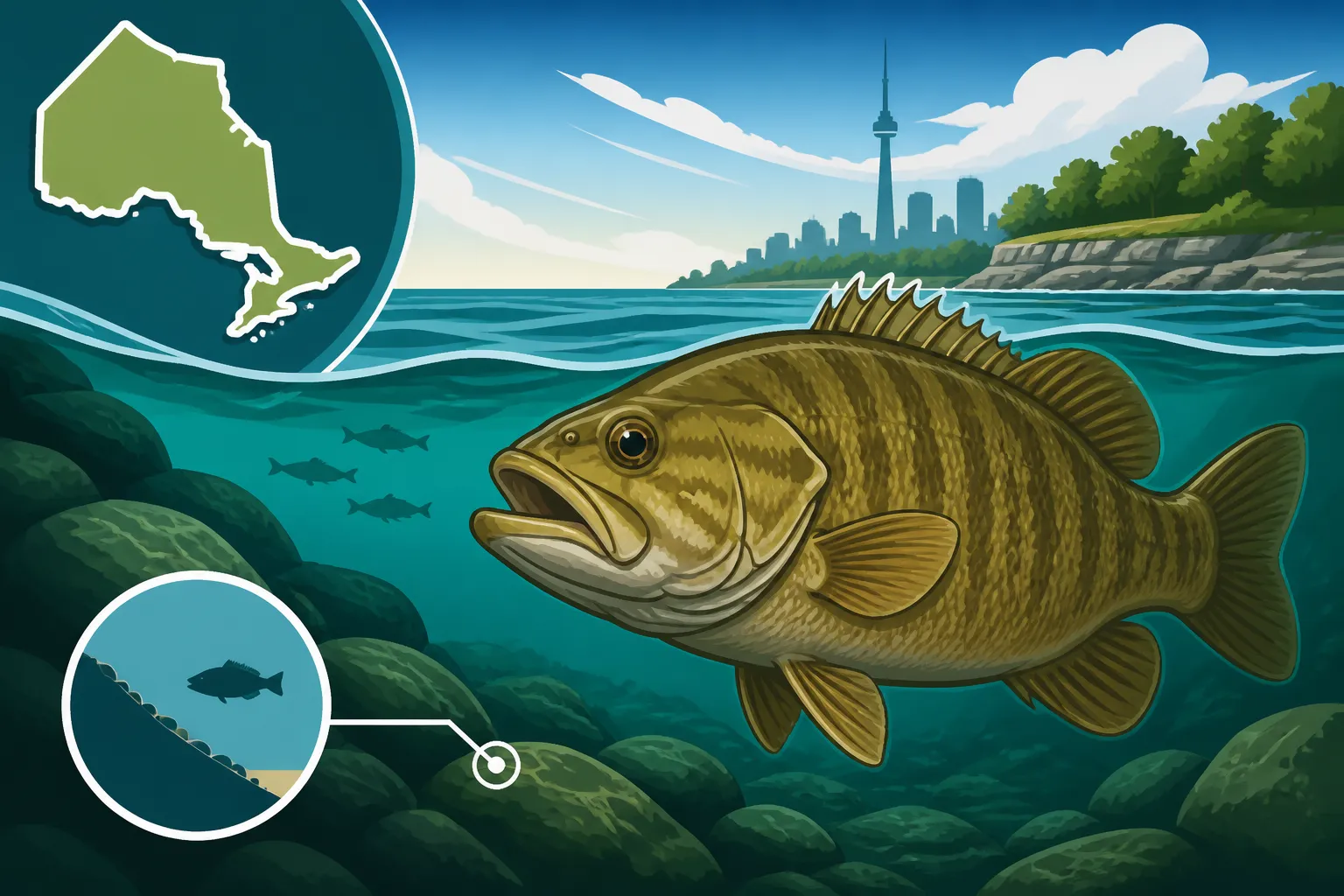
Unlike some of its Great Lakes siblings, Lake Erie's shallowest western basin is notoriously turbid, but as you move eastward into the central and eastern basins, the water clarity often improves dramatically, particularly offshore. This clearer water is crucial for smallmouth, as they are primarily sight feeders. They rely on their excellent vision to spot prey and ambush it. The lake also boasts an incredible diversity of habitats. You'll find everything from vast rocky reefs and shoals to steep drop-offs, expansive gravel beds, and scattered weed lines, especially in the shallower bays and protected areas. This provides smallmouth with an array of choices for feeding, spawning, and seeking refuge from predators and harsh weather. Whether they're hiding amongst the boulders of Long Point Bay or patrolling the deep edges of the Niagara Bar, Erie's varied underwater landscape gives them exactly what they need to flourish.
Prey Abundance and Growth Rates
Smallmouth bass in Lake Erie grow big, and they grow fast, thanks in large part to a veritable buffet of prey available to them. The lake is teeming with forage, and the smallmouth have adapted to capitalize on it. Their primary food source, the crayfish, is abundant across much of the lake's rocky bottoms. These crustaceans provide a high-protein, readily available meal. Beyond crayfish, a variety of baitfish species like gobies, emerald shiners, smelt, and even juvenile perch and round whitefish contribute significantly to their diet. This consistent, rich food supply means that smallmouth can put on weight quickly, reaching impressive sizes that are the envy of anglers worldwide. You'll often hear tales of smallmouth caught in Erie that are incredibly fat and healthy, a direct result of this thriving ecosystem. This abundance of food also makes them aggressive, which is excellent news for us anglers!
Seasonal Movements and Depths on Lake Erie
Smallmouth bass on Lake Erie are creatures of habit, but those habits shift dramatically with the seasons. Their movements are dictated primarily by water temperature, available forage, and spawning instincts. Knowing these seasonal patterns is absolutely critical for locating them throughout the year, whether you're chasing them in early spring or late fall.
Spring Shallow Water Migration
As the ice recedes and water temperatures slowly begin to climb into the 40s and 50s Fahrenheit (roughly 4-13°C), smallmouth bass start their migration from deep wintering grounds towards shallower areas. This is often an exciting time for anglers, as the fish are hungry and becoming more active. They'll stage on offshore humps, reefs, and points that are adjacent to deeper water, often holding in depths of 20-40 feet initially. As the water warms further, they push into even shallower bays, protected harbours, and rock-strewn shorelines, seeking out areas with dark bottoms that absorb heat from the sun. Think about those northern shorelines or shallow flats that warm up faster – that’s where they’ll be. They're looking for stable water temperatures and readily available meals to fuel their pre-spawn activities. This period is a fantastic opportunity for targeting them before they move onto their spawning beds.
Summer Deep Water Patterns
Once the water temperatures consistently hit the high 60s and 70s Fahrenheit (around 18-24°C), Lake Erie smallmouth typically move offshore and settle into deeper, cooler water. They're often found on vast rock reefs, ledges, humps, and extended points, particularly where there's access to depths of 30 to 60 feet or even deeper. They follow the thermocline if one sets up, or simply position themselves where cooler water and abundant forage intersect. These summer patterns can be a bit more challenging to pinpoint, as the fish are spread out over a much larger area. However, once you find a school on a particular piece of structure, the fishing can be phenomenal. This is when your electronics really shine, helping you identify those subtle contour changes and baitfish schools that indicate where the smallmouth are holding. You might find great success with deeper diving crankbaits or by vertically jigging over these structures.
Fall Feeding Frenzy
As summer transitions to fall and the water temperatures begin to cool, Lake Erie smallmouth bass experience a resurgence in activity, often referred to as a "fall feeding frenzy." They instinctively know that winter is coming and they need to pack on as much weight as possible. This period often sees them moving back towards shallower offshore structures, points, and even some inshore areas they frequented in the spring. They'll aggressively chase baitfish, and you can find them in a wide range of depths, from 15 to 40 feet, sometimes even shallower if bait is present. This is a time when they are incredibly opportunistic, hitting a variety of presentations. Anglers often find this to be one of the most productive times of the year for catching both numbers and exceptionally large smallmouth. The cooler air and crisp mornings make for some truly memorable days on the water.
Winter Dormancy
When the frigid grip of winter sets in and water temperatures drop below the 40s Fahrenheit (around 4°C), Lake Erie smallmouth bass retreat to their deep wintering grounds. They seek out the deepest, most stable water available, often congregating in vast schools on offshore depressions, deep channels, or significant structural features far from shore. Their metabolism slows down drastically, and they become much less active, entering a state of semi-dormancy. While they will still feed opportunistically if a meal presents itself, their movements are minimal, and they are considerably harder to tempt. Ice fishing for smallmouth in Lake Erie is not unheard of in certain areas, but it's generally a specialized pursuit, requiring anglers to locate these deep-water congregations and present very subtle offerings. For most anglers, the smallmouth season essentially closes until spring's thaw.
Smallmouth Bass Diet and Foraging Habits
Understanding what smallmouth bass eat on Lake Erie is paramount to choosing the right baits and presentations. These fish are aggressive predators with a varied diet, but they certainly have their favourites. Mimicking their natural prey is often the quickest path to a bent rod.
Crayfish: The Primary Forage
If there's one item that would top the menu for a Lake Erie smallmouth, it's crayfish. These shelled crustaceans are absolutely abundant throughout the lake's rocky and gravelly bottom areas, which perfectly overlap with smallmouth habitat. Smallmouth bass will actively hunt crayfish, flipping over rocks with their noses or ambushing them from cover. Anglers who consistently catch big smallmouth often do so by "matching the hatch" with crayfish imitations. This means using soft plastic creatures, tubes, and jigs in colours like green pumpkin, brown, and watermelon, which perfectly mimic the look and movement of crayfish. When you're fishing rocky bottoms or transition areas, always consider crayfish as the prime target for these bass. You can find an excellent selection of realistic crayfish lures on Amazon that will fool even the wariest smallmouth.
Baitfish and Opportunistic Feeding
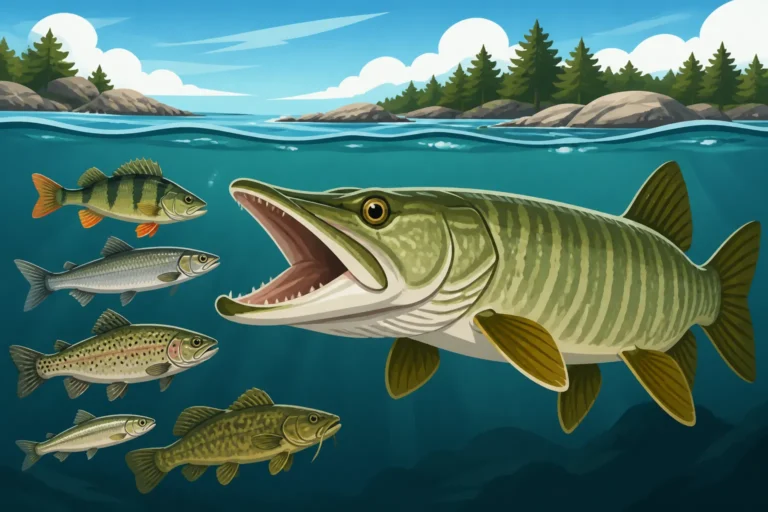
While crayfish are a staple, Lake Erie smallmouth are also voracious predators of baitfish. Emerald shiners, gizzard shad, smelt, and especially the invasive round goby all form a significant part of their diet. Smallmouth are highly opportunistic feeders, and if a school of baitfish is present, they will actively pursue and ambush them. This is particularly true during the fall feeding frenzy when they are aggressively bulking up for winter. During these times, lures that imitate baitfish, such as jerkbaits, swimbaits, spinnerbaits, and crankbaits, can be incredibly effective. Consider the depth and type of baitfish present when selecting your lures. If you see schools of bait flickering on your sonar, chances are the smallmouth are nearby and ready to chase. Understanding How to Catch Smallmouth Bass in Ontario often involves paying close attention to the local baitfish populations.
Invasive Species Impact
It's impossible to talk about the smallmouth diet in Lake Erie without mentioning the impact of invasive species, particularly the round goby. While these foreign fish have caused significant ecological concerns, they have also become a major food source for Lake Erie smallmouth. Gobies are abundant on the lake bottom, often sharing the same rocky habitat as smallmouth. They are easy prey, and smallmouth have adapted to feeding on them, contributing to their impressive growth rates. As an angler, this knowledge is a game-changer. Goby-imitating baits, especially small jigs and soft plastics in brown, green, and black colours, are incredibly effective. Many anglers wouldn't hit the water without a few goby imitations in their tackle box, often purchased from Amazon for convenience. While the goby's overall impact on the ecosystem is complex, their presence has undeniably influenced smallmouth feeding habits and sizes in Lake Erie.
Key Structures and Cover for Smallmouth Bass
Smallmouth bass are structure-oriented fish, and Lake Erie offers an astounding array of underwater features that attract them. Knowing what kind of structure to look for and how to approach it can dramatically increase your success rate. It's not just about finding fish, but finding the right kind of structure that holds fish consistently.
Rock Piles and Reefs
The vast expanse of rock piles, shoals, and reefs is arguably the most iconic smallmouth habitat on Lake Erie. These underwater mountains and rubble fields provide everything a smallmouth needs: ambush points, foraging grounds for crayfish, and spawning areas. These structures can range from subtle rises on the lakebed to dramatic humps that come close to the surface. Smallmouth will orient themselves to different parts of these structures depending on current, light conditions, and forage availability. Often, they'll hold on the deeper side of a hump, or tucked into crevices and boulders on the shallower peak. How to fish rocky points for smallmouth is a key skill here. Learning to "read" your sonar to identify these structures and then strategically positioning your boat to cast effectively is essential. Don't be afraid to work an entire reef system; fish might be holding in one specific corner or on a certain depth contour.
Drop-offs and Ledges
Where the lake bottom abruptly changes depth, you'll often find smallmouth bass. Drop-offs and ledges are crucial transition zones where deep water meets shallow water, creating natural highways for fish movement and ambush points. These areas provide easy access to different temperature zones and depths where baitfish might be schooling. Smallmouth will typically position themselves along these edges, often on the deeper side looking up into the shallower water for passing prey. They might also suspend just off the face of a steep ledge. Fishing parallel to these contours with crankbaits, jerkbaits, or by slow-dragging jigs can be highly effective. The subtle shifts in depth can be difficult to find without good electronics, but once you locate a productive ledge, it can hold fish for days.
Man-Made Structures
While Lake Erie is famous for its natural rock and reef systems, don't overlook the power of man-made structures to hold smallmouth bass. Breakwalls, bridge abutments, submerged cribs, and even old pier pilings can be magnets for smallmouth, especially in areas with less natural structure. These objects provide cover, shade, and often become homes for crayfish and baitfish. Anglers focusing on the inner harbour areas or near major coastal towns might find these structures incredibly productive. Fishing these spots often requires a different approach, perhaps more precise casting or vertical presentations right against the structure. Always be mindful of local regulations when fishing around these areas, and remember that safety around man-made structures, especially near navigation channels, is paramount.
Spawning and Reproduction Cycle
The spawning cycle of smallmouth bass in Lake Erie is a critical period that influences their location, behaviour, and vulnerability. Understanding this annual ritual is vital for ethical angling and for predicting their movements during a significant portion of the fishing season.
Pre-spawn Staging Areas
Before smallmouth commit to their shallow spawning beds, they spend a considerable amount of time in "pre-spawn" staging areas. As water temperatures begin to rise into the mid-50s Fahrenheit (around 13-15°C), they move from their deep wintering holes to these slightly shallower, often transitional zones. These staging areas are typically offshore humps, points, and flats adjacent to deeper water and close to eventual spawning grounds. They're looking for stable temperatures and abundant food to build up energy reserves for the strenuous spawning process. The fish are often aggressive during this time, actively feeding on crayfish and baitfish. This is a prime window for anglers, as large numbers of fish can be concentrated in relatively small areas, ready to hit a variety of lures. Knowing smallmouth bass spawning season in Ontario and the conditions that precede it can give you a significant edge.
Nesting and Parental Care
Once the water temperature consistently reaches the late 50s to low 60s Fahrenheit (around 15-18°C), male smallmouth bass will move onto shallow, protected flats or points with gravel or small rock bottoms to construct their nests. These nests are circular depressions, painstakingly cleared of debris by the male. After a female deposits her eggs and they are fertilized, the male smallmouth becomes the sole guardian of the nest. He will aggressively defend the eggs and newly hatched fry from any perceived threat, including curious anglers' lures. This protective instinct makes them highly vulnerable to capture, which is why many jurisdictions have specific closed seasons or catch-and-release rules during this period. It's crucial to respect these rules to ensure the successful reproduction of the species. Catching and releasing a male from a nest can leave the eggs or fry vulnerable to predation, so conscious anglers often avoid targeting bedding fish.
Post-spawn Recovery
After the rigours of spawning and parental care, both male and female smallmouth bass enter a "post-spawn" recovery period. They are often exhausted, thin, and less aggressive immediately after leaving the nest. During this time, which typically occurs when water temperatures are in the mid-60s Fahrenheit (around 18-20°C), they will often move to slightly deeper cover adjacent to their spawning flats. They seek out areas with easy access to food and shade, like submerged logs, weed edges, or deeper rock piles, where they can recuperate. Their feeding picks up gradually as they regain strength. Anglers targeting post-spawn fish might need to use more subtle presentations and slower retrieves. They're still catchable, but the frantic aggression of the pre-spawn period has often waned. As they recover, they'll gradually resume their more typical summer patterns, moving offshore and adopting deeper holding habits as described earlier.
Impact of Environmental Factors on Smallmouth Bass
Lake Erie is a massive body of water, and its environmental conditions are constantly in flux. Smallmouth bass, like all fish, are highly sensitive to these changes. Understanding how factors like water temperature, wind, and even water levels can influence their behaviour is essential for adapting your fishing strategy.
Water Temperature and Oxygen Levels
Water temperature is perhaps the single most important factor governing smallmouth bass behaviour. Their metabolism, feeding activity, and movement patterns are all directly tied to the temperature of the water. As discussed, they follow temperature bands throughout the seasons, seeking their preferred range. When temperatures are ideal, fish are active and aggressive. When it's too cold, they become sluggish; too hot, and they might become stressed and seek deeper, cooler water. Related to temperature, oxygen levels also play a critical role, particularly in warmer summer months or in shallower, weedy bays. Smallmouth need well-oxygenated water. If an area becomes deoxygenated due to warm temperatures and decaying vegetation, smallmouth will quickly evacuate, no matter how good the structure or forage might appear. This is why paying attention to thermal breaks and current can be so vital. What water temperature smallmouth bass prefer directly dictates their comfort and activity levels.
Wind and Wave Action
Lake Erie is notorious for its fierce winds and the massive waves they can whip up. These conditions profoundly affect smallmouth bass. Strong winds can create current, which smallmouth often use to their advantage, positioning themselves to ambush disoriented baitfish. Wind can also push baitfish into certain areas, concentrating smallmouth in turn. However, excessive wave action can make an area unfishable for both angler and fish. Smallmouth will seek refuge from heavy chop behind points, in calmer bays, or by moving deeper to more stable water. On the flip side, a moderate chop can actually improve fishing by breaking up the water's surface, making it harder for fish to see your boat and line, and often stimulating feeding activity. Always check the weather forecast before heading out on Erie, as conditions can change rapidly. Safety aside, understanding how wind affects water clarity and bait movement is a huge tactical advantage. For instance, strong westerly winds can sometimes push warmer surface water and baitfish to the eastern shorelines.
Water Levels and Clarity Changes
Lake Erie's water levels can fluctuate significantly, not just annually, but even seasonally or due to strong winds creating seiches. These changes can impact smallmouth by altering access to certain habitats. High water might inundate shoreline cover, while low water can expose previously productive areas, forcing fish to move. Similarly, water clarity is a constant concern. Runoff from heavy rains, or churned-up bottom from strong winds, can drastically reduce visibility. Since smallmouth are primarily sight feeders, reduced clarity can make them less active or force them to rely more on their lateral line to detect prey, potentially altering their preferred lures and presentations. Conversely, clear, calm water can make fish very spooky, requiring lighter lines, longer casts, and more natural presentations. Keeping an eye on conditions and adapting your approach—perhaps switching to louder baits in stained water or subtle finesse tactics in clear conditions—is a mark of a seasoned Lake Erie angler.
| Season | Typical Depth Range (approx.) | Preferred Structures | Primary Forage | Key Behaviors |
|---|---|---|---|---|
| Spring | 10-40 feet, moving shallower | Offshore humps, points, rocky shorelines, warm bays | Crayfish, shiners, gobies | Pre-spawn staging, actively feeding, territorial |
| Summer | 30-60+ feet | Deep reefs, ledges, humps, offshore rock piles | Crayfish, gobies, smelt, perch | Follow thermocline, spread out, consistent feeding |
| Fall | 15-40 feet, widely variable | Offshore structures, main lake points, rocky flats | All available baitfish, crayfish | Aggressive feeding frenzy, bulking up for winter |
| Winter | 50-80+ feet | Deepest channels, depressions, stable offshore areas | Minimal, opportunistic | Dormant, metabolism slowed, difficult to target |
Disclaimer
This article is for general informational purposes only and does not constitute professional advice. Laws, prices and regulations vary by location and change over time. Consult a qualified professional for guidance on your specific situation.