Brown Trout Habits in Ontario Streams
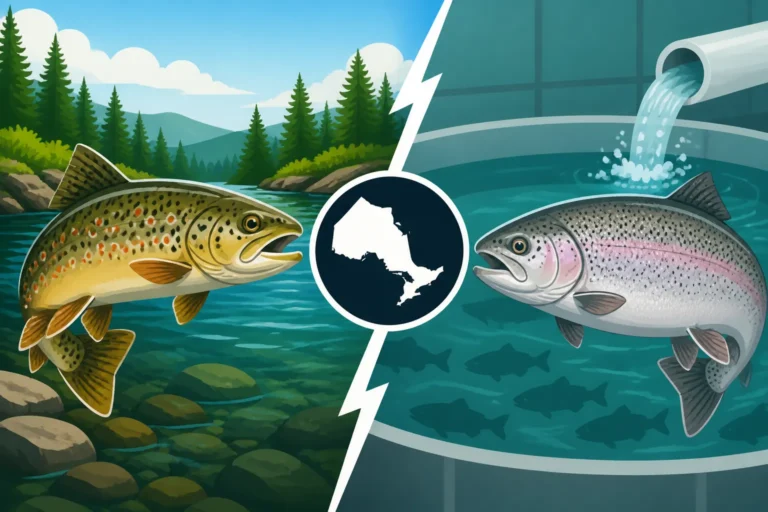
For many anglers, the pursuit of brown trout in Ontario's streams can feel like chasing a ghost. These cunning fish, often introduced but now thriving in many of our colder waterways, possess an almost legendary wariness that can be incredibly frustrating yet utterly rewarding. This comprehensive guide will peel back the layers of mystery surrounding brown trout habits, helping you understand their preferred haunts, feeding patterns, and seasonal movements, so you can increase your chances of success.
Understanding Brown Trout Habitat Preferences
Brown trout are incredibly adaptable, but they certainly have their favourite types of real estate in Ontario's diverse river systems. Knowing where they like to hang out is the first step to finding them, and it's often dictated by factors like water temperature, cover, and food availability.
Cold, Well-Oxygenated Water is Key
Unlike some of our native species, brown trout really thrive in colder water. They prefer temperatures typically ranging from about 10 to 18 degrees Celsius (50 to 65 degrees Fahrenheit). If the water gets too warm, especially over 20 degrees Celsius, they become stressed, lethargic, and far less active. This is why you often find them in spring-fed streams or rivers that receive a consistent influx of cold, clean groundwater. These cold pockets are their sanctuary, particularly during the dog days of summer when other parts of the river might become too warm. They also need well-oxygenated water, which is usually a given in faster-moving sections of streams and rivers, or where there's good aeration from riffles and small falls.
Imagine a sweltering July afternoon on a local stream. You might walk for kilometres seeing very little action. But then, you stumble upon a bend where a cold spring seep enters the main flow, creating a noticeable temperature drop. This is precisely the kind of spot where brown trout will stack up, seeking refuge from the heat. They'll conserve energy here, waiting for an easy meal to drift by. Similarly, deep pools with constant current also offer thermal stability and higher oxygen levels. When choosing where to focus your efforts, always think about the coldest, clearest, and most oxygen-rich water available, as these are the brown trout's natural strongholds.
The Importance of Cover and Structure
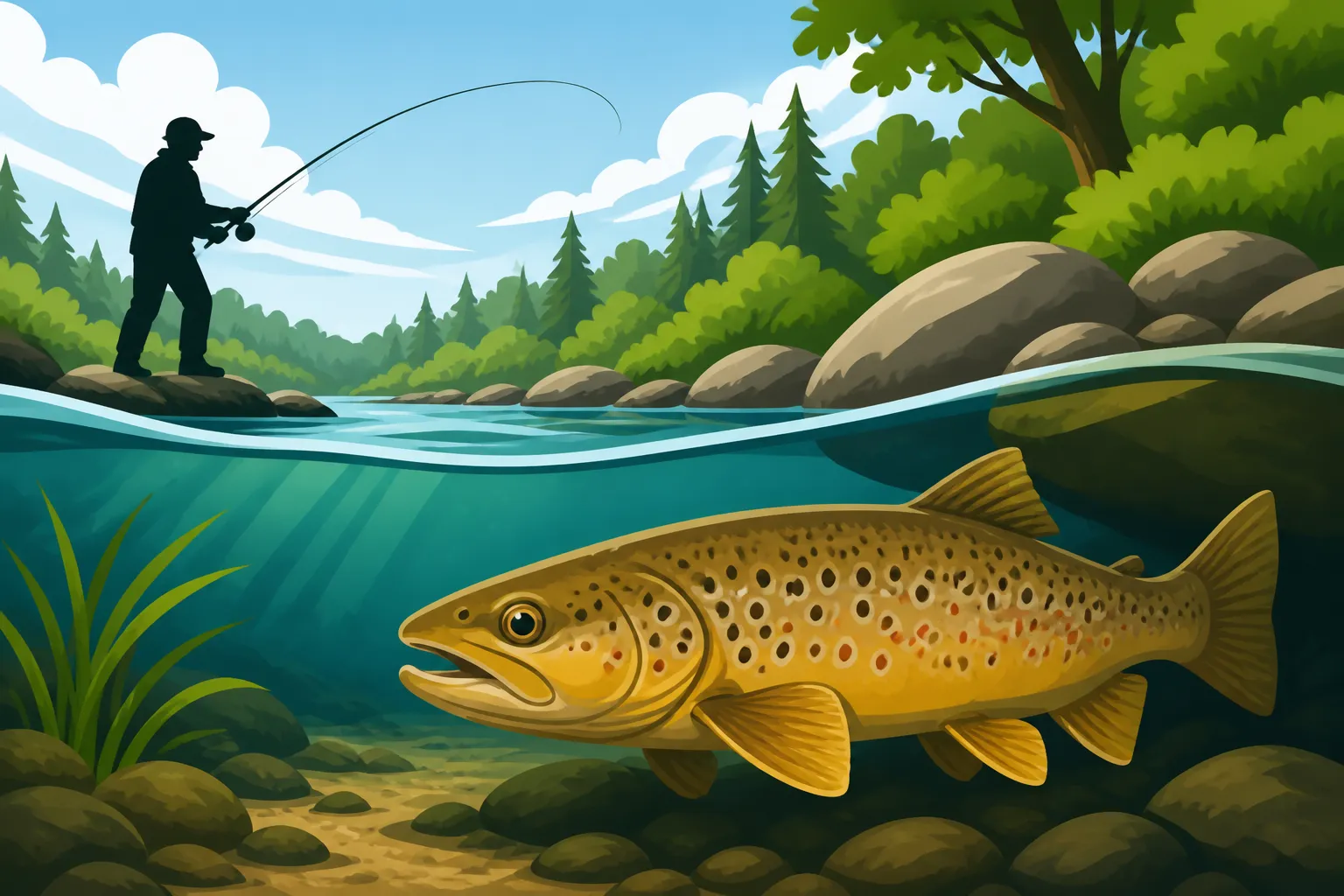
Brown trout are ambush predators, and they are also incredibly wary of overhead predators like eagles, ospreys, and even us anglers! Because of this, they are absolute masters of using cover and structure to their advantage. When you're scouting a stream, look for anything that breaks up the current or provides a hiding spot. This includes undercut banks, submerged logs, fallen trees, large boulders, and deep pools with dark bottoms. These features offer protection from predators, a break from strong currents, and a strategic position from which to dart out and grab passing food.
Consider a large, gnarled log that's been in the water for years, creating a deep scour hole beneath it. That log isn't just a snag; it's a prime brown trout apartment. The fish can sit in the shadow and slack water, completely hidden from above, while watching the main current for drifting insects or baitfish. Or think about a deep, dark pool with an overhanging willow tree. The roots provide cover, the shadows from the tree offer concealment, and any insects falling from the leaves become an easy meal. When you approach these areas, do so with extreme stealth. Any sudden movement or shadow can send a brown trout fleeing for deeper cover. You'll often find that the biggest, most cautious brown trout hold in the most complex and secure pieces of structure.
Brown Trout Feeding Habits and Diet
Brown trout are opportunistic feeders, but they also have distinct preferences that change with the seasons and the availability of food. Understanding what they're looking for will significantly help you choose the right fly or lure.
Insectivores, Crustaceans, and Small Fish
Younger brown trout, often called parr, primarily feed on aquatic insects like mayfly nymphs, caddisfly larvae, and stonefly nymphs. As they grow, their diet expands. While they'll continue to feast on insects, both aquatic and terrestrial (think grasshoppers and beetles falling into the water), larger browns become increasingly piscivorous, meaning they eat other fish. This is where their reputation as "meat eaters" comes from. They'll prey on minnows, sculpins, dace, and even smaller trout. Don't be surprised if a trophy brown trout has a diet dominated by baitfish. They're also not above munching on crayfish, leeches, and even small rodents or frogs if the opportunity arises.
Think about a spring day on an Ontario river where you're seeing sporadic hatches of early-season mayflies. A small brown trout might be actively rising, sipping these insects off the surface. Fast forward to late summer, and that same trout, now larger, might be tucked under an undercut bank, waiting for a vulnerable sculpin to drift by. This dietary shift means you can't always approach brown trout fishing with the same tactics. Carrying a variety of imitations, from tiny dry flies to bulky streamer patterns, is crucial. If you're not getting bites on nymphs, consider switching to a minnow imitation, especially if you suspect bigger browns are present.
Seasonal Diet Changes and Opportunistic Feeding
The diet of brown trout isn't static; it shifts with the seasons, reflecting what's most abundant and accessible in their environment. In spring, as water temperatures rise, insect activity explodes. Mayflies, caddisflies, and stoneflies begin hatching, and trout key in on these emerging insects. This is often a fantastic time for nymphing and, when conditions are right, dry fly fishing. As summer progresses, terrestrial insects like ants, beetles, and grasshoppers become more prevalent, falling into the water from overhanging vegetation. Larger browns might also become more aggressive towards baitfish as they grow and need more sustenance.
Come autumn, brown trout, especially the larger ones, go into a pre-spawn feeding frenzy. They pack on calories for the rigours of spawning, making them more aggressive towards bigger meals like baitfish and larger insect patterns. This can be one of the best times to target trophy browns with streamers. Even in winter, when insect activity slows significantly, brown trout will still feed, albeit more slowly. They might target nymphs, midge larvae, or even opportunistic small baitfish in deeper, slower pools. This constant adaptation means that successful brown trout anglers are always observing their environment, "matching the hatch" of both insects and baitfish, and aren't afraid to experiment with different patterns.
Brown Trout Spawning and Reproduction
Understanding the brown trout's reproductive cycle isn't just for biologists; it's vital for anglers who care about the long-term health of our fisheries and want to be ethical in their approach.
Fall Spawning Season (Redds)
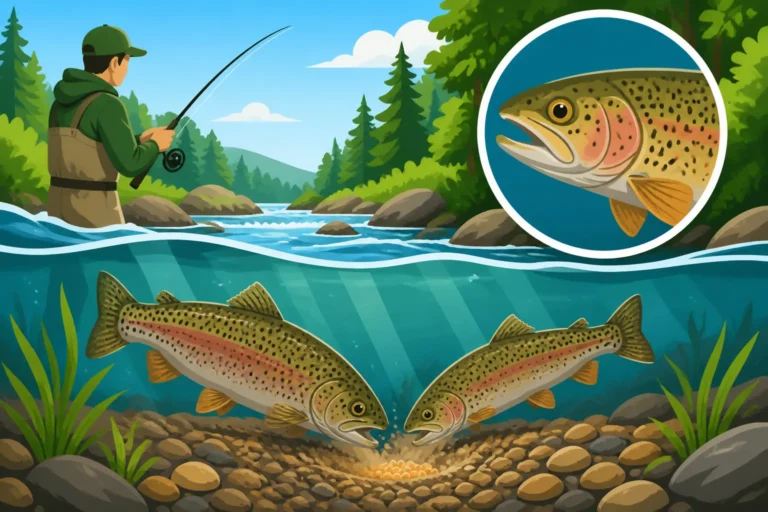
Brown trout are fall spawners in Ontario. Typically, their spawning season runs from late October through November, though it can extend into early December depending on water temperatures and specific geographic location. During this time, they migrate to shallower, gravelly areas of streams, often at the tail end of pools or in riffle sections with good current and clean, oxygenated water. The female brown trout, with the help of the male, constructs a "redd" – a nest in the gravel where she deposits her eggs. She does this by turning on her side and vigorously fanning her tail to excavate a depression in the stream bed. Once the eggs are laid and fertilized, she covers them with gravel to protect them.
This process is incredibly vulnerable. The eggs remain in the gravel throughout the winter, slowly developing, before hatching in early spring. It's paramount for anglers to be aware of spawning areas and to avoid disturbing them. Walking through active redds can destroy eggs, and targeting actively spawning fish can disrupt the process and negatively impact future generations. Respecting these sensitive periods and areas is a hallmark of responsible angling. Many experienced anglers will switch to other species or areas during the peak of the trout spawn, understanding the importance of giving these fish space to ensure successful reproduction.
Post-Spawn Behavior and Recovery
After the rigours of spawning, brown trout are often exhausted and in need of recovery. Their energy reserves are depleted, and they can be quite thin. For a period after spawning, they may be less active in terms of feeding, focusing more on finding sheltered areas to recuperate. As water temperatures continue to drop into late fall and early winter, their metabolism slows down, and they seek out deeper, slower pools or sections of the river that offer stable temperatures and minimal current.
However, once they've had a chance to rest and regain some strength, they will begin to feed again, often aggressively, to rebuild their body mass. This post-spawn feeding can sometimes offer excellent angling opportunities, particularly in late fall and early winter, as the fish are hungry but perhaps not as wary as they were during the peak summer months. They'll often respond well to larger, protein-rich patterns like streamers or heavy nymphs. Knowing this recovery period means you can target them effectively without interfering with their critical reproductive cycle, ensuring both good fishing and healthy populations.
Seasonal Movements and Activity Patterns
Brown trout are not static creatures; their location and activity levels fluctuate throughout the year in response to environmental factors like temperature, water levels, and food availability.
Spring and Early Summer: Emerging Activity
As the ice recedes and spring arrives in Ontario, brown trout become increasingly active. Rising water temperatures signal the start of increased insect hatches, and trout move out of their deeper wintering pools into areas with more current and food. You'll often find them in riffles and runs, actively feeding on emerging nymphs and early-season hatches. This is a prime time for both nymphing and, if conditions allow, dry fly fishing. The fish are often hungry after a long winter and can be more aggressive, making for some exciting fishing.
However, spring also brings fluctuating water levels from snowmelt and rain. High, murky water can make fishing challenging. Brown trout might hug the banks in slower eddies or tuck behind obstacles to avoid the main force of the current. As spring transitions into early summer, the activity continues, but warmer temperatures start to push the fish towards their thermal refuges. You might find them spreading out more in the early part of the season, exploring more of the stream, before eventually concentrating in cooler spots as the summer heat truly sets in. This period often sees strong evening hatches, and the fish can be more willing to rise to dry flies.
Mid-Summer: Seeking Cool Water Refuges
Mid-summer can be the trickiest time to target brown trout in many Ontario streams. As air and water temperatures climb, brown trout actively seek out their preferred cool water refuges. This often means deep pools, areas with cold spring inflows, or sections of stream shaded by dense canopy. Their activity levels might decrease significantly during the hottest parts of the day, and they'll conserve energy, only feeding opportunistically or during cooler periods like dawn, dusk, or even overnight.
During this time, presenting flies and lures delicately and precisely becomes even more critical. They are often holding tight to cover and are less willing to move far for a meal. You might need to scale down your presentations, use longer leaders, and focus on precise drifts. Fishing during the cooler parts of the day, like early mornings or late evenings, can be much more productive. It's also a time when many ethical anglers consider giving the fish a break, especially if water temperatures are consistently high, as the stress of being caught in warm water can be detrimental to the fish's survival. Always check local regulations, as some areas may have specific closures or restrictions during extreme heat.
Fall and Early Winter: Pre-Spawn and Recovery Feeds
Fall is arguably one of the most exciting times to fish for brown trout in Ontario. As water temperatures begin to drop, brown trout become incredibly active and aggressive. They enter their pre-spawn feeding phase, packing on calories to prepare for the rigours of reproduction. This is when you can often find some of the largest, most aggressive browns willing to chase streamers and larger nymph patterns. The fish are often more spread out and actively patrolling prime feeding lanes.
Once spawning is complete in late fall and early winter, the fish enter a recovery phase, but they will still feed. Their metabolism slows, but they still need to replenish energy. You'll typically find them in deeper, slower pools or areas with good cover, but they'll often move to feed during brief windows of opportunity. This period can offer rewarding fishing for those willing to brave the colder temperatures, often with subsurface presentations. The table below summarizes some key seasonal patterns:
| Season | Water Temperature (Approx.) | Primary Food Source | Typical Location | Angling Strategy (General) |
|---|---|---|---|---|
| Spring | 8-15°C (46-59°F) | Emerging aquatic insects, baitfish | Riffles, runs, current seams, recovering from spawn | Nymphing, streamer fishing, early dry flies |
| Early Summer | 14-18°C (57-65°F) | Aquatic insects (hatches), terrestrials, baitfish | Runs, pools, shaded areas | Dry fly fishing, nymphing, small streamers |
| Mid-Summer | 17-21°C (63-70°F) | Terrestrials, opportunistic insects, baitfish | Deep pools, cold springs, heavy cover | Finesse nymphing, small dry flies, night fishing |
| Fall | 10-16°C (50-61°F) | Baitfish, large aquatic insects, terrestrials | Runs, pools, pre-spawn staging areas | Streamer fishing, large nymphs, baitfish imitations |
| Early Winter | 4-9°C (39-48°F) | Nymphs, midge larvae, small baitfish | Deep, slow pools, heavy cover | Deep nymphing, slow streamer retrieves |
Angling Considerations for Ontario Brown Trout
Successfully targeting brown trout requires a blend of knowledge, stealth, and adaptability. These fish demand respect and often reward patience.
Stealth and Presentation are Paramount
I cannot stress this enough: brown trout are incredibly spooky. They have excellent eyesight and are acutely aware of their surroundings. Any sudden movement, a shadow cast over the water, or a heavy footfall on the bank can send them scattering. This is especially true for larger, older fish that have survived multiple encounters with predators and anglers. When approaching a potential brown trout lie, do so slowly, quietly, and from a low profile. If you can, approach from downstream, working your way up, as trout typically face upstream to feed.
Your presentation also needs to be impeccable. Whether you're casting a fly, a spinner, or drifting bait, it needs to look natural. For fly anglers, this means drag-free drifts that mimic a natural insect floating downstream. For spin anglers, it means casting accurately and retrieving your lure in a way that imitates an injured baitfish or a struggling insect. Using lighter leaders and tippets can help with natural presentation, but you'll need to balance that with the breaking strength required for a powerful fish. A quality pair of polarized sunglasses, available on Amazon, can also give you an invaluable edge in spotting fish or subtle structure without spooking them. Wading Techniques for Ontario Trout Streams is an excellent resource to learn more about silent approaches.
Matching the Hatch (and the Menu)
Just like cooking for a discerning diner, knowing what's on the brown trout's menu is crucial. "Matching the hatch" is a fly fishing adage that applies to all forms of trout fishing. It means selecting a fly or lure that closely imitates the natural food sources available at that specific time and place. This involves observing what insects are flying around, what nymphs or larvae you might find under rocks, or what baitfish are present in the stream. If you see fish rising, look for the size, shape, and colour of the insects they are eating and choose a dry fly that matches. If you're fishing subsurface, consider what nymphs or baitfish would be common in that environment.
But matching the hatch isn't just about insects. If you know a stream has a healthy population of sculpins, using a streamer pattern that mimics a sculpin can be incredibly effective, especially for larger browns. Similarly, if crayfish are abundant, a crayfish imitation can be deadly. Sometimes, an "attractor" pattern – a brightly coloured or unusually shaped lure that doesn't imitate anything specific but triggers an aggressive strike – can also work, especially when fish are in an aggressive mood, like during the fall pre-spawn. Having a diverse tackle box, easily assembled from components found on Amazon, with various imitations will equip you for changing conditions. You might find a lot of useful information in Fly Patterns for Ontario Trout Streams to guide your choices.
Gear Considerations for Stream Fishing
The right gear makes a huge difference when chasing brown trout. For fly fishing, a 9-foot rod in a 4- to 6-weight class is a versatile choice for most Ontario streams, capable of handling everything from small dry flies to modest streamers. A matching reel with a smooth drag and appropriate fly line (weight-forward floating line is a good all-rounder) is essential. Don't forget a selection of leaders and tippets in various strengths. For spin fishing, a light to medium-light spinning rod, around 6 to 7 feet long, paired with a small spinning reel spooled with light monofilament or braided line, is ideal.
Waders and wading boots are practically non-negotiable for stream fishing, allowing you to access prime spots and position yourself for better presentations. Look for breathable waders for comfort, and sturdy boots with good ankle support and felt or rubber soles for grip on slippery rocks. A quality net with a rubberized mesh is also vital for safely landing and releasing fish, minimizing harm. Don't forget essential accessories like forceps for hook removal, a small tackle bag or vest to keep your gear organized, and a hat to reduce glare. Many excellent options for Best Waders for Ontario Trout Streams and Best Gear for Ontario Trout Fishing can be found, often with reviews to guide your choice.
Conservation and Ethical Angling
Finally, and most importantly, our role as anglers includes being stewards of these precious resources. Practicing catch-and-release, especially for larger, wild brown trout, helps sustain populations and ensures future generations can enjoy the same sport. Handle fish gently, keep them in the water as much as possible, and revive them properly before release. Use barbless hooks to minimize damage and make hook removal easier. Always know and follow the specific regulations for the waters you are fishing, as limits and special rules can vary significantly even within a short distance.
Educate yourself on trout identification; sometimes distinguishing between species can be tricky, and Trout Species Identification Guide for Ontario can be very helpful. Being mindful of water temperatures, particularly in summer, is also key. If the water is too warm, brown trout are already stressed, and fighting them can push them past their limit. Consider postponing your trip or targeting other species if conditions are unfavourable for trout survival. Our collective actions directly impact the health of Ontario's brown trout streams, and a thoughtful, conservation-minded approach ensures these beautiful, challenging fish continue to thrive.
Disclaimer
This article is for general informational purposes only and does not constitute professional advice. Laws, prices and regulations vary by location and change over time. Consult a qualified professional for guidance on your specific situation.