Lake Trout Spawning Season in Ontario
Understanding the intricate dance of nature is key for any responsible angler, and few spectacles are as vital to the future of our fisheries as the spawning season of lake trout. Many anglers, myself included, have found themselves scratching their heads, wondering why their favourite lake trout spots suddenly seem dead, or conversely, why fish appear in unexpected shallow areas. It's often because the lake trout are preoccupied with their most important task: ensuring the next generation. This comprehensive guide will help you unravel the mysteries of the lake trout spawning season in Ontario, from timing and location to the critical role anglers play in their conservation.
Understanding the Lake Trout Spawning Cycle in Ontario
Lake trout (Salvelinus namaycush) are magnificent creatures, revered by anglers across Ontario for their beauty, fighting spirit, and delicious table fare. But beyond their recreational value, these fish have a fascinating and crucial life cycle, central to which is their annual spawning ritual. Unlike many other species, lake trout spawn in the fall, a characteristic that often catches less experienced anglers off guard. Knowing when and why they undertake this journey is the first step in becoming a more informed and ethical participant in Ontario's fishing heritage.
The Annual Timeline: When and Why
The lake trout spawning season in Ontario typically kicks off in the fall, generally spanning from late September through to late October or even early November, depending on the specific lake and geographic location. Think about the crisp autumn air, the turning leaves, and the first hints of ice on shallow bays – that's often when these fish are preparing for their big event. This timing is unique because most other prominent game fish like walleye or pike spawn in the spring. Lake trout, being cold-water species, rely on the cooling water temperatures to trigger their reproductive cycle. They are looking for specific conditions that ensure the survival of their eggs through the long winter months, which will eventually hatch in the spring. It's a testament to their resilience and adaptation to the often harsh northern environment.
Why do they spawn in the fall? The primary reason is to give their eggs the optimal conditions for incubation and hatching. Laid in the fall, the eggs have the entire winter to develop slowly under a protective blanket of ice and snow, safe from many predators that are less active in the cold. By the time spring arrives, with its increasing daylight and warming waters, the fry are ready to hatch, finding themselves in a nutrient-rich environment as ice melts and aquatic life begins to flourish. This strategic timing gives the young lake trout a head start, positioning them to grow and thrive before the intense competition and predation pressures of summer truly set in.
Environmental Triggers: Temperature and Light
The exact start and end dates of the lake trout spawn aren't fixed to a calendar date but are instead dictated by a combination of environmental cues, primarily water temperature and daylight hours. As the days shorten and the nights grow longer through late summer and early fall, the lake water begins to cool. Lake trout are particularly sensitive to these changes. The magic temperature range for spawning activity usually falls between 8 to 12 degrees Celsius (46 to 54 degrees Fahrenheit). Once the water in their preferred spawning areas consistently hits this temperature window, the fish begin their movements.
Light intensity also plays a role, though temperature is the dominant driver. The decreasing photoperiod signals to the fish that winter is approaching, reinforcing the biological imperative to spawn. This means that in northern Ontario, where autumn arrives earlier and temperatures drop faster, the spawn might begin in late September. Further south, say in Lake Simcoe or even parts of Georgian Bay, it might be pushed back into mid-October. Heavy rainfall or prolonged warm spells can delay the onset, while an early cold snap can speed it up. As anglers, paying attention to these environmental factors, rather than just the calendar, can give you a much better understanding of the fish's activity.
Pre-Spawn Behavior and Migration
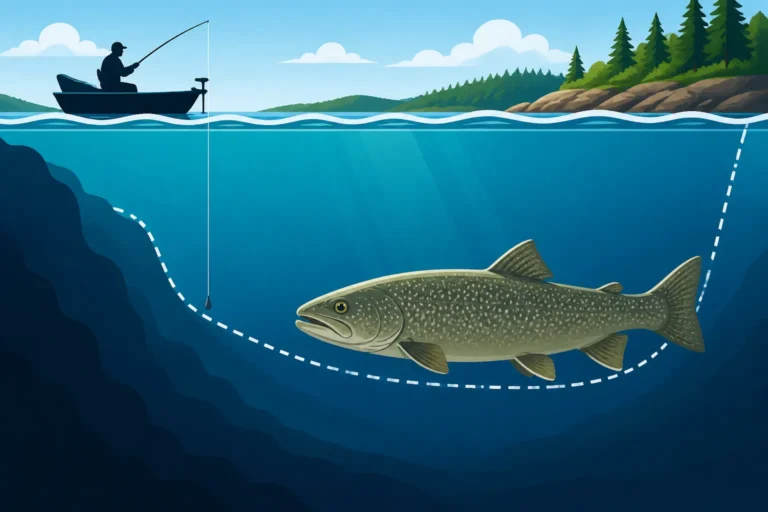
Before the actual egg-laying begins, lake trout undergo a significant period of preparation, marked by changes in behavior and often extensive migrations. Throughout the summer, these fish typically inhabit deeper, cooler parts of a lake, often suspending over deep basins or relating to deep structure. As fall approaches and surface waters cool, they begin to move shallower, congregating near their ancestral spawning grounds. This pre-spawn period is characterized by increased feeding activity as the fish gorge themselves to build up energy reserves for the strenuous act of spawning and the lean winter months ahead.
You might notice lake trout that were previously elusive in the depths suddenly appearing on sonar in shallower areas, or even being caught incidentally by anglers targeting other species closer to shore. They are undertaking what could be long journeys, sometimes traveling several kilometers, to reach specific rocky shoals or reefs that offer the ideal conditions for their eggs. This migration is driven by instinct, a powerful urge to reproduce in the same areas where they themselves were born. Understanding these movements can be crucial for an angler, not just for fishing success, but for knowing when to exercise extra caution and give the fish their space.
Identifying Prime Lake Trout Spawning Habitats
Knowing when lake trout spawn is only half the battle; knowing where they do it is equally, if not more, important for both conservation and understanding their life cycle. Lake trout are very particular about their spawning sites, seeking out specific conditions that will protect their precious eggs through months of cold water and ice. These locations are often consistent year after year, forming critical habitats that are essential to the long-term health of the population.
Rocky Shoals and Reefs: The Ideal Nursery
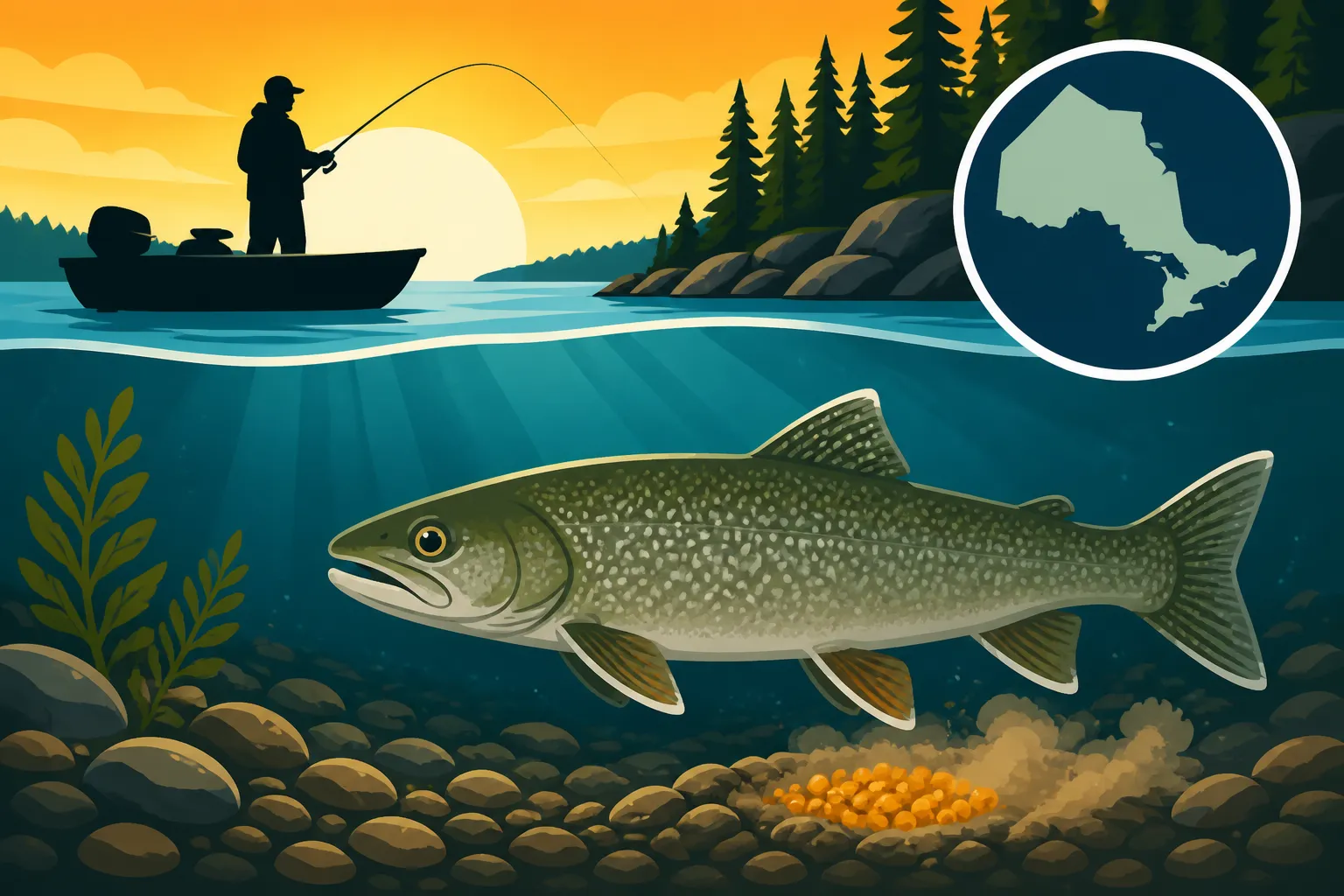
When lake trout are looking for a place to lay their eggs, they are almost exclusively drawn to specific types of underwater structure: rocky shoals, reefs, and points. These aren't just any rocks; they are typically large, clean, fist-sized to football-sized rubble or broken rock, free of silt and vegetation. The irregular spaces between these rocks provide vital cover and aeration for the eggs, protecting them from strong currents, siltation, and predators. The eggs will settle into these interstitial spaces, where they remain oxygenated by the natural movement of water and are cushioned from the elements.
These prime spawning areas are often found near current, such as points extending into open water or wind-swept shorelines, where wave action helps keep the rocks clean and provides constant oxygenation. Sometimes, they're isolated underwater reefs far from shore, hidden gems only discoverable with good sonar and careful mapping. Other times, they can be found on specific stretches of shoreline that are exposed to prevailing winds and waves, creating that ideal clean rock substrate. Anglers who spend time exploring a lake with their electronics will often discover these productive, hard-bottomed areas that scream "lake trout."
Depth and Substrate Preferences
While lake trout are deep-water fish for much of the year, their spawning activities bring them into surprisingly shallow water, often ranging from just a few feet down to about 20 or 30 feet. The exact depth can vary depending on the lake's clarity, depth profile, and available substrate. In very clear, oligotrophic lakes, they might spawn a bit deeper to avoid excessive light, while in shallower, more stained waters, they could be quite close to the surface. The key is always that clean, rocky bottom. This specific depth range also places them in a thermal zone that aids egg development.
The substrate itself is paramount. You won't find lake trout spawning on sandy flats, silty bottoms, or dense weed beds. These environments would smother their eggs, depriving them of oxygen and making them highly vulnerable to fungal growth and predation. Instead, they seek out areas where the gravel and rock are exposed and stable, offering a secure cradle for the next generation. This preference for specific bottom types means that anglers who understand this can often identify potential spawning grounds simply by studying bathymetric charts or using their fish finders to locate hard-bottom transitions. For those serious about finding these spots, mapping software and good sonar are invaluable tools, many of which can be found on platforms like Amazon.
Accessing Spawning Grounds: Challenges for Anglers
For anglers, identifying and accessing lake trout spawning grounds can present both challenges and ethical considerations. During the prime spawning window, many of these areas, especially the shallower ones, might be exposed to heavy winds or rapidly dropping temperatures, making boating difficult or even hazardous. Furthermore, the fish themselves are highly concentrated and often quite vulnerable in these locations. Knowing these spots means understanding their importance and, perhaps, choosing to avoid them during the most critical times.
In some lakes, spawning areas are well-known to local anglers and can see increased pressure. This is where responsible angling truly comes into play. Even if fishing is technically allowed, a true conservation-minded angler might choose to target other species or give those specific areas a wide berth during the peak spawn. This is not just about adhering to regulations, but about respecting the fish and their crucial life cycle. Understanding the location of these spawning beds helps you make informed decisions about where and when to cast your line, ensuring that you're part of the solution for sustainable fishing.
| Spawning Condition Feature | Description | Importance for Lake Trout |
|---|---|---|
| Water Temperature | 8-12°C (46-54°F) | Triggers spawning, optimal for egg development |
| Photoperiod | Decreasing daylight hours | Secondary trigger, signals seasonal change |
| Substrate | Clean, fist-to-football sized rock/rubble | Protection from predators, prevents siltation, provides oxygenation |
| Depth | Typically 5-30 feet, varying by lake clarity | Optimal temperature range, avoids excessive light/predation |
| Location | Wind-swept rocky shoals, reefs, points | Wave action keeps rocks clean, good oxygen flow |
| Current | Mild currents often present | Helps with egg aeration and debris removal |
| Predator Avoidance | Rubble provides refuge for eggs | Protects eggs from consumption by other fish |
The Impact of Spawning on Lake Trout Behavior and Fishing
The spawning season brings about a dramatic shift in lake trout behavior, moving them from their typical deep-water haunts to shallower, more accessible areas. For anglers, this change can be a double-edged sword: fish are concentrated, but their focus is entirely on reproduction, not necessarily on feeding. Understanding these behavioral changes is crucial for any angler hoping to ethically and successfully pursue lake trout during this sensitive time.
Changes in Feeding Patterns
During the pre-spawn period, lake trout are often aggressive feeders, packing on calories in preparation for the energy-intensive act of spawning. This can sometimes lead to fantastic fishing as they actively chase down baitfish or strike at various lures. However, once the actual spawning ritual begins, their feeding drive significantly diminishes. Their focus shifts from foraging to reproduction. Males will guard territories, females will be preoccupied with egg deposition, and neither will be particularly interested in pursuing a meal. This doesn't mean they won't strike a lure at all; sometimes a territorial strike, or a reaction bite due to a lure invading their space, might occur. But it's generally not driven by hunger.
Anglers might find that while fish are present, they are much harder to entice with typical feeding presentations. Techniques that worked wonders in the pre-spawn can become completely ineffective. This is a clear indicator that the fish are engaged in spawning activities. Recognizing this shift is important for respecting the fish's natural cycle. If the bites drop off dramatically despite seeing fish on your sonar in spawning areas, it's a strong signal that they are actively spawning and are highly vulnerable. This is a time when conservation ethics should take precedence over chasing a bite.
Aggression and Territoriality
One notable behavioral change during the spawn, particularly among male lake trout, is an increase in aggression and territoriality. Males will often stake out a patch of rocky bottom and actively defend it from other males and perceived threats. This territorial defense isn't about feeding, but about securing prime real estate for successful reproduction. Sometimes, this aggression can manifest as a strike at a lure. An angler might cast a spoon or a large jig into a spawning bed and get a sudden, violent strike. This isn't necessarily a hungry fish; it's often a fish trying to drive away an intruder.
This territorial behavior makes lake trout particularly vulnerable to angling pressure during the spawn. Because they are focused on defense and are less wary, they might be easier to catch. However, catching a fish that is actively spawning, especially a large, mature female loaded with eggs, can have significant negative impacts on the population. It disrupts their natural behavior, can cause physical harm, and if kept, removes vital reproductive potential from the system. For these reasons, many anglers choose to avoid known spawning areas entirely during the peak spawning window, or at the very least, practice extreme catch and release best practices.
Navigating Regulations During Spawning Periods
Ontario has a robust set of fishing regulations designed to protect fish populations, and these often include specific rules during spawning periods. It’s absolutely critical for every angler to consult the current Ontario Fishing Regulations Explained for the specific Fisheries Management Zone (FMZ) they plan to fish. While lake trout generally have an open season through the fall in many zones, there can be specific restrictions on certain lakes or within particular areas to protect spawning fish.
For example, some lakes might have reduced possession limits during the fall, or even complete closures on known spawning shoals. These regulations are put in place by the Ministry of Natural Resources and Forestry (MNRF) based on scientific data to ensure the long-term sustainability of the lake trout fishery. Ignoring these rules is not only illegal but deeply irresponsible. Always ensure your Ontario Fishing License Guide for 2026 is current and that you understand the specific rules for the waters you intend to fish. A quick check of the regulations can prevent an expensive fine and, more importantly, help protect our precious natural resources for future generations.
Ethical Angling and Conservation During the Spawn
Being an angler in Ontario means being a steward of our natural resources. This responsibility is never more pronounced than during the spawning season of any fish species, especially a majestic and sensitive one like the lake trout. Our actions during this critical time can have a direct impact on the health and future of the fishery. Ethical angling goes beyond simply following the rules; it's about adopting practices that prioritize conservation.
Catch and Release Best Practices
If you do find yourself fishing in an area where lake trout are staging or actively spawning, and you happen to catch one, practicing responsible catch and release is paramount. This means minimizing the fight time, keeping the fish in the water as much as possible, and handling it gently. Avoid dragging the fish onto rocks or a boat deck; instead, unhook it while it's still submerged. Use a rubberized net if possible, as it's much gentler on the fish's slime coat and fins than traditional nylon nets. If you absolutely need a photo, do it quickly and with the fish partially submerged or held horizontally, supporting its full weight.
For a fish that is heavy with eggs, especially a large female, excessive handling or prolonged air exposure can be incredibly detrimental. The stress can lead to mortality or reduce her chances of successfully spawning. If you suspect a fish is ripe with eggs, consider whether it's truly necessary to even land it. Sometimes, a quick release at boatside is the best option. Remember, the goal during this sensitive period is to minimize any impact on the fish, ensuring it can complete its reproductive cycle. For more specific guidance on handling these fish, resources like those on Lake Trout Limit and Possession Rules often provide helpful tips on minimizing harm.
Understanding Lake Trout Vulnerability
During the spawn, lake trout become particularly vulnerable for several reasons. Firstly, they move into shallower water and congregate in predictable areas, making them easier to locate. Secondly, their focus on reproduction means they can be less wary and more susceptible to territorial strikes. Lastly, the physical act of spawning itself, including rubbing against rocks and expending vast amounts of energy, leaves them physically exhausted and potentially bruised. Catching a stressed or injured fish can compound these challenges, making them more susceptible to disease, predation, or simply failing to recover.
It's a stark reminder that while they might seem powerful, lake trout are delicate during this crucial life stage. A mature female lake trout can carry thousands of eggs, and each one represents potential future generations. Removing even one such fish from the spawning population, or causing it undue stress that compromises its spawning success, can have ripple effects for years to come. Recognizing this inherent vulnerability is a cornerstone of responsible fishing.
Supporting Ontario's Conservation Efforts
Beyond individual actions, supporting broader conservation efforts is vital. Ontario's Ministry of Natural Resources and Forestry (MNRF) manages these fisheries through regulations, stocking programs, and habitat protection initiatives. When you purchase an Ontario Fishing License Guide for 2026 or an Ontario Outdoors Card, Explained, a portion of those fees goes directly back into these conservation efforts. Additionally, various local conservation authorities and non-profit organizations work tirelessly to protect and restore critical fish habitats, including lake trout spawning grounds.
Anglers can also contribute by reporting poaching or unusual fish kills, participating in citizen science programs, or advocating for stronger environmental protections. Educating fellow anglers about the importance of the spawn and ethical practices is another powerful way to contribute. By becoming active participants in conservation, we help ensure that species like the lake trout continue to thrive in Ontario's waters, providing fishing opportunities for generations to come. Even looking for educational books or guides about fisheries management on Amazon can be a great way to deepen your understanding and contribute to the collective knowledge.
Post-Spawn Recovery and Winter Habits
Once the whirlwind of spawning is over, lake trout don't simply return to their summer routines. The post-spawn period is a critical phase of recovery and adaptation as the fish transition from the intense demands of reproduction to preparing for the long, cold winter ahead. Understanding this phase helps paint a complete picture of the lake trout's annual cycle and can inform winter fishing strategies.
Exhaustion and Recuperation
The act of spawning is incredibly taxing on lake trout, both physically and energetically. Males expend a tremendous amount of energy defending territories and fertilizing eggs, while females dedicate massive reserves to producing and depositing their eggs. Consequently, immediately after the spawn, fish are often emaciated, bruised, and exhausted. Their bodies are recovering from the physical strain, and their energy stores are severely depleted. During this immediate post-spawn period, their activity levels typically decrease, and they may be less inclined to feed aggressively.
They'll often retreat from the most exposed spawning shoals to slightly deeper, but still relatively shallow, transitional areas where they can recuperate. Think of it as a much-needed rest after a marathon. They might seek out areas with abundant cover, like submerged timber or subtle rock piles, where they can recover away from intense light and potential predators. This recovery period is essential for their long-term survival, allowing them to rebuild their strength before the full onset of winter.
Shifting Feeding Grounds
As they recover from spawning, lake trout will gradually begin to feed again, but their immediate post-spawn diet often consists of easily accessible forage. Their primary goal is to quickly replenish lost energy. They might target smaller baitfish that are still abundant in shallower waters, or even focus on invertebrate life around the edges of their recovery areas. The aggressive, chasing behavior seen in the pre-spawn might not immediately return. Instead, they might be more opportunistic, picking off what's readily available.
As the water continues to cool and winter truly sets in, lake trout will progressively move back towards their preferred deeper, colder water habitats, but often not to the extreme depths they inhabit in summer. They'll follow their primary forage, which might include ciscoes, smelt, or various sculpins, as these baitfish also adjust to the changing conditions. Understanding these subtle movements, often tracking the schools of baitfish, becomes key for anglers looking to locate active lake trout in the late fall and early winter. Tools like a good fish finder, many of which are reviewed and sold on Amazon, become invaluable for locating these schools and the trout that follow them.
Preparing for Ice Fishing Season
For many Ontario anglers, the post-spawn period for lake trout directly precedes the eagerly anticipated ice fishing season. As the lake trout settle into their winter patterns, they become a prime target for ice anglers. While the immediate post-spawn fish might still be a bit sluggish, as they recuperate and temperatures stabilize under the ice, they become more active again, driven by the need to feed. This is when Best Ice Fishing Lakes in Ontario really come alive, and techniques like jigging or tip-ups become highly effective.
Anglers targeting lake trout through the ice often find them relating to offshore structures like humps, reefs, and points that drop into deep water, or suspended over deeper basins near those structures. The same deep-water haunts they use in summer become accessible via ice fishing. Understanding their post-spawn recovery and transition means you'll have a better idea of where to start drilling your holes and what depths to target when the ice finally arrives. For deeper dives into this, articles like Best Techniques for Winter Lake Trout can offer detailed insights into specific strategies.
Disclaimer
This article is for general informational purposes only and does not constitute professional advice. Laws, prices and regulations vary by location and change over time. Consult a qualified professional for guidance on your specific situation.