Ontario record brook trout weight
For many anglers in Ontario, there's a certain fish that captures the imagination like no other: the brook trout. While any brook trout is a beautiful catch, the idea of landing a truly massive one, a fish of provincial record size, becomes a lifelong dream. This guide delves into the impressive history of Ontario's record brook trout, exploring what it takes to find such a magnificent specimen, the prime locations where they might lurk, and the responsible approach to pursuing these legendary fish.
Unveiling Ontario's Current Record Brook Trout Weight
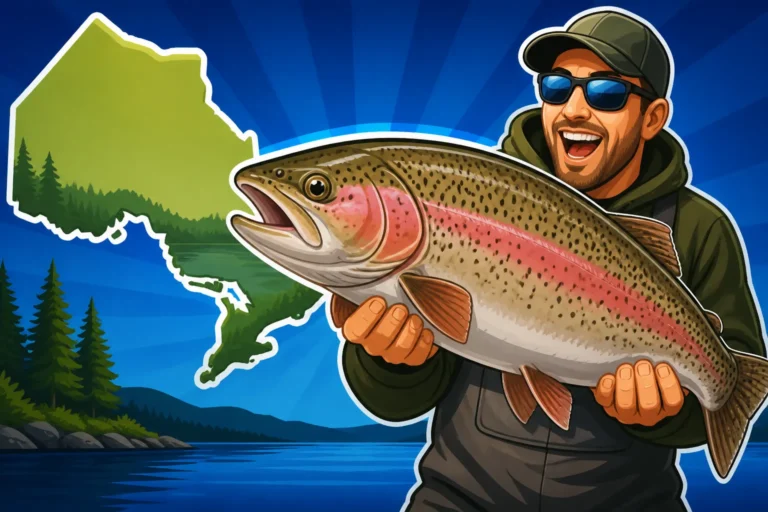
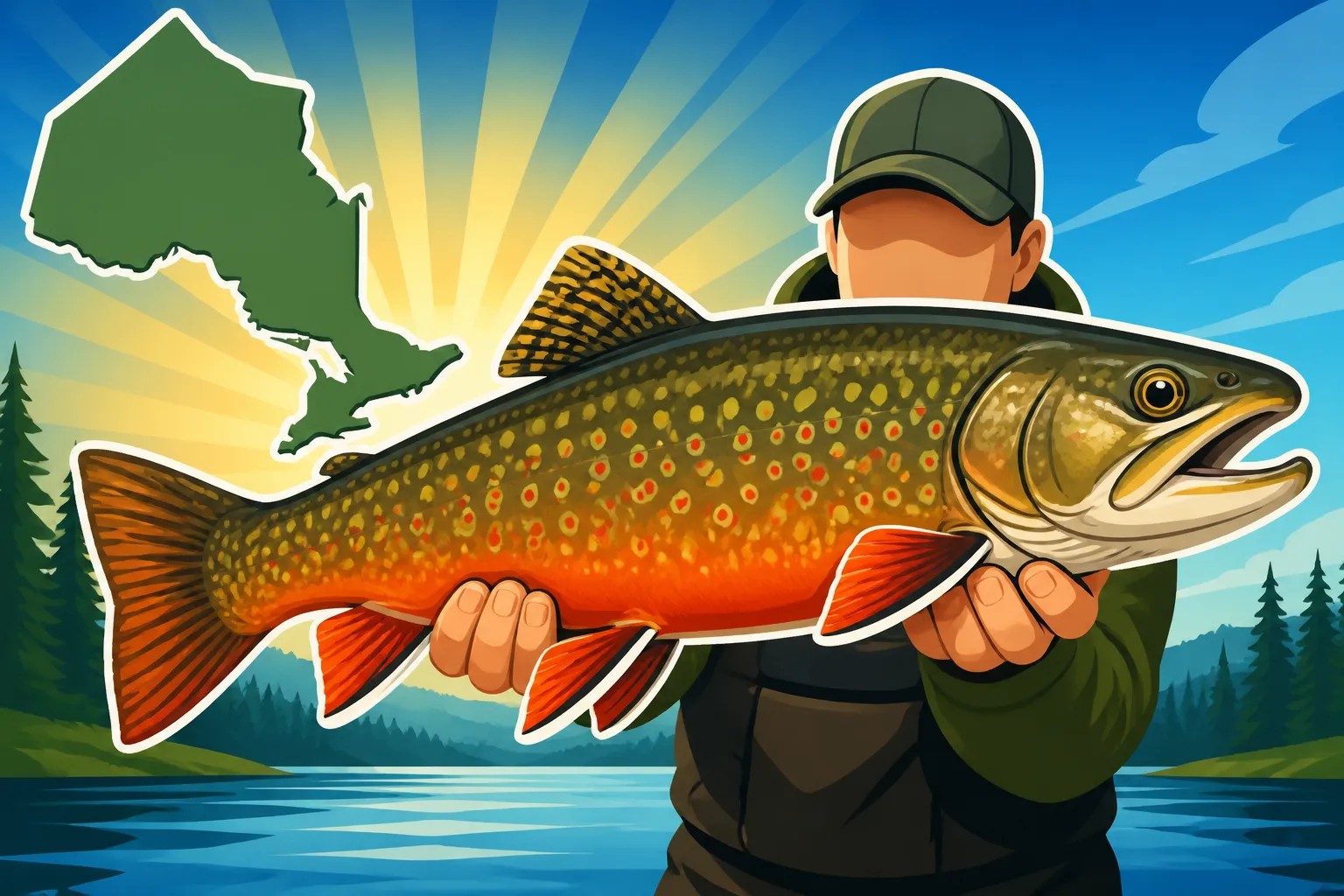
The pursuit of a provincial record is a testament to an angler's skill, dedication, and often, sheer luck. For the venerable brook trout, Ontario boasts a truly impressive benchmark. The current record for brook trout in Ontario stands at an astounding 14.5 pounds. Imagine that – a brook trout, renowned for its vibrant colours and spirited fight, tipping the scales at such an incredible weight. This isn't just a big fish; it's a monumental achievement in angling, a testament to the pristine waters and abundant forage that can exist within Ontario's vast wilderness.
This record fish isn't merely a number; it represents the pinnacle of brook trout growth in our province, a creature that has defied the odds of predation, harsh winters, and angling pressure to reach an extraordinary size. For those of us who spend countless hours casting lines into cold, clear streams and lakes, this figure stands as a beacon of what's possible. It fuels our dreams and pushes us to explore deeper, cast further, and learn more about these incredible native char. Knowing this record helps to put into perspective just how special even a 2-3 pound brook trout truly is, let alone one that approaches double digits. You can explore more about other record-breaking catches in our guide on Ontario Provincial Fish Records by Species.
Why a Trophy Brook Trout is Such a Rare Find
Catching a brook trout is a joyous occasion for most anglers, but hooking one that even comes close to the provincial record is an entirely different league of achievement. These truly massive brook trout are exceptionally rare, not just because they are difficult to catch, but because the conditions required for them to grow to such prodigious sizes are themselves uncommon. It's a confluence of perfect habitat, ample food, and often, limited human interference that allows these fish to thrive and mature.
The Ideal Habitat for Giants
For a brook trout to reach record proportions, it needs an environment that offers everything it could possibly desire. This means exceptionally cold, clear, and highly oxygenated water year-round. Think of deep, spring-fed lakes, remote ponds with stable temperatures, or wilderness rivers with numerous coldwater tributaries. These habitats provide consistent comfort and crucial thermal refuges during warmer months when other species might struggle. Moreover, these waters must also support a rich and diverse forage base. Large brook trout aren't surviving on tiny aquatic insects alone; they need a steady diet of larger prey like baitfish (smelt, ciscoes, minnows), crustaceans, and even small rodents or amphibians that might fall into the water. Without this abundant, protein-rich food source, even the best genetics can't produce a record-sized fish. These environments are often found far from roads and easily accessible areas, requiring significant effort to reach, which helps to preserve their pristine nature.
Genetics and Longevity
Beyond perfect habitat and food, genetics play a pivotal role. Some strains of brook trout simply have the genetic predisposition to grow larger and live longer than others. A record-breaking brook trout isn't just a fish that eats a lot; it's a fish that has lived for many years, often beyond the typical lifespan of its species. This longevity allows it to accumulate size over multiple growing seasons. In colder northern waters, fish tend to grow slower but can often live longer, a crucial factor in achieving immense size. Furthermore, these older, larger fish are often exceptionally wary, having survived countless threats throughout their long lives. They are the apex predators in their small ecosystems, keenly aware of their surroundings, making them incredibly challenging to fool. Understanding the Brook Trout Native Range in Ontario can give you a better idea of where these genetic strongholds might exist.
Fishing Pressure and Accessibility
One of the biggest factors contributing to the rarity of record brook trout is fishing pressure. Easily accessible waters, even if they have good habitat, often see their larger, older fish harvested before they can reach truly exceptional sizes. The more remote a lake or river is, the less fishing pressure it typically receives, giving fish a better chance to mature. This is why many legendary brook trout waters are fly-in lakes or require significant portaging and bushwhacking to reach. Even with responsible catch-and-release practices, a fish that is repeatedly caught can experience stress, which might impact its growth or longevity. The constant interaction with anglers means that the smartest, most elusive fish are the ones that survive to become giants.
Key Regions and Conditions for Chasing Big Brookies
If the dream of a record-class brook trout has taken hold, you're probably wondering where one might even begin to look. While secrecy often surrounds the truly exceptional waters, there are general characteristics and regions within Ontario that offer the best prospects for encountering a true giant. These are not spots for the faint of heart or those seeking instant gratification; they demand patience, dedication, and a willingness to explore off the beaten path.
Northern Ontario's Pristine Wilderness
Without a doubt, Northern Ontario holds the strongest potential for truly large brook trout. The vastness of the Canadian Shield, with its countless lakes and intricate river systems, provides an abundance of remote, untouched waters. Regions like Algoma, the Temagami area, and the vast expanses north of Lake Superior are often mentioned in hushed tones when discussing trophy brookies. These areas are characterized by long, cold winters and relatively cool summers, which are ideal for brook trout. The sheer inaccessibility of many of these lakes means they see minimal fishing pressure, allowing fish populations to thrive and individuals to grow to exceptional sizes. Many of these lakes are only accessible by float plane, or by canoe and extensive portaging, which naturally filters out all but the most determined anglers. If you're looking for an adventure that might lead to a fish of a lifetime, this is where you should be focusing your research and planning. Our guide on Best Fishing Lakes in Ontario might offer some starting points, but for record fish, you'll need to dig much deeper.
Specific Waterbody Characteristics
It's not just where you go, but what kind of water you target within those regions. Look for systems that are spring-fed, as these springs provide a constant source of cold, oxygenated water, which is critical for brook trout survival and growth, especially during warm spells. Deep lakes with expansive coldwater zones and ample forage are prime candidates. Lakes that support a healthy population of baitfish like smelt, ciscoes, or even sculpins are often home to larger brook trout, as these prey items provide the high-calorie diet necessary for rapid growth. Ponds or small lakes connected by cold, flowing creeks, or those that have deep holes and plenty of submerged structure (like fallen timber or rock piles), also offer ideal conditions. These features provide ambush points for predatory brook trout and critical cover from avian or terrestrial predators. Some of the most productive spots are often found near inlets or outlets of these coldwater sources, where baitfish congregate and oxygen levels are highest. You might also find them in unique environments like those explored in How to Catch Trout in a Beaver Pond Stream, though record fish are less common there.
Timing Your Trophy Hunt
While brook trout can be caught throughout the open water season, certain times of year offer better opportunities for truly large specimens. Early spring, shortly after ice-out, can be phenomenal. The fish are often hungry after a long winter and can be found closer to the surface or in shallower areas, making them more accessible. As summer progresses and water temperatures rise, large brook trout retreat to deeper, cooler waters, making them harder to locate. This requires specialized techniques like deep trolling or jigging. Fall, particularly the pre-spawn period, can also be incredibly productive. As brook trout prepare for spawning, they become more aggressive and often move into shallower areas, rivers, or specific shoals, making them more vulnerable to anglers. This is when they are often at their heaviest, having fattened up for the strenuous spawning process. However, this is also a critical time for the fish's reproduction, so responsible angling and catch-and-release are paramount.
Essential Gear and Techniques for Record-Class Brook Trout
Pursuing a record brook trout demands a thoughtful approach to gear and technique. These are not your average panfish; they are powerful, often elusive predators that will test your equipment and your angling skill. While the thrill of the chase is immense, having the right tools can make all the difference when that once-in-a-lifetime fish decides to bite.
Fly Fishing vs. Spin Fishing for Big Brookies
Both fly fishing and spin fishing have their merits when targeting large brook trout, and the choice often comes down to personal preference, the specific water being fished, and the conditions.
Fly Fishing: Many purists opt for fly fishing, especially in the more pristine, remote waters where brook trout thrive. A 4- to 6-weight fly rod, paired with a matching reel and a floating or sinking-tip line, is typically sufficient. The delicate presentation of a fly can be incredibly effective on wary fish, particularly in clear water or during insect hatches. Large streamers mimicking baitfish (like Leech patterns, Woolly Buggers, or Muddler Minnows) are excellent for targeting bigger, predatory brook trout. Nymphs and dry flies can also be deadly when fish are keying in on specific insect stages. The ability to "match the hatch" with flies, or to subtly drift a streamer through prime holding water, often makes fly fishing exceptionally rewarding. For more on this, check out Fly Fishing for Trout in Ontario and Best Fly Rods for Ontario Trout Streams.
Spin Fishing: For those who prefer spin fishing, a lightweight to medium-light spinning rod (6-7 feet long) paired with a high-quality spinning reel spooled with 6-8 pound fluorocarbon or braided line with a fluorocarbon leader is a great choice. Small spoons (like Little Cleos, Williams Wablers), spinners (Mepps, Panther Martin), and minnow-imitating crankbaits (Rapala, Rebel) are all effective. The advantage of spin fishing lies in its ability to cover water quickly, cast longer distances, and fish deeper more easily, which can be crucial when large brook trout retreat to cooler depths. It also requires less specialized technique, making it accessible to a broader range of anglers.
Specialized Tackle Recommendations
Beyond the basic rod and reel, certain specialized tackle can significantly improve your chances and experience when targeting large brook trout.
- Line Choice: Opt for quality line. If using braided line for spin fishing, a fluorocarbon leader of 6-10 lb test is essential for stealth and abrasion resistance. For fly fishing, a strong tippet (3X-5X) is important, especially when using larger streamers.
- Lures & Flies: Carry a diverse selection. For spin anglers, consider some larger, heavier spoons or deep-diving crankbaits for probing deeper water. For fly anglers, stock up on various streamer sizes and colors, and don't forget some weighted nymphs for getting down quickly. Looking for specific patterns? Our guide Best Flies for Brook Trout on Crown land lakes has you covered.
- Waders & Boots: If you're wading rivers or shallow lake edges, comfortable, durable waders and sturdy wading boots with good grip are a must. Many anglers find great options on Amazon, where reviews can help you pick the best fit and durability for your budget.
- Net: A good quality, rubberized landing net is crucial for safe catch-and-release. The rubber mesh protects the fish's delicate slime coat.
- Camera & Scale: If you're serious about documenting a potential record, a waterproof camera and a certified, accurate digital scale are indispensable. You can find many reliable, portable scales on Amazon that fit easily into a tackle bag.
Here's a quick comparison of gear considerations:
| Gear Category | Fly Fishing | Spin Fishing |
|---|---|---|
| Rod Weight/Power | 4-6 weight, moderate action | Light to Medium-light, fast action |
| Reel | Disc-drag fly reel, matching rod weight | High-quality spinning reel, smooth drag |
| Line | Weight-forward floating or sinking-tip line | 6-8 lb fluorocarbon or braided with fluoro leader |
| Lures/Flies | Streamers, large nymphs, terrestrial patterns | Spoons, spinners, small minnow crankbaits |
| Leader/Tippet | 3X-5X fluorocarbon tippet | 6-10 lb fluorocarbon leader |
| Net | Rubberized, medium-sized landing net | Rubberized, medium-sized landing net |
| Accessories | Fly box, forceps, nippers, wading staff | Tackle box, pliers, line clippers, measuring tape |
Reading the Water and Approaching Carefully
No matter your gear, your ability to read the water and approach it stealthily is paramount when hunting trophy brook trout. These fish are incredibly wary, especially in clear, shallow waters. Look for subtle signs: changes in current, seams where fast water meets slow, submerged structure like logs or boulders, undercut banks, and deep pools. In lakes, focus on drop-offs, points, areas with submerged timber, and especially where cold springs enter the lake.
Approach quietly, keeping a low profile. Long casts are often necessary to avoid spooking fish. Pay attention to shadows and sun angles, and avoid making sudden movements or loud noises. Often, the first cast into a prime spot is your best chance, so make it count. Observe the water for any signs of feeding activity, like rises or baitfish scattering. Remember, these fish have survived for years by being cautious, so you must be even more so. A good pair of polarized sunglasses, available from retailers like Amazon, is invaluable for spotting fish and reading subtle underwater features.
The Ethos of Chasing Records: Respect and Conservation
The pursuit of a record fish, especially a magnificent species like the brook trout, carries with it a profound responsibility. While the dream of etching your name into the angling history books is powerful, it must always be balanced with a deep respect for the fish, its habitat, and the future of the fishery. In Ontario, conservation isn't just a buzzword; it's a critical component of enjoying our natural resources responsibly.
Practicing Responsible Catch and Release
For any trophy-sized fish, and especially for a potential record brook trout, catch and release should be the default practice. These large, older fish are vital to the health and genetics of a brook trout population. They are often the best spawners, contributing significantly to future generations. Releasing them ensures they can continue to reproduce and provides other anglers with the chance to experience the thrill of catching a true giant.
Practicing responsible catch and release involves several key steps:
- Minimize Fight Time: Use appropriate tackle to land the fish as quickly as possible, reducing stress.
- Wet Hands Only: Always wet your hands before handling a fish to protect its delicate slime coat, which is its primary defense against infection.
- Keep it in the Water: Try to keep the fish in the water as much as possible, especially during unhooking and photography. If you must lift it, support its entire body horizontally.
- Use Barbless Hooks: Crushing the barbs on your hooks makes unhooking much faster and less damaging to the fish.
- Proper Release: Gently hold the fish upright in the water until it regains its strength and swims away on its own. Never just toss it back.
Navigating Ontario's Regulations
Understanding and adhering to Ontario's fishing regulations is non-negotiable. These rules are designed to protect fish populations and ensure sustainable angling for everyone. For brook trout, this means being acutely aware of the specific Fisheries Management Zone (FMZ) you are fishing in, as regulations can vary significantly from one zone to another. Pay close attention to:
- Open Seasons: Ensure the brook trout season is open in your specific FMZ.
- Size Restrictions: Some zones may have slot limits or minimum/maximum size requirements for brook trout.
- Bag and Possession Limits: Understand how many brook trout you are legally allowed to keep (if any) and possess. For record-sized fish, the ethical choice is usually zero retention.
- Special Regulations: Be aware of any special regulation waters, such as "catch and release only" or "fly fishing only" sections, which are often implemented to protect sensitive brook trout populations.
Always consult the latest Ontario Fishing Regulations Explained summary before heading out. Ignorance of the rules is not an excuse, and penalties for violations can be significant, including fines and loss of fishing privileges. Furthermore, knowing your Ontario Bag and Possession Limits by Species is crucial for all your angling adventures.
Documenting Your Catch Responsibly
If you are fortunate enough to catch a potential record brook trout, proper documentation is essential. This means clear photographs, accurate measurements, and a certified scale if you intend to submit it as a record. However, remember the priority is the fish's well-being.
- Quick Photos: Have your camera ready and take photos quickly while the fish is still in the water or held briefly, horizontally, over the water. Focus on getting clear shots that show the fish's true size and beauty.
- Accurate Measurements: Measure the fish's length and girth accurately. A flexible measuring tape, often found on Amazon, is great for girth.
- Certified Scale (if harvesting): If you are considering harvesting the fish for a record submission (which is rare for brook trout due to conservation emphasis), you must use a certified, accurate scale. This process involves precise steps and often requires witnesses and specific forms. However, the strong trend in modern angling, especially for highly prized species like brook trout, is to release the fish after quick documentation, letting it swim away to potentially grow even larger or contribute to future spawns. This ensures the ongoing health of these incredible fisheries for generations to come.
Disclaimer
This article is for general informational purposes only and does not constitute professional advice. Laws, prices and regulations vary by location and change over time. Consult a qualified professional for guidance on your specific situation.