What muskie eat in Georgian Bay
Figuring out what muskie eat in Georgian Bay can feel like cracking a secret code, especially when you're trying to choose the right lure or understand their movements. These elusive giants are top predators, and their diet is a fascinating reflection of the rich, diverse ecosystem they call home. This guide is designed to peel back the layers of mystery, giving you a deep dive into the primary food sources of Georgian Bay muskellunge and how understanding their diet can dramatically improve your fishing success.
Understanding Georgian Bay's Unique Ecosystem for Muskie Forage
Georgian Bay isn't just a large body of water; it's a complex, dynamic environment with varying depths, structures, and water clarity. This diversity directly influences the types of baitfish and other creatures muskie have access to, and consequently, what they choose to eat. Unlike smaller, more uniform lakes, Georgian Bay offers a smorgasbord, but knowing where to find the buffet is key.
Diverse Forage Base
The sheer size and varied habitats of Georgian Bay mean that muskie here have a truly diverse menu available to them. From shallow, weedy bays to deep, rocky shoals and expansive open water, each area supports different populations of prey. Forage fish that thrive in the warmer, shallower zones near shore might be quite different from those found in the colder, deeper basins. This incredible biodiversity is what allows muskie to grow to such impressive sizes in these waters, as there's always something for them to hunt. Understanding the typical residents of different parts of the bay is the first step in decoding a muskie's meal plan. It’s not just about what they eat, but where they eat it.
Think about it: a muskie lurking in a calm, weed-filled back bay is likely feasting on entirely different species than one cruising the edge of a deep-water island chain. The prey available dictates the muskie's hunting strategy and, ultimately, what kind of presentations an angler should be considering. This diverse food web is a cornerstone of why Georgian Bay is considered one of the Best Muskie Waters in Ontario.
Seasonal Food Shifts
Just like we change our dinner plans with the seasons, muskie in Georgian Bay also adapt their diet based on what's most abundant and accessible throughout the year. In spring, after ice-out, baitfish are often concentrated in warmer, shallower areas, making them easy targets for hungry muskie recovering from winter. As summer progresses, baitfish might disperse more widely or move into deeper, cooler water, drawing muskie with them.
Come fall, it's a completely different game. Baitfish often school up in massive numbers in preparation for winter, and muskie go into a serious feeding frenzy, gorging themselves to build up fat reserves. This fall bite is legendary, and understanding the seasonal movements of baitfish is absolutely critical for muskie anglers. For instance, the deep-water cisco and whitefish might be less accessible in spring but become prime targets in late summer and fall when muskie are actively bulking up. Paying attention to water temperature and depth, and how that impacts baitfish behaviour, is a huge part of the puzzle. This is especially true when you're thinking about Best Techniques for Fall Muskie Fishing.
Primary Prey Species of Georgian Bay Muskie
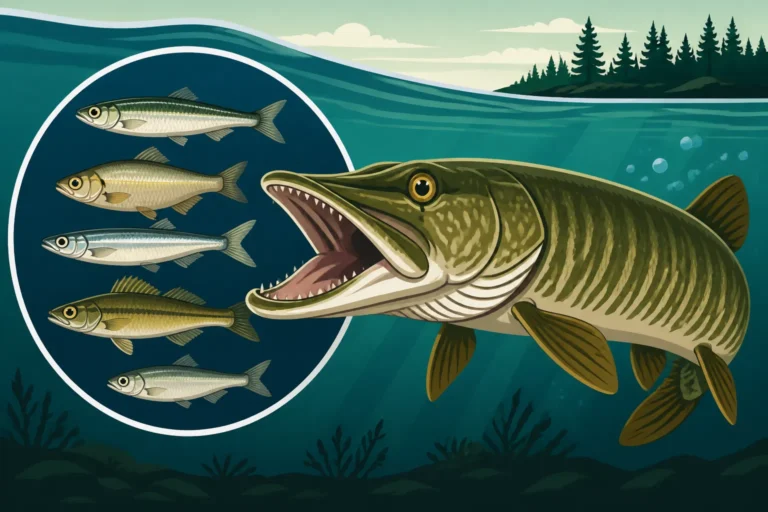
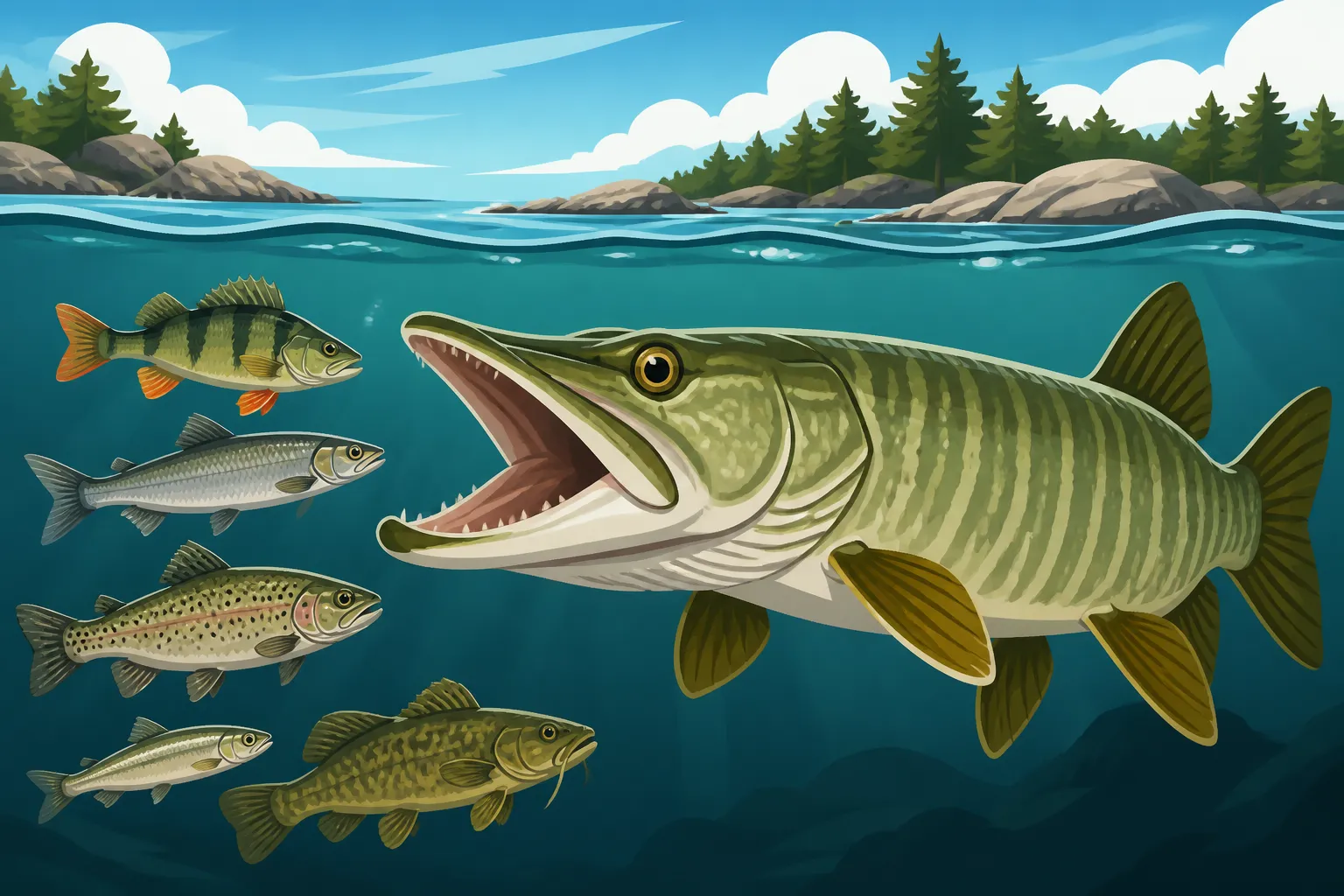
Muskie are opportunistic predators, meaning they'll eat what's available and easiest to catch, but they definitely have preferred meals. In Georgian Bay, their diet is predominantly made up of certain fish species that are abundant and provide a good caloric return for the effort. These are the fish that form the backbone of a muskie's diet and often influence their size and condition.
Cisco and Whitefish
These are arguably the most crucial forage species for large Georgian Bay muskie, especially in the deeper, colder sections of the bay. Cisco, often referred to as lake herring, and various species of whitefish (such as lake whitefish) are fatty, protein-rich fish that provide exceptional nutrition, allowing muskie to grow to incredible sizes. These baitfish often inhabit cooler, open waters, frequently schooling up in vast numbers over deeper structures or basins.
Muskie that key into these prey species will often be found in similar open-water environments, sometimes suspended in the water column or cruising along deep breaks where cisco and whitefish are present. Anglers targeting these muskie will often need to employ tactics that mimic these open-water baitfish, like large trolling baits or deep-water presentations. The presence of these substantial prey fish is a significant factor in why Georgian Bay produces so many trophy-sized Muskellunge Fishing in Ontario.
Sucker Species
Various species of suckers, like white suckers and longnose suckers, are another vital component of the muskie diet, particularly in more inshore areas, rivers, and tributaries that flow into Georgian Bay. Suckers are slow-moving, bottom-dwelling fish that can grow quite large, offering a substantial meal for a muskie. They are often found in areas with softer bottoms, around weed lines, or near river mouths, making them accessible targets for muskie that prefer to ambush prey from cover.
Muskie will often intercept suckers during their spawning runs in spring, capitalizing on their vulnerability. Throughout the rest of the year, suckers provide a steady food source for muskie that inhabit shallow to moderate depths. Anglers using larger, slower-moving baits or those that imitate bottom-foraging fish often have success in areas where suckers are plentiful.
Perch and Other Panfish
While not as calorically rich as cisco or large suckers, yellow perch, rock bass, and other panfish make up a significant portion of a muskie's diet, especially for younger or smaller muskie, or when other primary forage is scarce. These smaller, schooling fish are incredibly abundant in many parts of Georgian Bay, particularly in weedy bays, around docks, and rocky shorelines. They offer an easy, consistent meal for muskie lying in wait.
Muskie will often key in on these smaller fish, particularly in areas where perch are concentrated. Observing schools of perch scattering in the shallows can often indicate a muskie in the vicinity. Lures that mimic the size and flash of perch are extremely popular and effective in these situations, proving that even the biggest predators aren't above snacking on smaller, more abundant prey. This also includes gobies, an invasive but prevalent species in the Great Lakes basin that muskie will opportunistically consume.
Even Other Game Fish
Yes, it's true! Muskie are apex predators, and their diet can sometimes include other game fish, even walleye or smaller northern pike. While not their primary food source, a muskie won't pass up an easy meal if a smaller fish of any species presents itself. This predatory behaviour is a testament to their position at the top of the food chain in Georgian Bay.
Imagine a scenario where a muskie spots a vulnerable smallmouth bass cruising too close to its ambush point. That bass, despite being a game fish itself, instantly becomes prey. This speaks to the opportunistic nature of muskie and reinforces why they are often found in areas with high concentrations of various fish species. It's a tough world out there in the depths of Georgian Bay!
| Prey Species | Primary Habitat | Typical Size | Nutritional Value | Angler Lure Imitation |
|---|---|---|---|---|
| Cisco (Lake Herring) | Deep, open water, cold | Medium-Large | Very High (Fatty) | Large swimbaits, jerkbaits, trolling baits |
| Lake Whitefish | Deep, open water, cold | Medium-Large | Very High (Fatty) | Large spoons, trolling plugs, soft plastics |
| White/Longnose Sucker | Shallow to moderate depths, soft bottom, river mouths | Medium-Large | High (Meaty) | Slow-moving rubber baits, large jigs, bucktails |
| Yellow Perch | Weedy bays, rocky shorelines, varied depths | Small-Medium | Moderate | Perch-pattern crankbaits, spoons, bucktails |
| Rock Bass | Rocky structure, shallow to moderate depths | Small | Moderate | Smaller crankbaits, jigs, bucktails |
| Walleye/Pike (Smaller) | Varied habitats | Medium (as prey) | High | Large muskie lures (they just happen to eat these) |
Muskie Feeding Behavior and Adaptations in Georgian Bay
Understanding what muskie eat is only half the battle; knowing how they eat it is crucial for anticipating their strikes and presenting your lures effectively. Muskie possess incredible adaptations that make them formidable hunters, perfectly suited to their role as top predators in Georgian Bay.
Ambush Predators
Muskie are classic ambush predators. They are incredibly patient, often lying motionless in dense cover, along weed lines, or next to rocky drop-offs, waiting for an unsuspecting meal to swim by. Their camouflage, typically a mottled pattern of bars or spots, allows them to blend seamlessly into their surroundings. When a prey fish comes within striking distance, they unleash an explosive burst of speed, engulfing their victim with powerful jaws lined with razor-sharp teeth.
This ambush strategy means that muskie often position themselves in areas where current brings food to them, or where prey naturally congregates. Think about points, saddles, submerged humps, or the edges of deep weed beds. They conserve energy, waiting for the perfect moment. This also explains why repetitive casting in key areas is so effective; you're essentially trying to annoy them into striking as your lure invades their personal space, making them believe it's an easy target. When fishing Georgian Bay, always consider where a muskie would likely hide before launching an attack.
Opportunistic Feeders
While they are ambush specialists, muskie are also incredibly opportunistic. They will take advantage of any situation that presents an easy meal. This includes scavenging injured baitfish, preying on fish weakened by spawning, or capitalizing on baitfish schools pushed into vulnerable positions. This opportunistic nature is why you can sometimes catch muskie on baits that don't perfectly "match the hatch" – if it looks like an easy meal, they'll often take it.
Consider a scenario where a school of cisco is being harassed by lake trout. A muskie might move in to pick off any stragglers or injured fish. They're not always looking for the healthiest, fastest fish; sometimes, the weakest link in the chain is the most appealing target. This means paying attention to any unusual activity on the water – diving birds, nervous baitfish, or even other predators – can clue you into a muskie's feeding opportunities. Their willingness to seize an opportune meal is a hallmark of Muskellunge Habits in Georgian Bay.
How Understanding Muskie Diet Helps Anglers
Knowing what's on the menu for Georgian Bay muskie isn't just interesting trivia; it's a foundational piece of knowledge that can revolutionize your approach to fishing for them. It guides your decision-making, from where you cast to the very lure you tie on.
Matching the Hatch
The concept of "matching the hatch" is as old as fishing itself, and it applies perfectly to muskie in Georgian Bay. If you know that cisco are the primary forage in the deep, open water where you're fishing, then choosing a lure that mimics the size, shape, and colour of a cisco makes perfect sense. Similarly, if you're working a shallow, weedy bay known for perch, a perch-pattern crankbait or bucktail is a logical choice.
This isn't to say muskie won't hit something completely different, but consistently putting baits in front of them that look like their natural food sources will increase your chances. This means carrying a variety of lures that imitate the dominant prey species you expect to encounter in different areas and seasons. Sometimes, you might even find unique colours or patterns on Amazon that perfectly match the forage in a specific part of the Bay. Being observant, checking stomach contents of legally kept fish (if applicable), and even talking to local bait shop owners about recent baitfish activity can give you invaluable clues to "match the hatch" effectively.
Lure Selection and Presentation
Understanding a muskie's diet and feeding behaviour directly informs your lure selection and how you present it. If muskie are feeding heavily on deep-dwelling cisco, then using large, deep-diving crankbaits or heavy swimbaits designed for trolling or deep jigging is appropriate. You'll need to get your lure down to where those cisco are congregating. For instance, brands like Bucher or Shallow Raider (available on Amazon) offer excellent deep-diving options that can mimic this forage.
Conversely, if muskie are ambushing perch along weed lines, a bucktail spinnerbait, a shallow-running crankbait, or a topwater lure (if they're feeling aggressive and hunting closer to the surface) would be more effective. The key is to present your lure in a way that makes it look vulnerable and easy to catch, just like a natural prey item. This might mean pausing a jerkbait to simulate an injured fish, or ripping a bucktail through weeds to create a fleeing baitfish impression.
Considering the size of the prey also influences lure size. Georgian Bay muskie, particularly the giants, are accustomed to eating substantial meals. Don't be afraid to throw large lures; often, bigger baits attract bigger fish because they appeal to a muskie's caloric needs. Many anglers will purchase an array of large muskie lures and accessories like heavy-duty leader material from online retailers such as Amazon before their trip to ensure they have all their bases covered. Whether you're casting a massive glide bait or trolling a foot-long plug, making it look like a prime Georgian Bay meal is your ultimate goal when you're targeting Muskellunge Growth Rate to Trophy Size.
Disclaimer
This article is for general informational purposes only and does not constitute professional advice. Laws, prices and regulations vary by location and change over time. Consult a qualified professional for guidance on your specific situation.