Resident vs Non-Resident Fishing License Costs in Ontario
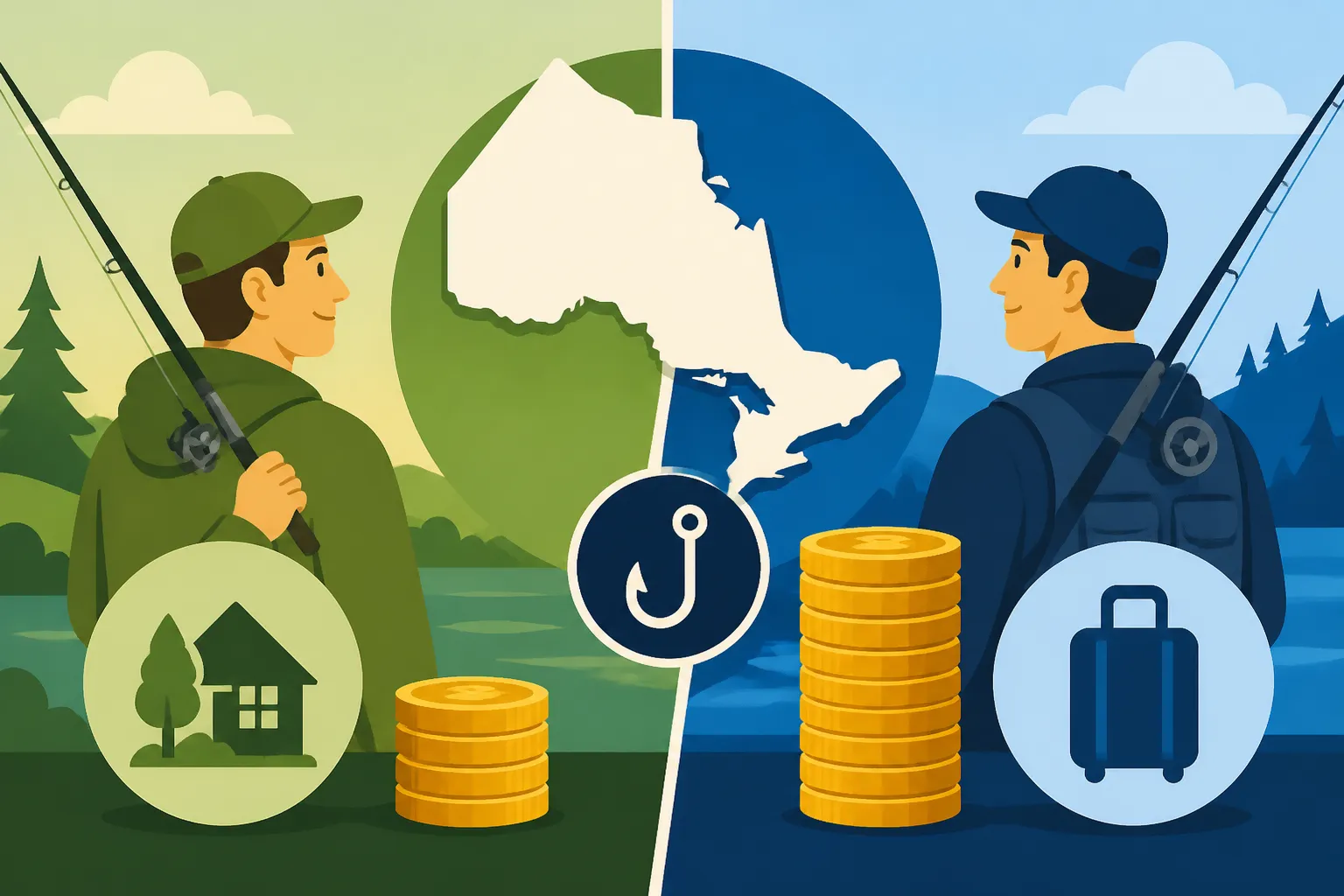
One of the most common headaches for anyone planning a fishing trip in Ontario, whether you're a local or visiting from out of province or country, is figuring out the fishing license situation. It's not always straightforward, and the question of "Am I a resident or a non-resident?" can significantly impact what you pay and what documentation you need. This comprehensive guide is here to clear up that confusion, breaking down the exact differences in fishing license costs and requirements for both residents and non-residents in Ontario.
Understanding Ontario's Resident vs. Non-Resident Distinction
Before you even think about what type of license to buy, you absolutely need to understand how Ontario defines a "resident" versus a "non-resident" for fishing purposes. This isn't just a matter of where you currently live, but often involves specific legal criteria that can trip up even experienced anglers. Getting this wrong can lead to buying the wrong license, which is no fun for anyone and can even lead to fines.
Defining "Resident" for Fishing Purposes
For the purposes of acquiring an Ontario fishing license, a "resident" is someone who has resided in Ontario for a period of at least six consecutive months immediately prior to applying for a license. This six-month rule is crucial. It means if you've just moved to Ontario, you might still be considered a non-resident until you hit that half-year mark. Think about it: if you moved from, say, Alberta to Toronto last month, you're not yet considered an Ontario resident for fishing, even if you’ve changed your driver’s license.
Beyond the time frame, other factors can establish residency, like owning property, paying taxes, or having a valid Ontario Driver's License or Ontario Photo Card. Students attending school in Ontario but maintaining a permanent address elsewhere can sometimes find themselves in a grey area, so it's always best to check the official guidelines if you're unsure. The key is proving your continuous, established presence in the province.
Defining "Non-Resident" for Fishing Purposes
A "non-resident," quite simply, is anyone who does not meet the criteria of an Ontario resident. This typically includes visitors from other Canadian provinces or territories, as well as international visitors from the United States or other countries. If you're coming from Manitoba for a week-long fishing trip to Lake of the Woods, you're a non-resident. The same goes for someone flying in from Texas to fish the Bay of Quinte for walleye.
It's vital for non-residents to understand their status because the costs and duration options for licenses are quite different. There's no way around it; non-resident licenses generally cost more. This can be a point of frustration for many, especially when they're already spending a fair bit on travel, accommodation, and gear from places like Amazon, but it's a common practice to help fund local conservation efforts and manage fishing pressure.
The Ontario Outdoors Card: Your Foundation
Regardless of whether you're a resident or a non-resident, your journey to getting an Ontario fishing license almost always begins with the Ontario Outdoors Card. This card isn't a license itself; think of it more as your angler's ID number, valid for three calendar years. You cannot purchase a fishing license in Ontario without an active Outdoors Card, so getting this squared away is your first priority.
Outdoors Card for Residents
For Ontario residents, obtaining an Outdoors Card is a fairly straightforward process. It acts as your unique identifier within the provincial licensing system. When you purchase your first fishing license, you'll also be prompted to acquire an Outdoors Card if you don't already have one. It ties all your hunting and fishing licenses together, making renewals much simpler.
The cost of an Ontario Outdoors Card, Explained is a small, one-time fee that covers its three-year validity. Many residents find it convenient to renew their Outdoors Card and fishing license simultaneously online, or through a participating ServiceOntario location or authorized license issuer. It's really the foundational piece of paper you need, and thankfully, it doesn't break the bank.
Outdoors Card for Non-Residents
Non-residents also need an Outdoors Card to purchase an Ontario fishing license. The process is similar to residents, but the card itself might be referred to as a "Non-Resident Outdoors Card." Just like residents, this card acts as your unique identifier. If you're a regular visitor who comes up to fish every year, this three-year card saves you the hassle of setting up a new profile each time.
While the fundamental purpose is the same, the non-resident Outdoors Card ensures the system correctly identifies your status when you go to purchase your fishing license, which, as we'll see, has a different pricing structure. If you're visiting for a one-off trip, you'll still need to get one, but it's a quick process that integrates with your license purchase. You can often complete this right before buying your license online, making it quite efficient.
Resident Fishing License Options and Costs
Once you have your Outdoors Card, residents have a few choices for their fishing license, primarily distinguished by the catch limits they allow: the Sport Fishing License and the Conservation Fishing License. These options cater to different angling preferences and levels of commitment to catch-and-release practices.
Sport Fishing License for Residents
The resident Sport Fishing License is the full-meal deal for anglers who want to maximize their opportunity to keep fish within the regulated limits. This license typically allows for higher daily catch and possession limits for many species compared to its conservation counterpart. For example, if you're out on Lake Erie targeting walleye and hoping to bring a few home for a fish fry, the Sport Fishing License gives you that flexibility, provided you stay within the Ontario Bag and Possession Limits by Species.
The cost for a resident Sport Fishing License is generally the highest among the resident options because it grants the broadest fishing privileges. You can usually purchase this for either a one-year or three-year period, which offers some flexibility. Many anglers choose the three-year option, knowing they'll be out on the water often, and it can sometimes offer a slight saving compared to buying three individual one-year licenses. This is the choice for serious anglers who enjoy keeping their legal limits. For precise pricing, it’s always best to check the official "Ontario resident sport fishing license cost 2026" details directly from the Ministry of Natural Resources and Forestry (MNRF) website or a ServiceOntario location.
Conservation Fishing License for Residents
For residents who are more focused on the experience of fishing and practicing catch-and-release, or who simply prefer to keep fewer fish, the Conservation Fishing License is an excellent choice. This license comes with reduced catch and possession limits—often half of what a Sport Fishing License allows, and in some cases, catch-and-release only for specific species or zones. It's a great option if you mostly enjoy the thrill of the chase and the peacefulness of being on the water, with minimal impact on fish populations.
The beauty of the Ontario Sport vs Conservation Fishing License lies in its lower cost compared to the Sport Fishing License. This makes it a more budget-friendly option for many, while still granting full access to Ontario's incredible fisheries. Like the Sport License, it can be purchased for one or three years. It's perfect for a weekend angler or someone who primarily focuses on species they don't intend to keep, like certain bass varieties or muskie, which are often practiced as catch-and-release.
One-Day Fishing License for Residents
Sometimes, you just want to spend a single day on the water, whether it's an impromptu trip with a friend or you're just dipping your toes into fishing. For these situations, Ontario offers a convenient One-Day Fishing License for residents. This is an ideal, low-cost solution that provides all the privileges of a Conservation Fishing License, but only for a 24-hour period.
The Ontario 1-Day Fishing License Cost is significantly less than annual options, making it perfect for those spontaneous fishing adventures or trying out a new lake without committing to a full season. It's also a great way to introduce someone new to fishing without a big upfront investment. Remember, even with a one-day license, you still need an Outdoors Card, so factor that into your initial purchase if you don't already have one.
Non-Resident Fishing License Options and Costs
For those visiting Ontario, the license options mirror those for residents in terms of Sport and Conservation, but the pricing structure is notably different. Non-residents, whether from another Canadian province or an international destination, contribute to the province's fisheries management through these differentiated fees.
Sport Fishing License for Non-Residents
If you're a non-resident coming to Ontario with the goal of harvesting your legal limit of fish, the non-resident Sport Fishing License is what you'll need. Similar to the resident version, this license grants the highest daily catch and possession limits available under the provincial regulations. This is particularly popular with those on guided fishing trips to Northern Ontario lodges, aiming for a memorable experience with a cooler full of walleye or lake trout.
The cost for a Non-Resident Annual Fishing License Cost in Ontario for the Sport option is considerably higher than the resident equivalent. Non-residents can purchase this for either a one-year or three-year period. If you're a seasonal visitor, perhaps someone who owns a cottage or frequents a specific fishing lodge annually, the three-year option might be a practical choice, potentially saving you a bit over multiple one-year purchases. It ensures you have the maximum harvesting privileges during your visit.
Conservation Fishing License for Non-Residents
For the non-resident angler who prioritizes the fishing experience and conservation, or who plans to practice catch-and-release predominantly, the non-resident Conservation Fishing License is the way to go. This license also comes with reduced catch and possession limits, similar to the resident conservation license, focusing on sustainable angling practices. Many non-residents find this option perfectly suitable, especially if they are targeting species like muskellunge, which are almost exclusively catch-and-release.
The price point for the non-resident Conservation Fishing License is lower than the non-resident Sport License, making it a more accessible option. Like its Sport counterpart, it's available in one-year or three-year durations. This option is great for those who might be visiting friends or family and want to drop a line, or for anglers keen on specific catch-and-release fisheries. Just remember to always check the specific Ontario Fishing Regulations Explained for your chosen fishing zone before heading out.
One-Day Fishing License for Non-Residents
For non-residents looking to fish for just a brief period, the One-Day Fishing License is an excellent, flexible choice. This license offers the same privileges as a non-resident Conservation Fishing License, but its validity is limited to a single 24-hour period. It's perfect for a quick stop during a road trip, a casual afternoon on the water, or when you’re visiting Ontario and only have a day carved out for fishing.
The cost for a Ontario 1-Day Fishing License Cost is the most economical non-resident option, designed for minimal commitment. While you still need a non-resident Outdoors Card, this one-day license simplifies the process for short-term visitors. It's particularly useful for those who might get an unexpected opportunity to fish, perhaps at a friend's cottage, and want to quickly get legal before heading out.
Comparing Resident and Non-Resident License Costs
The most significant difference between Ontario fishing licenses for residents and non-residents is, unsurprisingly, the cost. While the exact prices can change, the general hierarchy and the percentage difference tend to remain consistent. It’s important to understand this gap, so you can budget appropriately for your fishing adventures.
Cost Breakdown Table
To give you a clearer picture, here's a simplified comparison of typical license costs. Please note that these figures are illustrative and based on recent information, but it's crucial to verify current prices through official sources like the Ontario Ministry of Natural Resources and Forestry (MNRF) website or ServiceOntario, as they can be subject to change and may include HST (Harmonized Sales Tax) and processing fees.
| License Type | Resident (approx.) | Non-Resident (approx.) |
|---|---|---|
| Outdoors Card | ~$8.57 (3-year) | ~$8.57 (3-year) |
| 1-Year Sport License | ~$31.00 | ~$52.00 |
| 3-Year Sport License | ~$91.00 | ~$153.00 |
| 1-Year Conservation License | ~$19.00 | ~$32.00 |
| 3-Year Conservation License | ~$55.00 | ~$93.00 |
| 1-Day License | ~$12.00 | ~$15.00 |
(Note: Prices are approximate, subject to change, and typically include HST. Always consult official MNRF sources for the most current figures, including the "Ontario fishing license HST and processing fee" breakdown.)
As you can see, non-resident licenses are generally priced significantly higher than resident licenses. This difference can often be 50% or more for annual licenses, which is a common approach in many jurisdictions to reflect the varying levels of contribution to the local tax base and resource management.
Why the Price Difference?
The price disparity between resident and non-resident fishing licenses isn't arbitrary; it's a carefully considered approach to resource management and funding. For one, residents contribute to the provincial tax base year-round, which in turn helps fund conservation efforts, fisheries research, enforcement, and stocking programs. Non-residents, while also contributing to the local economy through tourism, don't have the same ongoing financial commitment to the province's infrastructure and services.
The higher fees for non-residents help to offset the costs associated with managing Ontario's vast and diverse fisheries, ensuring that the resource remains healthy and accessible for everyone. It also helps manage fishing pressure, particularly in popular tourist destinations where a high volume of visiting anglers could otherwise strain fish populations. So, while it might feel like a pinch, those extra dollars from non-residents are funneling directly back into maintaining the fishing quality that draws them here in the first place. This financial contribution is vital for programs that benefit all anglers.
Important Considerations and Potential Pitfalls
Navigating the world of fishing licenses can have a few tricky spots, and it's essential to be aware of them to ensure your fishing trip is nothing but enjoyable and fully compliant with the law. Understanding age exemptions, the severe consequences of misrepresentation, and knowing where to secure your license are all crucial pieces of the puzzle.
Age Exemptions and Discounts
Ontario does offer some fantastic age-based exemptions that many people aren't fully aware of. For instance, children under the age of 18 generally do not need a fishing license to fish in Ontario. This is a brilliant initiative to encourage youth participation in fishing and get them hooked on the outdoors from an early age. They still need to abide by the fishing regulations of the person accompanying them (if that person has a license), or if they are fishing alone, they follow the conservation limits. If you're wondering, "Do Ontario Residents Under 18 Need a Fishing License?", the answer is usually no.
Similarly, there's good news for our seasoned anglers. Ontario residents who are 65 years of age or older also enjoy an exemption from needing a fishing license. It's a way of recognizing a lifetime of contributions and making the sport more accessible in retirement. So, if you're over 65 and an Ontario resident, you can pretty much head straight to the water, provided you carry proof of age and residency. This also extends to certain disabled residents, with specific criteria for eligibility, which you can read more about in our guide on Free and Discounted Fishing License Options in Ontario.
Penalties for Misrepresentation
This is where things can get serious, so listen up. Attempting to pass yourself off as an Ontario resident to get a cheaper license when you're not, or using someone else's Outdoors Card, is a serious offense. The Ministry of Natural Resources and Forestry (MNRF) takes these matters very seriously, and enforcement officers are diligent in checking licenses and verifying identities. Getting caught misrepresenting your residency status or fishing without a valid license can lead to significant penalties.
These penalties can include hefty fines, the confiscation of your fishing gear, and even a ban from fishing in Ontario for a period of time. It's simply not worth the risk. Imagine planning a dream fishing trip to a remote lodge, investing in new gear from Amazon, only to have it cut short and face legal repercussions because you tried to save a few dollars on a license. Always be truthful and ensure you have the correct documentation for your actual residency status. Our guide on Fishing Without a License in Ontario: Penalties goes into more detail about the legal consequences.
Where to Purchase Your License
Once you've sorted out your residency status and decided on the type of license you need, the next step is actually buying it. Fortunately, Ontario has made this process quite accessible, offering several convenient ways to purchase both your Outdoors Card and fishing license. You're not stuck waiting in long lines anymore.
The most popular method for many is purchasing online through the official Fish and Wildlife Licensing Service website. It's quick, efficient, and you can do it from the comfort of your home or cottage. This is particularly handy for non-residents who can arrange their license before even arriving in the province. Once purchased, you can simply print your license at home or carry a digital version on your phone, as discussed in Printing or Carrying a Digital Fishing License in Ontario. Alternatively, you can visit a participating ServiceOntario centre or one of the many authorized license issuers found in bait shops, sporting goods stores, and general stores across the province. These in-person locations are great if you have questions or prefer a physical printout on the spot. To find the nearest location, check out our article on Where and How to Buy an Ontario Fishing License.
Disclaimer
Please note that the information provided in this guide is for general informational purposes only and is subject to change. While we strive to be accurate, fishing regulations, license costs, and definitions are determined by the Ontario Ministry of Natural Resources and Forestry (MNRF) and can be updated without prior notice. Always consult the official Ontario government publications, such as the annual Fishing Regulations Summary and the MNRF website, for the most current and authoritative information before planning your fishing trip.