Why the Great Lakes have a sea lamprey control program
If you've spent any time fishing the majestic waters of the Great Lakes, or even just heard stories from local anglers, you've probably encountered the term "sea lamprey." For many, these eel-like creatures represent a frustrating and often devastating threat to the very fish we love to pursue. This isn't just a nuisance; it's a serious ecological challenge that has necessitated a massive, long-standing control program to protect our beloved fisheries, and this guide will dive deep into why this program is so critical.
The Unseen Invader: What are Sea Lampreys and How Did They Get Here?
It's easy to look at a sea lamprey and simply see a slimy, menacing creature, but understanding their biology and how they came to dominate parts of the Great Lakes is crucial to grasping the scale of the problem. They're not just a bizarre fish; they're an ancient, parasitic species that stumbled upon an ideal new feeding ground. Their presence highlights the delicate balance of ecosystems and how easily they can be disrupted.
A Primitive Predator's Anatomy and Lifecycle
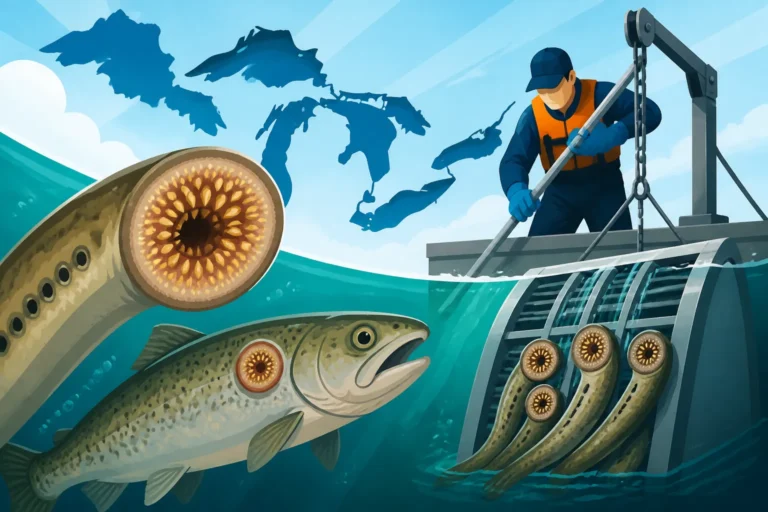
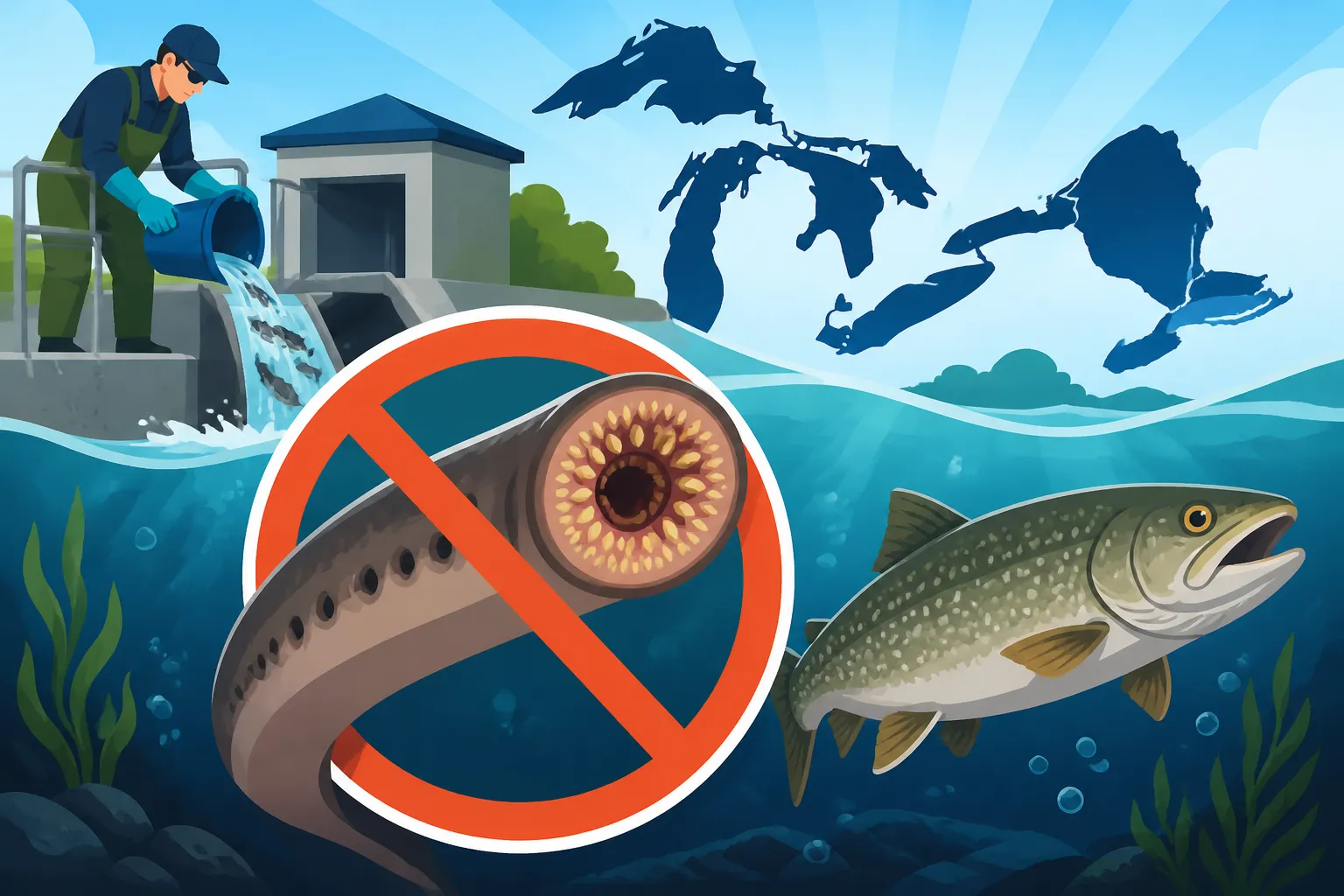
Sea lampreys ( Petromyzon marinus) are truly fascinating, if somewhat terrifying, creatures. They're not actually eels, but rather jawless fish, part of an ancient lineage that predates most modern fish species. Imagine a fish without jaws, instead equipped with a disc-shaped mouth that acts like a powerful suction cup, lined with row upon row of razor-sharp teeth. In the center of that mouth is a rasping tongue that they use to bore through the scales and skin of their host fish. Once attached, they secrete an anticoagulant to ensure a steady flow of blood and body fluids. It's a grisly, but highly effective, feeding strategy.
Their lifecycle is also quite unique. Adult lampreys return to rivers and streams to spawn, much like salmon. After hatching, the larvae, called ammocoetes, burrow into the sandy or silty riverbed and live as filter feeders for several years, sometimes up to a decade. They're completely harmless at this stage, resembling small, blind worms. It's only after this larval stage that they undergo a metamorphosis, developing their parasitic mouth and migrating to the open waters of the lake to feed on large fish. This long larval stage in riverbeds is a key vulnerability that the control program exploits.
The Unintended Gateway: Arrival in the Great Lakes
Historically, sea lampreys were native to the Atlantic Ocean and some rivers along the eastern seaboard. The Great Lakes, with their vast freshwater expanses, were naturally protected from these oceanic invaders by Niagara Falls, a formidable barrier that lampreys couldn't bypass. However, human ingenuity, for all its benefits, sometimes has unintended consequences. The construction of the Welland Canal, initially built to facilitate shipping around Niagara Falls, inadvertently created a superhighway for these parasitic fish.
Once the canal was deepened and improved over time, especially by the 1920s, the sea lamprey had a clear, unobstructed path into Lake Ontario. From there, through further canal systems and natural dispersal, they quickly spread upstream into Lake Erie, Lake Huron, Lake Michigan, and Lake Superior. The journey was swift, and by the 1940s and 50s, their populations had exploded across the entire Great Lakes basin. This was an unprecedented ecological catastrophe unfolding in real-time.
Initial Impact on a Pristine Ecosystem
When sea lampreys entered the Great Lakes, they found an abundant food source and virtually no natural predators to keep their numbers in check. The native fish populations, which had evolved without this type of highly efficient predator, were completely defenceless. Lake trout, whitefish, chub, and even large salmon species became easy prey. The lampreys didn't necessarily kill every fish they attacked immediately; many fish could survive an attack, but often succumbed later to infection, stress, or secondary predation due to their weakened state.
The initial impact was swift and devastating. Populations of prized fish like lake trout, once the apex predator in many of these waters, plummeted dramatically. Imagine vast fishing grounds suddenly becoming barren. Commercial fishing operations, which had thrived on these abundant native species for generations, faced ruin. Recreational anglers, who cherished the chance to catch a trophy lake trout, found their favourite spots empty. It was a stark reminder of how interconnected an ecosystem is, and how the introduction of a single invasive species can unravel decades, even centuries, of natural balance. This tragic chapter in Great Lakes history underscores the urgency of current control efforts.
Devastating the Depths: The Ecological and Economic Fallout
The introduction of sea lampreys wasn't just a minor blip; it was an ecological earthquake that reverberated throughout the entire Great Lakes system. Their relentless predation didn't just affect individual fish; it dismantled entire food webs, wiped out livelihoods, and forever changed the landscape of Great Lakes fishing. When you consider the vastness of these lakes and their importance to both Canada and the United States, the scale of this devastation becomes truly staggering. This is why measures like those discussed in How sea lamprey control affects Great Lakes fisheries are so vital.
A Vampire's Feast: Impact on Iconic Sportfish
The preferred targets for adult sea lampreys are large, coldwater fish species with soft scales, making them easy to attach to and feed upon. This, unfortunately, includes many of the most iconic sportfish and commercially valuable species in the Great Lakes. Lake trout, once so numerous in lakes like Superior and Huron that they were a dietary staple and a major industry, were decimated. Their populations, already stressed by overfishing in some areas, simply couldn't withstand the added pressure from this new predator.
Beyond lake trout, other key species suffered immensely. Whitefish, an important commercial species, also saw dramatic declines. Salmon species like Chinook and Coho, which were later introduced to help control alewife populations, also became targets for lampreys, though their faster growth and shorter lifespans sometimes made them more resilient. Anglers often reported catching fish with gruesome, tell-tale circular wounds – sometimes multiple wounds – on their flanks, a clear sign of a lamprey attack. If you've ever seen What sea lamprey wounds look like on Great Lakes fish, you'd understand the horror they inflict. This relentless "vampire's feast" directly threatened the very foundation of Great Lakes angling.
Cascading Effects on the Great Lakes Ecosystem
The dramatic decline of top predators like lake trout didn't happen in isolation. It triggered a cascade of effects throughout the entire Great Lakes food web. With fewer predators to control them, populations of smaller fish species, particularly alewives and rainbow smelt (both non-native species themselves), exploded. While these forage fish are food for some species, their unchecked growth led to other problems. Large die-offs of alewives, for example, could foul beaches and create health hazards.
The loss of diversity and the shift in species dominance had far-reaching consequences for the entire aquatic ecosystem. It disrupted nutrient cycling, altered competition dynamics, and made the ecosystem more vulnerable to other stresses and invasive species. Imagine pulling out a few crucial pieces from a complex Jenga tower; the entire structure becomes unstable. The Great Lakes, already under pressure from pollution and habitat degradation, were pushed to the brink by the sea lamprey. This ecological imbalance is a primary reason for the continuous need for interventions and careful management within zones like those outlined in Ontario Fisheries Management Zones, Explained.
Economic Ruin for Commercial and Recreational Fisheries
The economic impact of sea lampreys on the Great Lakes region was nothing short of catastrophic. Commercial fishing, which supported thousands of jobs and provided a significant source of income for communities along the shorelines of lakes like Superior, Huron, and Lake Erie, collapsed in many areas. Imagine generations of family businesses suddenly having no fish to catch, no markets to supply. Boats sat idle, nets rotted, and livelihoods vanished. It wasn't just the fishermen; it was the processing plants, the tackle shops, the restaurants, and all the associated industries that felt the pinch.
Recreational fishing also took a massive hit. Fewer fish meant fewer tourists, fewer charter boats, and less money spent on gear, bait, and accommodations. Anglers, disheartened by empty creels and fish scarred by lamprey attacks, simply stopped coming. This led to a significant drain on local economies that relied heavily on the seasonal influx of fishing tourism. The sheer scale of the financial losses, both direct and indirect, made it abundantly clear that doing nothing was not an option. The long-term costs of inaction would far outweigh the costs of a comprehensive control program.
Fighting Back: The Great Lakes Sea Lamprey Control Program
Recognizing the immense threat, Canada and the United States joined forces to create one of the most successful and enduring international aquatic invasive species control programs in the world: the Great Lakes Fishery Commission's Sea Lamprey Control Program. It’s a testament to cooperative conservation and a critical reason why species like Lake Trout Fishing in Ontario and Walleye Fishing in Ontario are possible today. This isn't a simple fix; it's a multi-faceted approach, meticulously planned and executed, that targets the lamprey at different stages of its life cycle.
Lampricides: A Targeted Chemical Solution
One of the cornerstones of the sea lamprey control program is the strategic use of lampricides. These are chemicals specifically designed to be toxic to sea lamprey larvae (ammocoetes) while having minimal impact on other aquatic organisms, including fish, wildlife, and humans, when applied correctly. The primary lampricide used is TFM (3-trifluoromethyl-4-nitrophenol). This chemical works by interfering with the lamprey's respiration process.
Applications are carefully planned and executed by trained professionals. Rivers and streams that are known lamprey spawning grounds are surveyed, and only stretches identified as supporting ammocoete populations are treated. The timing is crucial, often occurring when water levels and temperatures are optimal for the lampricide to be effective against lampreys but less impactful on non-target species. While the idea of chemicals in waterways can sound alarming, decades of research and rigorous testing have refined these applications to be incredibly precise. Without lampricides, controlling the widespread larval populations hidden in riverbeds would be an almost impossible task. For those interested in deeper scientific insights, many academic papers and government reports on lampricide efficacy are available for study, often accessible through online scientific databases or even general book retailers like Amazon.
Barrier Dams and Trapping: Physical Obstacles
Another vital component of the control program involves physical barriers and trapping methods. Barrier dams are constructed on rivers and streams to prevent adult sea lampreys from migrating upstream to their spawning grounds. These dams are often designed with fishways or ladders that allow other native fish species to pass, ensuring minimal disruption to their natural migrations, while blocking the lampreys. In some cases, existing dams have been modified to serve this purpose.
Trapping is also a critical technique. Lamprey traps are placed in rivers to capture adult lampreys as they attempt to migrate upstream to spawn. These traps are often highly effective, allowing control personnel to remove large numbers of spawning adults before they can reproduce. Some trapped lampreys are used for research, while others are humanely euthanized. The combination of barriers and traps works hand-in-hand with lampricides to reduce the overall lamprey population by targeting both the larval and adult stages, preventing millions of potential offspring from ever entering the Great Lakes. This multi-pronged approach helps to safeguard valuable species like Chinook Salmon in Lake Ontario and Coho Salmon in the Great Lakes.
The Ongoing Battle: A Long-Term Commitment
It's important to understand that the sea lamprey control program isn't a one-and-done solution. It's an ongoing, continuous battle, a permanent commitment required to keep lamprey populations in check. Sea lampreys continue to exist in the Atlantic Ocean, and some will always find their way into the Great Lakes system, either through canals or occasional natural pathways. Without sustained effort, their populations would rebound quickly, and we would face another collapse of our cherished fisheries.
The program involves extensive monitoring, research, and adaptive management. Scientists continually study lamprey biology, refine control techniques, and assess the health of Great Lakes fish populations. This long-term commitment requires significant resources, both human and financial, from both Canada and the United States. It's a testament to the shared value placed on the Great Lakes ecosystem and the incredible recreational and commercial opportunities it provides. The success isn't measured by eradication, but by maintaining lamprey populations at levels that allow native and introduced fish species to thrive, which directly supports the recreational fishing for species like Whitefish in the Great Lakes.
The Future of Control: Challenges and Continued Vigilance
Even with decades of successful control, the Great Lakes Sea Lamprey Control Program faces ongoing challenges. The environment is always changing, and so too are the pressures on the Great Lakes. Maintaining vigilance and adapting to new circumstances is crucial to ensure the long-term health of our fisheries.
Balancing Costs and Conservation
One of the persistent challenges for the control program is balancing the significant costs of operation with the need for effective conservation. The lampricides, the maintenance of barrier dams, the staffing for trapping and monitoring, and the ongoing research all require substantial funding. Stakeholders, including governments, commercial fishing interests, and recreational angling groups, often debate the optimal level of investment. It's a delicate balance: underfund the program, and lamprey populations could surge, leading to economic losses far greater than the control costs; overfund it, and resources might be diverted from other critical conservation efforts.
Decision-makers constantly evaluate the cost-effectiveness of various control measures and strive to implement the most efficient strategies. This involves detailed economic analyses to demonstrate the return on investment in terms of healthy fish populations and thriving fishing industries. It's a crucial discussion that requires data-driven insights and a clear understanding of the long-term ecological and economic benefits.
Emerging Threats and Research
The Great Lakes ecosystem is dynamic and constantly facing new pressures. Climate change, the introduction of other invasive species, and evolving habitat conditions can all influence sea lamprey populations or the effectiveness of control measures. For instance, changes in water levels or temperatures could alter lamprey spawning habits or make certain lampricide applications less effective. Scientists are continuously researching these potential emerging threats.
Developing new, more targeted control methods is also an ongoing area of research. This includes exploring biological controls, pheromones that could lure lampreys into traps, or even genetic approaches. The goal is to always improve efficiency and reduce potential environmental impacts. This scientific dedication ensures that the program remains at the forefront of invasive species management, ready to adapt to whatever the future holds for this vital freshwater system. Anyone keen to learn more about the ongoing research can often find published studies through scientific journal aggregators or reputable online booksellers like Amazon.
The Angler's Role in Protection
As anglers and enthusiasts of the Great Lakes, we also have a role to play in the continued protection of our fisheries. While we aren't directly involved in lampricide application or trap maintenance, our actions can contribute significantly. Understanding and following Ontario Lake Erie fishing regulations and other local rules helps manage fish stocks. Reporting unusual fish catches, especially those with severe lamprey wounds, can provide valuable data to researchers. Additionally, practicing proper catch-and-release techniques, particularly for vulnerable species, ensures that fish have the best chance of survival after an encounter with a lamprey or an angler.
Education is also key. By understanding why the sea lamprey control program exists and advocating for its continued support, we become stewards of the Great Lakes. Learning about Invasive Fish Species in Ontario Waters and how to prevent their spread (like cleaning boats and gear between waterways) is vital. Our collective efforts, from the scientists and policymakers to the everyday angler enjoying a day on the water, are what truly safeguard the future of fishing in Ontario's Great Lakes.
| Great Lake | Native Fish Impact (Initial) | Control Challenges | Notable Recoveries |
|---|---|---|---|
| Superior | Lake Trout (Severe) | Vastness, Cold Water | Lake Trout, Walleye |
| Michigan | Lake Trout, Whitefish (Severe) | Connectivity to other lakes | Chinook Salmon |
| Huron | Lake Trout, Whitefish (Severe) | Many Spawning Rivers | Walleye, Some Lake Trout |
| Erie | Lake Trout (Extinct), Whitefish | Shallow, Warm, High Traffic | Walleye, Yellow Perch |
| Ontario | Lake Trout, Whitefish (Severe) | Direct link to Atlantic (St. Lawrence) | Chinook Salmon, Coho Salmon |
Disclaimer
This article is for general informational purposes only and does not constitute professional advice. Laws, prices and regulations vary by location and change over time. Consult a qualified professional for guidance on your specific situation.