What round goby are and why they’re invasive
It can be incredibly frustrating to discover a new, unwelcome species of fish in your favourite fishing spot, especially when you know it doesn't belong there. The round goby is one such invader that has caused a stir in Ontario's aquatic ecosystems, dramatically altering habitats and impacting native fish populations. This guide will help you understand what round gobies are, how they arrived, why they're such a concern, and what you, as a responsible angler, can do to help manage their spread and impact.
What Exactly is a Round Goby, Anyway?
You might have heard the name, or perhaps even reeled one in yourself and wondered, "What in the world is this little critter?" The round goby is a relatively small, bottom-dwelling fish that has become an unwelcome fixture in many of Ontario's waters. They're pretty distinctive once you know what to look for, and recognizing them is the first step in understanding their impact.
Origins and Identification
The round goby's journey to Ontario is a classic tale of aquatic invasive species. Originally native to the Black and Caspian Seas in Eurasia, these tenacious fish made their way to North America via the ballast water of transatlantic ships. They were first discovered in the St. Clair River, near Detroit, in the early 1990s and have been spreading steadily ever since. Ballast water, often taken on in one port and discharged in another, acts like a liquid taxi service for countless organisms, including the tiny eggs and larvae of fish like the round goby.
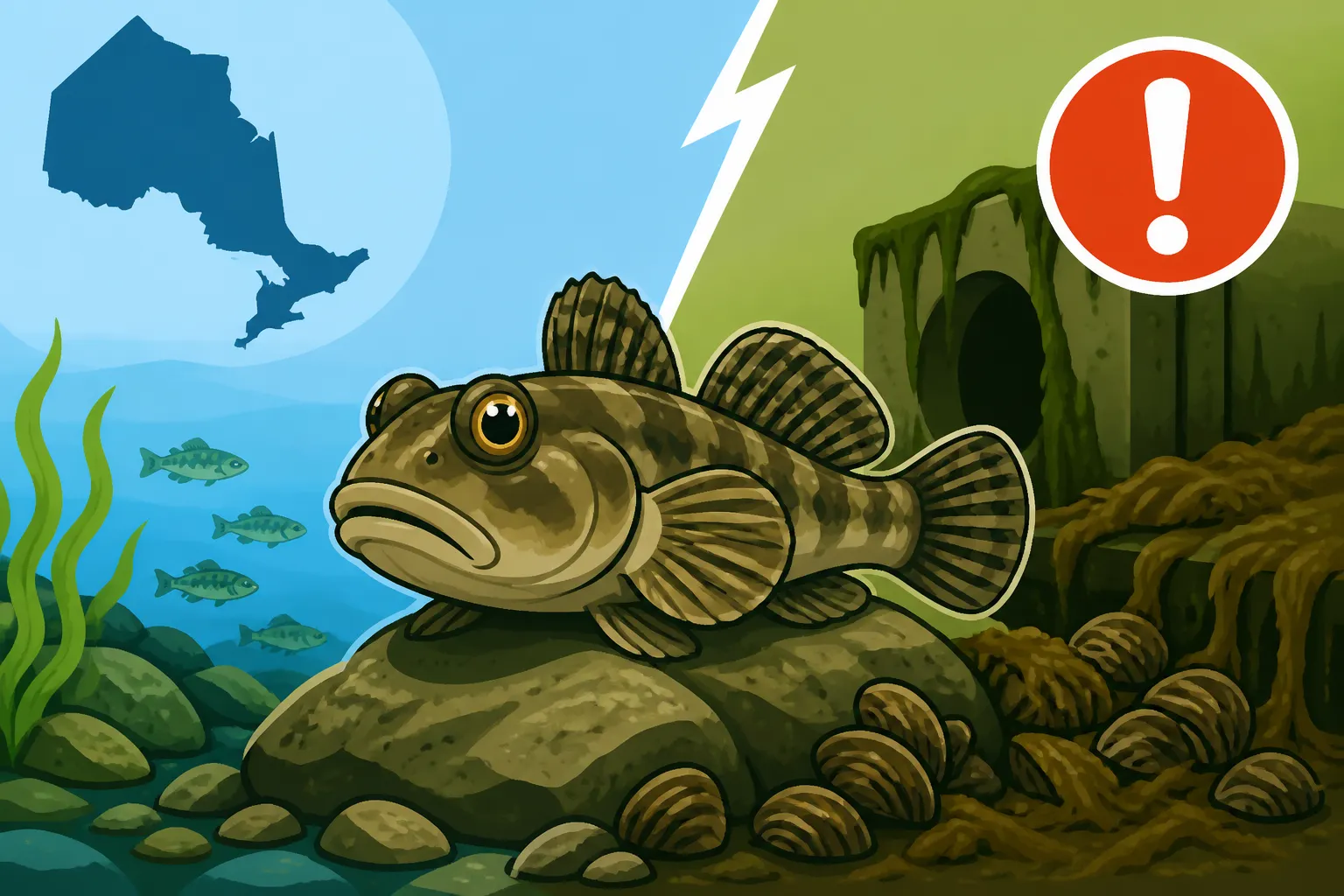
Physically, round gobies aren't going to win any beauty contests, but their features are quite unique. They typically have a mottled brown and grey pattern, which helps them blend in with rocky or sandy lakebeds. One of their most striking features, and a key identifier, is their prominent, slightly bulging eyes that sit high on their head, giving them a perpetually watchful look. But the real clincher for identification is their pelvic fin. Unlike most native fish that have two separate pelvic fins, the round goby has a single, fused pelvic fin that forms a suction-cup like disc on its underside. This handy adaptation allows them to cling to rocks, even in strong currents, which is a major advantage in many waterways. They also possess a distinctive black spot on the anterior dorsal fin, which is another helpful visual cue. Most adults range from four to ten inches in length, but some larger specimens have been observed.
Where They're Found in Ontario
Since their initial arrival in the St. Clair River, round gobies have wasted no time in colonizing many of Ontario's most important waterways. They've established thriving populations throughout the Great Lakes system, including Lake Erie, Lake Huron, Lake Ontario, and Lake Superior's lower reaches. From there, they've pushed their way into connecting rivers and even inland lakes.
Take Lake Erie, for example, where they are incredibly abundant. You can barely drop a line with certain baits without hooking one. They've also spread into significant recreational fishing grounds like Lake Simcoe and the Trent-Severn Waterway. Their ability to tolerate a wide range of water conditions – from cold, clear lakes to warmer, muddier rivers – has allowed them to spread rapidly. This adaptability, coupled with their aggressive nature and prolific breeding, makes them incredibly successful invaders. When you're out fishing, it's wise to know your Ontario Fisheries Management Zones, Explained because regulations, and therefore invasive species awareness, can sometimes vary slightly by zone.
Why Are Round Gobies Such a Problem for Ontario's Ecosystem?
It’s easy to dismiss a small, seemingly innocuous fish, but the round goby is anything but harmless. Their presence in Ontario's waters creates a cascade of negative effects that ripple through the entire aquatic food web. They're not just another fish in the lake; they're ecosystem engineers, and not in a good way.
Competition for Food and Habitat
The most significant problem with round gobies is their incredible competitive advantage. They are voracious eaters and outcompete many native bottom-dwelling fish species for food and prime habitat. Imagine a quiet neighbourhood suddenly swarmed by aggressive, hungry newcomers who eat everything and take all the best spots. That's essentially what happens when round gobies move in.
Native species like darters, sculpins, and even juvenile sport fish rely on similar food sources – aquatic insects, small crustaceans, and other invertebrates. Round gobies are incredibly efficient at foraging, using their large eyes and distinct lateral line system (which allows them to detect vibrations) to find food even in low light or turbid water. They're also quite territorial, aggressively defending prime feeding and spawning locations. This means less food and fewer safe places for our native fish to live and reproduce. This competition can severely reduce the populations of smaller native fish, which in turn can impact the larger predators that rely on them for food. It’s a vicious cycle that slowly unravels the delicate balance of an ecosystem.
Impact on Spawning and Predation
Beyond competing for food, round gobies are notorious for their detrimental impact on the spawning success of native fish. They have a particularly nasty habit of preying on the eggs and fry of other species, including valuable sport fish like walleye, bass, and yellow perch. When these native fish lay their eggs on the lakebed or in rocky crevices, round gobies are often right there, feasting on the vulnerable eggs. This direct predation can significantly reduce the recruitment of young fish into the population, further exacerbating declines caused by habitat loss and fishing pressure.
Furthermore, gobies are known to carry diseases and parasites that native fish may not have immunity to. While the full extent of disease transmission is still being studied, it adds another layer of threat to already struggling populations. It's a double whammy: gobies reduce the food supply for native fish and then actively consume their offspring, all while potentially introducing health risks. This can significantly impact Ontario Bag and Possession Limits by Species as fisheries managers work to counteract these pressures.
Unexpected Food Source for Predators
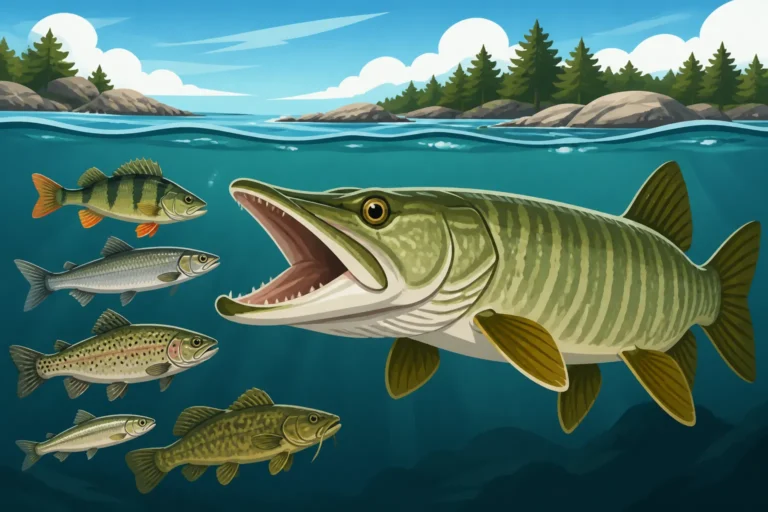
Now, you might hear some anglers say, "Well, the big fish eat them, so they're not all bad, right?" And it's true, larger predatory fish like smallmouth bass, lake trout, walleye, and northern pike do consume round gobies. In some areas, gobies have even become a significant part of the diet for these species. Anglers targeting smallmouth bass in the Great Lakes, for instance, often find lures mimicking gobies to be highly effective, especially when using something you might find on Amazon designed to imitate their shape and movement.
However, this doesn't necessarily make them a net positive for the ecosystem. While predators benefit from an abundant food source, the overall impact remains negative. The energy transfer isn't always efficient, and the nutritional value might differ from native prey. More importantly, the sheer abundance of gobies often means that native prey fish still suffer from competition and predation on their eggs, even if adult predators are finding enough to eat. It's a complex ecological dynamic, but generally, invasive species shift the balance in ways that harm biodiversity in the long run.
What Can Anglers Do About Round Gobies?
As anglers, we're on the front lines, and our actions can make a real difference in preventing the further spread of round gobies and mitigating their impact. It's about being vigilant, informed, and responsible every time we hit the water.
Identification and Reporting
The first and most crucial step is accurate identification. If you're not absolutely sure what you've caught, refer to a reliable guide or even snap a picture to show to a local fisheries expert. As mentioned earlier, look for that fused, suction-cup-like pelvic fin and the prominent black spot on the dorsal fin. If you catch a round goby, do not release it alive back into the water. It is illegal and incredibly harmful to the ecosystem. Dispatch it humanely and dispose of it properly – either by taking it home for consumption (some people find them quite tasty!) or by placing it in the garbage. Never, ever use a round goby as live bait, even if you’re fishing in waters where they are abundant. Transporting them, even dead, can be risky if not handled properly. This helps prevent the species from being accidentally introduced to new bodies of water. For further reading, check out Invasive Fish Species in Ontario Waters to learn more about other species to watch out for.
Practical Tips for Anglers
Beyond not releasing them, there are several things you can do.
- Target them: Round gobies are relatively easy to catch, often biting on small jigs tipped with bait like worms or pieces of squid. They can be a fun distraction, especially for kids, and every goby removed is one less competing with native fish. Some anglers even use specific goby-imitating lures to catch larger fish, which you can easily find on Amazon.
- "Clean, Drain, Dry": This mantra is vital for preventing the spread of all aquatic invasive species. Before leaving any body of water, meticulously inspect and clean all your fishing gear. This includes your boat, trailer, waders, nets, lines, and any tackle.
- Drain all water: Make sure to drain your livewell, bilge, and bait buckets completely before leaving the boat launch. Even a small amount of water can harbour goby larvae or eggs.
- Dry your gear: Allow all your equipment to thoroughly dry for at least 48 hours, or preferably five days, before using it in another body of water. If drying isn't possible, consider high-pressure washing with hot water. For items like waders, check out our guide on Best Waders for Ontario Trout Streams for tips on care and cleaning.
Remember, if you’re caught Fishing Without a License in Ontario: Penalties can be severe, and not following invasive species protocols can also lead to hefty fines and environmental damage. So, always be aware of the rules.
Gear & Best Practices
When it comes to your fishing gear, a little extra attention goes a long way.
- Nets: Choose a net with knotless rubber or silicone mesh. These types of nets are much gentler on fish if you're practicing catch-and-release with native species, and they're also much easier to clean and less likely to snag aquatic plants or hide small organisms like goby eggs. Many excellent options are available from reputable brands on Amazon that prioritize easy cleaning.
- Tackle: Even your tackle can harbor tiny organisms. Give lures and lines a quick rinse after use, especially if you're moving between different water bodies. It's not just about the big pieces of gear; the small stuff matters too.
- Boats and Kayaks: If you use a boat, especially one that ventures into multiple lakes and rivers, ensure it's spotless. Pay attention to crevices, anchor ropes, and the propeller. For kayak anglers, flushing out any standing water and thoroughly wiping down the hull of your vessel, as discussed in our Best Kayaks for Ontario Fishing guide, is crucial.
| Identification Feature | Round Goby | Native Sculpin (e.g., Mottled Sculpin) |
|---|---|---|
| Pelvic Fins | Fused, single, suction-cup-like | Separate, two distinct fins |
| Dorsal Fin | Two, first has distinct black spot | Two, usually without prominent black spot |
| Eyes | Large, bulging, set high | Smaller, less prominent, often recessed |
| Body Shape | Robust, mottled brown/grey | Slender, camouflaged |
| Size | Often 4-10 inches (can be larger) | Typically 3-6 inches |
| Habitat | Bottom-dweller, tolerant of varied conditions | Bottom-dweller, prefers clear, cool water |
The Bigger Picture: Managing Invasive Species in Ontario Waters
Understanding the round goby's impact is part of a larger conversation about aquatic invasive species management in Ontario. It's a continuous battle, and everyone has a role to play.
Regulatory Efforts and Ongoing Research
The Ontario Ministry of Natural Resources and Forestry (MNRF) and other environmental organizations are constantly monitoring and researching invasive species like the round goby. This includes tracking their spread, assessing their ecological and economic impacts, and developing management strategies. While complete eradication of an established invasive species like the round goby is incredibly challenging, efforts focus on containment, slowing their spread, and mitigating their damage. This involves public education, strict regulations, and, in some cases, targeted removal efforts. Researchers are always looking for better ways to understand and combat these invaders, and your adherence to best practices directly supports these broader efforts. They use tools like the Ontario Fish ON-Line Interactive Zone Map, Explained to help track changes in fish populations and distribution, which can highlight invasive species trends.
Preventing Future Invasions
The best defense against invasive species is prevention. While the round goby is already here, we can learn from its arrival and apply those lessons to prevent new invaders. The "Clean, Drain, Dry" initiative isn't just for gobies; it's a critical strategy against all aquatic hitchhikers, from zebra mussels to Eurasian watermilfoil. Every time you transport equipment from one body of water to another, you become a potential vector for new invasions. So, inspect your gear, drain all water, and allow everything to dry completely. A dedicated dry bag, such as those popular on Amazon for kayaking and canoeing, can be a great way to keep your essential gear contained and prevent water from leaving the site with you. It sounds simple, but this collective effort is the most powerful tool we have in protecting Ontario's precious waters for future generations of anglers and wildlife.
Disclaimer
This article is for general informational purposes only and does not constitute professional advice. Laws, prices and regulations vary by location and change over time. Consult a qualified professional for guidance on your specific situation.