Ontario redside dace protected status
It can be incredibly frustrating to hit the water, focused on your target species, only to realize you've hooked something unfamiliar. Even more so when that unfamiliar catch might be a rare or protected species, leaving you wondering if you've done something wrong. This comprehensive guide is here to shed light on the redside dace, an often-misunderstood and provincially protected fish in Ontario, helping you understand its importance and how to responsibly share our waterways.
What Exactly is the Redside Dace and Why is it Special?
When we talk about Ontario's aquatic treasures, the majestic lake trout or the feisty smallmouth bass often come to mind. But deep in some of our province's smaller streams and tributaries lives a tiny, vibrant fish that, despite its size, holds immense ecological significance: the redside dace. Many anglers might not even know it exists, but understanding this little marvel is crucial for its survival and the health of our local ecosystems.
Identifying the Redside Dace in Ontario Waters
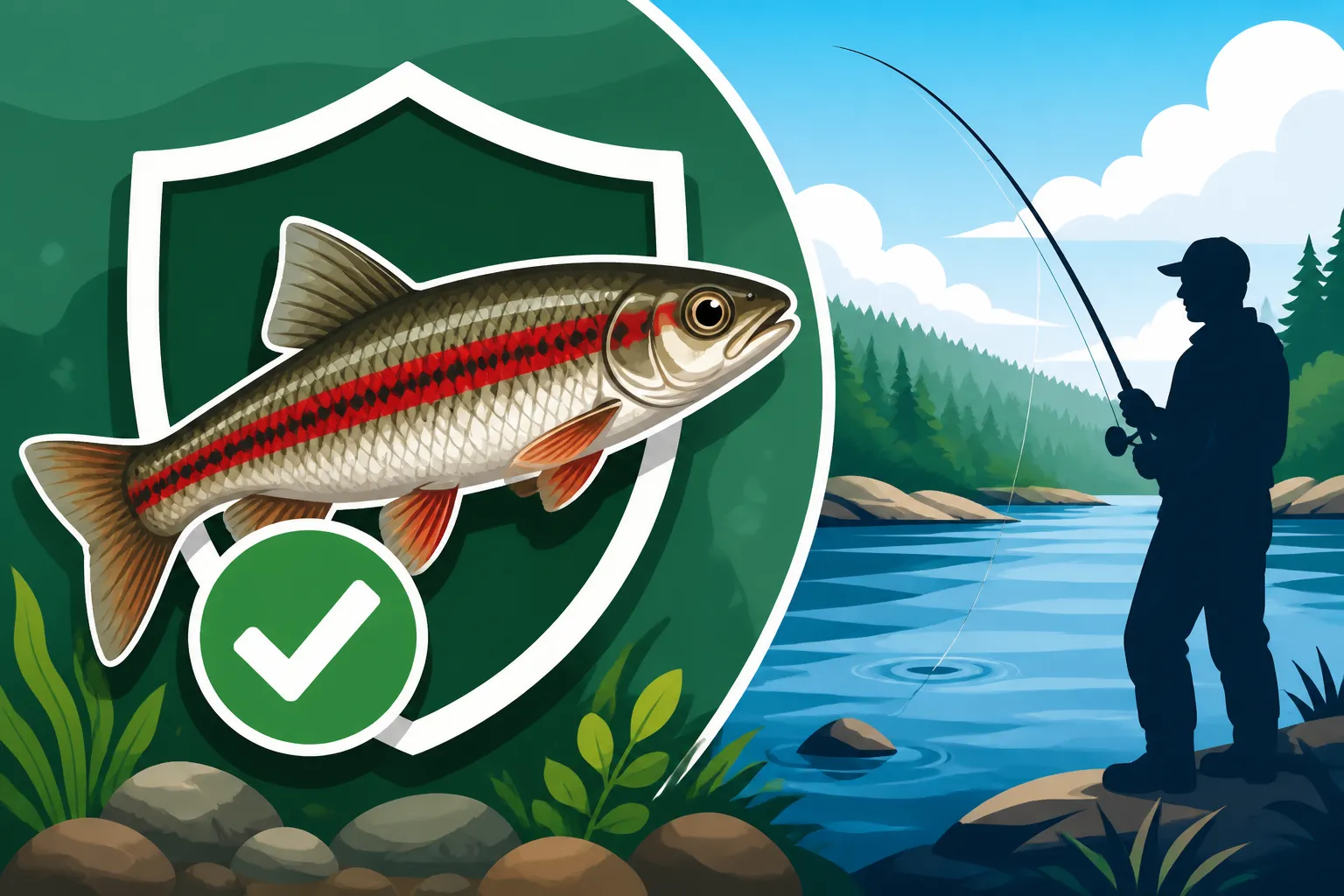
Imagine a small fish, typically no more than about 10 to 12 centimeters long, darting through clear, cool water. That's our redside dace. Its most striking feature, and the one that gives it its name, is a brilliant red stripe that runs along its flank from behind the gill cover to just past the dorsal fin, becoming most vivid during spawning season. Below this red stripe, you'll often see a yellowish band, contrasting beautifully with its dark olive-green back and silvery belly. They have fairly large eyes and a small, upward-pointing mouth, which is adapted for feeding on insects that fall onto the water's surface.
For an angler who primarily targets larger game fish, it's easy to mistake a redside dace for a generic minnow or another common baitfish. This can be a genuine point of frustration, especially if you're trying to adhere to regulations but aren't sure what you're looking at. They're typically found in clear, cool, headwater streams with gravel or cobble bottoms and a good mix of riffles and pools. Look for areas with overhead canopy from trees and shrubs, which help keep the water cool and provide crucial insect habitat. These aren't the big, open lakes you often fish; think smaller, more intimate streams.
Its Unique Role in the Ecosystem
Don't let the redside dace's diminutive size fool you; it plays a mighty role in the health of our watersheds. As a 'forage fish,' it's a vital food source for larger fish, birds, and even some mammals. Think of it as a crucial link in the aquatic food chain, converting smaller invertebrates into a protein-rich meal for other creatures. Without them, the entire ecosystem would feel the impact, from the top predators down.
Beyond its role as a food source, the redside dace is considered an "indicator species." This means its presence and health are direct reflections of the quality of its environment. If you find a healthy population of redside dace, it's a strong sign that the water quality is good, there's ample aquatic insect life, and the riparian habitat (the land along the stream banks) is intact and functioning well. Conversely, their decline or absence signals environmental distress, often due to pollution, habitat degradation, or invasive species. Protecting the redside dace isn't just about saving one species; it's about safeguarding the very streams and rivers we love to fish. Understanding these vital connections really drives home why respecting Ontario Fishing Regulations Explained is so important, even for the smallest creatures.
The "Protected Status" Explained: What It Means for Anglers
Finding out a fish you've encountered is "protected" can feel daunting. It adds another layer of responsibility to our time on the water, but it's a responsibility born out of necessity. The redside dace isn't protected simply to make things complicated; it's protected because its very existence is at risk due to human activity and environmental changes. For us anglers, knowing what this status entails is the first step towards responsible and legal fishing.
Legal Protections and Regulations in Ontario
In Ontario, the redside dace is listed as "Endangered" under the provincial Endangered Species Act (ESA). This is a serious designation, meaning the species faces immediate and serious threats to its survival and reproduction in the province. Federally, it's also recognized as "Endangered" under the Species at Risk Act (SARA). These designations bring strict legal protections.
What does this mean for you, the angler? In short, it is illegal to kill, harm, harass, capture, or possess redside dace. This includes intentionally targeting them for bait or any other purpose. It's also illegal to damage or destroy their habitat. The intent here isn't to punish accidental encounters, but to prevent any activities that could intentionally or carelessly impact the species. This legal framework is put in place because the redside dace population has suffered dramatically from habitat loss and degradation, especially in urbanizing areas. Paved surfaces lead to increased runoff, carrying pollutants and sediment into their sensitive stream environments. The loss of stream-side vegetation means warmer water temperatures and fewer insects – both critical for dace survival. When we talk about Endangered and Protected Fish Species in Ontario, the redside dace is a prime example of a species needing our direct consideration and protection.
Designated Critical Habitat and Restricted Zones
Part of the redside dace's protection includes the designation of critical habitat. This means specific areas that are essential for the survival and recovery of the species are legally protected. In Ontario, redside dace are primarily found in the headwater streams of various watersheds flowing into Lake Ontario, especially within the Greater Toronto Area (GTA) and surrounding regions. Think of places like the Rouge River, Duffins Creek, Petticoat Creek, Sixteen Mile Creek, and other tributaries. These are often smaller, shallower streams that might seem insignificant but are ecological hotspots for this species.
For anglers, this designation means that fishing activities within or near these critical habitats must be undertaken with extreme care. While you may not see "no fishing" signs everywhere, the general rule of "no harm, no harass, no possession" still applies. It's not about prohibiting fishing entirely, but about ensuring our presence doesn't negatively impact these fragile populations. Knowing if you're fishing in a known redside dace watershed can help guide your approach. For example, if you're exploring Best Fly Fishing Rivers in Ontario in these areas, understanding the specific environmental sensitivities is paramount. Always check local regulations and advisories, which sometimes list Special Regulation Waters in Ontario where extra precautions are needed due to sensitive species or habitats.
What Anglers Need to Know: Best Practices for Coexistence
As anglers, we're often the first line of defence for our waterways. We're out there, observing, engaging, and ideally, practicing stewardship. When it comes to species like the redside dace, our actions can make a real difference. Coexisting means understanding our impact and adjusting our habits to protect these vulnerable fish and their homes.
Accidental Encounters and Catch-and-Release Protocol
Let's be realistic: sometimes, an accidental catch happens. You might be targeting smallmouth bass in a stream that also harbours redside dace, and a dace just happens to take your lure. The key here is quick, responsible action. If you realize you've caught a redside dace:
- Minimize Handling: Do not take the fish out of the water if at all possible.
- Quick Release: Use needle-nose pliers or a hemostat to gently remove the hook while the fish is still submerged.
- No Photos: Resist the urge for a photo. The stress of being out of water, even for a few seconds, can be detrimental to an endangered species.
- Avoid Lures: If you consistently find yourself catching redside dace, consider switching to lures that are less likely to be taken by small fish, or moving to a different spot. Smaller, insect-imitating flies or micro-jigs might attract them, so larger presentations could help avoid incidental catches.
To minimize the chance of catching them in the first place, think about your tackle. If you're fishing in known dace habitat, consider using slightly larger lures or flies that are less likely to be mouthed by a small fish. Barbless hooks are always a good idea for Ontario Catch and Release Only Waters and especially for protecting sensitive species, as they cause less damage and allow for quicker release. You might find a good selection of these on Amazon, making it easy to prepare for responsible fishing.
Protecting Redside Dace Habitat While Fishing
Our impact extends beyond just what we catch. The health of the entire stream environment is critical for redside dace, and anglers can play a significant role in protecting it.
- Mind Your Footprint: When wading, avoid disturbing the stream bed unnecessarily, especially in areas with gravel or cobble where dace might be spawning or foraging. Excessive siltation from disturbed banks can smother eggs and impact insect populations. If you're using Wading Techniques for Ontario Trout Streams, apply the same care in dace habitat.
- Prevent Pollution: Pack out everything you pack in. Even a small piece of discarded fishing line or a dropped snack wrapper can become a source of pollution or a hazard to aquatic life. This includes being mindful of any chemicals or foreign substances that might wash off your gear.
- Respect Riparian Zones: The vegetation along the stream banks is crucial. It provides shade, keeping water temperatures cool, and stabilizes the banks, preventing erosion. Avoid trampling plants or disturbing bank structure.
- Prevent Invasive Species: Always clean your boots, waders, and gear thoroughly between fishing locations to prevent the spread of invasive species or diseases. Even tiny plant fragments or mud can carry harmful organisms that could outcompete or endanger native species like the redside dace.
- Support Local Conservation Efforts: Many local conservation authorities and environmental groups in Ontario are actively involved in redside dace recovery efforts, including habitat restoration and monitoring. Learning about their work, or even volunteering, can be a direct way to contribute to the protection of this unique fish.
Resources and Further Information for Responsible Anglers
Being a responsible angler is about more than just knowing the rules; it's about being an active participant in conservation. For a species as sensitive as the redside dace, having the right information and knowing how to act on it is incredibly powerful. Let's make sure we're all equipped to be guardians of our shared waters.
How to Report Sightings or Suspected Violations
If you happen to spot a redside dace, especially in a new or unexpected location, or if you witness activities that you suspect might be harmful or illegal concerning endangered species or their habitat, reporting it is crucial. Your observations can provide invaluable data for conservation efforts and enforcement.
Here's how you can typically report:
- Ontario Ministry of Natural Resources and Forestry (MNRF): This is the primary provincial authority responsible for natural resources and endangered species. You can usually find a general inquiry line or an enforcement line on their website. They have offices across Ontario, and often a simple phone call can direct you to the right department.
- Local Conservation Authorities: Many of the watersheds where redside dace are found are managed by local conservation authorities (e.g., Toronto and Region Conservation Authority, Credit Valley Conservation). They often have specific programs and contacts for species at risk.
- Local Organizations: There are often local environmental groups or watershed councils dedicated to the health of specific rivers and streams. They might have reporting mechanisms or can guide you on how to best report your observation.
When reporting, try to provide as much detail as possible: the date and time of the sighting or incident, the exact location (GPS coordinates if possible, or clear landmarks), a description of what you observed, and if applicable, any identifying features of individuals or vehicles involved. Remember, these reports help protect not just the redside dace, but the entire aquatic environment we cherish.
Getting Involved in Conservation Efforts
Beyond reporting, there are many ways for concerned anglers to actively contribute to the recovery of the redside dace and other vulnerable species. It's empowering to move from simply being aware to being an engaged steward.
- Volunteer Opportunities: Local conservation authorities and environmental organizations frequently organize tree planting events along stream banks, stream clean-ups, or citizen science monitoring programs. Participating in these can be a fantastic way to directly improve habitat quality for redside dace and other fish. It's also a great way to meet like-minded people who share your passion for Ontario's outdoors.
- Educate Yourself and Others: Share what you've learned about the redside dace with your fellow anglers, friends, and family. The more people who understand the importance of this little fish and its protected status, the better. Knowledge is a powerful tool for conservation. You might even find comprehensive field guides to Ontario fish species on Amazon, which can be invaluable tools for identifying species like the redside dace on the go.
- Support Policy and Funding: Stay informed about local land-use planning decisions and advocate for policies that protect natural heritage and water quality. Conservation often relies on political will and adequate funding, so your voice as an engaged citizen truly matters.
- Practice Ethical Angling: Continuously refine your angling practices to be as low-impact as possible. This includes using appropriate gear, practicing careful catch and release, and minimizing your footprint in sensitive habitats. Always ensure you have your Printing or Carrying a Digital Fishing License in Ontario in order, as license fees often contribute to fisheries management and conservation programs.
By taking these steps, we can all contribute to a healthier future for the redside dace and ensure that Ontario's precious aquatic ecosystems continue to thrive for generations to come.
| Feature | Redside Dace Identification | Protected Status Implications | Angler Best Practices |
|---|---|---|---|
| Appearance | Small (up to 12cm), vibrant red stripe, olive back, silvery belly | Not to be confused with common baitfish or other minnows | Learn to identify it to avoid accidental harm |
| Habitat | Clear, cool headwater streams, gravel bottoms, good tree canopy | Known critical habitat in many GTA watersheds is protected | Minimize stream bed disturbance, respect riparian zones |
| Legal Status | Provincially and Federally "Endangered" | Illegal to kill, harm, harass, capture, or possess | Practice careful catch-and-release; avoid targeting |
| Ecological Role | Forage fish, indicator species for water quality and ecosystem health | Protecting dace protects the entire ecosystem | Report sightings, prevent pollution, control invasives |
| Accidental Catch | Small, upward-pointing mouth, takes surface insects | Immediate, gentle release required if caught | Use larger lures; switch to barbless hooks for quick release |
Disclaimer
This article is for general informational purposes only and does not constitute professional advice. Laws, prices and regulations vary by location and change over time. Consult a qualified professional for guidance on your specific situation.