Differences between Ontario’s lake and river fish populations
One of the most common questions I get from fellow anglers, especially those new to exploring Ontario's vast waters, is about why the fishing can feel so different between a sprawling lake and a winding river. It’s not just about the size of the water; it's about the entire ecosystem, the flow, the food, and ultimately, the fish themselves. This guide will dive deep into the fundamental distinctions between Ontario's lake and river fish populations, helping you understand what makes each unique and how to approach them effectively.
Understanding the Fundamental Differences in Aquatic Environments
When you're standing on the shore, looking out at the expanse of a large lake or listening to the rushing current of a river, you're not just observing two different bodies of water; you're witnessing two entirely different worlds, each with its own set of rules and inhabitants. These environmental distinctions profoundly shape the types of fish that thrive there, how they behave, and ultimately, how we, as anglers, need to adapt.
Hydrology and Water Flow
The most obvious difference between a lake and a river is the presence and direction of water flow. Lakes are largely stagnant, or at least have very subtle, unnoticeable currents driven by wind or minor inflows/outflows. This lack of constant, unidirectional flow creates a stratified environment, especially in deeper lakes during summer, where distinct layers of water with different temperatures and oxygen levels form. Fish in lakes often respond to these layers, moving up or down to find their comfort zone. Think of a deep August day on Lake Superior; the surface might be warm, but the lake trout are hunkered down in the frigid, oxygen-rich depths.
Rivers, on the other hand, are defined by their continuous, often powerful, flow. This constant movement continually mixes the water, generally leading to more consistent temperatures and oxygen levels throughout the water column, though rapids and pools will certainly have their variations. The current itself is a dominant force, dictating how fish hold, feed, and expend energy. Fish in rivers are built for flow; they'll hug structure, find eddies, and use the current to bring food to them. A strong spring current on the French River, for example, will concentrate walleye in predictable slack water pockets behind boulders or log jams.
Habitat Diversity and Structure
Lakes, especially larger ones like Lake Simcoe or Lake Huron, offer immense habitat diversity. You'll find vast open water expanses, deep drop-offs, expansive shallow weed beds, rocky shoals, sandy flats, and areas with submerged timber. This variety allows for a wide range of fish species to coexist, each carving out its niche. A shallow, vegetated bay might be teeming with largemouth bass and northern pike, while just a stone's throw away, the deep main lake basin holds lake trout and cisco. The sheer scale often means finding fish can be like finding a needle in a haystack, but when you do, they might be there in numbers due to the abundant resources.
Rivers, while also diverse, present a different kind of structure. The current often carves out distinct features: deep pools, riffles (shallow, fast-moving sections), runs (deeper, smoother flowing sections), eddies (slack water behind obstructions), and cut banks. Structure in a river is almost always current-related. A large log jam or a substantial rock pile in a river provides crucial current breaks and ambush points that fish like smallmouth bass or walleye will utilize religiously. The key here is often understanding how fish relate to the flow, seeking out areas that offer both food delivery and energy conservation. When you're fishing a river, knowing how to read the water – spotting those seams and eddies – is paramount.
| Feature | Lakes (General Characteristics) | Rivers (General Characteristics) |
|---|---|---|
| Water Flow | Stagnant to slow, wind-driven, thermal stratification | Constant, unidirectional, varied speed, well-mixed |
| Depth | Can be very deep, large basins, varied topography | Varies along length, pools, runs, riffles |
| Temperature | Stratified layers, surface warms faster | More uniform, but influenced by air temp & shading |
| Oxygen | Can vary greatly by depth (thermocline), eutrophication concerns | Generally well-oxygenated due to mixing, localized low spots |
| Structure | Open water, weed beds, rocky shoals, drop-offs, points | Current breaks, eddies, log jams, boulders, cut banks |
| Food Sources | Plankton, baitfish (cisco, smelt), insects, crayfish | Insects (aquatic/terrestrial), minnows, crayfish, worms |
Key Fish Species and Their Habitat Preferences in Ontario
Ontario is a freshwater angler's paradise, boasting an incredible array of fish species. However, not every species thrives in both lake and river environments equally. Their physiological adaptations, spawning habits, and feeding strategies often dictate whether they prefer the still depths of a lake or the constant flow of a river.
Lake Dominant Species
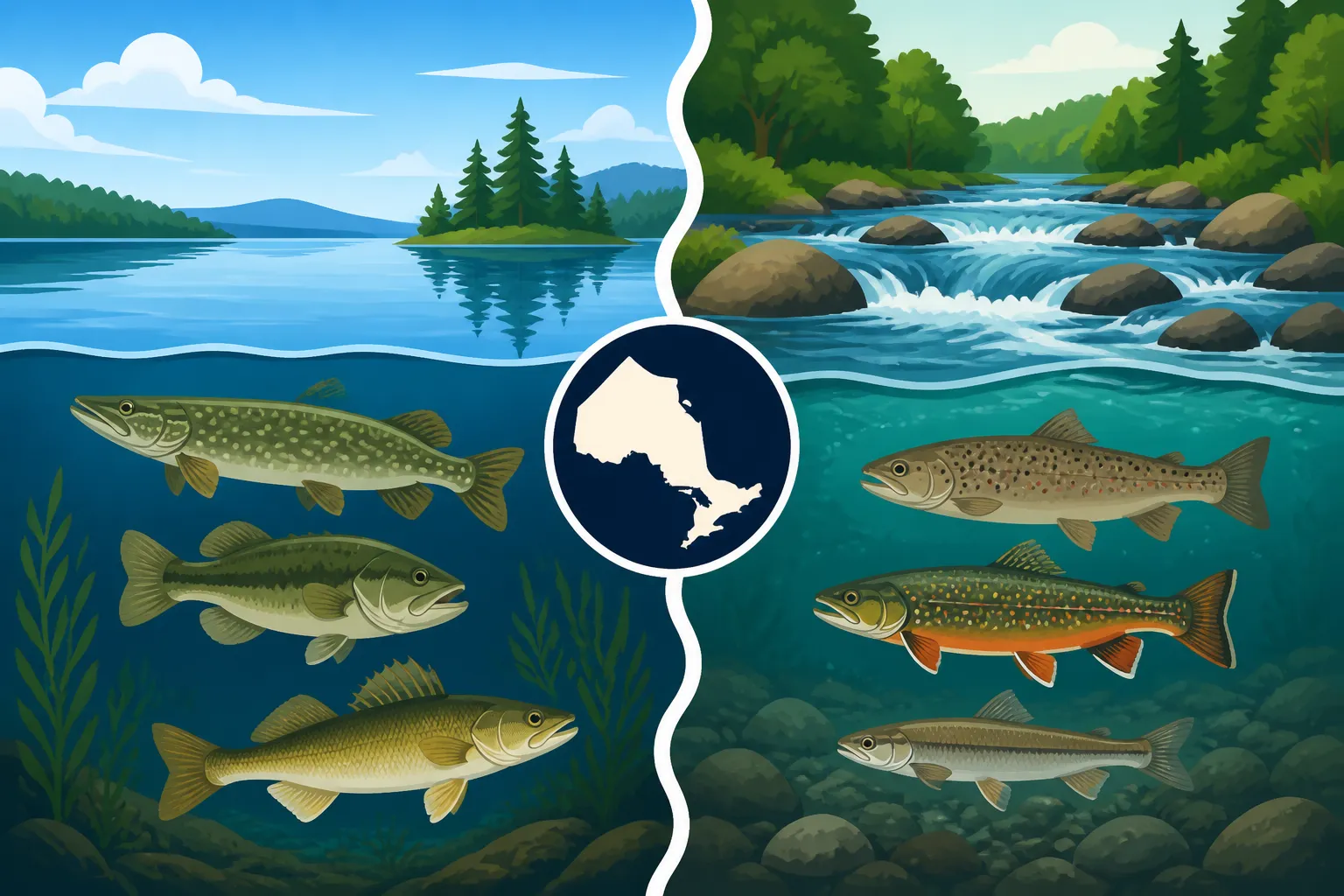
Certain fish species are undeniably at home in the expansive, often deeper, and more stable environments of lakes. Take Lake Trout Fishing in Ontario, for example. These cold-water giants absolutely rely on deep, well-oxygenated water, especially during the warmer months when surface temperatures rise. You won't find them in a shallow, warm river. They're built for pelagic life, cruising deep structures and chasing baitfish like cisco or smelt. Similarly, species like cisco and some forms of whitefish (which are key forage for lake trout and other predators) are pelagic, open-water dwellers, perfectly adapted to the vastness of lakes.
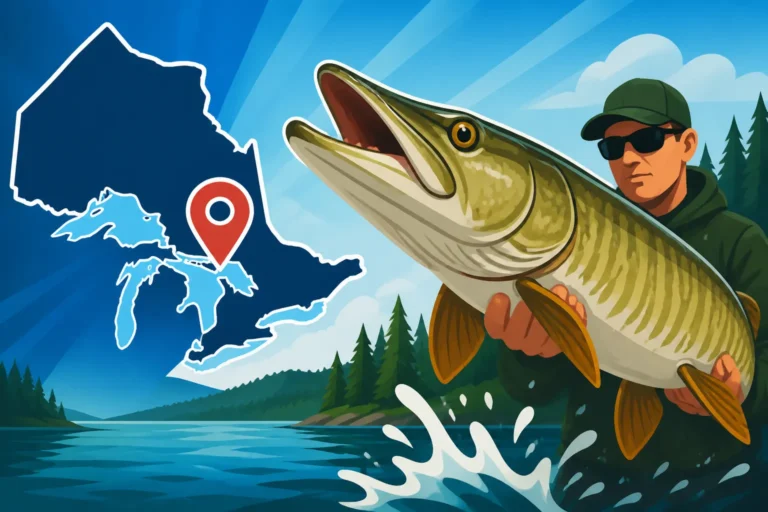
You'll also find some of the biggest Muskellunge Fishing in Ontario in large lakes like Georgian Bay or Lake St. Clair, where they can roam vast territories, ambushing prey from weed lines or rocky points. While muskies do inhabit rivers, the truly colossal specimens often come from lakes that offer abundant forage and extensive, diverse cover. Northern Pike Fishing in Ontario also thrive in lakes, particularly those with extensive shallow bays, dense weed beds, and plenty of cover from which to ambush unsuspecting prey. They can be found in rivers, but their dominance truly shines in lake systems.
River Dominant Species
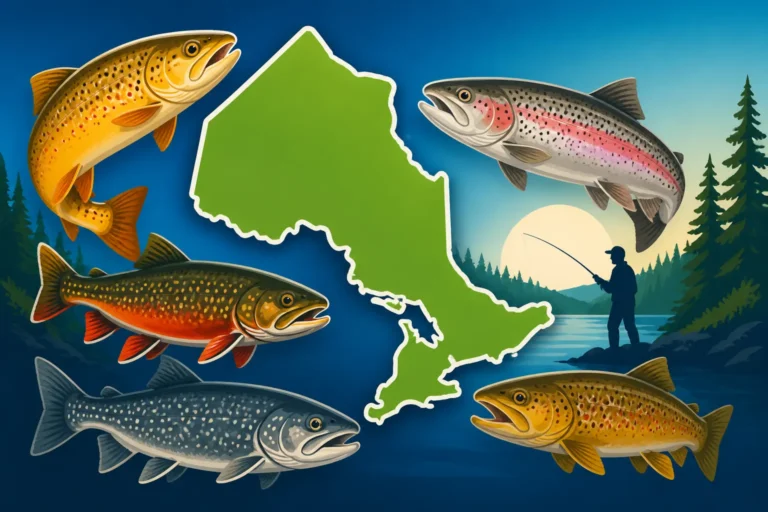
Then there are the fish that practically define river fishing. Many trout species, like brook trout and brown trout, are classic river inhabitants. Brook Trout in Ontario's Crown Land Lakes are famous for thriving in cold, clear, well-oxygenated rivers and streams, often seeking out gravel bottoms for spawning and feeding on aquatic insects. Their streamlined bodies and strong fins are perfect for holding in current and darting after prey.
Smallmouth Bass Fishing in Ontario are another prime example of a fish that absolutely thrives in riverine environments. While they are abundant in many lakes, river smallmouth are often celebrated for their incredible fighting spirit, honed by constantly battling current. They love rocky bottom, current seams, and eddies where they can ambush crayfish and minnows. The Ottawa River, for instance, is renowned for its incredible smallmouth fishery.
Walleye, while plentiful in many lakes (think of the Bay of Quinte), also have a very strong affinity for rivers, especially during certain times of the year. During spawning runs, countless Walleye Fishing in Ontario will migrate up rivers, concentrating in predictable locations. Beyond spawning, many river systems like the Niagara River hold resident walleye populations that use current breaks and deep pools for feeding and resting.
Species Adaptable to Both
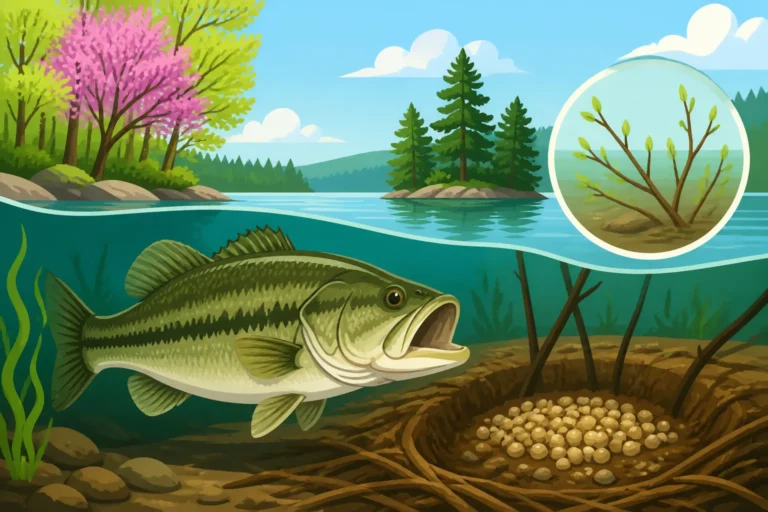
Of course, not all fish are so strictly categorized. Many species are quite adaptable and can be found in both lake and river environments, though their behaviour and preferred habitats within those systems might differ. For example, Largemouth Bass Fishing in Ontario prefer warmer, weedier, shallower water, which can be found in specific bays and backwaters of lakes as well as slower-moving river sections or oxbows. They're more about cover than current.
Yellow Perch are another fantastic example; they thrive in vast numbers in large lakes like Lake Erie and Lake Simcoe, but you'll also find healthy populations in many river systems, particularly in slower-moving sections with plenty of vegetation or submerged structure. Their adaptability makes them a popular target across diverse waters.
Adapting Your Fishing Strategy for Ontario's Lakes and Rivers
Understanding the differences between lake and river fish populations isn't just academic; it has a direct impact on how you should plan your fishing trips, choose your gear, and execute your techniques. Ignoring these distinctions is a surefire way to come home empty-handed.
Lake Fishing Strategies: Patience and Exploration
When fishing lakes, especially large ones, patience and a willingness to explore are key. Fish can literally be anywhere. This is where modern electronics like fish finders become invaluable, helping you locate structure, baitfish schools, and potentially, target species. Trolling is a very common and effective technique for covering vast expanses of water in lakes, particularly for species like lake trout and salmon in deeper lakes, or walleye in more open water. You're trying to find active fish by dragging lures through their suspected patrol routes. How to Catch Lake Trout in Ontario often involves understanding depth and thermoclines.
Still-fishing or anchor fishing near known structures (like submerged humps, weed lines, or rocky points) can also be highly productive. If you're targeting bass, focus on specific cover like fallen trees, docks, or thick lily pads. For species like Northern Pike Fishing in Ontario, casting large spoons or spinnerbaits along weed edges in shallow bays can be incredibly effective. The key is to break down the vastness into smaller, more manageable sections based on your target species' preferred habitat. Before heading out, it's often useful to consult topographic maps or even apps available on platforms like Amazon that offer detailed bathymetry.
River Fishing Strategies: Reading the Current and Precision
River fishing demands a different mindset. Instead of vastness, you're dealing with current and specific, often smaller, holding lies. The ability to "read the water" is paramount. Look for current breaks: anything that slows the water down, be it a large boulder, a log, a bend in the river, or a deep pool directly below a set of rapids. These are prime locations where fish expend less energy but still have access to food being swept downstream.
Casting accuracy and presentation are crucial in rivers. You often need to get your lure or bait into a very specific strike zone and keep it there for as long as possible. Techniques like drift fishing with a float, jigging in eddies, or carefully casting upstream and letting your lure drift naturally downstream are common. For How to Catch Smallmouth Bass in Ontario in a river, pitching tubes or jigs into current seams or behind structure can be incredibly effective. Understanding how fish face into the current and where they position themselves to feed without fighting the main flow is fundamental. Your anchor system, if using a boat, also needs to be robust enough to hold you in place against the current, which you can easily find options for on Amazon.
Gear Considerations
The environment also influences your gear choices. For lake fishing, especially from a boat, you might lean towards longer rods for casting distance or specialized trolling setups with downriggers. Heavier line might be preferred for battling big lake trout or muskies in open water. On the other hand, river fishing might call for shorter, more precise rods, lighter line for finesse presentations, and often, waders if you're planning on covering water on foot. A good pair of polarized sunglasses (often available on Amazon) is essential for both, but particularly useful in rivers for spotting submerged structure and fish.
| Feature | Lake Fishing Strategy | River Fishing Strategy |
|---|---|---|
| Approach | Explore vast areas, cover water, target structure | Read current, identify holding lies, precise presentations |
| Key Techniques | Trolling, casting to structure, vertical jigging, still-fishing | Drift fishing, casting into eddies/seams, wading |
| Electronics | Essential for finding structure, bait, and depth | Less critical, but useful for understanding bottom contour |
| Lure Presentation | Can be less precise, covering larger areas with baits | Highly precise, often requiring natural drifts and exact casts |
| Focus | Habitat types (weed beds, rock piles, drop-offs) | Current breaks, eddies, pools, riffles, runs |
| Boat Use | Often crucial for accessing vastness and depths | Useful for larger rivers, but shore/wading is also common |
Conservation and Management Considerations for Lake and River Fisheries
Understanding the unique characteristics of lake and river fish populations is also vital for effective conservation and sustainable management. Ontario's Ministry of Natural Resources and Forestry (MNRF) employs different strategies to manage these diverse fisheries, recognizing that a "one size fits all" approach simply doesn't work. Each environment faces its own set of challenges, from habitat degradation to invasive species.
Targeted Regulations
Because of the distinct environments and the species that inhabit them, regulations often differ between lakes and rivers, even within the same Ontario Fisheries Management Zones, Explained. For instance, a particular river system might have specific size limits or catch-and-release only sections for trout, reflecting the delicate nature of those populations and their spawning grounds. A lake, on the other hand, might have different slot limits for walleye, designed to protect larger breeding fish in that particular large water body.
Anglers are responsible for knowing these nuances. Always check the current Ontario Fishing Regulations Summary. These regulations are meticulously crafted to account for localized population health, spawning periods, and pressure from anglers. Ignoring them, even unintentionally, can have significant impacts on fish stocks. For example, removing a large breeding walleye from a river during a critical spawning run can be much more detrimental to that localized population than removing a fish of similar size from a vast lake system with a larger, more dispersed breeding stock.
Habitat Protection and Restoration
Conservation efforts for lakes often focus on protecting shorelines, managing aquatic vegetation, and addressing issues like nutrient loading (eutrophication) which can lead to algal blooms and oxygen depletion in deeper waters. Protecting critical spawning shoals for lake trout or muskellunge is paramount.
For rivers, habitat protection revolves around maintaining water quality, managing riparian zones (the land directly bordering the river) to prevent erosion and sedimentation, and ensuring fish passage past dams or other obstructions. Restoring natural meanders, enhancing instream cover, and preserving cold-water inputs are crucial for river-dwelling species like brook trout. Understanding these differences allows conservation groups and government agencies to implement effective, targeted programs that truly benefit the fish and their ecosystems. Many excellent books on river conservation, often found on Amazon, delve into these specific challenges.
Invasive Species Management
Both lakes and rivers are susceptible to invasive species, but the impact and management strategies can vary. In large lakes, species like zebra mussels or quagga mussels can drastically alter the food web and water clarity, impacting pelagic baitfish and their predators. Round gobies, another invader, have established themselves in many Ontario lakes and rivers, competing with native fish for food and habitat.
In rivers, the rapid spread of species like common carp can degrade habitat by uprooting vegetation and stirring up sediment. Preventing the introduction and spread of invasive species is a shared responsibility, whether you're fishing a small creek or a Great Lake. Always clean, drain, and dry your boats and gear between different water bodies to avoid transporting unwanted hitchhikers. This simple act helps protect the unique fish populations of both our precious lakes and rivers.
Disclaimer
This article is for general informational purposes only and does not constitute professional advice. Laws, prices and regulations vary by location and change over time. Consult a qualified professional for guidance on your specific situation.