What fish species thrive in cold tailwaters
There's a special kind of challenge and reward that comes with fishing Ontario's cold tailwaters. Many anglers find these unique environments a bit intimidating at first glance, often wondering why some rivers stay so consistently chilly, even in the heat of summer, and what fish are actually tough enough to not just survive but thrive in them. This guide is here to demystify these fascinating waterways and introduce you to the remarkable fish species that call them home, along with tips on how to approach them.
Understanding Ontario's Cold Tailwaters: A Unique Ecosystem for Fish
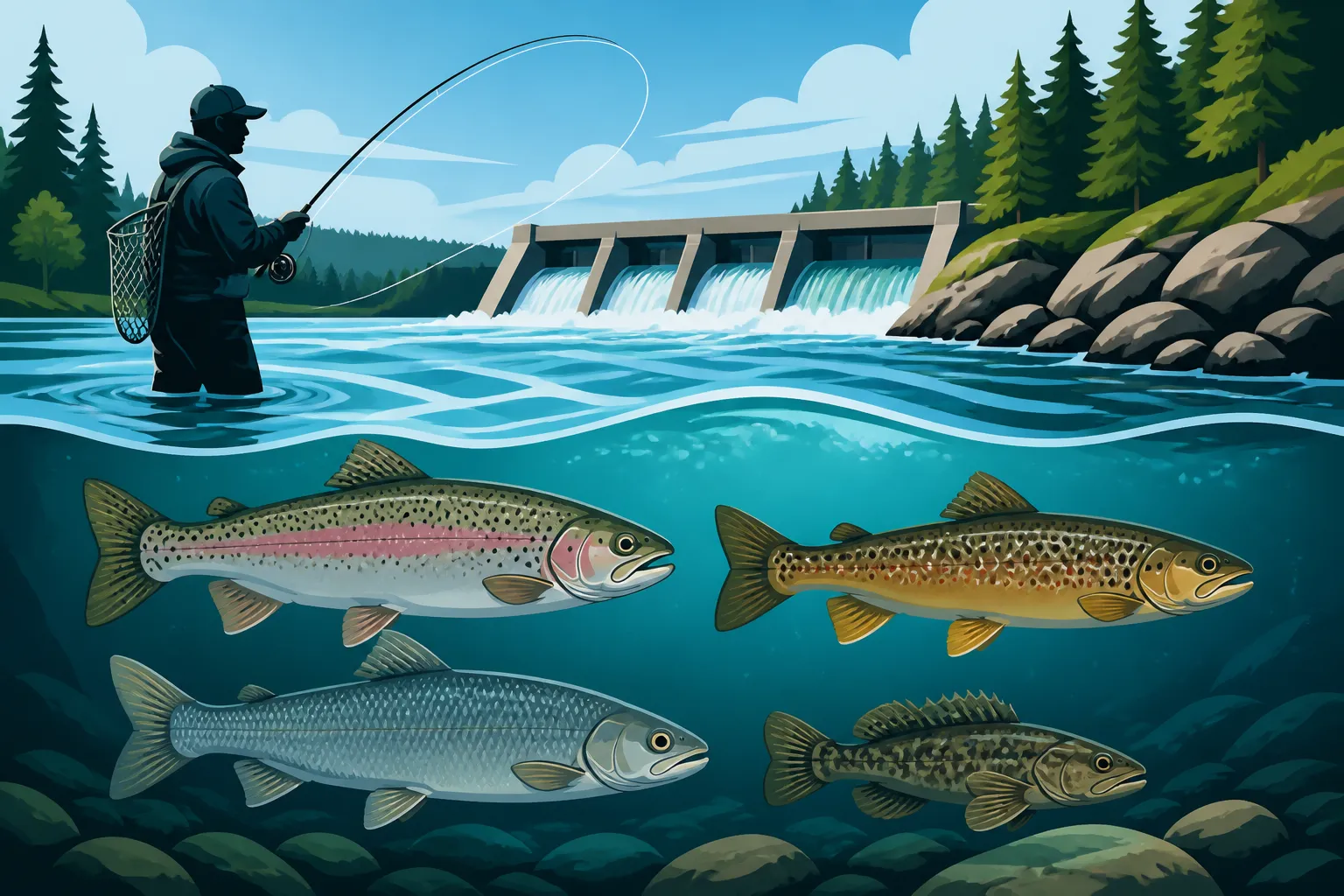
When we talk about "tailwaters" in Ontario, we're referring to the sections of rivers located immediately downstream from a dam or reservoir. These aren't just any old stretches of river; they are fundamentally altered by the structures upstream, creating a very distinct and often highly productive fishery. The conditions here are often vastly different from the river sections above the dam, or even from unregulated rivers nearby.
The Source of the Chill: Why Dams Create Coldwater Havens
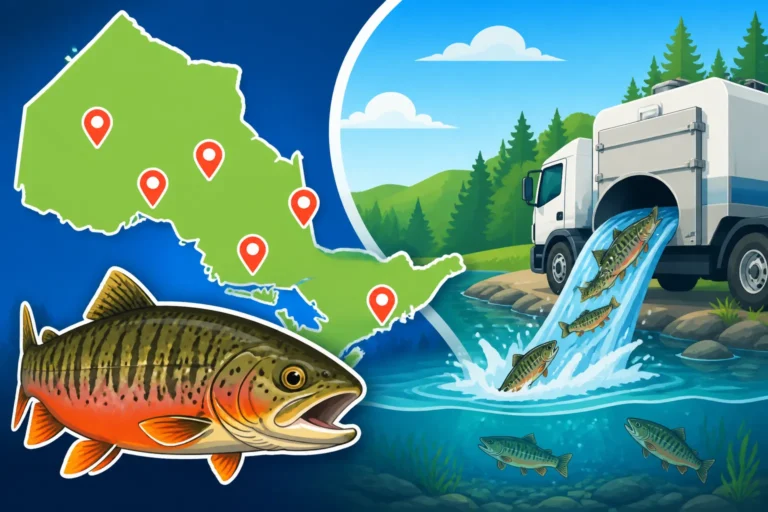
The primary reason tailwaters are so cold, especially in regions where rivers might otherwise warm significantly in summer, lies deep within the reservoir itself. Dams typically release water from the bottom of the reservoir, where sunlight can't penetrate to warm it up. This deep water stays consistently cold, often in the single-digit Celsius range, year-round. Think about it: a massive body of water, several metres or even dozens of metres deep, acts like a giant refrigerator. As this icy cold water is released, it dramatically influences the downstream river temperatures. Even during a scorching July heatwave, the river below a dam can feel shockingly cold, often maintaining temperatures perfect for species that simply couldn't survive elsewhere in warmer, shallower rivers. This effect is a huge boon for coldwater fish, turning what might otherwise be a warmwater bass or pike river into a prime trout and salmon fishery. It's truly a marvel of unintended ecological engineering, providing vital habitat for species like Brook Trout Native Range in Ontario far south of their typical northern strongholds.
Consistent Conditions: How Tailwaters Offer Stability
Beyond just being cold, tailwaters offer a level of environmental stability that's rare in natural river systems. The flow is often regulated, meaning sudden, dramatic fluctuations from heavy rainfall or spring melt can be mitigated by the dam. While dam operators do release water, causing changes in flow, these changes are generally more predictable and less extreme than what an unregulated river might experience. This consistency in temperature and flow provides a stable habitat for aquatic insects and fish. Insects, the building blocks of any healthy river ecosystem, can thrive without being washed away by sudden torrents or suffocated by extreme low water. This, in turn, provides a steady food source for fish, allowing them to grow larger and healthier. For an angler, this stability means that while conditions can change with dam releases, the fundamental coldwater character of the river remains constant, giving you a better idea of what species you'll encounter and what strategies might work best. It's a stark contrast to the boom-and-bust cycles some natural rivers face, making tailwaters often incredibly productive.
The Star Residents: Fish Species That Thrive in Ontario's Cold Tailwaters
Ontario's cold tailwaters are essentially man-made coldwater havens, and they provide incredible opportunities for specific fish species that crave those crisp, oxygen-rich conditions. You won't find every fish species here, but the ones you do encounter are often robust, strong, and plentiful, offering some of the most exciting fishing experiences in the province.
Brown Trout: Masters of the Tailwater Realm
Brown trout are, arguably, the quintessential tailwater fish. These incredibly adaptable and often wily fish absolutely adore the stable, cold temperatures and consistent food supply that tailwaters provide. Originating from Europe, brown trout have been widely stocked and have established self-sustaining populations in many of Ontario's tailwater systems. They are known for their resilience and their ability to grow to impressive sizes, often reaching trophy proportions in these nutrient-rich environments. They feed voraciously on the abundant insect life, baitfish, and even smaller trout, making them a top predator in these stretches of river.
Anglers targeting browns in tailwaters often find them holding in seams between currents, behind large rocks, or under cut banks – anywhere they can conserve energy while waiting for food to drift by. Their coloration, a beautiful mix of gold, brown, and red spots often ringed with a lighter halo, helps them blend perfectly into the rocky or gravelly bottoms of these rivers. If you're looking for a challenging fight and a truly beautiful fish, the brown trout in an Ontario tailwater is a fantastic target. Understanding their habits, as detailed in Brown Trout Habits in Ontario Streams, is key to success.
Rainbow Trout and Steelhead: Hardy and Energetic
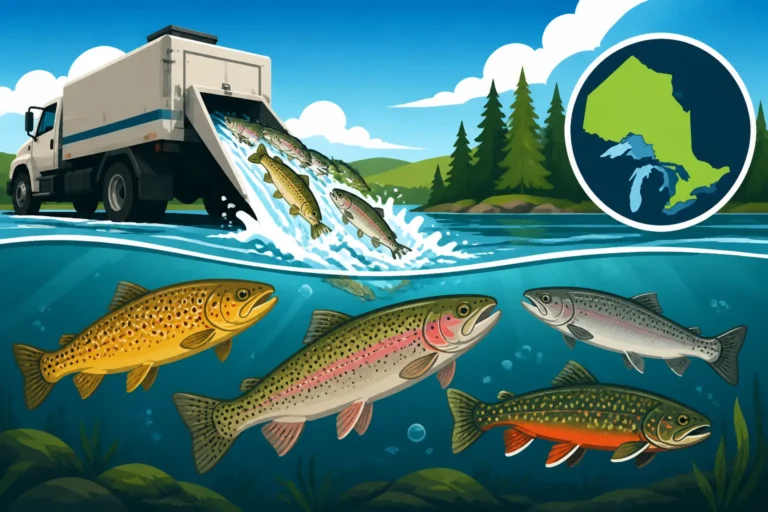
Rainbow trout are another species that thrives in the cold, clear waters of tailwaters. They are known for their strong fighting ability and their vibrant, iridescent stripe along their flank. Like brown trout, they benefit immensely from the consistent cold temperatures and rich insect hatches. Many of Ontario's tailwaters are regularly stocked with rainbow trout, ensuring a healthy population for anglers.
Then there's the steelhead – essentially a migratory rainbow trout that spends part of its life in the Great Lakes before returning to rivers to spawn. When these powerful fish enter a tailwater system, often for extended periods, they bring an unparalleled level of excitement. Steelhead are famous for their incredible acrobatic jumps and long runs, making them a bucket-list fish for many Ontario anglers. They require clean, cold water for their spawning migrations, and tailwaters often provide just that, acting as crucial pathways or spawning grounds. Knowing Rainbow Trout Stocking in Ontario can help identify prime locations.
Pacific Salmon: Brief, Powerful Visitors
While not permanent residents of most tailwaters year-round, certain Pacific salmon species, particularly Chinook and Coho salmon, utilize these coldwater rivers during their annual spawning runs. These magnificent fish, after spending years growing to immense sizes in the Great Lakes, will push upstream into rivers, including tailwater sections, in late summer and fall. They are driven by an instinctual urge to reproduce and will fight with incredible power when hooked.
Fishing for salmon in tailwaters during these runs is an experience unlike any other. The sheer size and strength of these fish are awe-inspiring. They congregate in deeper pools, behind structure, and in faster runs, creating incredible fishing opportunities for those willing to brave the often-crowded banks during peak season. Their presence, though seasonal, adds another exciting dimension to the diverse tailwater fishery. You’ll definitely want a strong rod and reel when these giants show up.
Here’s a quick overview of some of the key species you'll encounter and their general characteristics in Ontario's cold tailwaters:
| Fish Species | Preferred Water Temp | Primary Diet | Typical Size (River) | Best Seasons | Unique Trait |
|---|---|---|---|---|---|
| Brown Trout | 10-18°C (50-65°F) | Insects, Baitfish, Crustaceans | 30-60 cm (12-24 in) | Year-round, Fall & Spring best | Wily, can grow very large, nocturnal |
| Rainbow Trout | 10-20°C (50-68°F) | Insects, Small Fish | 25-50 cm (10-20 in) | Year-round, Spring best | Energetic fighters, surface feeders |
| Steelhead (Rainbow) | 4-15°C (40-60°F) | Baitfish, Insects | 50-80+ cm (20-30+ in) | Fall, Winter, Spring | Anadromous, acrobatic, powerful |
| Chinook Salmon | 7-18°C (45-65°F) | Great Lakes Baitfish | 70-100+ cm (28-40+ in) | Late Summer, Fall | Largest Pacific salmon, brutal fight |
| Coho Salmon | 7-18°C (45-65°F) | Great Lakes Baitfish | 40-70 cm (16-28 in) | Late Summer, Fall | Aggressive, good table fare |
Angling Strategies for Success in Cold Tailwaters
Fishing cold tailwaters isn't just about showing up with a rod; it requires a thoughtful approach, an understanding of the environment, and the right gear. These dynamic systems, with their powerful currents and often deep runs, demand respect and a willingness to adapt your techniques.
Reading the Currents and Structure
The current is your map in a tailwater. Fish, especially trout and salmon, are masters of conserving energy, so they'll position themselves in places where food is delivered directly to them with minimal effort. Look for seams where fast water meets slower water, behind large boulders, in deep pools, under cut banks, and at the head and tailouts of rapids. These are prime holding lies where fish can ambush prey or simply rest. The water might look uniform from above, but below the surface, there's a complex interplay of currents, eddies, and upwellings.
Learning to "read the water" is perhaps the most crucial skill. Observe how the water flows, where bubbles collect, and where currents diverge. A good pair of polarized sunglasses, easily found on Amazon, can help you peer into the water and spot submerged structure or even fish themselves. Pay attention to changes in depth and current speed, as these are often where fish will stack up. A slower, methodical approach, systematically working different sections of a run, will often yield better results than simply casting aimlessly. Remember that even small current breaks can hold a significant fish, particularly in powerful flows.
Essential Gear and Techniques for Tailwater Anglers
When it comes to gear, cold tailwaters often call for specific setups to handle the powerful currents and larger, stronger fish. For fly anglers, a 6 to 8-weight fly rod is typically appropriate, depending on the target species and water conditions. You'll often be using heavier nymph rigs or streamers, so a rod with a bit more backbone is essential. For spin fishing, a medium to medium-heavy rod with a fast action is ideal, paired with a reliable reel spooled with strong line – braided line with a fluorocarbon leader is a popular choice for sensitivity and abrasion resistance. Many anglers swear by the precise presentations offered by gear available from brands like Shimano and Daiwa, which offer a range of robust rods and reels suited for these conditions.
Techniques will vary widely. For trout, fly fishing with nymphs (often indicator nymphing or Euro nymphing) is incredibly effective, mimicking the aquatic insects drifting downstream. Streamer fishing can also entice larger, predatory trout. Spin anglers will find success with various lures like inline spinners, spoons, small crankbaits, or even drifting bait. For salmon and steelhead, heavier presentations are often required, whether it's large fly patterns, drifting roe bags, or throwing spoons and large swimbaits. Wading safely is paramount; strong currents can be dangerous. A good pair of studded wading boots and a sturdy wading staff are indispensable for navigating slippery rocks and swift flows. You can find excellent choices for Wading Boots for Rocky Streams and Wading Staff for Fast Current online. Always prioritize safety, especially when the water levels are high due to dam releases.
Protecting Ontario's Tailwater Fisheries: Conservation and Ethics
Ontario's tailwaters are precious resources, offering incredible fishing opportunities that rely heavily on the health of the ecosystem and the responsible actions of anglers. Maintaining these unique environments requires a commitment to conservation and adherence to ethical angling practices.
Catch and Release Practices
Given the popularity and productivity of many tailwater fisheries, catch and release is often a cornerstone of ethical angling. Many tailwater systems have specific regulations regarding retention, with some stretches designated as catch-and-release only for certain species or all species. Always consult the most current Ontario Fishing Regulations Summary, as these rules can vary by zone and even by specific river section. When practicing catch and release, handle fish gently and minimize their time out of water. Use barbless hooks, or pinch down barbs on your regular hooks, to reduce harm. A rubberized landing net is much kinder to a fish's delicate slime coat and fins than a knotted nylon net. Gently support the fish in the water until it's ready to swim away under its own power. This approach ensures that these robust populations can continue to provide fantastic fishing for generations to come.
Respecting the Environment and Fellow Anglers
Fishing in tailwaters often means sharing the river with other anglers. These productive stretches can draw a crowd, especially during prime seasons like the salmon runs or the spring trout bite. Courtesy and respect are vital. Give other anglers ample space, avoid cutting lines, and be mindful of your casting area. If someone is already fishing a prime spot, move downstream or upstream and wait your turn. Pack out everything you pack in, including discarded fishing line, bait containers, and any other trash. Leave no trace. These rivers are not just for us, but for wildlife, future generations, and the ecosystem itself. Familiarizing yourself with general Ontario Fishing Regulations Explained will ensure you're fishing legally and responsibly. By practicing good etiquette and prioritizing the health of the fishery, we ensure these fantastic cold tailwater fishing opportunities remain for everyone to enjoy.
Disclaimer
This article is for general informational purposes only and does not constitute professional advice. Laws, prices and regulations vary by location and change over time. Consult a qualified professional for guidance on your specific situation.