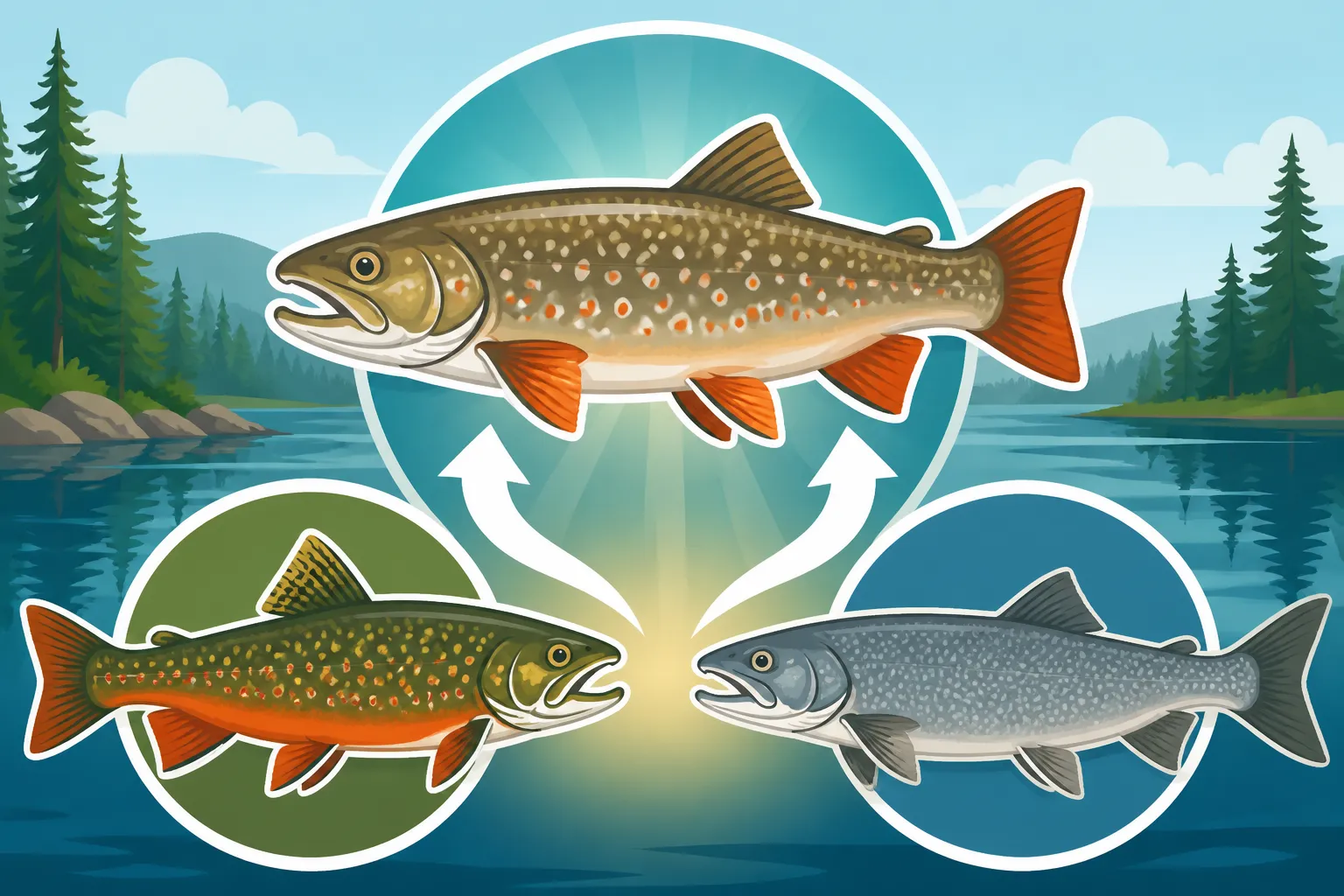
What a splake is a cross between
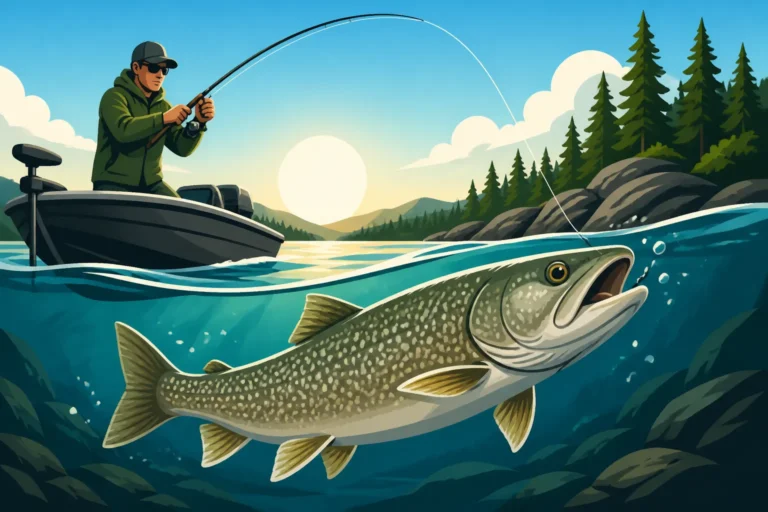
You're out on an Ontario lake, reeling in a beautiful fish, and it looks a bit like a brook trout, but also kind of like a lake trout. You might even catch one that has you scratching your head, wondering, "What exactly is this fish?" Many anglers in Ontario have encountered the enigmatic splake, a fascinating hybrid that combines traits from two beloved native species. This guide is going to peel back the layers on this unique fish, exploring its origins, why it's a popular choice for stocking, and how you can identify it and even target it on your next fishing adventure.
Unraveling the Mystery: What Exactly is a Splake?
The term "splake" isn't just a fun, catchy name; it's a portmanteau, a blend of "speckled trout" (another common name for brook trout) and "lake trout." This name gives you the biggest clue right off the bat: a splake is a hybrid, specifically a cross between a male brook trout and a female lake trout. It's a fascinating example of how nature, sometimes with a little help from human hands, can create something new and exciting for anglers.
The Parent Species: Lake Trout and Brook Trout
To truly appreciate the splake, we first need to understand its distinguished parents. Both the brook trout ( Salvelinus fontinalis ) and the lake trout ( Salvelinus namaycush ) are iconic species in Ontario's coldwater fisheries, each with its own distinct characteristics and appeal.
The brook trout, often affectionately called "brookies" or "speckled trout," are truly native to Ontario's pristine coldwater streams, rivers, and smaller, clear lakes. They are absolute gems, known for their stunning colours: vermiculated patterns (worm-like markings) on a dark olive to black background, often with bright red spots surrounded by blue halos on their sides. Their lower fins are typically orange with a distinct white leading edge followed by a black stripe, a classic identifier. Brook trout are generally smaller than their lake trout cousins, preferring very cold, highly oxygenated water. They're often found in relatively shallow areas, hiding around structure like fallen logs, undercut banks, or large rocks. Anglers love them for their spirited fight, beautiful appearance, and delicious table fare. They're a staple for fly fishers in particular, who seek them out in the remote, untouched waters of the Canadian Shield.
Then we have the magnificent lake trout, the undisputed kings of Ontario's deeper, colder lakes. These fish are true giants of the Salvelinus genus, capable of growing to impressive sizes. Their coloration is typically more muted than brook trout, ranging from silver to dark olive, with irregular, lighter spots on their flanks and dorsal surfaces, but without the worm-like markings. Lake trout lack the vibrant red spots and distinct white-edged fins of brook trout. They are built for deep-water living, often found cruising the thermocline in summer, hunting for baitfish like ciscoes or smelt. They are powerful fighters, making them a highly sought-after trophy species. You'll find them in many of Ontario's larger, colder lakes, and they represent a true challenge for anglers, especially those who enjoy deep jigging or trolling. They are a species that truly embodies the wild, vast nature of Northern Ontario.
The Hybridization Process: Natural vs. Stocked
Now, how do these two distinct species come together to create a splake? Interestingly, while both are Salvelinus species, they are genetically different enough that natural hybridization in the wild is extremely rare. It can happen, but it's not something you'd commonly encounter. The reproductive cycles and preferred spawning habitats of brook and lake trout usually keep them separate. Brook trout often spawn in the fall in shallow, gravelly stream beds or spring-fed shoals, while lake trout typically spawn in deeper lake shoals or rocky reefs. Their timing and locations simply don't overlap much.
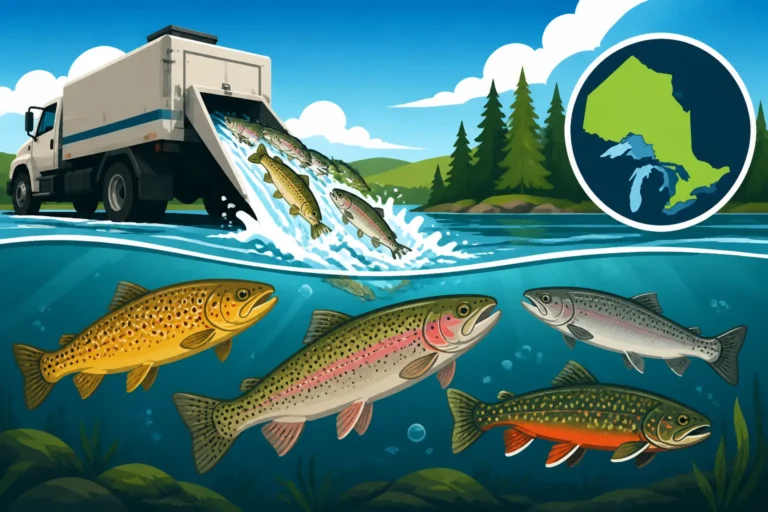
Therefore, almost all the splake you'll encounter in Ontario's waters are the result of deliberate, controlled breeding programs in fish hatcheries. Fisheries biologists carefully cross a male brook trout with a female lake trout. This isn't just a random experiment; it's a calculated decision made by fisheries management for very specific purposes. The eggs from the female lake trout are fertilized with milt from the male brook trout, and the resulting offspring are raised in controlled environments until they are ready to be stocked into various lakes. This ensures a consistent supply of these hybrid fish for recreational angling opportunities. The science behind it is fascinating, as these fish are infertile, meaning they cannot reproduce themselves, which helps prevent unwanted ecological impacts on natural fish populations. This controlled approach allows fisheries managers to introduce a unique angling experience without the concerns associated with introducing a self-sustaining, non-native species.
Why Splake? Understanding Their Unique Appeal in Ontario Fisheries
So, why go through the effort of creating a hybrid fish? It all comes down to combining the best attributes of both parent species and using these "designer fish" to fill specific niches within Ontario's diverse aquatic ecosystems. The introduction of splake is a testament to the innovative approaches used in modern fisheries management to enhance recreational fishing.
Combining the Best Traits: Hybrid Vigor
The primary reason for creating splake is to achieve what biologists call "hybrid vigor" or heterosis. This means the offspring often exhibit superior traits compared to either parent, or at least a desirable combination of traits. Splake are engineered to possess a blend of characteristics that make them incredibly well-suited for certain fishing situations and stocking programs.
From the brook trout, splake inherit a faster growth rate and a more aggressive feeding behaviour. Brookies are known for their willingness to strike a variety of lures and baits, and splake often carry over this enthusiastic feeding trait, making them eager participants for anglers. They also tend to be more tolerant of warmer water temperatures than pure brook trout, which expands the range of lakes they can comfortably inhabit during the summer months.
From the lake trout, splake gain their impressive size potential and their tendency to utilize deeper, colder sections of a lake. While they don't get quite as massive as the largest lake trout, splake can grow significantly larger than most brook trout, offering a more substantial catch for recreational anglers. They also tend to be hardier and more robust than brook trout, with a greater tolerance for varying water conditions. This resilience means they can thrive in lakes where pure brook trout might struggle due to slightly elevated temperatures or competitive pressures, yet where pure lake trout might not find enough deep, cold water habitat or forage to truly flourish. This balance of traits allows them to thrive in intermediate habitats, providing a unique angling opportunity. This blend of attributes means they often grow quickly, fight hard, and can adapt to a wider range of lake environments than their purebred relatives, making them a very attractive option for stocking programs focused on putting more fish on the end of a line for recreational purposes.
Fisheries Management and Stocking Programs
The role of splake in Ontario's fisheries management is strategic and well-planned. They are not merely introduced for novelty; they serve a crucial purpose in optimizing angling opportunities and managing specific aquatic environments. You'll often find splake in lakes that might not be ideal for either brook trout or lake trout alone, but provide a perfect home for this adaptable hybrid.
One major reason for stocking splake is to create exciting put-grow-and-take fisheries. Because splake are sterile, their populations are entirely controlled by stocking efforts. This allows fisheries managers to precisely manage catch rates and ensure a healthy population for anglers without worrying about natural reproduction impacting other species. They can stock thousands of fingerlings into a lake, knowing these fish will grow rapidly and provide excellent fishing for several years, ultimately being caught by anglers. This is particularly valuable in lakes that are easily accessible and receive high fishing pressure, where self-sustaining wild trout populations would be quickly depleted.
Furthermore, splake are often stocked in lakes that have some characteristics of both brook trout and lake trout habitat, but are marginal for either. For instance, a lake might be too warm in the summer for brook trout but not quite deep enough or cold enough to sustain a thriving population of large lake trout. The splake, with its hybrid vigor and broader thermal tolerance, can thrive in such "in-between" waters. They can utilize both shallow and deeper sections of the lake, adapting their behaviour to forage effectively. This ability to fill an ecological niche that might otherwise be underutilized by a single species is a huge advantage. This careful consideration of stocking locations means you'll find splake in a wide variety of waters, from smaller provincial park lakes to larger, more remote water bodies. For more details on where these fish are introduced, you might want to check out Splake Stocking in Ontario Lakes.
Identifying a Splake: Telling Them Apart from Their Cousins
One of the most common questions anglers have is, "How do I know if I've caught a splake, a brook trout, or a lake trout?" It can be tricky, especially when you're excited after landing a fish, but there are several key visual characteristics and habitat clues that can help you distinguish between these closely related species.
Key Visual Characteristics
When you've got a fish in hand, here's what to look for to identify a splake:
-
Tail Fin Shape: This is often the most reliable indicator.
- Brook Trout: Typically has a square or only very slightly forked tail fin.
- Lake Trout: Has a distinctly deeply forked tail fin.
- Splake: Possesses a moderately forked tail fin. It's not as deep as a lake trout's, but noticeably more forked than a brook trout's. Think of it as a "halfway" fork.
-
Pectoral and Pelvic Fins:
- Brook Trout: Bright white leading edge, followed by a black stripe, then orange/red fin colour.
- Lake Trout: No distinct white leading edge, fins are generally plain or mottled.
- Splake: Often shows a partial or faint white leading edge on its lower fins, but it's usually not as prominent or complete as on a brook trout. It's like a diluted version of the brook trout's signature white trim.
-
Body Markings and Coloration:
- Brook Trout: Features distinctive "worm-like" (vermiculated) patterns on their backs and dorsal fins. They also have red spots, often with blue halos, on their sides.
- Lake Trout: Has irregular, light-coloured spots on a darker background, but never vermiculated patterns or red spots with blue halos.
- Splake: Will have spots on its body, similar to a lake trout, but these spots are often lighter and may be more distinct than on a pure laker. Crucially, splake will not have the prominent worm-like markings of a brook trout. You might occasionally see some very faint, indistinct vermiculations near the head, but nothing like a brook trout's. They also typically lack the vibrant red-orange belly of a spawning brook trout. Their overall coloration can vary depending on the lake and diet, but generally falls between the two parents.
-
Body Shape:
- Brook Trout: More streamlined, often appearing "stocky" or "chunky" for its length.
- Lake Trout: Longer, more elongated, built for cruising deep water.
- Splake: Tends to have a body shape that is more elongated than a brook trout, but perhaps not quite as slender as a deep-water lake trout. They often look like a brook trout that has been stretched out a bit.
Here's a quick comparison table to help you out:
| Feature | Brook Trout | Lake Trout | Splake |
|---|---|---|---|
| Tail Fin | Square to slightly notched | Deeply forked | Moderately forked |
| Back/Dorsal | Strong vermiculations | Irregular light spots, no verm. | Irregular light spots, no verm. |
| Side Spots | Red spots with blue halos | Irregular light spots | Light, distinct spots (no red/blue) |
| Lower Fins | White leading edge, black bar | Plain, no distinct white edge | Faint or partial white leading edge |
| Body Shape | Stocky, robust | Elongated, slender | Intermediate, more elongated than brook trout |
Habitat Clues and Behavioural Differences
While visual cues are paramount, understanding their preferred habitats can also help narrow down identification, especially if you get a glimpse of a fish before landing it.
Brook Trout are typically found in shallower, colder, highly oxygenated waters. Think small streams, river pools, and the cool, clear waters of northern lakes, especially near springs or feeder creeks. If you're fishing in relatively shallow water (less than 20 feet) and catch a trout, it's more likely to be a brook trout, especially if there's good cover.
Lake Trout are classic deep-water dwellers. During warmer months, they retreat to the cold, dark depths below the thermocline. In spring and fall, they might move shallower to feed or spawn, but their primary domain is the deep. If you're jigging or trolling in 50+ feet of water, especially in a large, deep lake, you're almost certainly targeting lake trout.
Splake, being a hybrid, often occupy an intermediate zone. They have a broader thermal tolerance than brook trout, allowing them to remain active in slightly warmer waters and at a wider range of depths. They might utilize deeper parts of a lake where brook trout wouldn't survive, but also come shallower to feed more readily than lake trout. You'll often find them in lakes that don't have enough cold, deep water for a sustainable lake trout population, but are too warm or competitive for brook trout. They are highly opportunistic feeders and can be found cruising drop-offs, underwater points, and open water, depending on the forage. Their behaviour can be a mix: sometimes hitting lures aggressively in shallower water like a brook trout, other times hugging structure in slightly deeper zones.
Fishing for Splake in Ontario: Tips and Considerations
Now that you know what a splake is and how to identify one, let's talk about the fun part: catching them! Fishing for splake in Ontario can be a really rewarding experience, offering a unique challenge and the chance to land a truly beautiful fish. Because they combine traits from both parents, the techniques for catching splake often blend strategies used for both brook and lake trout.
Preferred Habitats and Hotspots
Splake, as we've discussed, thrive in lakes that hit a sweet spot – not too cold for brook trout, not necessarily deep enough for full-blown lake trout. When you're looking for splake, think about these kinds of locations:
- Mid-Depth Drop-offs: These are prime areas. Splake will often cruise along underwater contours, especially where shallow flats drop off into deeper water. This gives them easy access to both shallow-water forage and the cooler, deeper water they prefer.
- Underwater Structure: Look for humps, submerged islands, rock piles, or old log structures. These provide cover and ambush points for foraging splake. Fish finders can be incredibly helpful for locating these spots. You can find excellent portable fish finders on Amazon that will help you map out these underwater features.
- Near Inflow/Outflow Areas: Especially in smaller lakes, areas where creeks or rivers flow in or out can be hotspots, bringing in fresh water and often attracting baitfish, which splake will follow.
- Provincial Park Lakes and Stocked Ponds: Many Ontario Provincial Parks have lakes specifically stocked with splake to provide easily accessible fishing. These are often smaller to medium-sized lakes, perfect for day trips. You can find detailed regulations for many of these waters in the Ontario Fishing Regulations Explained.
The time of year also plays a huge role. In spring and fall, when water temperatures are cooler throughout the water column, splake might be found shallower, actively feeding. During the heat of summer, they'll retreat to deeper, cooler water, often near the thermocline or close to deep structure. Ice fishing for splake can also be incredibly productive, as they remain active under the ice, often in mid-depth areas.
Effective Techniques and Gear
Since splake blend the characteristics of brook and lake trout, your fishing approach should also be a hybrid of techniques. They are generally aggressive feeders, making them a fun fish to target.
-
Casting and Retrieving Lures: This is often very effective, especially in spring, fall, or when ice fishing.
- Spoons: Classic trout spoons in silver, gold, or flashy colours are deadly. Think about a Kastmaster, Little Cleo, or a similar flutter spoon. Vary your retrieve speed and add pauses to entice strikes.
- Inline Spinners: Mepps, Blue Fox, or Rooster Tail spinners are great, especially in shallower areas. The flash and vibration can be irresistible.
- Jigs: Small bucktail jigs, curly-tail grubs, or tube jigs tipped with a minnow or worm can be very effective, particularly when jigged along drop-offs or through the ice. A good selection of these can easily be found and ordered online from Amazon for quick delivery.
-
Trolling: For covering larger areas and targeting deeper fish, trolling is a solid choice.
- Small Crankbaits: Minnow-imitating crankbaits (like Rapalas or Kwikfish) in natural or bright colours, trolled at moderate speeds, can be very productive.
- Spoons or Stickbaits: Trolling heavier spoons or stickbaits with a downrigger or weighted line can get your lure down to deeper cruising splake.
- Adjust your depth to match the thermocline or the top of deep structure where you're seeing fish on your sonar.
-
Live Bait Fishing: When splake are a bit more finicky, live bait can be the ticket.
- Minnows: Live minnows, hooked lightly through the lip or dorsal fin, suspended under a float or fished on the bottom with a small weight, are a proven splake catcher.
- Worms: A simple worm on a hook, drifted or still-fished, can also be very effective, especially for freshly stocked splake.
- Ensure you check local regulations on live bait use, as some areas have restrictions.
-
Gear: You don't need highly specialized gear. A medium-light to medium action spinning rod, 6-7 feet long, paired with a reliable spinning reel spooled with 6-10 lb monofilament or fluorocarbon line will cover most situations. If you're going deeper or targeting larger fish, a braid mainline with a fluorocarbon leader can offer more sensitivity. For fly fishing, a 5 or 6-weight rod with a sinking tip line can work well for streamers and nymphs. When you're outfitting your tackle box, remember that a wide variety of lures and weights can be really helpful, and you can usually stock up on a good assortment of splake lures and terminal tackle through retailers like Amazon.
Regulations and Conservation
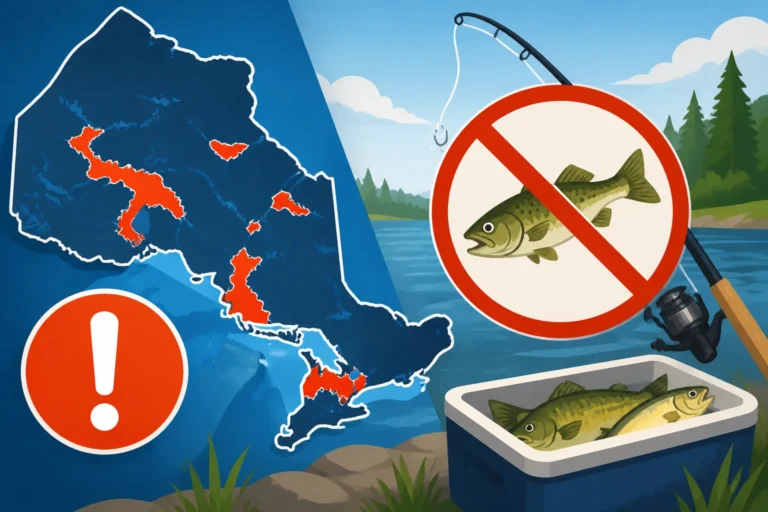
It’s absolutely crucial to remember that all fishing in Ontario, including for splake, is governed by the provincial fishing regulations. Since splake are often stocked, there can be specific rules for the lakes they inhabit, including bag and possession limits, size restrictions, and even season dates that might differ from those for wild brook or lake trout.
Before you head out, always consult the most current Ontario Fishing Regulations Summary for the specific Fisheries Management Zone (FMZ) you plan to fish in, and even more importantly, check the "Exceptions to the General Regulations" section for the specific lake. Some lakes might have "catch and release only" rules, while others might have slot limits or reduced bag limits to manage the fishery. Observing these rules helps ensure that everyone can continue to enjoy the fantastic fishing opportunities that splake provide. While splake are sterile, and their populations are replenished through stocking, responsible angling practices, including proper catch and release techniques for fish you don't intend to keep, are still vital for maintaining a healthy and enjoyable fishery for all.
Disclaimer
This article is for general informational purposes only and does not constitute professional advice. Laws, prices and regulations vary by location and change over time. Consult a qualified professional for guidance on your specific situation.