Growth rate of stocked splake in Ontario
It’s a common wonder, isn't it? You catch a beautiful splake in an Ontario lake, a vibrant fish with unique markings, and you can't help but think: "How big do these guys really get? And how fast?" It's a question that goes beyond mere curiosity; it speaks to the health of our fisheries, the effectiveness of stocking programs, and what we as anglers can expect from these fascinating hybrids. This guide is all about shedding light on the growth rate of stocked splake in Ontario, helping you understand what makes them tick and how they thrive in our diverse waters.
Understanding the Splake: Ontario's Unique Hybrid Trout
Before we dive into growth rates, let's get to know the splake a little better. They're not a naturally occurring species in the wild; rather, splake are a fascinating hybrid, a cross between two iconic Ontario fish: the brook trout and the lake trout. Think of them as having the best traits of both parents – the vibrant colours and aggressive nature of the brook trout, combined with some of the deeper-water habits and impressive size potential of the lake trout. It’s this unique genetic makeup that makes their growth patterns so interesting.
Ontario’s fisheries managers stock splake for a few key reasons. Often, they are introduced into lakes where native trout populations might be struggling, or in waters that can’t quite support a robust population of either pure brook or lake trout. Splake tend to grow faster than brook trout and mature earlier than lake trout, making them an excellent sport fish that can provide a quicker return on stocking investments. They're also often quite hardy, able to adapt to a range of environmental conditions, though they generally prefer the colder, oxygen-rich waters that both their parent species call home. If you're curious about their lineage, you might find our article on What a splake is a cross between quite enlightening. The success of these stocking efforts is a testament to careful planning, often informed by understanding the growth potential of these specific fish in local conditions.
Key Factors Influencing Splake Growth in Ontario
When we talk about how fast a splake grows, it's never a single, straightforward answer. It's a complex equation with many variables at play, much like trying to predict how tall a child will be without knowing anything about their nutrition or genetics! In Ontario's vast network of lakes and rivers, these factors can vary wildly, leading to significant differences in splake growth rates from one body of water to another.
Food Availability and Forage Base
This is arguably the most crucial factor. Simply put, fish grow when they eat. If a stocked splake finds itself in a lake teeming with suitable forage – smaller baitfish like minnows, smelt, or ciscoes, along with a healthy population of aquatic insects and invertebrates – it will grow much faster and larger than a splake in a less productive lake. Lakes with a rich food web can support larger, healthier splake populations. Conversely, if a lake has a high density of splake or other competing fish species and a limited food supply, growth will be stunted. Think of it like a buffet: if there's plenty for everyone, you're more likely to fill your plate and grow! Understanding the forage base is key to managing sustainable fisheries, which is why Ontario Fisheries Management Zones, Explained often consider these ecological details.
Water Temperature and Oxygen Levels
Splake, inheriting traits from both brook and lake trout, are cold-water fish. They thrive in clear, well-oxygenated lakes with stable cold temperatures, especially during the warmer summer months. Ideal water temperatures allow their metabolism to function efficiently, promoting good growth. If a lake warms too much, or if oxygen levels drop in deeper areas (a common issue in some shallower, more nutrient-rich lakes), splake will be stressed. Stressed fish spend more energy simply surviving, leaving less energy for growth. This is why you often find splake in deeper, colder lakes, or congregating around cold water inflows. They might adapt to a slightly warmer environment than a pure lake trout, but extreme heat will certainly put the brakes on their growth.
Stocking Density and Competition
The number of fish stocked in a particular lake can have a direct impact on individual growth rates. If too many splake are released into a lake with finite resources, they will compete heavily for food, and fewer fish will reach larger sizes. It's a delicate balance for fisheries managers to strike: enough fish to provide good angling opportunities, but not so many that the growth potential of each fish is compromised. Furthermore, splake don't live in a vacuum. They compete with other species already present in the lake, such as yellow perch, ciscoes, or even other stocked trout. This competition for food and space can also influence how quickly they grow. When considering where these fish are introduced, articles like Splake Stocking in Ontario Lakes delve into the logistics and science behind these decisions.
Genetics and Strain Origin
While all splake are a cross between brook and lake trout, the specific strains or populations of the parent fish used in the hatchery can also subtly influence growth. Some strains might naturally have a propensity for faster growth or larger size due to their genetic lineage. Hatcheries work hard to select healthy, robust parent fish to ensure the best possible outcomes for the stocked offspring, aiming for a healthy balance of vigour and adaptability.
Typical Growth Trajectories and Size Expectations
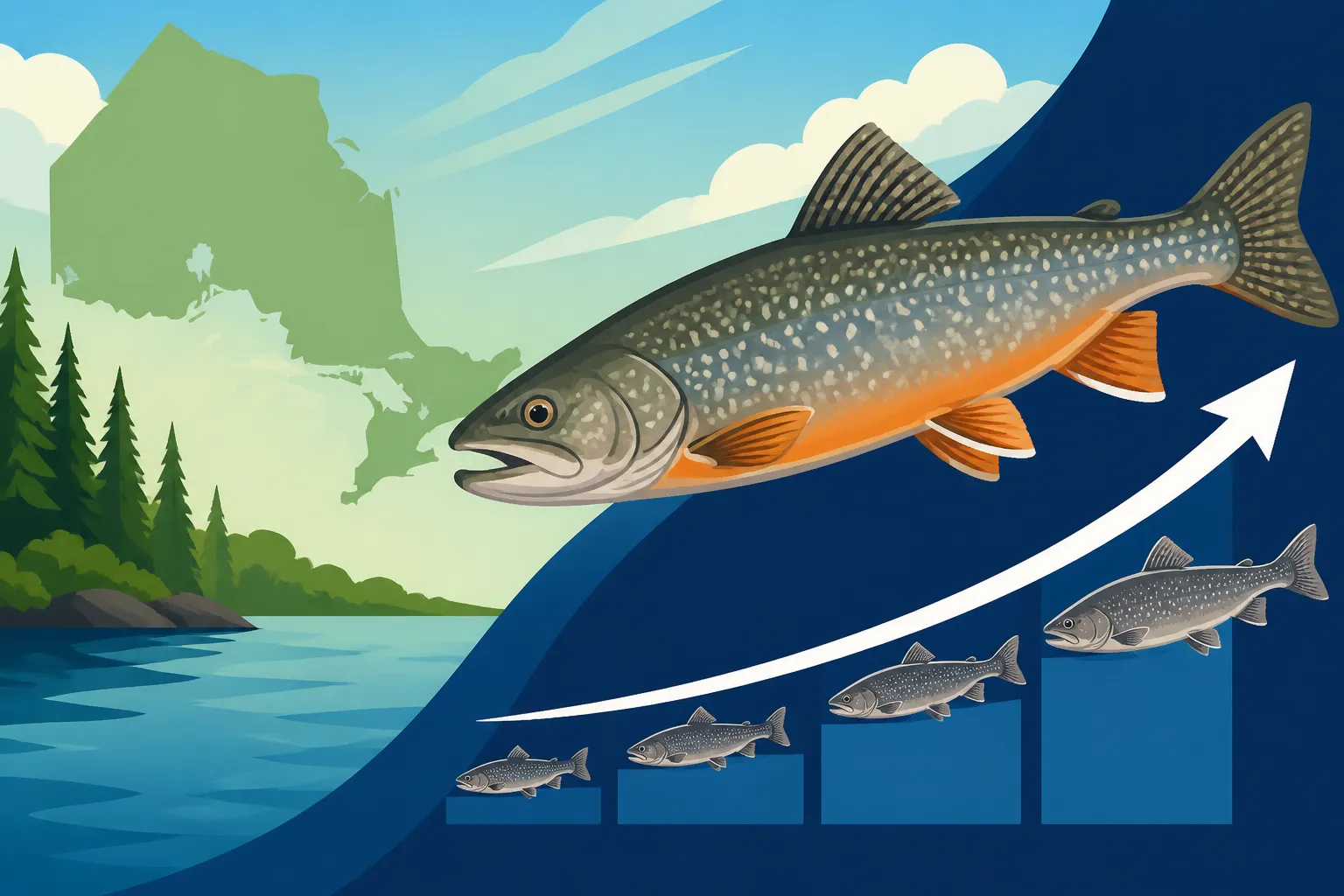
So, with all those factors in mind, what can an angler realistically expect in terms of splake growth in Ontario? It's important to remember that these are averages, and individual fish can certainly defy expectations! Generally, splake exhibit a fairly rapid initial growth spurt, especially in their first few years, which is one of their appealing characteristics as a sport fish.
First Few Years: Rapid Growth and Angler Opportunity
In optimal conditions, stocked splake can show impressive growth right out of the gate. Within their first year or two in a new lake, it's not uncommon for them to reach lengths of 10-14 inches (25-35 cm). By age three, many stocked splake will be in the 14-18 inch (35-45 cm) range and weigh a pound or two. This rapid early growth is fantastic for anglers, as it means fish stocked as fingerlings can quickly become legal and rewarding catches. It’s during these initial years that they provide consistent action, eager to strike at a variety of lures and baits. Many anglers look for a good set of scales and a measuring tape, easily found on a platform like Amazon, to accurately track their catches during these prime growth years.
Middle Years: Steady Increase and Maturation
As splake mature into their fourth and fifth years, their growth might slow slightly compared to the initial burst, but they continue to pack on weight and length. At this stage, fish in the 18-24 inch (45-60 cm) range, weighing anywhere from 2 to 5 pounds, are common. This is often when splake reach sexual maturity, though this can vary depending on individual fish and environmental conditions. Lakes with a plentiful, accessible forage base will produce larger fish in this age class.
Older Fish: Trophy Potential and Lake-Specific Maximums
True trophy splake, those pushing the upper limits of their growth potential, are typically older fish, perhaps 6 to 8 years old or even more. In exceptional Ontario waters with abundant food and perfect habitat, splake can grow significantly larger, sometimes exceeding 25 inches (63 cm) and reaching weights of 8 pounds or more. While not as common as their pure lake trout cousins, trophy splake are certainly a possibility and offer an exciting challenge. Some of the Best Fishing Rods for Ontario Lakes are often sought after for these larger specimens.
Here's a general table showing approximate average growth for stocked splake in good Ontario waters:
| Age (Years) | Approximate Length Range (Inches) | Approximate Length Range (cm) | Approximate Weight Range (Pounds) | Notes |
|---|---|---|---|---|
| 1 | 8 – 12 | 20 – 30 | 0.5 – 1 | Rapid initial growth, often just under legal size. |
| 2 | 12 – 16 | 30 – 40 | 1 – 2 | Many reach legal size; excellent sport. |
| 3 | 16 – 20 | 40 – 50 | 2 – 3 | Continued strong growth, approaching maturity. |
| 4 | 18 – 22 | 45 – 55 | 3 – 5 | Mature fish, strong fighters. |
| 5+ | 20 – 25+ | 50 – 63+ | 5 – 8+ | Potential for larger, trophy-sized fish in optimal conditions. |
(Note: These are average ranges and can vary widely based on the specific lake, food availability, and environmental conditions.)
Why Splake Growth Matters to Anglers and Fisheries Management
Understanding the growth rate of stocked splake isn't just an academic exercise; it has real-world implications for both the dedicated angler and the conservationists working to maintain healthy fisheries across Ontario.
For Anglers: Maximizing Sport and Managing Expectations
For those of us who spend our time on the water, knowing how quickly splake grow helps set expectations. If you're fishing a recently stocked lake, you know that the smaller fish you're catching are likely young splake that will grow into impressive sport fish in a few years. This understanding can influence your approach: will you target these smaller, more abundant fish for consistent action, or focus on techniques designed for larger, older specimens? It also helps us appreciate the regulations in place. When we see Ontario Bag and Possession Limits by Species, it's often directly related to the growth and reproductive cycles of that particular fish in specific zones, ensuring that enough fish survive to continue growing and reproducing.
Furthermore, knowing a splake's potential growth helps you choose appropriate gear. You wouldn't use ultralight gear for a potential 5-pounder, right? You'd want something robust enough to handle its fight, perhaps a medium-light to medium power spinning rod and reel combo, which you can easily find on Amazon with a quick search. The thrill of catching a beautifully grown splake, knowing the journey it's taken from hatchery to your net, adds another layer of appreciation to the sport. If you're looking for more general guidance, our Best Time of Year to Fish in Ontario offers broader seasonal advice that can be applied to many species, including splake.
For Fisheries Management: Stocking Success and Ecosystem Health
From a management perspective, understanding splake growth rates is critical for evaluating the success of stocking programs. If splake aren't growing as expected in a particular lake, it signals a potential issue – perhaps insufficient forage, too much competition, or unsuitable habitat. This information allows managers to adjust future stocking densities, explore changes to the stocking strategy, or even investigate environmental factors impacting the lake.
Splake, being hybrids, often fill a specific niche in a lake's ecosystem. Their growth rate influences their role in the food web – how much prey they consume, and what size predators might target them. Monitoring their growth helps ensure they are thriving without negatively impacting other native species. It’s a continuous process of observation and adjustment, all designed to ensure sustainable fishing opportunities for generations to come, aligning with broader Ontario Fishing Regulations Explained.
Tips for Targeting and Conserving Ontario Splake
Catching splake can be incredibly rewarding, and their aggressive nature makes them a fun target. Given their growth trajectory, here are a few tips to enhance your experience and contribute to their conservation.
Smart Angling for Growing Fish
Splake will hit a wide variety of lures, from spoons and small crankbaits to jigs tipped with bait. Early in the season, or in smaller, shallower lakes, they'll often be found cruising the shorelines or near underwater structures. As waters warm, they'll typically move to deeper, cooler areas. Understanding where they are in the water column relative to their growth and comfort level is key. For those serious about trout, exploring articles like Best Tackle for Ontario Trout Fishing can offer more specific lure and bait recommendations.
For younger, smaller splake, don't be afraid to use lighter gear to maximize the fight. For those targeting the larger, older fish that have reached their trophy potential, a medium action rod with some backbone will serve you well. Many anglers find durable tackle organizers on Amazon indispensable for keeping their assorted splake lures tidy.
Practicing Responsible Catch and Release
Given that stocked splake are a managed resource, responsible angling practices are paramount. If you're targeting larger fish, consider practicing catch and release, especially for the biggest individuals. These older fish are often the healthiest and contribute to the overall vigour of the stocked population, even if they are sterile and not reproducing naturally.
When releasing splake, handle them gently. Wet your hands before touching the fish, use barbless hooks, and try to keep them in the water as much as possible. A good landing net with a fine, knotless mesh (many excellent options are available online, including through Amazon) will help protect their slime coat and fins. Understanding Trout Species Identification Guide for Ontario can also ensure you're correctly identifying your catch and adhering to specific species regulations. By taking care of the fish we catch, we ensure that the next generation of anglers can also appreciate the unique growth and fighting spirit of Ontario's stocked splake.
Disclaimer
This article is for general informational purposes only and does not constitute professional advice. Laws, prices and regulations vary by location and change over time. Consult a qualified professional for guidance on your specific situation.