Best jon boat size for shallow rivers
It's incredibly frustrating, isn't it? You dream of quietly drifting down a beautiful Ontario river, casting for bass or walleye in those untouched back sections, only to find your boat grinding on a hidden rock or getting stuck on a sandbar because it just wasn't built for that skinny water. Trying to force a deep-V hull into shallow rapids is a recipe for a bad day, or worse, a damaged boat. This guide is here to help you navigate those challenges by breaking down exactly what to look for when choosing the best jon boat size for your shallow river adventures in Ontario, ensuring you spend more time fishing and less time worrying about getting stuck.
Understanding Shallow Rivers and Their Demands
Ontario's rivers are incredibly diverse, from wide, slow-moving stretches to narrow, rocky rapids. What seems like a decent depth in one section can quickly become a propeller-shredding nightmare just around the bend. Getting the right boat starts with truly understanding the environment you'll be fishing in.
What Makes a River "Shallow" in Ontario?
When we talk about shallow rivers in Ontario, it's not just about a low water level. It’s a dynamic environment that changes with rainfall, season, and even the local geology. A river might have long stretches of sandy bottom that are only a foot or two deep, interspersed with deeper pools. Then, you hit what local anglers call "rock gardens" – areas where submerged boulders and ledges rise dangerously close to the surface. Old fallen trees, known as "sweepers" or "strainers," can also create narrow, turbulent channels that challenge any boat's maneuverability. These aren't always visible, especially in stained water, making every turn a potential hazard. The current, too, plays a huge role; even a moderately shallow section can become treacherous with a strong flow pushing you towards obstacles. Think of trying to navigate a stretch of the Grand River after a big spring rain, or the rocky sections of the French River. It’s not just depth, but the combination of depth, current, and hidden obstacles that defines a truly "shallow" and challenging river fishing experience.
Why Jon Boats Are a Go-To for Skinny Water
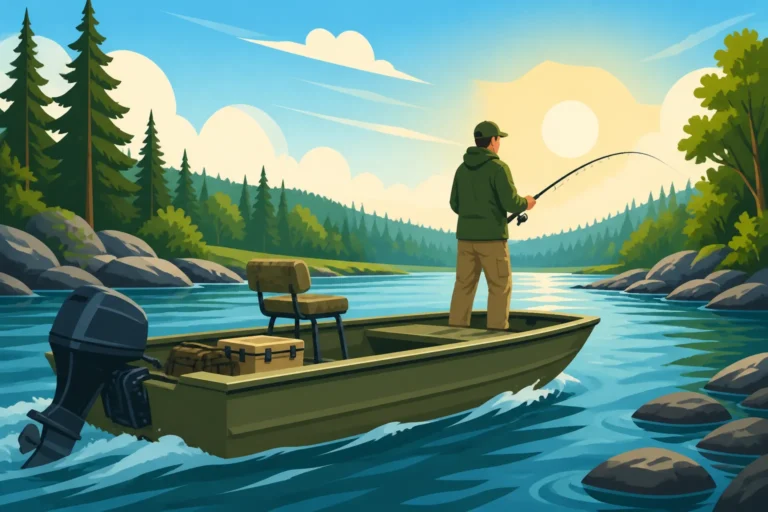
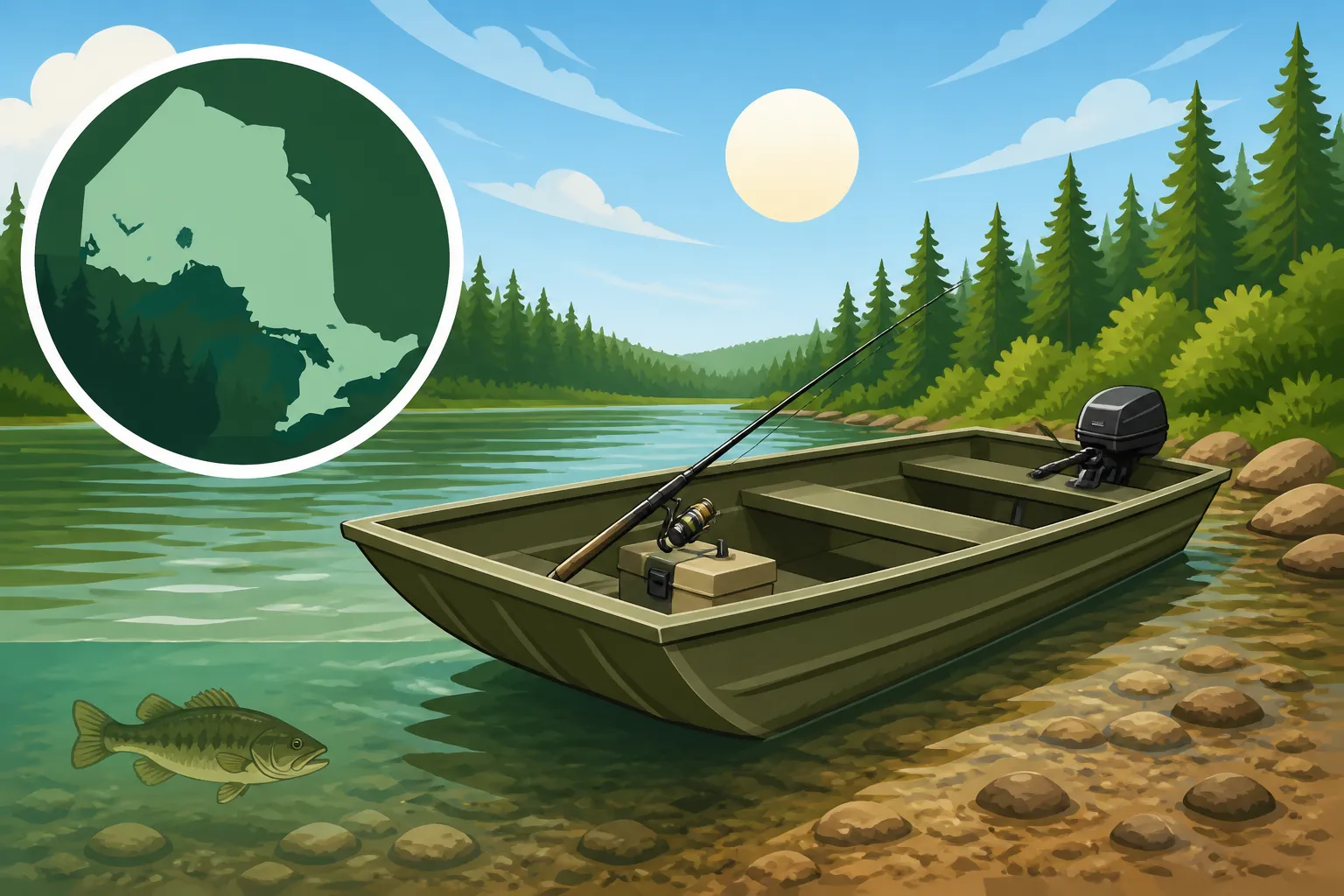
Jon boats have earned their stripes as the workhorses of shallow water for a reason: their flat bottoms. Unlike a V-hull, which draws more water, a jon boat distributes its weight over a wider, flatter surface. This design dramatically reduces its draft, meaning it floats in much shallower water. Imagine a canoe or a kayak; they sit high on the water, right? A jon boat works on a similar principle, but with the added stability and capacity of a small boat. This flat bottom isn't just about draft; it also provides incredible stability when you're standing up to cast, which is a huge bonus when you're trying to fish those tricky river eddies or tight spots.
Furthermore, their simple, open designs make them highly versatile. You can easily outfit them for fishing, hunting, or just general utility. They're typically made of durable aluminum, which can take a beating from bumping into rocks or logs – a common occurrence in many Ontario rivers. While no boat is indestructible, the aluminum construction offers a level of resilience that fiberglass boats simply can't match in these rough environments. This combination of shallow draft, stability, and ruggedness makes the jon boat an undeniable champion for anglers who truly want to explore the less accessible stretches of Ontario's river systems.
The Realities of River Navigation
Navigating a river in a jon boat is a whole different ballgame compared to a wide-open lake. You're constantly engaged, reading the water, anticipating changes, and reacting to the environment. The current, for instance, is your friend and foe. It can help you drift quietly into prime fishing spots, but it can also push you rapidly into a hazard if you're not careful. Rocks and logs aren't just things to avoid; they create fish-holding structure, so you want to get close, but not too close.
The depth can change in an instant. One moment you're cruising along, the next you're kicking up mud. This requires constant vigilance and often a willingness to use a push pole or even hop out and walk the boat through particularly tricky sections. It’s not always about raw speed; often, it’s about slow, deliberate movement and strategic planning. You'll quickly learn to spot the deeper channels by changes in water colour or surface texture. Understanding these realities is crucial, as they directly influence the size and features of the jon boat that will serve you best. For more on safe navigation, consider reviewing Ontario Boating Laws for Anglers.
Key Factors in Jon Boat Sizing for Shallow Ontario Waters
Choosing the right jon boat size isn't a one-size-fits-all situation. It's a balance of several critical factors that will directly impact your experience on those shallow Ontario rivers. Get this wrong, and you might find yourself either struggling to maneuver or lacking the space you need.
Length and Width: The Stability vs. Maneuverability Dance
When it comes to jon boats for shallow rivers, length and width are two sides of the same coin, each influencing stability, maneuverability, and draft. A shorter boat, say 10 or 12 feet, is generally easier to turn in tight bends and navigate through narrow channels, like those found on many smaller tributaries. It's also lighter, making it easier to portage around rapids or drag over a beaver dam. However, shorter boats offer less deck space and can feel less stable, especially if you’re moving around or battling a larger fish. They also tend to be more sensitive to weight distribution, meaning a fishing partner or a cooler full of fish can significantly alter its balance and draft.
A longer boat, typically 14 to 16 feet, provides more stability and deck space, which is fantastic for carrying more gear, accommodating a second angler, or just having more room to spread out. This extra length can smooth out the ride in choppier sections and generally feels more secure. The trade-off, however, is reduced maneuverability. Trying to make a sharp turn in a strong current with a longer boat can be challenging, and navigating through dense brush or fallen trees might require more effort. The wider a boat is, the more stable it will be, but also the more resistance it will encounter from the current. It's a constant dance between wanting enough room and stability, versus needing to weave through obstacles. This is where you really need to assess the typical width and current speed of the rivers you plan to fish most often.
Transom Height and Motor Considerations
The transom height of your jon boat dictates the type of outboard motor you can use, and this is absolutely critical for shallow river fishing. Most jon boats designed for skinny water will have a 15-inch (short shaft) transom. This allows you to mount a motor with a shorter shaft, which keeps the propeller higher in the water. This means less chance of striking the bottom, rocks, or logs, which can quickly ruin your day by shearing a prop pin or damaging the propeller itself.
Using a long shaft (20-inch) motor on a short shaft transom will make the prop dig too deep, increasing your draft and putting your lower unit at constant risk. Conversely, a short shaft motor on a tall transom won't sit deep enough, causing cavitation and poor propulsion. For very shallow water, many anglers opt for jet drive outboards, which suck water through an intake and expel it, eliminating the propeller altogether. While typically less efficient on fuel and a bit slower, they allow you to run in incredibly shallow water, often just inches deep. If a jet drive isn't in your budget or doesn't suit your needs, consider a prop guard, which can offer some protection to your propeller from minor bumps. The choice of motor and its proper height is paramount to truly unlocking the shallow water potential of your jon boat.
Capacity and Gear: How Much is Too Much?
Every jon boat has a maximum weight capacity, and on shallow rivers, exceeding this limit isn't just a safety concern – it's a performance killer. The more weight you put in your boat, the deeper it will sit in the water, negating the very advantage of its shallow draft. Think about the gear you typically bring: rods, tackle boxes (which can be substantial, especially if you're looking at options from Bass Pro Shops), a cooler, a battery for a trolling motor, safety equipment (always required!), and of course, yourself and any fishing partners.
If you usually fish solo with minimal gear, a smaller jon boat might be perfect. But if you frequently bring a buddy, a dog, a large cooler, and multiple tackle bags, you'll quickly find a small boat overloaded and sitting much lower than intended. This also impacts how your boat handles in current; an overloaded boat is sluggish and harder to control. Always check the manufacturer's plate for the maximum weight capacity and the maximum horsepower rating. Err on the side of caution; a slightly larger boat that can comfortably carry your load and sit higher in the water will always be better than a smaller boat that's constantly dragging bottom. Don't forget to account for essentials like extra fuel and a Life Jacket Requirements for Ontario Boaters for everyone on board!
| Feature | Shorter Jon Boat (e.g., 10-12 ft) | Mid-Size Jon Boat (e.g., 14-16 ft) | Longer Jon Boat (e.g., 16-18 ft) |
|---|---|---|---|
| Ideal Use | Very narrow creeks, small streams, solo trips, tight bends | General river fishing, medium current, occasional rapids, 1-2 anglers | Wider rivers, larger loads, more stable in chop, 2-3 anglers |
| Draft | Very shallow (lowest) | Shallow | Moderate (highest among jons) |
| Maneuverability | Excellent | Good | Fair (requires more space) |
| Stability | Good (can be sensitive to weight) | Very Good | Excellent |
| Capacity | Limited (solo or light duo) | Moderate (2 anglers + gear) | High (3 anglers + gear) |
| Portability | Excellent (easy to cartop/trailer) | Good (small trailer, can be tough to portage) | Fair (requires trailer) |
| Motor Type | Small outboards (e.g., 5-10 HP), often tiller | Mid-range outboards (e.g., 15-25 HP), tiller or remote | Larger outboards (e.g., 25-50 HP), often jet drive compatible |
| Typical Width | Narrow (36-42 inches at bottom) | Medium (42-48 inches at bottom) | Wider (48-60 inches at bottom) |
Recommended Jon Boat Sizes for Different Ontario River Scenarios
Now that we've covered the fundamental considerations, let's break down which jon boat sizes are best suited for different types of shallow river fishing you might encounter in Ontario. Your ideal boat depends heavily on the specific waterways you plan to explore.
Small, Intimate Streams and Creeks
For those incredibly narrow, often overlooked streams and creeks that hold surprising numbers of brook trout or smallmouth bass, a compact jon boat in the 10 to 12-foot range is usually your best bet. These waterways demand maximum maneuverability and minimal draft. Picture yourself on a small tributary of the Credit River or exploring a remote feeder creek somewhere in cottage country – you'll be dodging overhanging branches, navigating around fallen logs, and pushing through very shallow stretches.
A 10 or 12-foot jon boat, especially with a narrow beam (width) and a flat bow, will allow you to make tight turns and sneak into spots where larger boats simply can't go. These boats are typically light enough to be rowed or pushed with a paddle or Best Wading Staff for Fast Current through the shallowest riffles. When you encounter rapids or log jams, a smaller boat is far easier to portage. Often, a small electric trolling motor or a low horsepower (e.g., 2.5-5 HP) outboard is all you need, further reducing your draft and impact. They are often ideal for solo anglers or two very light anglers with minimal gear. Think about the joy of silently poling into a secluded pool, unheard by the fish.
Medium-Sized Rivers with Occasional Shallows
This category encompasses a huge number of Ontario's fantastic fishing rivers, like parts of the Trent River, sections of the Rideau Canal system, or even larger creeks that offer more open water interspersed with rocky shoals and sandbars. For these waters, a 14 to 16-foot jon boat hits that sweet spot between maneuverability and capacity. These boats offer enough space for two anglers, perhaps a third for shorter trips, and enough gear for a full day of fishing.
A 14-foot jon boat with a slightly wider beam (42-48 inches at the bottom) provides better stability, which is great when you're standing to cast or if the river gets a bit choppy. It can handle a more substantial outboard, typically 15-25 HP, giving you the power to run upstream against a decent current or cover more water efficiently. You'll still want to be mindful of your motor's trim and keep an eye out for shallow spots, but these boats generally offer a good balance for the typical Ontario river angler. They're still manageable on a small trailer and can be launched in less-than-ideal spots. Many anglers find the range of accessories, from rod holders to comfortable seating, on sites like Amazon or at physical retailers such as Bass Pro Shops, to customize these boats perfectly.
Larger Rivers with Shifting Sandbars and Flats
For broader rivers that might feel more like small lakes in places, but still feature significant shallow sections, shifting sandbars, and extensive flats—think portions of the Ottawa River, or the lower reaches of the French River where it spreads out—a 16 to 18-foot jon boat might be your ideal choice. These rivers often have deeper channels but require you to navigate vast expanses of very shallow water to reach prime fishing grounds.
A longer, wider jon boat offers superior stability, crucial when you're dealing with larger boat wakes, stronger winds, or simply need more room for multiple anglers and their tackle. They can comfortably carry two or three anglers with all their gear, including larger coolers for extended trips. These boats are often paired with more powerful outboards, sometimes up to 50 HP, and are prime candidates for jet drive conversions if the waters are consistently shallow. The increased length means they handle chop better and provide a more comfortable ride over longer distances. While they sacrifice some of the tight-quarters maneuverability of their smaller siblings, they excel at running across open shallow flats and staying stable while you cast for muskie or walleye. Just remember, even with a larger jon boat, you'll still need to respect the shallows and know how to use your trim effectively.
Practical Tips for Outfitting and Navigating Shallow Rivers
Having the right-sized jon boat is just the beginning. To truly conquer shallow Ontario rivers, you need to outfit it properly and develop sound navigational strategies. This isn't just about comfort; it's about safety and protecting your investment.
Essential Gear and Modifications for Shallow River Fishing
Outfitting your jon boat specifically for shallow river fishing can make a world of difference. First and foremost, a good trolling motor is invaluable. Whether it's bow-mounted or transom-mounted, an electric trolling motor allows for quiet, precise maneuvering in shallow water, especially when you want to slowly work a shoreline or hold your position against a mild current. Look for models with a strong thrust and perhaps even GPS anchoring capabilities.
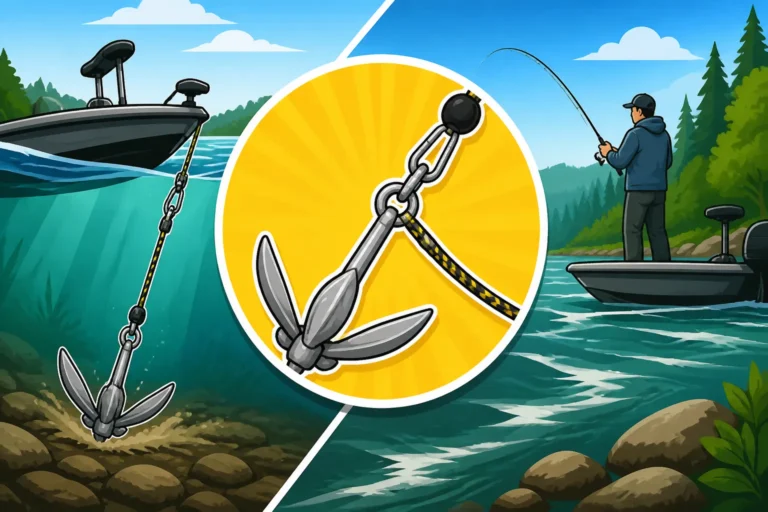
Next, consider your anchor system. A traditional anchor and rope are fine, but for quick stops in current, a shallow water anchor (like a stick anchor or a pole anchor system) can be incredibly effective. These allow you to rapidly deploy a stake into the bottom, holding your boat in place without swinging. For rockier rivers, a chain anchor might be more suitable than one designed for mud. A sturdy push pole is also a must-have. When the water gets too shallow for your motor, or you want to move silently, a push pole allows you to propel your boat forward, similar to a gondolier. Finally, for prop-driven outboards, a propeller guard or skeg guard can save you a lot of headache and expense by protecting your lower unit from impacts with submerged objects. You can find a fantastic array of these accessories, from trolling motors to specialized anchors, at retailers like Bass Pro Shops or through online stores such as Amazon. Consider if your boat needs Best Trolling Motor for a Fishing Kayak if you're going small, or just a solid marine battery for a larger one.
Navigational Strategies for Skinny Water
Successfully navigating shallow rivers is an art form. It begins with reading the water. Look for darker patches, which often indicate deeper holes. Pay attention to ripples and boils, which can signal submerged rocks or logs. Conversely, calm, glassy water in a flowing river might mean it's extremely shallow. Keep an eye on the banks for any clues about the riverbed composition – if you see exposed bedrock, chances are there's more beneath the surface.
Trim and speed control are your best friends. Keep your outboard trimmed up as much as possible to reduce draft, especially when moving slowly or idling. When you're running, too much speed can be dangerous, forcing your prop deeper or launching you onto an unseen obstacle. Often, a moderate, controlled pace is safest. Learn to "power out" of sticky situations by quickly applying throttle while simultaneously trimming up to lift the prop. And don't be afraid to scout ahead. If you're unsure about a section, use your trolling motor or push pole to slowly explore, or even get out and walk to check the depth. Remember that rivers are always changing, so past knowledge isn't always current. Familiarize yourself with Ontario Fishing Regulations Explained before heading out, as special rules might apply to certain river stretches.
Maintenance and Safety Considerations
Your jon boat, especially when used in demanding river environments, needs diligent maintenance. Regularly inspect your hull for dents, dings, and leaks. Aluminum is tough, but impacts can take their toll. Keep an eye on your propeller for nicks and bends; even minor damage can significantly reduce performance and efficiency. Always carry a spare propeller and the tools to change it on the water – a bent or broken prop is one of the most common issues you'll face.
Safety on any water, but particularly on rivers, is paramount. Always ensure you have enough Life Jacket Requirements for Ontario Boaters for everyone on board, and that they are worn, especially in fast current or unfamiliar waters. Carry all required safety equipment, including a paddle, bailer, whistle, and a throw bag. A first-aid kit is also a wise addition. Let someone know your float plan – where you're going, when you expect to return, and what your boat looks like. Rivers can be remote, and self-sufficiency is key. Finally, be prepared for anything; river conditions can change rapidly with weather, so check forecasts before you launch.
Disclaimer
This article is for general informational purposes only and does not constitute professional advice. Laws, prices and regulations vary by location and change over time. Consult a qualified professional for guidance on your specific situation.