Best inflatable kayak for river fishing
For many of us who dream of exploring Ontario's winding rivers for that elusive walleye or smallmouth, the thought of wrestling a heavy, rigid kayak onto a roof rack, driving to a remote access point, and then dragging it through brush is enough to make us stay home. It’s a real barrier to getting out there and experiencing the incredible river fishing opportunities our province offers. This guide is all about making those dreams a reality by exploring the best inflatable kayaks specifically designed to make river fishing accessible, enjoyable, and much less of a chore.
Why Inflatable Kayaks are a Game-Changer for River Fishing
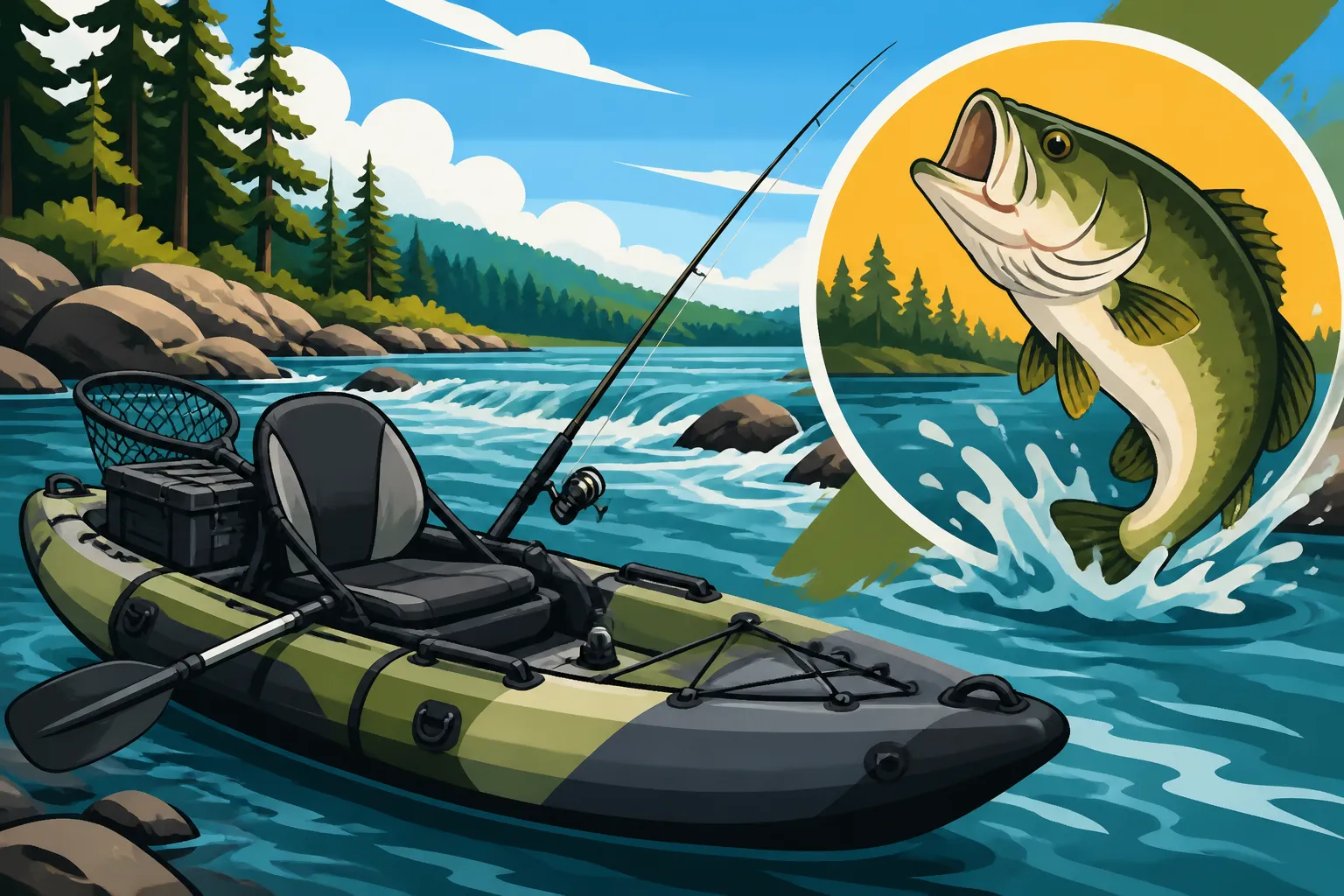
The traditional image of a fishing kayak is often a long, hard-shelled vessel, great for open water, but a bit cumbersome for the tight turns and shallow stretches of a river. This is where inflatable kayaks really shine, offering a blend of portability, stability, and durability that makes them uniquely suited for navigating Ontario's diverse river systems.
Portability and Ease of Transport
Let's be honest, not everyone has a dedicated truck or a heavy-duty roof rack system. The sheer weight and length of many hardshell kayaks can be a major headache. Inflatable kayaks, on the other hand, deflate and pack down into a manageable size, often fitting into a duffel bag or backpack. This means you can toss it in the trunk of almost any car, carry it down a steep bank, or even hike it into those truly remote spots that hardshells simply can't reach. Imagine the freedom of pulling up to a less-travelled river access point, inflating your kayak in minutes, and being on the water while others are still strapping down their gear. This portability is a huge win for anglers who want to explore beyond the well-worn paths and access hidden fishing holes.
Durability and Puncture Resistance
There's a common misconception that inflatable means fragile. For river fishing, where you're inevitably going to bump against rocks, scrape over shallows, or rub against submerged logs, this concern is entirely valid. However, modern inflatable fishing kayaks are built incredibly tough. They typically feature multiple layers of heavy-duty PVC, often reinforced with materials like Hypalon or drop-stitch technology, which create extremely rigid and puncture-resistant hulls when inflated to the correct pressure. Many even have reinforced bottoms specifically designed to withstand impacts. These aren't your cheap pool toys; they are serious vessels engineered to take a beating on the water, providing peace of mind as you navigate unfamiliar currents and structures. Manufacturers understand that river environments are demanding, and they’ve designed these kayaks to meet those challenges head-on.
Stability and Maneuverability on Current
Rivers, by their nature, have current, and sometimes that current can be swift and unpredictable. A stable platform is crucial for casting, fighting fish, and simply staying upright. Inflatable kayaks often boast wider, flatter hulls than many hardshells, which translates to excellent primary stability – that feeling of being solid and unrockable on the water. This wider footprint also helps them track well in moving water. When it comes to maneuverability, their often shorter length and lighter weight mean they can turn on a dime, allowing you to quickly adjust your position, navigate around obstacles, or pivot to cast at a rising fish. While a long touring hardshell might be a pain to spin around in a tight bend, an inflatable can make those precise adjustments effortlessly, giving you an advantage in dynamic river environments. Plus, many come with skegs that can be attached for better tracking in straighter stretches or removed for maximum maneuverability in rapids or technical sections.
Key Features to Look for in a River Fishing Inflatable Kayak
Choosing the right inflatable kayak for river fishing isn't just about picking one off the shelf. You need to consider several specific features that will make your time on Ontario's rivers safe, comfortable, and productive.
Material and Construction Quality
The backbone of any good inflatable kayak is its material and how it’s put together. As mentioned, heavy-duty PVC is the standard, but look for kayaks that use multiple layers or deniers (thickness) for increased durability. Drop-stitch technology, often used in inflatable paddleboards, creates an incredibly rigid floor when inflated, making the kayak feel much more like a hardshell and greatly improving standing stability for casting. Seams are critical; ensure they are welded or glued with industrial-grade adhesives, not just heat-sealed, for maximum longevity and air retention. Some premium kayaks might even use Hypalon, a synthetic rubber known for its extreme abrasion resistance and UV stability, though these tend to be on the higher end of the price spectrum. Don't be afraid to read reviews and research the specific construction methods used by different brands. A kayak that can withstand the rigours of shallow rocky rivers is an investment worth making.
Self-Bailing Capabilities
River fishing inevitably means dealing with water getting into your boat, whether from paddle drips, rain, or small splashes from rapids. A self-bailing system is an absolute must-have for river kayaks. This typically involves small holes in the floor that allow water to drain out as you paddle, preventing your kayak from becoming waterlogged and heavy. Without self-bailing, you'd be constantly stopping to bail out water, which is a major interruption to your fishing flow. Look for models with scupper plugs that can be opened or closed, giving you the flexibility to keep water out in calm conditions or open them up when things get splashy. This feature is crucial for maintaining buoyancy, stability, and comfort on the water, especially if you're venturing into sections with faster currents or small rapids.
Stability and Seating Comfort
Imagine spending hours on the water, meticulously casting for Walleye Fishing in Ontario or stalking Smallmouth Bass Fishing in Ontario, only to be constantly shifting uncomfortable positions. A comfortable, supportive seat is non-negotiable. Many inflatable fishing kayaks come with adjustable, high-back seats that offer excellent lumbar support, which is vital for long days. Some even feature elevated seats, similar to those found in hardshell fishing kayaks, which provide a better vantage point for sight fishing and easier standing. When evaluating stability, look for wider designs or those with inflatable pontoons on the sides, which significantly increase the footprint and reduce wobbling. The goal is to feel secure enough to cast vigorously, retrieve a snagged lure, or even stand up to stretch your legs without feeling like you're about to take an unexpected swim.
Accessory Mounts and Storage Options
A fishing kayak is only as good as its ability to hold your gear. Look for models with ample D-rings, bungee rigging, and, ideally, dedicated accessory rails (often called gear tracks or universal mounting systems). These allow you to customize your setup with rod holders, fish finders, camera mounts, and other essential fishing tools. Good storage is also key: bow and stern cargo areas with bungee cords are standard, but internal storage pockets, dry bags, and even waterproof hatches are huge bonuses. You'll need space for tackle boxes, a cooler for drinks and snacks, a dry bag for your phone and keys, and perhaps an extra layer of clothing. Consider how easily you can access your gear while on the water. A well-thought-out storage system means less fumbling and more time focused on fishing. Best Dry Bag for Kayak Fishing is always a good investment too.
Top Considerations for Safety and Durability on Ontario Rivers
When you're out on the water, especially in a dynamic river environment, safety needs to be your number one priority. Durability also ties directly into safety, as a well-maintained, robust kayak is less likely to fail when you need it most.
Essential Safety Gear and Practices
No matter how calm the river seems, always wear a properly fitted Personal Flotation Device (PFD). This isn't just a suggestion; it's a legal requirement in Ontario. Life Jacket Requirements for Ontario Boaters are non-negotiable. Beyond your PFD, you should always carry a whistle, a bailing device (even with self-bailing, a sponge or small scoop can be useful), and a buoyant heaving line. For navigation, a small anchor with a quick-release system can be invaluable for holding position in current or waiting for a partner. Consider attaching a bright flag for visibility, especially if you're on a wider river with other boat traffic. Always tell someone where you're going and when you expect to return. Being prepared means you can focus more on the fishing and less on potential hazards.
Understanding River Conditions and Hazards
Ontario's rivers can vary wildly, from placid stretches to swift currents and even small rapids. Before you launch, take the time to research the river section you plan to fish. Understand the water levels, current speed, and potential obstacles like rapids, strainers (fallen trees that can trap you), and dams. Ontario Boating Laws for Anglers covers general regulations, but specific river hazards are often best learned from local knowledge or online paddling guides. Pay attention to weather forecasts, as sudden changes can affect water levels and current. If you're unsure about a section of river, portage around it – there's no fish worth risking your safety for. Inflatables are generally forgiving, but even the toughest boat has its limits. Always scout ahead if possible, and never paddle beyond your skill level.
Proper Inflation and Maintenance for Longevity
The performance and lifespan of your inflatable kayak heavily depend on proper inflation and consistent maintenance. Always inflate your kayak to the manufacturer's recommended PSI (pounds per square inch). Over-inflation can stress seams and materials, especially on a hot day, while under-inflation will lead to a soft, sluggish, and unstable boat. Many inflatable kayaks come with high-quality pumps and pressure gauges to ensure you hit the sweet spot. After each trip, especially if you've been in murky water, rinse your kayak thoroughly with fresh water to remove dirt, sand, and any potential algae. Allow it to dry completely before deflating and storing it to prevent mildew and material degradation. Store it in a cool, dry place, away from direct sunlight and extreme temperatures, which can shorten the life of the PVC. Regularly inspect the seams and valves for any signs of wear or leaks. A little bit of care after each adventure will ensure your inflatable kayak serves you well for many seasons to come. You can often find repair kits and patches for minor issues, or even replacement valves and pumps, from retailers like Bass Pro Shops or online through Amazon.
Accessing and Navigating Ontario's River Fishing Hotspots
Now that you're geared up with the right inflatable kayak, it's time to think about how you'll use it to unlock Ontario's incredible river fishing potential. The beauty of these kayaks is the access they provide.
Identifying River Access Points and Launching
One of the biggest advantages of an inflatable kayak is the ability to launch from less-than-ideal access points. You're no longer limited to concrete boat ramps. Many public parks, conservation areas, or even roadside pull-offs along rivers can serve as excellent launch spots. Look for areas with a gentle slope and relatively clear banks. Ontario’s Best Fishing Rivers in Ontario often have numerous informal access points that are perfect for an inflatable. Since you can carry your kayak in a bag, you can walk it down trails, through wooded areas, or over rocky sections that would be impossible with a hardshell. Always be mindful of private property, however, and ensure you have permission or are on public land. When you find a promising spot, unroll your kayak, inflate it, and you're ready to go. The quick setup means you spend less time fussing and more time fishing.
River-Specific Fishing Strategies from a Kayak
Fishing from a kayak on a river is a unique experience that requires a slightly different approach than lake fishing. Use the current to your advantage. Drift with the flow, casting ahead of your kayak into likely fish-holding areas like eddies, current seams, undercut banks, and submerged structure. Your inflatable kayak's maneuverability allows you to hug shorelines or navigate tight spaces to present lures to fish that might not see much pressure. For species like walleye, consider drifting with a live bait rig or a jig-and-minnow combo. For smallmouth, casting crankbaits or soft plastics into current breaks and rocky areas can be incredibly effective. Pay attention to how the current pushes your lure and adjust your retrieve accordingly. Being low to the water provides a stealthy approach, allowing you to get closer to fish without spooking them. How to Fish a River for Smallmouth Bass can give you even more insights into technique.
When an Inflatable Might Not Be the Best Choice
While inflatable kayaks are fantastic for river fishing, it's important to be realistic about their limitations. For extremely swift, technical whitewater with sharp rocks and drops, a specialized whitewater kayak (often also inflatable, but with a different design) or even a hardshell whitewater boat might be a safer and more appropriate choice. If you're planning multi-day trips requiring a massive amount of gear, the storage capacity of some inflatables might be limited compared to larger hardshell canoes or expedition kayaks. Similarly, if your primary goal is long-distance touring on large, open lakes with big waves, a more streamlined hardshell built for speed and tracking might be more efficient, though inflatables are constantly improving in these areas too. Ultimately, the best inflatable kayak for river fishing excels in its niche: providing unparalleled access, durability, and a stable platform for anglers exploring Ontario's incredible network of flowing waters.
| Feature | Benefits for River Fishing | Considerations |
|---|---|---|
| Portability | Easy to transport, access remote spots, no roof rack needed | Requires inflation/deflation time |
| Durability | Puncture-resistant materials, handles bumps/scrapes well | Still not indestructible against very sharp objects or extreme impact |
| Stability | Wide, flat hulls offer excellent primary stability in current | Can be affected by strong winds on open stretches if not weighted properly |
| Maneuverability | Shorter length, lighter weight allows quick turns and adjustments | Might not track as straight as a long hardshell in open, calm water |
| Self-Bailing | Drains water automatically, prevents waterlogging | Can let cold water in during colder weather; scupper plugs are a plus |
| Comfortable Seating | Supports long fishing sessions, reduces fatigue | Essential for enjoyment, look for adjustable, elevated options |
| Accessory Mounts | Customize with rod holders, fish finders, cameras | Ensure compatibility with common accessories |
Disclaimer
This article is for general informational purposes only and does not constitute professional advice. Laws, prices and regulations vary by location and change over time. Consult a qualified professional for guidance on your specific situation.