Best boat seat for all-day lake fishing
Oh, the joy of a perfect day on an Ontario lake! The sun is shining, the lines are in the water, and the fish are biting. But let's be honest, that dream can quickly turn into a nightmare if your boat seat feels like a torture device after just a few hours. That aching back, the numb rear, the constant fidgeting – it can seriously cut short your fishing enthusiasm and enjoyment. This guide is here to help you ditch the discomfort and find the absolute best boat seat for those glorious, all-day lake fishing adventures, ensuring you stay comfortable and focused from dawn till dusk.
Why Your Boat Seat is More Than Just a Place to Sit
It’s easy to overlook your boat seat. For many, it's just… there. It came with the boat, or it was the cheapest option, or perhaps it's a hand-me-down that's seen better decades. But for anyone who spends countless hours on the water, patiently waiting for that tug on the line or trolling across vast expanses, a boat seat isn't just a piece of furniture; it's a critical piece of fishing gear. Think about it: you invest in a top-of-the-line rod, the latest sonar, and all the best lures, but if you're grimacing in pain, you're not going to fully enjoy any of it.
The Hidden Costs of Discomfort
An uncomfortable seat doesn't just make you a little grumpy; it actively detracts from your fishing experience and can even impact your health. Spending hours in an unsupported, rigid, or poorly padded seat can lead to real physical issues. We're talking about lower back pain that can persist long after you've docked, sciatica flair-ups, stiff necks, and even circulation issues. It's not uncommon for anglers to cut their trips short, or avoid going out altogether, simply because they dread the physical toll. This isn't just about luxury; it's about making your passion sustainable and enjoyable for years to come.
Beyond the physical, there's a mental cost too. When you're constantly shifting, trying to find a comfortable position, or distracted by aches, your focus on fishing wanes. You might miss subtle bites, become less attentive to your sonar, or simply not notice the beauty of the Best Fishing Lakes in Ontario around you. A truly great fishing day demands your full attention and enjoyment, and a comfortable seat provides the foundation for that. It allows you to relax into the rhythm of the lake, observe your surroundings, and truly immerse yourself in the moment.
Ergonomics for Anglers
Just like an office chair designed for long workdays, a fishing boat seat should be designed with human anatomy in mind, specifically for the unique postures and movements of an angler. This means considering proper lumbar support, adequate cushioning that doesn't compress too quickly, and a design that allows for easy swiveling and movement without strain. For example, if you're jigging for walleye on Lake Nipissing, you'll be leaning forward, adjusting your rod, and constantly scanning. A seat that supports your back in these dynamic positions is invaluable. Similarly, if you're trolling for lake trout all day, good armrests and sufficient recline can make a world of difference. The best seats aren't just padded; they're contoured to support your body's natural curves and movements.
Decoding Boat Seat Features: What Really Matters for Long Days
When you're staring at a wall of boat seats at a place like Bass Pro Shops or scrolling through options on Amazon, it can feel overwhelming. They all look pretty good at first glance. But for all-day comfort, there are specific features that elevate a seat from "okay" to "amazing." Knowing what to prioritize will save you money, time, and most importantly, your back.
Cushioning and Upholstery: Your First Line of Defense
The quality of the cushioning is paramount. Don't just look for thickness; focus on density and memory. High-density foam retains its shape and support over time, preventing that dreaded "bottoming out" feeling after a few hours. Some premium seats use multi-density foam layers, with firmer support underneath and softer comfort on top. This combination provides both long-term support and immediate plushness. Avoid seats that feel overly soft or squishy right away, as they often compress completely and offer no real support.
The upholstery material is equally important, especially for Canadian conditions. It needs to be durable, UV-resistant to prevent fading and cracking in the harsh sun, and ideally, marine-grade vinyl that can withstand constant exposure to water, fish slime, and bait. Look for double-stitched seams and mildew-resistant treatments. Breathability is also a huge plus, preventing you from getting sticky and uncomfortable on hot summer days. Nobody wants to peel themselves off a hot, sticky seat after hours of fishing.
Frame Construction and Durability
Beneath the cushioning, the seat's frame is its skeleton. For all-day use and longevity, you need a robust frame that can handle constant vibration, impacts, and the weight of a moving angler. Common materials include high-impact plastic, aluminum, or stainless steel. Plastic frames, if well-designed and thick-walled, can be surprisingly durable and lighter, but ensure they are UV-stabilized. Aluminum and stainless steel offer superior strength and corrosion resistance, which is crucial in a damp, marine environment. Best Boats for Ontario Lakes and Rivers often come with sturdy, factory-installed seats, but if you're upgrading, checking the frame material is key.
Also, pay attention to the hardware – the hinges, bolts, and mounting plates. Stainless steel hardware is a must to resist rust and corrosion, ensuring your seat remains secure and functional for years. Cheap, plated steel components will inevitably fail, often at the most inconvenient times, like when you're leaning back to set the hook on a massive muskie.
Adjustability and Support Systems
True all-day comfort often comes down to adjustability. A good seat isn't one-size-fits-all. Look for features like:
- Lumbar Support: This is non-negotiable for back health. Some seats have built-in lumbar curves, while others offer adjustable lumbar mechanisms, allowing you to customize the support to your lower back.
- Armrests: While not always present on all fishing seats, well-placed, sturdy armrests can provide significant comfort and support, especially during long periods of waiting or trolling. They can also help you brace yourself in choppy water.
- Recline/Lean Function: Some high-end seats offer a slight recline or adjustable backrest angle, which can be a game-changer for those marathon sessions. Even a few degrees of adjustment can relieve pressure points.
- Swivel Function: Almost all fishing seats swivel, but check the quality of the swivel mechanism. It should be smooth, silent, and stable, allowing you to easily turn to cast, access gear, or watch your lines without feeling wobbly. A high-quality swivel will prevent wear and tear on the seat base and keep you secure.
Choosing the Right Style: Seat Types for Every Angler and Boat
Ontario's diverse fishing opportunities, from targeting smallmouth bass in Georgian Bay to chasing walleye on the Bay of Quinte, mean different anglers have different needs. The style of boat seat you choose should align with your fishing style, your boat's layout, and your personal preferences.
Pedestal Seats: Versatility and Visibility
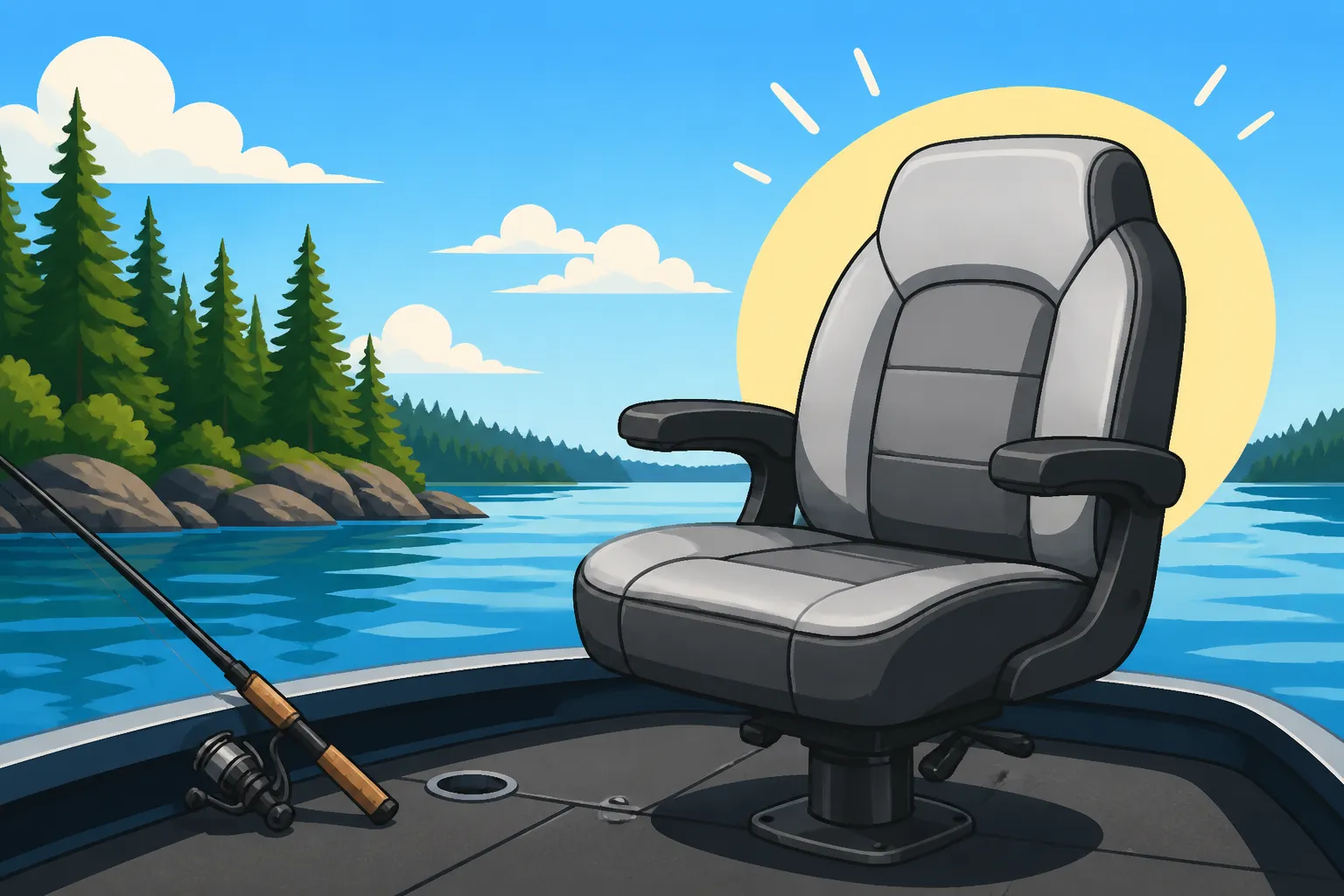
Pedestal seats are perhaps the most common type of fishing seat, offering excellent versatility. They mount on a pedestal, elevating the angler for better visibility, which is crucial for sight fishing or navigating shallow waters. They typically feature a comfortable bucket or helm-style seat with a backrest and sometimes armrests. Many are designed to swivel a full 360 degrees, allowing for casting in any direction or easy interaction with other anglers and gear.
- Pros: Great visibility, good for varied fishing techniques (casting, jigging, trolling), often highly adjustable (height, swivel, sometimes recline).
- Cons: Can take up more deck space, some cheaper models can be wobbly, removal for storage can be a hassle without quick-release bases.
- Best For: Anglers who stand and sit frequently, those needing good visibility, and boats with ample deck space. Many serious multi-species anglers who spend hours on larger lakes will opt for a quality pedestal seat. Consider these if you're out on a Lake Erie Fishing Guide trip, where you're constantly monitoring rods.
Folding Seats: Practicality and Space-Saving
Folding seats are a staple for many smaller boats, Jon boats, and canoes. They typically consist of a backrest and seat cushion that fold down flat when not in use, saving valuable space. While historically simpler, many modern folding seats offer surprisingly good comfort with thicker foam and ergonomic designs. They are often mounted on a swivel and sometimes a short pedestal.
- Pros: Excellent for saving space, easy to store, generally more affordable, and lighter weight.
- Cons: Can be less supportive than a full pedestal seat, especially for very long days, and the folding mechanism can sometimes pinch.
- Best For: Smaller boats, anglers who need to maximize deck space, and those who frequently transport their boat or remove seats for storage. If you're using a Best Kayaks for Ontario Fishing or a smaller craft for river fishing, a compact folding seat might be exactly what you need.
Bench and Casting Seats: Specialized Comfort
Some boats, particularly larger multi-species boats or those designed for specific techniques, feature bench seats or dedicated casting seats. Bench seats offer room for multiple passengers and can be surprisingly comfortable if well-padded, often with storage underneath. Casting seats are typically small, bicycle-style seats mounted on a tall pedestal, designed for an angler to lean against while standing or semi-standing, providing support during active casting sessions.
- Pros: Bench seats offer multi-person comfort and storage; casting seats provide excellent stability and support for active casting without fully sitting.
- Cons: Bench seats can be less versatile for individual angling positions; casting seats are not designed for true sitting comfort over long periods.
- Best For: Boats with integrated bench seating, or dedicated bass/walleye boats where anglers spend a lot of time casting from an elevated position. Best Tackle for Ontario Walleye often involves a lot of casting, making a casting seat a valuable addition.
Here's a quick comparison of common boat seat types:
| Seat Type | Primary Advantage | Ideal Use Case | Typical Comfort for All-Day Use | Space Efficiency | Common Brands/Where to Find |
|---|---|---|---|---|---|
| Pedestal | Elevated visibility, versatile | Trolling, casting, jigging on larger lakes | High (with good features) | Moderate | Bass Pro Shops, marine supply stores, Amazon |
| Folding | Space-saving, portable | Small boats, canoes, occasional use | Moderate to High | High | Amazon, outdoor retailers, marine supply stores |
| Bench | Multi-person, storage | Family boats, larger multi-species boats | Moderate (depends on padding) | Low (fixed) | Factory-installed, custom upholstery, marine |
| Casting | Standing support, active fish | Bass fishing, active jigging, sight fishing | Low (not for sitting) | High (minimal) | Specialized fishing gear retailers |
Maintenance and Longevity: Keeping Your Comfort Afloat
Investing in a great boat seat for those long days fishing on Ontario's beautiful waters is a smart move. But like any piece of marine equipment, it needs a little love and care to ensure it provides comfort and support for many seasons to come. Neglecting your seats can quickly lead to cracked vinyl, faded colours, mildew growth, and even structural issues, forcing you to replace them prematurely.
Cleaning and Protecting Upholstery
The most common enemy of boat seat upholstery is UV radiation and mildew. Regular cleaning is essential. After each trip, especially if you've been handling bait or fish, wipe down your seats with a mild boat soap and water solution. For tougher stains, look for marine-specific vinyl cleaners. Always rinse thoroughly to remove any residue. Once clean and dry, consider using a marine vinyl protectant that contains UV inhibitors. This acts like sunscreen for your seats, preventing the sun's rays from drying out and cracking the material. Brands like 303 Aerospace Protectant are popular choices for their effectiveness in guarding against UV damage. This small step can dramatically extend the life of your seat's vinyl, keeping it supple and vibrant.
If your boat is stored outside or in a damp environment, mildew can become an issue. Even mildew-resistant vinyl can succumb if neglected. Ensure your boat is well-ventilated, and when not in use, consider throwing a boat cover over your seats, or even the entire boat. For existing mildew, a diluted bleach solution (1 part bleach to 10 parts water) or specialized mildew remover can work, but always test on an inconspicuous area first.
Inspecting and Securing Hardware
Corrosion is the silent killer of boat seat hardware. Regularly inspect all bolts, screws, hinges, and swivel mechanisms for any signs of rust or looseness. If you notice rust on stainless steel, it might be "tea staining" and can often be cleaned, but it's a warning sign. For any hardware that isn't stainless steel, consider replacing it proactively with marine-grade stainless steel to prevent future headaches. This is particularly important for pedestal mounts and folding seat hinges, which bear a lot of stress.
A loose seat is not only uncomfortable but also dangerous. Over time, vibrations from the boat motor and waves can loosen mounting bolts. Periodically check all fasteners and tighten them as needed. If a bolt persistently loosens, you might consider using a thread-locking compound, but be sure it's appropriate for marine environments and that you can still remove the bolt if necessary. Remember, a secure seat means you can confidently lean into that big fish without worry. Safety is paramount when you're out on the water, alongside adhering to Ontario Boating Laws for Anglers and having proper Life Jacket Requirements for Ontario Boaters.
Winter Storage Considerations
When the ice starts forming and your Ice Fishing in Ontario gear comes out, it’s time to think about winterizing your boat seats. For boats stored outdoors, it's highly recommended to remove any removable seats and store them indoors in a dry, temperature-controlled environment. This protects them from freezing temperatures, excessive moisture, and pests that might otherwise take up residence. If seats cannot be removed, ensure they are thoroughly cleaned and dry, and then cover them with a breathable boat cover that prevents moisture buildup while still allowing air circulation. Proper winterization ensures that when spring arrives and the walleye opener rolls around, your comfortable seats are ready for another season of epic fishing adventures.
Disclaimer
This article is for general informational purposes only and does not constitute professional advice. Laws, prices and regulations vary by location and change over time. Consult a qualified professional for guidance on your specific situation.