Best budget spinning combo under 100 dollars
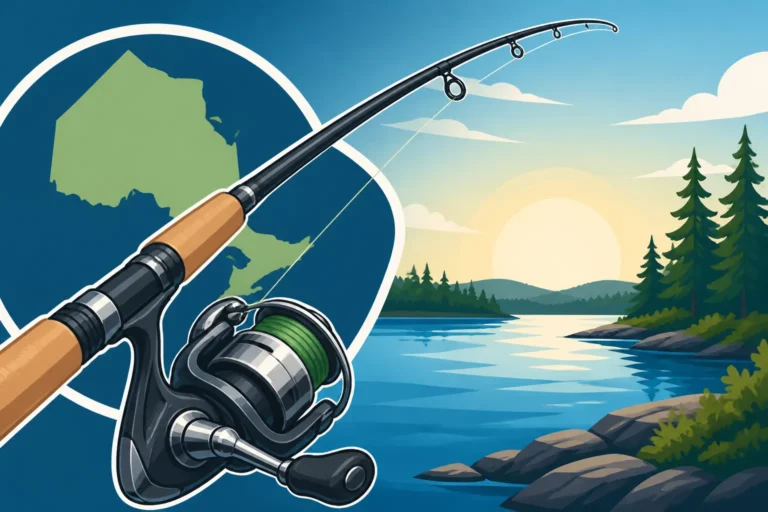
Let's be real, the world of fishing gear can feel incredibly intimidating, especially when you're just starting out or simply trying to enjoy your favourite pastime without emptying your wallet. You see all these high-end rods and reels, and it's easy to think you need to spend a small fortune to catch anything worthwhile here in Ontario. But that's just not true! This guide is all about showing you how to find an excellent, dependable spinning rod and reel combo for under $100 that will serve you well on our beautiful Ontario waters, proving that quality doesn't always have to come with a hefty price tag.
Why a Budget Spinning Combo is a Smart Start for Ontario Anglers
Fishing is a passion, a lifestyle, a way to connect with nature, but it shouldn't be a financial burden. For many, the thought of dropping hundreds of dollars on a single rod and reel can be a major deterrent. That's where the beauty of a well-chosen budget spinning combo truly shines. It’s not just about saving money; it’s about getting into the sport, enjoying it, and building your skills without feeling like you've over-committed to expensive gear you might not even fully appreciate yet.
Breaking Down the Price Barrier to Entry
One of the biggest hurdles for new anglers, or even those looking to get back into the swing of things, is the perceived cost. We often see advertisements for gear that costs more than a weekend getaway, and it can make you wonder if fishing is only for the affluent. But trust me, countless memorable catches have been made on setups that cost less than your weekly grocery bill. A sub-$100 spinning combo opens the door for everyone to experience the thrill of the bite and the peace of the water. It means you can grab your Ontario Fishing License Guide for 2026, pick up an affordable setup, and hit the lake without any guilt about the price tag.
The reality is that advancements in manufacturing and materials have made budget-friendly gear far more capable than it once was. You're not sacrificing functionality for price as much as you might think. These combos are designed to be durable enough to withstand the knocks and bumps that come with learning, and sensitive enough to feel those subtle nibbles that can turn into a trophy fish story. It's about smart shopping and knowing what features truly matter for your needs, rather than getting caught up in the hype of the latest, most expensive models.
Versatility for Various Ontario Fish Species
The real charm of a good spinning combo, especially one in the budget category, is its incredible versatility. In Ontario, we're blessed with a huge variety of fish species, from panfish like perch and crappie to feisty smallmouth bass and elusive walleye. A carefully selected budget spinning combo can handle many of these species effectively, making it an ideal "all-rounder" for the angler who wants to explore different fishing opportunities without needing a separate setup for every situation. You won't be specialized, but you'll be capable.
Think about it: with one versatile rod and reel, you can cast small jigs for panfish on Lake Simcoe, throw crankbaits for bass on Georgian Bay, or even drift a worm rig for walleye on Lake Erie. The key is choosing a combo with a medium-light to medium power rating and a fast or moderate-fast action, as these characteristics provide a good balance between sensitivity for lighter bites and backbone for fighting larger fish. This broad applicability means you can go from targeting How to Catch Smallmouth Bass in Ontario one weekend to focusing on Best Techniques for Panfish in Ontario the next, all with the same trusty setup.
Learning the Ropes Without the Risk
For beginners, or those introducing kids to fishing, an expensive setup can be a source of stress rather than joy. There’s the worry about dropping it, breaking it, or simply not knowing how to use it properly. A budget combo takes that pressure off. It allows you to focus on the fundamental skills of casting, reeling, setting the hook, and playing a fish, rather than being overly concerned about damaging costly equipment.
This lower-stakes environment encourages experimentation. You can try different lures, casting techniques, and retrieve methods without feeling like you're risking a huge investment. It's an excellent way to build confidence and develop your angling instincts. Once you've honed your skills and identified your preferred style of fishing, you can always upgrade later, armed with the knowledge of what truly works for you. Many seasoned anglers still keep a reliable budget combo in their arsenal for guest rods or specific situations where ruggedness is preferred over ultra-sensitivity.
What to Look For in a Sub-$100 Spinning Combo
Navigating the options for budget spinning combos can feel like a maze, but don't worry, it's not as complicated as it seems. The trick is to prioritize the essential features that contribute to a good fishing experience and understand where you can compromise a little without sacrificing performance. We're looking for value, not just the lowest price, so focus on the balance between components.
The Rod: Length, Power, and Action Explained
The rod is your direct connection to the fish, transmitting every twitch and pull. Even on a budget, you can find a rod with good sensitivity and strength.
- Length: For an all-around Ontario combo, a rod length between 6'0" and 7'0" is a sweet spot. Shorter rods (6'0" to 6'6") are great for tighter casting areas, like smaller rivers or heavily treed shorelines, and offer more control for accurate casts. Longer rods (6'6" to 7'0"+) excel at casting farther, covering more water, and provide better leverage for fighting fish in open water. For general purpose, a 6'6" or 7'0" rod is typically ideal.
- Power: This refers to the amount of force it takes to bend the rod. For a versatile combo, look for Medium-Light (ML) or Medium (M) power.
- Medium-Light is fantastic for lighter lures, smaller fish like crappie, perch, and even smaller bass or trout. It offers great sensitivity.
- Medium power is your workhorse. It can handle a wider range of lures and larger fish like average walleye, northern pike, and larger bass. It's usually the best choice for a single, do-it-all combo.
- Action: This describes where the rod bends when pressure is applied.
- Fast Action: The rod bends mostly in the top third or quarter. This provides excellent sensitivity, allowing you to feel subtle bites, and gives you quick, powerful hooksets. Great for jigs and Texas rigs.
- Moderate-Fast Action: The rod bends from the tip through the middle section. This offers a good balance of sensitivity and forgiveness. It's excellent for a variety of baits, including crankbaits and spinnerbaits, as it allows the fish to take the lure more fully before the hookset.
- Moderate Action: Bends closer to the middle of the rod. This is often better for treble hook baits like crankbaits, as it offers a softer parabolic bend that helps keep fish hooked during the fight.
For a sub-$100 combo that you'll use all over Ontario, a 6'6" or 7'0" rod with Medium power and Fast or Moderate-Fast action will give you the most bang for your buck. It’s responsive enough for finesse techniques but robust enough for bigger fish.
| Rod Action | Bend Location | Sensitivity | Hookset Power | Ideal Lures (Example) | Target Species (Example) |
|---|---|---|---|---|---|
| Fast | Top 1/3 or 1/4 | High | Very Quick | Jigs, Worms, Topwater Poppers | Walleye, Smallmouth Bass, Trout |
| Moderate-Fast | Tip through middle section | Medium-High | Quick | Spinnerbaits, Crankbaits, Jerkbaits | Largemouth Bass, Northern Pike |
| Moderate | Closer to middle section | Medium | More Forgiving | Crankbaits, Trolling Rigs | Trolling for Lake Trout, Catfish |
The Reel: Size, Bearings, and Drag System
The spinning reel is where you manage your line, retrieve your lure, and fight the fish. Even on a budget, you want a reel that operates smoothly and has a reliable drag.
- Reel Size: Spinning reels are typically measured in "series" numbers, like 1000, 2000, 2500, 3000, and so on. For a versatile combo in Ontario, a 2500 or 3000 series reel is usually perfect.
- 2000/2500 Series: Ideal for lighter lines (6-10 lb mono/braid) and generally pairs well with Medium-Light or Medium power rods. Great for panfish, trout, and smaller bass.
- 3000 Series: A step up in line capacity and retrieve power, suitable for 8-12 lb mono/braid. It's excellent for average walleye, bass, and smaller pike, offering more versatility if you encounter a larger fish.
- Bearings: While more bearings generally mean smoother operation, don't get too hung up on a high bearing count in the budget category. Look for a reel with at least 3-5 quality ball bearings. What's more important than the sheer number is the quality and placement of those bearings. A reel with fewer, higher-quality bearings often outperforms one with many cheap, poorly placed ones. Focus on how smoothly it feels when you crank the handle in the store.
- Drag System: This is arguably the most critical component of a spinning reel. The drag allows line to be pulled off the spool under tension, preventing your line from breaking when a fish pulls hard. Even on a budget reel, you want a drag system that is smooth and consistent, without sticking or stuttering. Test it by pulling line directly from the spool; it should come off steadily. A sticky drag can lead to lost fish and broken lines. Look for models that boast multi-disc drag systems, as these tend to offer smoother performance.
When you're checking out options from brands like Bass Pro Shops or online at Amazon, pay attention to customer reviews regarding drag performance and overall smoothness. These real-world experiences can be incredibly helpful when shopping for value-oriented gear.
Line Capacity and Spool Material
Don't overlook these often-ignored details, as they play a big role in your overall fishing experience.
- Line Capacity: The reel's spool will list its capacity for different line weights. Ensure the reel you choose can comfortably hold enough of the line you intend to use. For a versatile Ontario setup, being able to spool 100-150 yards of 8-10 lb monofilament or 150-200 yards of 15-20 lb braided line is a good benchmark. Having enough line is crucial for long casts and for giving a strong fish room to run without stripping your spool bare. This is especially important if you're targeting larger species like those found when How to Catch Walleye in Ontario.
- Spool Material: Most budget reels will have aluminum spools, which is great. Aluminum is durable and provides a smooth surface for line to peel off cleanly. Some ultra-cheap options might have plastic spools, which you should generally avoid as they can flex, cause line issues, and break more easily. Keep an eye out for cold-forged aluminum spools if you can find them in your price range, as they offer even greater durability.
Top Picks and Considerations for Your Budget Combo
So, you know what to look for in terms of rod and reel specs. Now, how do you put that knowledge into action and actually find a great combo without breaking your budget? It comes down to knowing which brands consistently deliver value and where to find the best opportunities.
Popular Brands Offering Great Value
Several reputable fishing tackle companies consistently produce excellent spinning combos in the sub-$100 range. These aren't necessarily the flashiest, but they are reliable workhorses that perform far beyond their price tag. When you're browsing the aisles at a store like Bass Pro Shops or scrolling through options on Amazon, keep an eye out for models from these brands:
- Shimano: Known for their incredibly smooth reels, even their entry-level combos often boast impressive drag systems and overall build quality. Their lower-end offerings provide a fantastic introduction to their renowned engineering.
- Daiwa: Another major player in the fishing world, Daiwa offers sturdy and dependable reels with good retrieve feel. They often focus on durability and performance-per-dollar.
- Pflueger: Pflueger often punches above its weight, particularly with their reels. You might find a combo featuring one of their excellent spinning reels, offering a very smooth experience for the price.
- Ugly Stik (Shakespeare): While Ugly Stik is technically a rod brand under Shakespeare, many of their rods come paired with very functional spinning reels in combo packages. Ugly Stik rods are legendary for their nearly indestructible toughness, making them perfect for beginners or those who might be a bit rough on their gear. They might not be the most sensitive, but they are incredibly reliable.
- Lew's: While perhaps better known for their baitcasting gear, Lew's also produces some excellent value-oriented spinning combos that offer a great balance of features and performance.
The key is to read reviews and handle the combo yourself if possible. Feel the rod's balance, check the reel's smoothness, and test the drag. Even within a brand, different series or models can vary, so a little research goes a long way. This careful selection is part of building your Best Tackle Box Setup for Ontario Anglers.
Where to Find the Best Deals
Finding that perfect sub-$100 combo often involves knowing when and where to shop.
- Large Retailers: Stores like Bass Pro Shops, Cabela's, and Sail are fantastic places to start. They often have dedicated sections for rod and reel combos, allowing you to physically handle and compare different options. Their sales staff can also offer insights, though always cross-reference with your own research. These stores frequently have seasonal sales or clearance events where you can snag an even better deal.
- Online Marketplaces: Websites like Amazon offer an incredible selection, often with competitive pricing and detailed customer reviews. The downside is you can't physically touch the gear. However, the sheer volume of options and the ability to compare specifications and read hundreds of user experiences can be invaluable. Just be sure to check return policies before purchasing, in case the combo doesn't feel right once it arrives.
- Sporting Goods Stores: Local sporting goods stores or even larger department stores with a fishing section can sometimes have hidden gems. Don't discount these smaller or less specialized outlets, as they might carry regional brands or have unique clearance items.
- End-of-Season Sales: The absolute best time to find a deep discount on a quality combo is often at the end of the fishing season or during major holiday sales events. Retailers clear out old inventory to make way for new models, and that's when you can find fantastic value.
Always compare prices across different retailers once you've identified a few potential combos. A little savvy shopping can help you stay well within your budget while still getting a quality product.
Pairing Your Combo with the Right Line and Lures
Even the best budget combo won't perform optimally if it's not spooled with the right line or used with appropriate lures. This is where your investment in the combo really pays off – you now have a solid platform to build upon.
- Fishing Line: For most general-purpose Ontario fishing with a budget spinning combo, a good quality monofilament or fluorocarbon line in 6-10 lb test is a reliable choice.
- Monofilament: Affordable, good knot strength, stretches (which can be forgiving for beginners), and is easy to cast. It's a great all-around choice.
- Fluorocarbon: Less stretch than mono, more sensitive, and nearly invisible underwater. It's often a bit more expensive but can be a great main line or leader material.
- Braided Line: Incredibly strong for its diameter, very sensitive, and casts a mile. It has virtually no stretch. While a bit pricier initially, it lasts a long time. If you use braid, always tie a fluorocarbon or monofilament leader (3-6 feet) to the end of your braid, as braid is visible to fish and has poor abrasion resistance. The added Best Line Weight for Muskie Fishing (though this combo isn't for muskie, the principle of line choice applies) information might be helpful.
- Lures: With your versatile combo, you'll want a small selection of lures that cover different depths and retrieve styles.
- Jigs: From small 1/8 oz to 1/4 oz jigs with soft plastic trailers are incredibly versatile for bass, walleye, and panfish.
- Spinnerbaits/Inline Spinners: Great for covering water and attracting a variety of species.
- Crankbaits: Medium-diving crankbaits can entice bass and walleye.
- Worms/PowerBait: Don't underestimate the effectiveness of natural or artificial baits for almost any species.
- Topwater Poppers/Walkers: For exciting surface action with bass.
Start with a few tried-and-true options and expand your tackle as you gain experience and learn what works best in the waters you fish. Remember, a simple worm under a bobber with your new combo can be just as effective and fun as any fancy presentation. Don't forget to check specific regulations for the Ontario Fishing Seasons by Zone and Month you plan to fish, as well as species-specific rules for things like Ontario Walleye Opener Dates by Zone.
Maintaining Your Affordable Setup for Longevity
Getting a great deal on a spinning combo for under $100 is only half the battle. To ensure it continues to perform well season after season, especially with Ontario's sometimes harsh conditions, proper care and maintenance are absolutely crucial. Even budget gear can last a long time if you treat it right. Think of it as protecting your investment, no matter how small.
Basic Cleaning and Storage Tips
Taking a few minutes after each fishing trip to clean and properly store your gear can make a world of difference in its lifespan and performance. Don't just toss it in the corner of the garage!
- Wipe Down After Each Use: Especially if you've been fishing in saltwater (like on the Great Lakes where salinity varies, or if the reel got splashed with lake water and picked up grit), or even just dusty conditions. Use a damp cloth to wipe down the rod and reel to remove dirt, grime, and any salt residue. Avoid spraying water directly into the reel.
- Rinse with Fresh Water (Carefully): If your reel has been exposed to a lot of spray or gotten really dirty, a very light rinse with a gentle stream of fresh water can help. Make sure the drag is tightened to prevent water from entering the drag washers. Do not submerge the reel. Let it air dry completely in a shaded, well-ventilated area before storing.
- Lubricate Moving Parts (Periodically): Most budget reels aren't sealed against water and dirt as well as higher-end models. A drop of specialized fishing reel oil on the main shaft, handle knobs, and line roller (if accessible) once or twice a season can keep things running smoothly. Consult your reel's manual for specific lubrication points. Avoid over-lubricating, as this can attract more dirt.
- Inspect Your Line: Check your fishing line regularly for nicks, frays, or twists, especially the last few feet. Line is your weakest link, and it's cheap to replace. If it looks worn, cut off the damaged section or re-spool with fresh line. This is also a good habit to prevent breaking off lures.
- Proper Storage: Store your rod and reel combo in a cool, dry place, away from direct sunlight or extreme temperature fluctuations. Hanging the rod horizontally or storing it in a rod sleeve prevents warping and protects guides. Loosen the drag on your reel when storing it for extended periods; this helps maintain the integrity of the drag washers. Don't leave your rod leaning against a wall where it can easily fall over and break.
Simple Troubleshooting for Common Issues
Even with good care, you might encounter minor issues with your budget combo. Knowing how to quickly troubleshoot these can save you a trip to the tackle shop or prevent a frustrating day on the water.
- Sticky or Jerky Drag: This is often caused by dirt, salt, or dried lubricant on the drag washers. If a gentle rinse doesn't fix it, you might need to carefully open the drag knob assembly (consult your manual) and clean the washers with a lint-free cloth, then apply a tiny amount of specialized drag grease or oil if recommended by the manufacturer. Often, just loosening and re-tightening the drag a few times can help redistribute the lubricant.
- Reel Handle Wobbles or Feels Loose: Check the screw or nut that secures the handle to the reel body. It might have simply vibrated loose over time. A quick tighten with the appropriate tool (often included with the reel) is usually all it takes.
- Line Twist: This is a common problem with spinning reels and can be exacerbated by lures that spin (like some spoons or inline spinners) or by reeling against a pulling drag. To fix severe line twist, strip all the line off your reel into an open area (like a lawn) and let it untwist in the sun. Or, cast a heavy lure without a swivel into a current and let it drift downstream, then reel it back in slowly. Always use a good quality swivel when fishing lures that spin to prevent line twist.
- Stuck Spool or Bail: If your bail isn't flipping over properly or the spool feels stiff, it's likely dirt or old lubricant. A thorough but gentle cleaning around the bail mechanism and under the spool, followed by light lubrication, usually resolves these issues. Avoid forcing anything, as this can cause more damage. If you're encountering persistent issues, sometimes the best solution for a budget reel is a replacement, but proper maintenance can delay that day significantly.
By understanding what makes a good budget spinning combo, where to find great deals, and how to care for it, you're well on your way to enjoying countless successful fishing trips across Best Fishing Lakes in Ontario without breaking the bank. Happy angling!
Disclaimer
This article is for general informational purposes only and does not constitute professional advice. Laws, prices and regulations vary by location and change over time. Consult a qualified professional for guidance on your specific situation.