Ontario non-resident sport fishing license cost 2026
Planning a fishing trip to Ontario as a non-resident can feel a bit like navigating a maze, especially when you're trying to figure out exactly how much that all-important fishing license is going to set you back. Between the Outdoors Card, the different license types, and trying to decipher the provincial website, it’s easy to get overwhelmed. This comprehensive guide is here to clear up all that confusion, giving you a crystal-clear understanding of the Ontario non-resident sport fishing license cost for 2026, what you need to know before you buy, and how to get out on the water without a hitch.
Understanding Your Ontario Non-Resident Sport Fishing License Options
When you're dreaming of reeling in that trophy walleye or battling a feisty smallmouth bass in Ontario's pristine waters, the first practical hurdle is always the license. For non-residents, it's not just a simple matter of buying one ticket; there's a specific system in place, designed to help manage our incredible fisheries. Understanding the components, like the Outdoors Card and the distinction between 'Sport' and 'Conservation' licenses, is crucial for both compliance and enjoying your trip to the fullest.
The Outdoors Card Requirement for Non-Residents
Before you can even think about purchasing a fishing license in Ontario, whether you're a Canadian resident from another province or an international visitor, you'll need an Outdoors Card. Think of it as your unique identifier, a bit like a fishing ID card, that's valid for three calendar years. This card is absolutely mandatory for anyone 18 years or older who wants to buy an Ontario fishing license. It's not just a piece of plastic; it helps the Ministry of Natural Resources and Forestry (MNRF) track angler participation and manage fisheries resources more effectively.
When you purchase your first Outdoors Card, it acts as a base. Subsequent license tags (like your annual or 8-day fishing license) are then printed with your Outdoors Card number on them, essentially linking your privilege to fish with your identity in the provincial system. Many non-residents, especially those coming for the first time, often overlook this initial step, leading to delays when they're eager to get on the water. The good news is that once you have it, it's valid for three years, saving you a bit of hassle on return trips. For more detailed information on this foundational requirement, be sure to check out our guide on the Ontario Outdoors Card, Explained.
Sport vs. Conservation: Making the Right Choice
This is where many anglers, particularly non-residents unfamiliar with Ontario's system, often pause. Ontario offers two main types of fishing licenses: a Sport Fishing License and a Conservation Fishing License. Both are available to non-residents, but they come with significant differences in terms of daily catch and possession limits. Making the right choice really depends on your fishing philosophy and how much fish you intend to keep.
A Sport Fishing License (which is our focus today) provides you with the highest legal limits for most species. If you're planning to keep a reasonable number of fish for a shore lunch or to take home, this is generally the license you'll want. It allows you to take advantage of the generous limits that Ontario's bountiful waters offer, ensuring you can bring home a memorable meal or two. For example, if the limit for walleye in a certain zone is six fish, a Sport license would typically allow you to possess that full amount. This is a popular choice for many non-resident anglers who are coming for a full fishing vacation and appreciate the option to harvest some of their catch.
On the other hand, a Conservation Fishing License comes with reduced catch and possession limits – usually about half of what a Sport license allows, or sometimes even catch-and-release only for certain species. This option is perfect for anglers who are primarily focused on the thrill of the catch, practicing catch-and-release, or who only want to keep a very small amount of fish. It's a great way to support conservation efforts while still enjoying Ontario's incredible fishing opportunities. However, if you accidentally keep more than your Conservation license allows, you could face hefty fines. So, it's vital to know which one suits your plans best. Our in-depth look at the Ontario Sport vs Conservation Fishing License provides even more detail to help you decide.
Ontario Non-Resident Sport Fishing License Costs for 2026
Now, let's get down to the brass tacks: what will an Ontario non-resident sport fishing license actually cost you for 2026? It's important to note that while official 2026 figures are typically confirmed closer to the new calendar year, the costs tend to be very consistent year-over-year. The figures provided here are based on the most current 2024/2025 rates, which are widely expected to remain the same or see only minor adjustments for 2026. These prices already include HST (Harmonized Sales Tax), so what you see is generally what you pay, unless there's a minor processing fee from a third-party vendor.
Annual Sport Fishing License Cost for Non-Residents
For those planning an extended trip or multiple visits throughout the year, the annual non-resident sport fishing license is often the most cost-effective choice. It covers you for the entire calendar year, from January 1st to December 31st, regardless of when you purchase it.
As of the current rates, the Ontario Non-Resident Annual Sport Fishing License costs approximately $63.36 (including HST). This price gives you full access to Sport fishing limits across all of Ontario's open waters for the entire year, assuming you also have a valid Outdoors Card. If you're thinking about coming up for a week-long trip in the summer and then perhaps a fall outing for some muskie fishing, this license quickly pays for itself. Imagine spending a glorious week at a lodge near Lake of the Woods, targeting massive walleye and northern pike, and then returning in October to chase the giants of Georgian Bay – all under the same annual license. It offers incredible flexibility and value for dedicated anglers. For a direct look at the yearly costs, you can also refer to our article on Non-Resident Annual Fishing License Cost in Ontario.
1-Day and 8-Day Sport Fishing License Costs
Not everyone plans a full-year fishing marathon. Many non-residents visit Ontario for shorter trips, maybe just a long weekend, or they're accompanying friends who are avid anglers and want to try it out. For these situations, Ontario offers more flexible, shorter-duration licenses that are perfect for brief excursions.
- 8-Day Non-Resident Sport Fishing License: This license is fantastic for your typical week-long fishing vacation. It costs approximately $42.24 (including HST). The 8-day period starts on the day you specify at the time of purchase and runs for eight consecutive days. This is a very popular option for groups coming up from the United States or other Canadian provinces for a dedicated fishing trip to places like the French River Fishing Guide area or the renowned Lake Erie Fishing Guide region. It balances cost with convenience for a solid vacation.
- 1-Day Non-Resident Sport Fishing License: For the shortest visits or a spur-of-the-moment decision to wet a line, the 1-day license is ideal. It costs approximately $13.59 (including HST). This license is valid for one specific day, making it perfect for those who might only fish for a few hours or for someone trying fishing for the first time. What’s interesting about the 1-day license is that its cost is the same whether you choose the Sport or Conservation option, so for that single day, you might as well opt for the Sport version to give yourself the most flexibility with limits. If you're specifically looking into this option, our guide on the Ontario 1-Day Non-Resident Fishing License Cost offers more details.
| License Type | Duration | Estimated 2026 Sport License Cost (CAD, incl. HST) | Estimated 2026 Conservation License Cost (CAD, incl. HST) |
|---|---|---|---|
| Outdoors Card | 3 Years | $9.68 | $9.68 |
| Fishing License | Annual | $63.36 | $39.54 |
| Fishing License | 8-Day | $42.24 | $26.32 |
| Fishing License | 1-Day | $13.59 | $13.59 |
Note: All prices are approximate and include HST, based on current 2024/2025 rates. Official 2026 rates are expected to be similar but may be subject to minor changes.
Associated Fees and Taxes
One of the nice things about purchasing an Ontario fishing license is that the displayed prices typically include the Harmonized Sales Tax (HST). This means you generally don't have to do extra mental math at the point of purchase. However, if you purchase through a third-party vendor, like an independent bait shop or a tourist outfitter, there might be a small, nominal processing fee tacked on, though this is usually clearly communicated. The prices listed above are what you'd typically pay directly through the provincial online portal or at most ServiceOntario locations. This transparency helps avoid any unwelcome surprises when you're budgeting for your trip to Ontario's amazing fishing destinations. If you're curious about the overall picture of costs, our general guide on How Much Does an Ontario Fishing License Cost can provide additional context.
How and Where to Purchase Your Non-Resident Fishing License
Once you've decided which type of license is right for you, the next step is actually getting your hands on it. Ontario has made the process quite accessible, offering both convenient online purchasing options and the opportunity to buy in person. Each method has its own benefits, depending on your preferences and travel plans.
Online Purchase Through the MNRF
For many non-resident anglers, especially those planning ahead, buying your license online is the easiest and most straightforward option. The Ontario government's Fish and Wildlife Licensing Service portal (often referred to as 'Hunt and Fish Ontario') is a robust system designed for this purpose.
Here's a general step-by-step of how it works:
- Visit the Official Portal: Navigate to the official Ontario government fishing license website.
- Create an Account or Log In: If it's your first time, you'll need to create an account, which will also initiate your Outdoors Card purchase if you don't already have one. If you have an Outdoors Card, simply log in using your Outdoors Card number or other credentials.
- Select Your License: Choose the "Fishing License" option and select the non-resident category, then specify whether you want an Annual, 8-Day, or 1-Day Sport Fishing License.
- Confirm Details and Pay: Double-check all your personal information and the license details, then proceed to payment using a credit card.
- Print Your License: Once the transaction is complete, you'll receive a confirmation and be able to print your temporary license and Outdoors Card right from home. This printout acts as your legal document until you receive a physical Outdoors Card in the mail (which usually takes a few weeks).
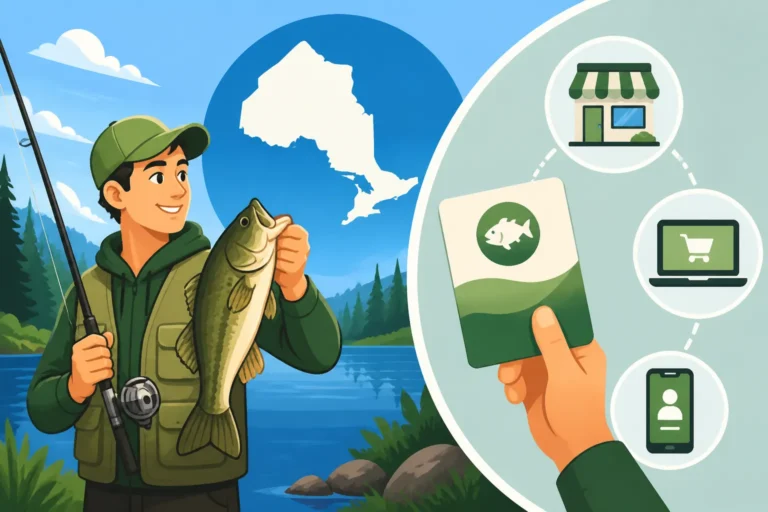
The biggest benefit of online purchasing is the sheer convenience. You can do it from the comfort of your home, days or weeks before your trip, ensuring you're legally ready to fish the moment you arrive. This also avoids potential delays at local vendors, especially if you're arriving late in the day. Our guide on How to Buy an Ontario Fishing License Online offers a more detailed walkthrough of this process.
In-Person at Authorized Vendors
While online is great for planning, sometimes you just need to get your license on the spot, or you appreciate the human interaction. Many authorized license issuers across Ontario offer in-person purchasing. These can include:
- ServiceOntario Centres: These government service centres often handle fishing license sales.
- Sporting Goods Stores: Major retailers like Canadian Tire or independent outdoor shops.
- Bait and Tackle Shops: Often the best place for local advice and on-the-spot purchases, especially in smaller towns or fishing-focused areas.
- Tourist Outfitters and Resorts: Many lodges and resorts catering to anglers will sell licenses directly to their guests, providing a seamless experience.
Buying in person has its own perks. You can ask questions, get local tips on what's biting, and immediately walk away with a printed copy of your Outdoors Card and fishing license. It's often a good idea to check for a vendor near your destination, especially if you're heading to a more remote area. Just make sure to bring a piece of valid government-issued ID with you, as it's required for verification. When you arrive at your fishing destination, whether it's the beautiful Lake Simcoe Fishing Guide region or further north, having a local spot to pick up your license and some bait can be incredibly helpful.
What to Carry While Fishing
Regardless of how you purchase your license, it's absolutely crucial to carry proof of it whenever you're out fishing. This means having your Outdoors Card and your current fishing license tag with you.
- Physical vs. Digital: While a physical Outdoors Card will be mailed to you, the printed receipt or temporary document you get immediately after purchase (online or in-person) is valid for fishing. Many anglers choose to laminate these for durability. Ontario also allows you to carry a digital version of your license on your smartphone or other device, provided it's legible and easily accessible. Just make sure your phone is charged!
- Readability: The key is that conservation officers must be able to clearly read and verify your license information. Faded printouts or uncharged phones won't cut it.
- Keeping it Safe: Consider using a waterproof wallet or a small dry bag (you can find plenty of options on Amazon that are perfect for this) to protect your important documents while on the water.
Having your documents readily available not only ensures you're compliant with regulations but also makes any interaction with a conservation officer smooth and brief. For a complete understanding of how to manage your license documents, check out our article on Printing or Carrying a Digital Fishing License in Ontario.
Important Considerations for Non-Resident Anglers
Getting your fishing license sorted is a huge step, but a truly successful and enjoyable non-resident fishing trip to Ontario involves a few more pieces of the puzzle. Beyond the license itself, understanding the regulations, preparing your gear, and knowing the potential pitfalls are all part of the experience.
Understanding Ontario Fishing Regulations
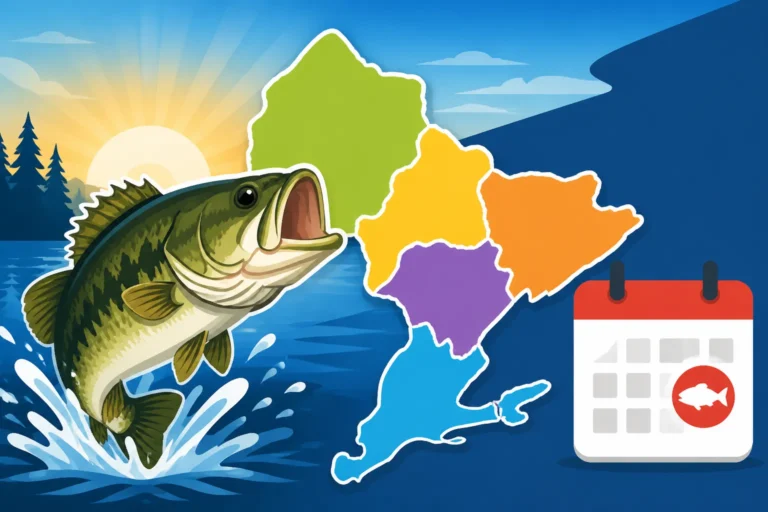
This cannot be stressed enough: simply having a license isn't enough. Ontario's fishing regulations are detailed and vary significantly across different Fisheries Management Zones (FMZs), and even within specific lakes or rivers. What's legal to catch, when you can catch it, and how many you can keep can change from one body of water to the next, and even throughout the year.
The Ontario Fishing Regulations Summary is your bible. It outlines all the rules, including open seasons, catch and possession limits, size restrictions, and bait restrictions for each FMZ. Before you even cast a line, you need to know which FMZ you're in and consult the corresponding section of the summary. For instance, the walleye opener dates in FMZ 15 might be different from FMZ 18, and limits on a specific lake might override the general zone rules. The province also provides an excellent online tool called Fish ON-Line, which is an interactive map where you can pinpoint your exact fishing location and see the specific regulations that apply. Take the time to understand these rules, as ignorance is not an excuse for breaking the law. Dive deeper into the specifics by reading our Ontario Fishing Regulations Explained guide.
Planning Your Trip Beyond the License
Your fishing license is just one piece of a fantastic Ontario angling adventure. There's a whole world of planning that goes into making your trip memorable and successful.
- Gear Up: Do you have the right rods, reels, and tackle for the species you're targeting? Are your lines fresh, and do you have a variety of lures suitable for Ontario's diverse waters? Many non-residents invest in robust gear that can handle anything from panfish to trophy muskie. If you're looking to upgrade your setup or simply need some essential items, retailers like Amazon offer a vast selection of fishing gear, from quality braided line to durable tackle boxes, that can be shipped right to your door before you even cross the border.
- Boating Laws: If you plan on bringing your own boat, remember that Ontario has specific Ontario Boating Laws for Anglers you need to follow, including requirements for your Pleasure Craft Operator Card and mandatory safety equipment. These rules are for everyone's safety on the water.
- Accommodation and Logistics: Have you booked your lodge, cabin, or campsite? Do you know where you'll get your bait, ice, and groceries? Planning these logistical details in advance, especially for popular destinations like the Best Fishing Lakes in Ontario, can save you a lot of headaches and maximize your time on the water.
- Weather Preparedness: Ontario weather can be unpredictable. Pack layers, waterproof outerwear, and suitable footwear. Again, finding reliable rain gear or insulated boots on Amazon before your trip can make a huge difference in comfort, especially during spring or fall fishing.
A little preparation goes a long way in ensuring your focus remains on the joy of fishing, rather than on unexpected problems.
Penalties for Non-Compliance
It's tempting to think that a minor oversight might go unnoticed, but conservation officers in Ontario are vigilant and highly knowledgeable. They are dedicated to protecting the province's natural resources, and they take violations seriously. Fishing without a valid license, or exceeding your catch and possession limits, can lead to significant consequences.
Penalties can range from substantial fines to the seizure of your fishing gear, your boat, or even your vehicle. In more severe cases, repeat offenses or serious violations can lead to a ban from fishing in Ontario for a period of time. These aren't just theoretical possibilities; they are real consequences that anglers face every year. The best way to avoid these frustrating and costly situations is to simply familiarize yourself with all the regulations, ensure your license is valid, and fish responsibly. It's a small investment of time and effort to protect both your wallet and Ontario's precious fisheries for generations to come.
Disclaimer
The information provided in this guide regarding Ontario fishing license costs and regulations is based on the most current publicly available data for 2024/2025 and is intended for general guidance. While all efforts have been made to ensure accuracy, official 2026 rates and specific regulations are subject to change by the Ontario Ministry of Natural Resources and Forestry (MNRF). Always consult the official Ontario government fishing regulations summary and website (e.g., huntandfishontario.com) for the most up-to-date and legally binding information before you plan and embark on your fishing trip.