Ontario Lake Nipissing fishing regulations
Oh, Lake Nipissing! A truly magnificent fishery in Ontario, drawing anglers from all over for its incredible walleye, pike, and muskie opportunities. But let's be honest, trying to navigate the maze of fishing regulations can feel like trying to untangle a particularly stubborn bird's nest. It's frustrating, confusing, and if you get it wrong, it can lead to hefty fines. This comprehensive guide is here to break down the specific fishing regulations for Lake Nipissing, ensuring you have a clear understanding before you cast your line.
Understanding Fisheries Management Zone 11 for Lake Nipissing
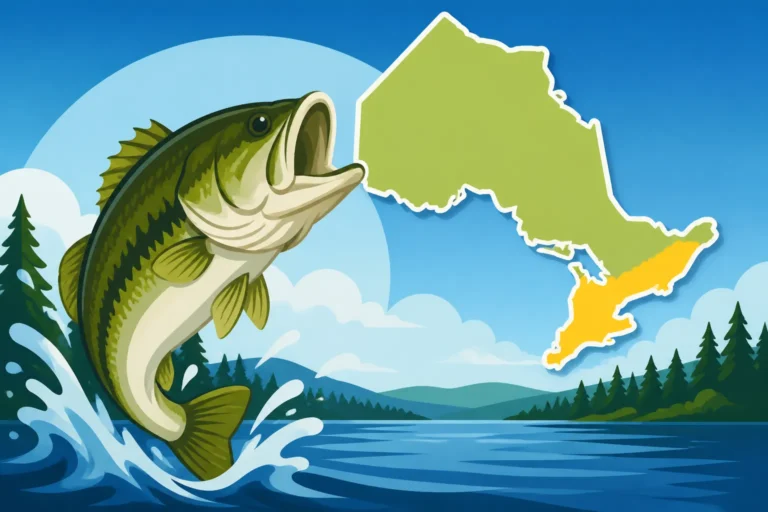
Lake Nipissing isn't just a dot on the map; it's a jewel in Ontario's fishing crown, and as such, it comes with its own set of rules and considerations within the broader Fisheries Management Zone (FMZ) 11. It's crucial not to generalize when it comes to such a significant fishery.
Why FMZ 11 is Unique for Lake Nipissing
Lake Nipissing is not merely located within FMZ 11; it often serves as the focal point for many specific regulations within this zone. This means you can't just glance at the general FMZ 11 rules and assume they apply universally to Nipissing. There are frequently special rules for Lake Nipissing due to its unique ecology, the intense fishing pressure it experiences, and its importance as a trophy fishery, particularly for walleye. These specific regulations are painstakingly designed to protect valuable fish stocks and ensure sustainable fishing for generations to come. For instance, while other, less-fished lakes in FMZ 11 might have more lenient limits, Nipissing often faces tighter restrictions to safeguard its prized populations.
Think of it this way: the Ministry of Natural Resources and Forestry (MNRF) treats Lake Nipissing with special care, recognizing its ecological significance and its economic impact on local communities. This means that while a broader understanding of the Ontario Fisheries Management Zones, Explained provides a great foundation, you absolutely need to drill down into the Nipissing specifics. These regulations aren't arbitrary; they are the result of extensive biological surveys, angler input, and a deep understanding of the lake's ecosystem. Ignoring these nuances can lead to unintentional violations, which nobody wants when they're out enjoying a peaceful day on the water.
It's a common mistake for anglers to assume that once they know the general FMZ regulations, they're set for every body of water within that zone. However, a quick check of the official regulations summary will quickly reveal dedicated sections just for Lake Nipissing, often with distinct seasons, size limits, and possession limits that supersede the general zone rules. Always double-check these specific provisions before heading out, especially if you're targeting popular species like walleye.
Where to Find the Official Regulations Summary
The most current and authoritative source for all Ontario fishing regulations, including those specific to Lake Nipissing, is the official Reading the Ontario Fishing Regulations Summary provided by the Ontario government. You can usually find this essential document online on the provincial government's website or pick up a physical copy wherever fishing licenses are sold, such as at many bait shops, ServiceOntario locations, or authorized license vendors. It's updated annually, so never rely on an old, outdated copy from a previous season.
Navigating the summary might seem a bit daunting at first glance, but it's an absolutely crucial step. Look for the section specifically dedicated to Fisheries Management Zone 11. Within that section, there will almost certainly be a sub-section titled "Lake Nipissing" or "Special Regulations – Lake Nipissing." This is where you'll find the fine print—the exact season dates, daily catch limits, possession limits, and any size restrictions—that can make or break your fishing trip. If you're having trouble finding it online, a quick web search for "Ontario Fishing Regulations Summary FMZ 11" usually gets you right to the correct page.
Many experienced anglers find it helpful to keep a digital copy of the regulations summary on their smartphone or tablet for easy reference while on the water. Some even print out the relevant pages for their specific zone and keep them laminated in their tackle box or boat. While the government website is the primary and most reliable source, you might also find downloadable PDFs or even summarized versions on reputable fishing forums or outdoor retailer websites like Amazon, although it's always best to cross-reference with the official source to ensure accuracy and avoid any misunderstandings.
Key Species and Their Specific Regulations on Lake Nipissing
Lake Nipissing is renowned for a few key species, and each one comes with its own set of rules designed to manage their populations effectively. Understanding these species-specific regulations is paramount for a legal and enjoyable fishing experience.
Walleye (Pickerel) Regulations on Lake Nipissing
Walleye, often referred to as pickerel by many, are the undisputed kings of Lake Nipissing, attracting countless anglers from far and wide. Because of their immense popularity and historical fishing pressure, walleye regulations on Lake Nipissing are typically among the most stringent and require your most careful attention. Historically, Lake Nipissing has faced challenges with its walleye population, leading to specific efforts and adaptive management strategies to protect this valuable fishery. The season dates, daily catch limits, and possession limits for walleye on Lake Nipissing are almost always different from the general FMZ 11 rules.
For example, while the broader zone might have a more relaxed season, Lake Nipissing often has a later opening date and sometimes an earlier closing, along with very specific slot size limits. This means that any walleye caught outside a predetermined length range (e.g., one that is too small or too large) must be immediately and carefully released. This is a common and effective conservation strategy used to protect spawning fish and ensure a healthy population of younger, reproducing fish can mature. Always consult the official summary for the precise Ontario Walleye Opener Dates by Zone for FMZ 11, and then specifically verify the dates and slot sizes applicable to Lake Nipissing, as these details can change from year to year.
Let's clarify the numbers: you'll typically encounter both a daily catch limit and a possession limit. The daily limit dictates how many walleye you can legally harvest in a single 24-hour period. The possession limit, however, refers to the total number of walleye you can have with you, including those in your livewell, cooler, at your cottage, or in your freezer. For instance, if the daily limit is two and the possession limit is four, you could keep two walleye today and two more tomorrow, but you absolutely couldn't have more than four total fish from Lake Nipissing in your possession at any given time. These critical details are clearly laid out in the Ontario Bag and Possession Limits by Species section of the official regulations summary.
Northern Pike Rules for Lake Nipissing
Northern Pike are another highly sought-after species on Lake Nipissing, offering aggressive strikes and a thrilling fight that can really get your adrenaline pumping. While perhaps not as heavily regulated as walleye, pike still have specific rules that must be followed. The season for pike on Lake Nipissing is often quite generous, typically opening relatively early in the spring and closing later in the year, sometimes even allowing for winter ice fishing opportunities. However, just like with walleye, specific size restrictions or slot limits can apply to pike.
Many anglers target pike for their incredible fighting prowess, and catching a sizable 'gator' is considered a real treat. However, it's not uncommon for lakes like Nipissing to implement slot limits for pike, similar to those for walleye, where fish within a certain size range must be released. This is often done to protect the larger, mature breeding female pike, which are crucial for the long-term health and sustainability of the population. Make sure you understand whether your fishing license is a Sport or Conservation license, as this will directly impact your limits. A Conservation license typically has lower catch and possession limits than a Sport license, as thoroughly explained in Ontario Sport vs Conservation Fishing License.
Before you head out onto the lake, ensure your measuring device is easily accessible and accurate. Having a reliable, easy-to-read tape measure or even a marked section on your boat or ice hut floor can prevent a lot of headaches and potential misinterpretations. It's also wise to have a good set of jaw spreaders and long-nosed pliers readily available to safely unhook these toothy predators, minimizing harm if you need to release them quickly. You can find quality versions of these essential tools at local tackle shops or through online retailers like Amazon.
Other Popular Species: Bass, Perch, and Muskie
Lake Nipissing boasts a diverse fishery, offering excellent opportunities for numerous other species beyond just walleye and pike. Both Smallmouth and Largemouth Bass thrive in its waters, with seasons typically opening later in the summer to protect their vital spawning periods. Always check the specific opening dates for bass in FMZ 11, as these can often differ from other zones. The limits for bass are generally more relaxed than for walleye, but it's still crucial to know your exact daily and possession limits before targeting them.
Yellow Perch are abundant in Lake Nipissing and provide fantastic action, especially for families or during the popular ice fishing season. Often, perch have very generous limits or even no size restrictions, making them an excellent option for a delicious shore lunch or a simple, fun day of fishing. However, even for seemingly common species like perch, always quickly reference the summary to confirm there aren't any unexpected localized rules that might apply to Nipissing. Panfish like perch are often excellent table fare and a blast to catch, but adhering to the rules helps maintain their healthy populations too.
And then there's the mighty Muskellunge. Lake Nipissing is renowned for its trophy muskie potential, drawing dedicated anglers seeking that fish of a thousand casts. These apex predators are almost always under strict catch-and-release rules due to their incredibly slow growth rate, their rarity, and their vital role in the lake's ecosystem. If you're lucky enough to hook into a muskie, be prepared for an intense fight and for a safe, quick release. The Ontario Muskellunge Season Dates and Limits will confirm that catch-and-release is usually mandatory, and specific seasons are in place to protect these magnificent fish. Always have a large, knotless landing net ready and handle them with extreme care to ensure their survival.
Essential Gear and Practices for Compliance
Beyond knowing the rules for the fish, you also need to know the rules for you and your equipment. Being properly licensed and equipped is fundamental for any responsible angler on Lake Nipissing.
Your Fishing License and Outdoors Card
Before you even think about casting a line in the beautiful waters of Lake Nipissing, you absolutely must have a valid Ontario Fishing License Guide for 2026 and an Ontario Outdoors Card, Explained. The Outdoors Card is essentially your identification document for all hunting and fishing licenses in Ontario and is typically valid for several years. Your actual fishing license, which you renew annually or every three years, is then printed or digitally linked to this Outdoors Card. Without both of these documents, you are fishing illegally, and let me tell you, ignorance is absolutely no excuse when it comes to conservation officers.
It's a common oversight, but always ensure your fishing license is current and accurately reflects your correct class (Resident or Non-Resident, and Sport or Conservation). The costs vary depending on these classifications, and a Conservation license, while offering lower catch limits, is also more affordable. You can conveniently purchase or renew your license online through the Ontario government website, at a ServiceOntario location, or from numerous authorized license issuers such as local tackle shops. Make sure you fully understand the critical difference between an Ontario Sport vs Conservation Fishing License, as this directly impacts your catch limits and therefore, your compliance.
In today's increasingly digital age, Printing or Carrying a Digital Fishing License in Ontario is completely acceptable. You can comfortably have a digital copy stored securely on your smartphone or tablet. However, it's always a remarkably good idea to have a backup plan. This could be a simple screenshot of your license, a printed paper copy tucked away in your tackle box, or both. Imagine losing phone service on the lake, or worse, accidentally dropping your device in the water – having a physical copy or at least knowing your Outdoors Card number by heart can save you a whole lot of grief if you're ever checked by a conservation officer.
Boating Safety and Equipment Check
If you're planning to fish from a boat on Lake Nipissing, understanding and diligently adhering to Ontario's boating safety regulations is just as critical as knowing your fishing limits. Lake Nipissing is a vast body of water, and weather conditions can change rapidly and unexpectedly, turning a calm day into a challenging one. Beyond just your fishing gear, your boat needs to be properly equipped with all the required safety items as mandated by Transport Canada. This includes having a properly sized life jacket or PFD for every single person on board, a sound-signalling device, a bailing device (like a bucket or pump), a buoyant heaving line, and much more.
Before every single outing, make it a habit to conduct a thorough check of your vessel and all its safety components. Are your Life Jacket Requirements for Ontario Boaters met and are they easily accessible? Are your navigation lights fully functional if there's any chance you'll be out near dusk or dawn? Is your fire extinguisher charged and within reach? These aren't merely recommendations; they are strict legal requirements under Canadian boating laws. Failure to comply can result in significant fines and, more importantly, put you and your passengers at serious risk should an emergency arise.
Even smaller watercraft like canoes, kayaks, or stand-up paddleboards have specific safety requirements. For instance, while a Pleasure Craft Operator Card (PCOC) isn't typically needed for non-motorized boats, a PCOC is generally required for anyone operating any powered recreational vessel. A basic marine safety kit, which you can easily assemble yourself or purchase pre-made from retailers like Amazon or local marine supply stores, is an absolute must-have for all watercraft. Don't let a simple safety oversight turn what should be a great fishing day into a dangerous or an unnecessarily expensive one.
Catch-and-Release Best Practices
Given the immense importance of conservation on a heavily fished lake like Nipissing, practicing proper catch-and-release techniques is absolutely vital, especially for species with specific slot limits or those like muskie that are almost always strictly catch-and-release. The overarching goal of these practices is to minimize stress and physical injury to the fish, thereby maximizing its chances of survival after release. This means handling the fish as little as possible, keeping it in the water whenever you can, and always using appropriate tools.
Always use a knotless, rubberized landing net to protect the fish's delicate slime coat and fins from abrasion and damage. Have long-nosed pliers or a specialized hook remover readily available for quick and efficient de-hooking. For toothy predators like pike and muskie, a good pair of jaw spreaders is invaluable for safe hook removal. Avoid laying fish on hot, dry surfaces such as boat decks, and if you choose to take a photo, do it quickly and with the fish fully supported horizontally, preferably in or just above the water, to avoid damage to its internal organs. A quick, smooth, and gentle release is always the best approach.
Understanding specific designations like Ontario Catch and Release Only Waters or species-specific rules (such as those for muskie) is key to responsible angling. The entire idea behind these regulations is to release fish in excellent condition, so they can return to the depths, recover fully, and continue to contribute to future generations of fish in the lake. Even if a fish is well within the legal size and daily limit, if you don't intend to keep it for consumption, handling it gently and releasing it with care is a profound sign of respect for the resource and your fellow anglers.
Navigating Common Angler Confusions and Challenges
Fishing regulations can sometimes feel like a minefield of potential misunderstandings. Let's clear up some of the most common points of confusion to keep you on the right side of the law on Lake Nipissing.
Understanding Daily vs. Possession Limits
One of the most frequent sources of confusion for anglers, particularly those enjoying multi-day fishing trips to Lake Nipissing, is the critical distinction between daily catch limits and possession limits. As we touched upon earlier, the daily limit dictates what you can legally harvest in one calendar day. The possession limit, however, is the absolute maximum number of fish you can have at any given time, whether they are fresh, frozen, filleted, or otherwise processed and stored, from that specific body of water.
Consider this very common scenario: You're enjoying a fantastic week at a cottage on Lake Nipissing. The daily walleye limit is set at two, and the possession limit is four. On Monday, you have a successful day and catch and keep two legal walleye. On Tuesday, you repeat your success and catch and keep two more. You now have four walleye in your cooler or freezer back at the cottage. If you then go fishing on Wednesday, even if you manage to catch two more perfectly legal walleye, you cannot keep them. Why? Because you are already at your possession limit of four fish. To legally keep any more walleye, you would first need to consume or give away some of the fish already in your possession.
This rule is meticulously designed to prevent overharvesting, even by individual anglers over a period of days. It's especially important for those staying at lodges, resorts, or renting cottages where fish might be stored for several days or even for the duration of their trip. Always double-check these specific numbers in the official regulations summary, which can be found in the Ontario Bag and Possession Limits by Species section, and plan your take-home accordingly. Getting this distinction wrong can lead to significant penalties, which are outlined in articles like Fishing Without a License in Ontario: Penalties (though these apply more broadly to all types of violations, not just license issues).
Ice Fishing Specific Regulations
Lake Nipissing is not just a summer destination; it's a legendary ice fishing haven, famous for its incredible winter walleye and perch opportunities. However, ice fishing brings with it its own unique and specialized set of regulations that you absolutely need to be aware of. This includes specific rules about ice hut identification, strict removal dates for huts, and sometimes even specific gear restrictions unique to the winter season. For example, all ice huts must be clearly marked with the owner's name and address (or their Outdoors Card number) for identification purposes.
A critical rule for all ice anglers on Lake Nipissing is the ice hut removal deadline. These dates are meticulously set annually by the MNRF and are strictly enforced to prevent huts from becoming hazards once the ice begins its inevitable melt in the spring. Missing this deadline can result in substantial fines and even charges for environmental cleanup. Always check the official regulations summary for the precise ice hut removal dates for FMZ 11, specifically looking for any Lake Nipissing notes. These dates are published well in advance, giving you ample time to plan for their removal.
Beyond ice huts, ensure your chosen fishing methods are legal for ice fishing. The number of lines you are permitted to use for ice fishing (typically two, but always confirm in the current summary) is often different from open water regulations. Also, while you're focused on the fish, never forget personal safety on the ice. Always carry ice picks, tell someone your plans and expected return time, and be aware of ice conditions. While not directly a regulation, investing in a good quality ice auger or a reliable ice hut, which can often be found on Amazon during the off-season, can make your winter fishing experience much safer and considerably more enjoyable.
Dealing with Regulation Changes and Updates
One of the biggest frustrations for both experienced and novice anglers alike is the undeniable truth that fishing regulations aren't static. They can, and frequently do, change from year to year. These changes are usually carefully implemented by the MNRF in response to new scientific data, shifts in fish populations, evolving environmental factors, or even valuable feedback from anglers themselves. What was perfectly legal last year might very well not be this year, and relying on outdated information is a surefire way to run into trouble.
This dynamic nature of regulations is precisely why relying on old copies of the regulations summary or casual hearsay from other anglers is a risky and ill-advised move. The absolute best practice is to consult the newest Ontario Fishing Regulations Summary every single year before you embark on your first fishing trip of the season. The government's official website is typically updated by late fall or early winter for the upcoming season, giving you plenty of time to review and prepare for any adjustments.
Consider subscribing to newsletters from the MNRF or reputable fishing organizations, follow official social media channels, or even set a yearly reminder on your phone or calendar to check the updated regulations. It might seem like a small chore amidst all the excitement of planning a fishing trip, but it's a very small price to pay to ensure your fishing adventure to Lake Nipissing is fully compliant, enjoyable, and actively contributes to the ongoing health and sustainability of this truly incredible fishery.
Lake Nipissing Fishing Regulations Summary
To help you quickly reference the general regulations for some of the most popular species on Lake Nipissing, here's a table. Please remember these are approximate and typical values; always consult the current official Ontario Fishing Regulations Summary for the most up-to-date and precise information for FMZ 11 and Lake Nipissing.
| Species | Season (Approximate) | Daily Catch Limit (Conservation/Sport) | Possession Limit (Conservation/Sport) | Typical Size Restrictions |
|---|---|---|---|---|
| Walleye | Mid-May to Mid-October | 2 / 2 | 2 / 2 | Slot limit (e.g., 40-60 cm must be released) |
| Northern Pike | Early May to December 31 | 4 / 6 | 4 / 6 | Often slot limit (e.g., over 61 cm release) |
| Smallmouth Bass | Late June to Mid-December | 2 / 4 | 2 / 4 | No size restrictions (usually) |
| Largemouth Bass | Late June to Mid-December | 2 / 4 | 2 / 4 | No size restrictions (usually) |
| Muskellunge | Early June to Mid-December | 0 / 0 | 0 / 0 | Catch and Release Only |
| Yellow Perch | Open All Year | 25 / 50 | 25 / 50 | No size restrictions (usually) |
Disclaimer
The information provided in this guide is for general informational purposes only and is not intended as legal advice. Fishing regulations in Ontario, particularly for specific bodies of water like Lake Nipissing, are subject to change. While we strive to keep our content up-to-date, it is the angler's sole responsibility to consult the most current official Ontario Fishing Regulations Summary provided by the Ministry of Natural Resources and Forestry (MNRF) before engaging in any fishing activities. Failure to comply with regulations can result in fines and penalties.