Ontario youth fishing license age cutoff
It's incredibly common for new anglers, or even seasoned parents introducing their kids to the sport, to feel completely lost when it comes to understanding Ontario's fishing license rules for youth. The last thing anyone wants is to unknowingly break a regulation while trying to enjoy a peaceful day on the water with their children. This guide is here to untangle the confusion, clearly defining the age cutoff for youth fishing licenses in Ontario and providing practical advice to ensure your young anglers are always fishing legally and responsibly.
Understanding Ontario's Fishing License Basics for Youth
When we talk about fishing in Ontario, the regulations can sometimes feel like a labyrinth, especially when you're trying to figure out who needs what, and at what age. For adults, it's pretty straightforward: if you're going to cast a line, you need an Ontario fishing license and an Outdoors Card. But for the younger generation, the rules are designed to be a lot more welcoming and encourage participation, which is fantastic for the future of our sport.
The fundamental idea behind the youth exemption is to remove barriers for kids to get hooked on fishing. The provincial government recognizes the importance of connecting children with nature and fostering a love for the outdoors. It means that parents and guardians don't have to worry about an additional cost or paperwork for their little ones just to enjoy a day of fishing together. This policy helps make fishing an accessible family activity, allowing kids to learn the ropes without the immediate pressure of navigating complex licensing requirements.
However, "exempt" doesn't mean "no rules apply." It’s crucial to understand that while children under a certain age don't need their own license, they are always fishing under the umbrella of a licensed adult. This means that the rules that apply to the adult's license – whether it's a Sport Fishing or Conservation Fishing license – directly impact the youth's activities, particularly when it comes to things like catch limits and species possession. For many families, this is where the real confusion often creeps in, as they might not realize the direct link between the adult's license type and the child's allowable catch.
The Exact Age Cutoff for Ontario Youth Fishing Licenses
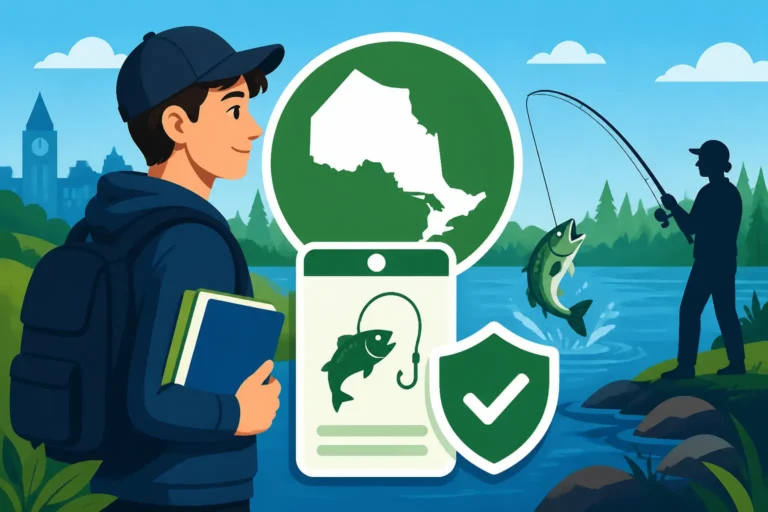
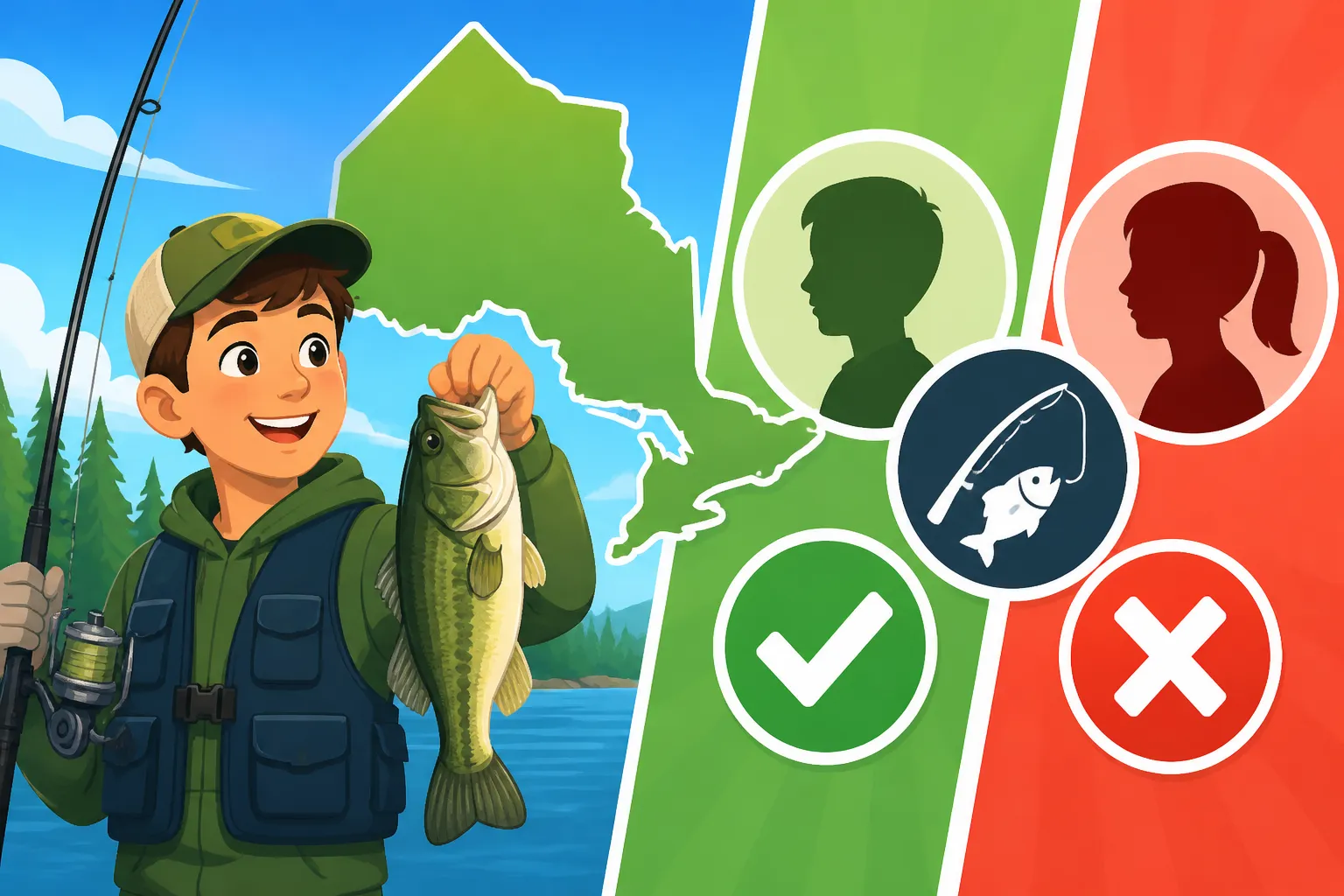
Let's get straight to the point because this is often the core question people have. In Ontario, any angler who is under the age of 18 does not need to purchase a fishing license or an Outdoors Card. That's the key takeaway right there: if your child, grandchild, niece, or nephew hasn't celebrated their 18th birthday yet, they are exempt from needing their own license.
This exemption is pretty clear-cut, but it's where the nuances of responsibility come into play. For instance, if you have a 17-year-old who looks quite mature, they might still be questioned by a Conservation Officer, but their birth date is the ultimate deciding factor. It's always a good idea to have some form of identification on hand for any young angler who might appear close to the age cutoff, just to avoid any unnecessary delays or misunderstandings. A student card, or even a picture of their birth certificate on your phone, can sometimes help clarify things quickly.
Once that 18th birthday rolls around, however, the situation changes immediately. The day they turn 18, they are considered an adult angler under Ontario's regulations and are then required to purchase their own fishing license and an Outdoors Card. There's no grace period or transitional phase; it's a hard cutoff. This transition means they'll need to understand the different license types, such as a Ontario Sport vs Conservation Fishing License, and decide which one best suits their fishing goals. The costs associated with an How Much Does an Ontario Fishing License Cost will then apply to them, just like any other adult angler.
Fishing Legally as a Young Angler Under 18
While the license exemption for youth under 18 is a fantastic perk, it doesn't mean they can just go wild on the water. There are still crucial rules they, and more importantly, the supervising adult, need to understand and follow to ensure a legal and responsible fishing experience.
Fishing Without a License: The Exemptions and Rules
The core of the exemption is that children under 18 can fish without their own license, but they must always be accompanied by an adult who holds a valid fishing license. This isn't just about having an adult nearby; it's about the adult's license dictating the rules for everyone fishing with them.
Here’s where it gets interesting: the child's catch and possession limits are tied directly to the accompanying adult's license. If the adult has a Conservation Fishing license, which typically has reduced catch limits, then the child must also adhere to those reduced limits. If the adult has a Sport Fishing license, which generally allows for higher limits, then the child can follow those higher limits. This is a critical point that many people misunderstand. For example, if a parent has a Conservation license, and the daily limit for walleye is one, then the combined catch of the parent and the child cannot exceed one walleye. It's not one for the parent and one for the child. The group is treated as a single entity under the adult's license. This makes understanding Ontario Bag and Possession Limits by Species incredibly important, not just for yourself, but for your entire fishing party, especially the youth.
It's a system designed to ensure that even though kids are exempt from the license requirement, they are still learning proper angling ethics and conservation practices from a responsible adult. It also prevents situations where a group of unlicensed kids could potentially overfish a resource under the guise of an exemption. So, when you're out there with your young ones, remember that their actions and catches are essentially an extension of your own licensed privileges.
The Importance of Supervision
Beyond just adhering to catch limits, active and responsible adult supervision is paramount. An adult isn't just a license holder; they're a mentor, a guide, and the ultimate responsible party for the youth's fishing activities. This includes teaching them how to properly handle fish, whether for release or retention, how to identify different species, and how to respect the environment.
Consider a scenario: A dad with a Sport Fishing license takes his two children, aged 10 and 15, fishing on Lake Simcoe. Let's say the walleye limit on Lake Simcoe for a Sport license holder is two. The dad, the 10-year-old, and the 15-year-old together can only keep a total of two walleye. If the kids each catch a walleye and the dad catches another, they've already exceeded their combined limit if the dad keeps his. It's not "two for dad, two for kid 1, two for kid 2." It’s two for the entire licensed group. This shared limit concept is vital and often catches people off guard.
The supervising adult also needs to ensure that the youth are aware of and following other critical Ontario Fishing Regulations Explained, such as season dates, size restrictions, and gear limitations. This is part of the educational process, making sure that future generations appreciate and protect our natural resources. Without a licensed adult actively supervising, a youth under 18 is technically not fishing legally, even if they're not required to have their own license. It's all about responsible mentorship and adherence to the larger framework of conservation.
What Happens When a Young Angler Turns 18?
The transition from an exempt youth angler to a licensed adult angler in Ontario is a significant step. Once a young person reaches their 18th birthday, they immediately become responsible for obtaining their own fishing license and Outdoors Card. There's no gradual phase-in, no extended grace period. It's a clear age cutoff that mandates adherence to adult licensing requirements.
This means that on or after their 18th birthday, they will need to apply for an Ontario Outdoors Card, Explained, which is valid for three calendar years and acts as their identification as an angler. Alongside the Outdoors Card, they'll also need to purchase a valid fishing license, which can be either a Sport Fishing or Conservation Fishing license. These licenses are typically available for one year or three years, offering flexibility.
The good news is that the process for purchasing a license is relatively straightforward. They can buy their license online through the Fish and Wildlife Licensing Service portal, at a participating ServiceOntario location, or from a licensed issuer. Many retailers, like Canadian Tire or various bait and tackle shops, also act as licensed issuers, making it convenient to purchase. Knowing Where and How to Buy an Ontario Fishing License will become crucial for them.
To help visualize this transition, here's a quick reference table:
| Age of Angler | Fishing License Required | Outdoors Card Required | Catch & Possession Limits |
|---|---|---|---|
| Under 18 | No | No | Follows supervising adult's license |
| 18 and Over | Yes | Yes | Follows their own license type (Sport/Conservation) |
This table clearly illustrates that the 18th birthday is the definitive moment for this change. It's a great opportunity for parents or mentors to guide young adults through their first license purchase, reinforcing the idea of responsible angling and the importance of contributing to conservation efforts through licensing fees. They'll also start experiencing the direct costs associated with fishing, which can be a good lesson in itself.
Encouraging the Next Generation of Anglers
Ontario is keen on fostering a love for fishing in its youth, and there are several initiatives and resources available to make this hobby accessible and enjoyable for kids and their families.
Family Fishing Weekends
One of the most popular and genuinely fantastic programs for introducing kids to fishing is the Ontario Family Fishing Weekend Dates. These special weekends, usually occurring a few times a year, allow anyone to fish license-free. Yes, that means even adults who don't typically fish or don't have a license can join in the fun without the need to purchase one.
These weekends are a perfect, no-pressure opportunity to take kids out to a local lake or river and let them experience the thrill of a bite. It removes the only potential financial barrier for adults and allows everyone to focus purely on the joy of fishing and creating memories. Many communities organize events during these weekends, offering clinics, loaner rods, and expert advice, which can be incredibly helpful for beginners. It's an ideal way to test the waters, so to speak, before committing to purchasing an Outdoors Card and license for anyone who's turned 18 or plans to fish regularly outside these special windows. Keep an eye on the official provincial announcements for specific dates each year.
Resources for Young Anglers
Beyond license exemptions and special weekends, there are numerous resources to support young anglers. Local conservation authorities, provincial parks, and even fishing clubs often host youth-focused events and educational programs designed to teach kids about fish identification, casting techniques, and responsible angling. These programs can be invaluable for building skills and confidence.
When it comes to gear, starting simple is key. You don't need to break the bank to get a child started. Many affordable rod and reel combos are perfectly suited for young hands. Brands like Shakespeare and Ugly Stik offer durable, easy-to-use combos that can withstand the inevitable bumps and drops that come with beginner anglers. You can find a huge variety of starter kits and kid-friendly tackle on platforms like Amazon, making it super easy to get them set up without visiting multiple specialty stores. Consider a simple spincast reel, often called a push-button reel, as they are the easiest for kids to learn.
A basic tackle box filled with a few bobbers, some hooks, sinkers, and maybe a few simple lures or even just worms is all a young angler truly needs. You can explore options like a Best Tackle Box Setup for Ontario Anglers for inspiration, but remember to keep it manageable for little hands. Investing in a good pair of polarized sunglasses (also easily found on Amazon) can also be a game-changer, helping them see into the water and protect their eyes, making the experience more engaging. Encouraging them with their own Best Fishing Rods for Ontario Lakes that fits their size can make them feel like a true angler.
Common Misconceptions and Avoiding Penalties
Despite the clear rules, some common misunderstandings can lead to accidental non-compliance. Being aware of these can help you avoid any unwelcome surprises while on the water.
One of the biggest misconceptions we've already touched upon is the "one license, one person" mentality. Many parents mistakenly believe that their child's exemption means the child gets their own separate set of catch and possession limits. As we've clarified, this is not the case. The licensed adult's limits apply to the entire group fishing under that license. Always check the Ontario Fishing Regulations Summary for the specific zone and species you're targeting. These summaries are published annually and are the definitive source for all rules.
Another error can occur when a youth, perhaps a mature 17-year-old, goes fishing alone or with other unlicensed youth without a licensed adult present. Even if they are under 18, they are not exempt from the need for adult supervision with a valid license. Fishing completely unsupervised by a licensed adult, regardless of the child's age, is considered fishing without a license. This can lead to significant issues, and while Conservation Officers often take an educational approach with youth, the supervising adult could face penalties, including fines.
For example, if a group of teenagers, all under 18, decide to go fishing together without any licensed adults, they are technically fishing illegally. While the intent might be innocent, the regulations are very clear that they must be accompanied by a licensed adult. Ignorance of the law is not an excuse. Understanding the potential Fishing Without a License in Ontario: Penalties is crucial for all anglers, including those supervising youth. Always ensure that the supervising adult has their valid Outdoors Card and fishing license readily accessible, whether it's the physical card or a digital copy on their phone, as printing or carrying a digital fishing license in Ontario is perfectly acceptable.
It’s also important to remember that even if a child is exempt from needing a license, all other general fishing regulations still apply. This includes specific restrictions on certain lures, bait usage, or protected species. Teaching children these rules from a young age instills a deep respect for conservation and responsible angling practices that will serve them well throughout their fishing lives.
Disclaimer
The information provided in this guide is for general informational purposes only and is not intended as legal advice. Fishing regulations in Ontario can change, and it is the angler's responsibility to consult the most current Ontario Fishing Regulations Summary, available from the Ontario Ministry of Natural Resources and Forestry (MNRF) or on their website, before heading out on the water. Always verify specific rules, limits, and season dates for your chosen fishing zone.