Kenora area best fishing lakes
Trying to figure out where to cast your line in the vastness of the Kenora area can feel like looking for a needle in a haystack – albeit a haystack full of incredible fishing opportunities! With countless lakes, rivers, and bays, pinpointing the best spots for a memorable catch can be a real head-scratcher. This guide is here to untangle that complexity, taking you deep into the heart of Northwestern Ontario's top fishing lakes so you can plan your next adventure with confidence.
Why the Kenora Area is a Premier Fishing Destination
There's something truly magical about Northwestern Ontario, and for anglers, it's nothing short of a dream come true. The sheer scale of the wilderness, the pristine waters, and the abundance of fish species draw enthusiasts from all corners of the globe. It's not just a place to fish; it's an experience that rejuvenates the soul, offering a sense of solitude and wild beauty that's increasingly rare.
The Allure of Northwestern Ontario
Imagine waking up to the call of a loon echoing across a glassy lake, a mist still clinging to the ancient pines. That's the daily reality in the Kenora area. This region, nestled amidst the Canadian Shield, boasts a rugged landscape carved by glaciers, resulting in a labyrinth of interconnected lakes, rocky shores, and deep, clear waters. It's a place where the air smells cleaner, the stars shine brighter, and the fish seem to bite with more vigour. The remote nature of many spots means less fishing pressure, allowing for robust fish populations and a true wilderness angling experience. Whether you're staying at a cozy lodge or embarking on a fly-in adventure, the sense of escape is profound.
Species Diversity and Abundance
One of the greatest joys of fishing around Kenora is the incredible variety of species you can target, often all within the same body of water. We're talking about thriving populations of trophy-sized fish that keep anglers coming back year after year. The healthy ecosystems here support everything from monstrous muskellunge and powerful lake trout to aggressive northern pike and the ever-popular walleye. Beyond these headliners, you'll also find feisty smallmouth and largemouth bass, abundant yellow perch, and various panfish species. This diversity means that no matter your preferred angling style or target species, the Kenora area has something truly special to offer. It's a multi-species angler's paradise where every cast holds the potential for something spectacular.
Top Fishing Lakes in the Kenora Area
When you think of fishing in Kenora, a few legendary names immediately spring to mind. These massive bodies of water are renowned for their incredible productivity and the chance to land a true trophy. But beyond the giants, there are also some fantastic, slightly smaller lakes that offer their own unique charm and angling opportunities.
Lake of the Woods: A Fishing Paradise
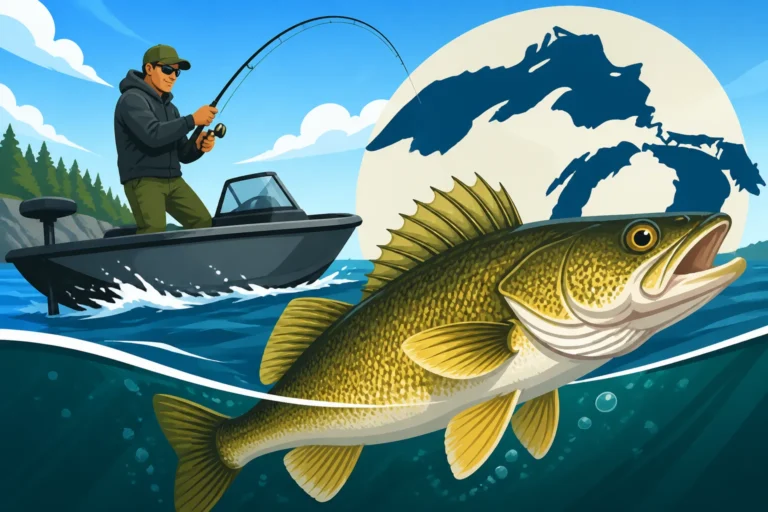
Let's be honest, you can't talk about fishing in Kenora without talking about Lake of the Woods. This immense, freshwater lake, straddling the border between Ontario, Manitoba, and Minnesota, is an angler's playground unlike any other. With over 14,500 islands and 100,000 kilometres of shoreline, it’s literally impossible to explore it all in a lifetime. This sheer scale is what makes it so productive; there's always new water to discover and hidden honey holes to find. Many anglers plan their trips around a specific species, knowing Lake of the Woods consistently produces giant walleye, muskie, smallmouth bass, northern pike, and even respectable lake trout in its deeper basins. For more detailed information on specific areas and techniques, consult our comprehensive Lake of the Woods Fishing Guide.
Navigating Lake of the Woods requires careful planning, as its vastness and intricate network of islands can be disorienting for the uninitiated. However, this complexity also means diverse habitats – from shallow, weed-choked bays perfect for largemouth bass and pike, to rocky points and deep humps that hold hungry walleye and smallmouth. The lake’s vibrant ecosystem supports a rich baitfish population, which in turn fuels the growth of its predatory species. Whether you’re casting crankbaits for smallmouth along rocky shorelines or trolling for massive muskies, the potential for a memorable catch is always high. Local guides, often found through resources like FishingBooker, are invaluable for navigating these waters and finding the most productive spots.
Shoal Lake: Walleye and Muskie Hotspot
Directly connected to Lake of the Woods, but with a character all its own, Shoal Lake is a gem that many serious anglers seek out. Often celebrated for its incredibly clear water and abundant structure, Shoal Lake is particularly famous for its incredible walleye and trophy muskellunge populations. The relatively smaller size compared to its massive neighbour makes it feel a bit more intimate, yet it still offers ample room to roam and explore. Its crystal-clear waters, however, demand a stealthier approach and often lighter lines, especially when targeting finicky walleye.
What truly sets Shoal Lake apart for many is the quality of its fish. The walleye here are known for their strong fight and often impressive size, making them a top target. Similarly, the muskie fishery is world-class, with many anglers reporting encounters with truly massive fish. The clear water allows for incredible sight fishing opportunities for these giants on calm days, adding an extra layer of excitement to the chase. Rocky reefs, deep drop-offs, and expansive weed beds provide perfect ambush points for predators. Remember to always check the specific Ontario Fishing Regulations Explained for catch limits and slot sizes, as special rules can sometimes apply to these unique waters.
Eagle Lake: Legendary for Trophy Pike
Heading a bit further east from Kenora, you'll find Eagle Lake, a name whispered with reverence among those who chase the biggest northern pike. While it also boasts incredible walleye, muskie, and smallmouth bass fishing, it's the sheer size of the pike that truly distinguishes this lake. Anglers consistently report and land pike in the 40-inch class, with many pushing into the 50-inch range – true goliaths of the freshwater world. The lake's diverse structure, including numerous islands, bays, and vast weed beds, creates ideal habitat for these toothy predators to grow to epic proportions. For more insights on this fantastic fishery, our dedicated Eagle Lake Fishing Guide provides a wealth of information.
The fishing experience on Eagle Lake is often described as exhilarating. Imagine a massive northern pike exploding on your topwater lure in a shallow bay or nearly ripping the rod from your hands on a trolled spoon. It's that kind of action that defines Eagle Lake. The walleye fishing is equally impressive, with large schools found throughout the lake, particularly around humps and points. The lake's dark, stained water in some areas also allows for aggressive presentations, as the fish are less wary than in clearer lakes. Planning a trip here often involves staying at one of the many renowned lodges, which can also help arrange guide services to maximize your chances of connecting with a trophy.
Rainy Lake: Border Water Big Fish
South of Kenora, straddling the international border with Minnesota, lies Rainy Lake – another immense body of water famous for its multi-species action and stunning scenery. Often lauded for its consistently excellent walleye fishing, Rainy Lake also holds impressive populations of northern pike, smallmouth bass, and even some lake trout in its deeper sections. Its complex structure, featuring countless islands, deep channels, and rocky points, provides a wealth of habitat for a variety of fish species. If you're looking for more details on this border-water gem, be sure to check out our Rainy Lake Fishing Guide.
Rainy Lake offers a fantastic blend of wilderness fishing with some accessible areas. The walleye here are often found relating to structure, making jigging or live bait rigging popular and effective techniques. Anglers targeting smallmouth bass will find plenty of action around the rocky shorelines and island structures. For those seeking northern pike, the expansive weed beds and shallow bays are prime hunting grounds. The lake is well-known for its consistent productivity, offering a great chance for anglers of all skill levels to find success. When planning your visit, especially if crossing the border, ensure you're familiar with all relevant regulations from both Canadian and U.S. authorities.
Smaller, Hidden Gems
While the big names draw a lot of attention, don't overlook some of the smaller, equally productive lakes scattered throughout the Kenora region. These often offer a more intimate experience and can hold some surprises.
For instance, lakes around Minaki offer fantastic fishing opportunities for walleye, pike, and smallmouth in a less crowded setting. The Winnipeg River system flows through this area, providing incredible riverine fishing as well. These waters can be fantastic for those seeking a tranquil escape without sacrificing the quality of the fishing. Many of these smaller systems are quite interconnected, allowing for diverse exploration.
Further north, Red Lake is another fantastic destination, though a bit of a drive from Kenora itself. It's famous for its excellent walleye fishing, often considered one of the best walleye lakes in the province, along with good northern pike and lake trout populations. Its more remote location often means even less pressure and truly wild fish. While these lakes might not have the sheer island count of Lake of the Woods, they often provide more focused fishing experiences with excellent chances at target species. Consulting local bait shops or resorts is often the best way to uncover the current hot spots in these lesser-known, but no less rewarding, waters.
Essential Tips for Fishing Kenora's Lakes
Fishing in Northwestern Ontario is an incredible experience, but the vastness and wildness of the region also mean you need to be well-prepared. A little foresight can make all the difference between a frustrating trip and an unforgettable adventure.
Navigating Vast Waters Safely
The sheer size of lakes like Lake of the Woods or Rainy Lake can be intimidating. It's not uncommon for storms to blow up quickly, turning calm waters into treacherous conditions in a matter of minutes. Always carry a reliable GPS unit, physical maps, and a compass, and know how to use them. Cell service can be spotty or non-existent in many areas. Furthermore, always inform someone of your float plan – where you're going, when you expect to return, and who to contact if you don't.
Equipping your boat with all the necessary safety gear is non-negotiable. This includes sufficient Life Jacket Requirements for Ontario Boaters for everyone on board, a sound-signalling device, bailer, and a first-aid kit. Understanding the local buoy systems and hazard markers is critical, as many lakes have unmarked shoals and rocks that can quickly damage your prop or hull. Consider taking a boating safety course if you're not already familiar with navigating large bodies of water. For those bringing their own vessel, it's wise to review Ontario Boating Laws for Anglers before you launch.
Understanding Local Regulations
Ontario has a robust set of fishing regulations designed to protect its precious fisheries, and these can vary significantly by zone and even by specific lake. Before you even think about dropping a line, it is absolutely crucial to obtain your Ontario Fishing License Guide for 2026 and thoroughly review the current Ontario Fishing Regulations Explained summary for the specific Fisheries Management Zone (FMZ) you'll be fishing in. The Kenora area primarily falls within FMZ 5, but knowing the precise boundaries and any special regulations for individual lakes (like slot limits or catch-and-release only sections) is paramount.
Paying attention to species-specific limits, open seasons, and tackle restrictions (e.g., barbless hooks, bait restrictions) is not just about avoiding fines; it's about being a responsible angler and contributing to the long-term health of these world-class fisheries. The Ministry of Natural Resources and Forestry (MNRF) publishes an annual fishing regulations summary, which is your go-to resource. Never rely on old information or hearsay. It's your responsibility to be informed.
Planning Your Trip and Accommodations
The Kenora area offers a wide range of accommodation options, from luxurious full-service lodges to rustic cabin rentals and remote fly-in outposts. Deciding on the right base for your trip depends on your budget, desired level of comfort, and the type of fishing experience you're after. Many lodges cater specifically to anglers, offering guided trips, boat rentals, and fish cleaning facilities. Booking well in advance is highly recommended, especially for peak seasons (late spring for walleye, summer for muskie/bass).
For those looking for a truly immersive experience, many outfitters offer package deals that include accommodations, meals, and even guided excursions. If you're a serious angler who wants to maximize your time on the water, consider hiring a local guide. These experts know the lakes like the back of their hand, understand fish patterns, and can dramatically increase your chances of success. Websites like FishingBooker are excellent resources for finding and comparing experienced local guides and charters in the Kenora region. Don't forget to pack appropriate clothing for all weather conditions, as northern Ontario weather can be unpredictable.
What to Expect When Fishing These Waters
Fishing the Kenora area is an adventure, and like any good adventure, it comes with its own unique set of expectations and requirements. Knowing what to anticipate will help you prepare properly and make the most of your time on the water.
Seasonal Considerations
The timing of your trip will heavily influence the type of fishing you'll experience and the species that are most active.
- Spring (May-June): This is prime time for walleye opener, typically in mid-May. Fish are often shallower, active, and can be caught jigging or casting. Northern pike are also very active post-spawn. Smallmouth bass season usually opens later in June.
- Summer (July-August): The warm water months mean excellent smallmouth and largemouth bass action. Muskie fishing picks up significantly as these giants become more active. Walleye will move to deeper structures and weed lines, often requiring different techniques like trolling or deeper jigging.
- Fall (September-October): Many consider fall to be trophy season, especially for muskie and northern pike, as they feed heavily before winter. Walleye fishing remains strong as they school up. Lake trout fishing can also be excellent as they move shallower for spawning.
- Winter (December-March): Ice fishing is a massive draw in the Kenora area. Lake of the Woods, Shoal Lake, and many smaller bodies of water offer fantastic opportunities for walleye, northern pike, lake trout, and panfish through the ice. Always prioritize ice safety and check local conditions.
Understanding these seasonal patterns will help you choose the best time to target your preferred species and maximize your success. For more general information on when to fish, check out our Best Time of Year to Fish in Ontario guide.
Gear Recommendations
Given the variety of species and fishing conditions, a versatile gear setup is often best, though specialized gear can certainly enhance your experience. For most anglers targeting walleye, northern pike, and bass, a medium-heavy spinning rod or baitcasting setup with 10-20 lb braided line and a fluorocarbon leader is a good starting point. For northern pike and muskie, heavier gear, including longer, stout rods and reels spooled with 50-80 lb braid, is essential, along with steel or heavy fluorocarbon leaders to prevent bite-offs. Our Best Fishing Rods for Ontario Lakes article offers further guidance.
Lure selection will depend on your target species and the season. Walleye respond well to jigs, crankbaits (like those from Rapala or Berkley), and live bait rigs (minnows, leeches, worms). Pike and muskie require larger, more aggressive presentations like bucktails, jerkbaits, large spoons, and topwaters. Smallmouth bass can be caught on everything from tube jigs and crankbaits to topwater lures and soft plastics. Don't forget basic tackle box essentials: pliers, line cutters, a quality landing net (a muskie-sized net is a must if targeting those giants), and a good camera to capture your trophy catches!
Hiring a Local Guide or Charter
While exploring on your own is part of the adventure, hiring a local guide or charter service can significantly elevate your Kenora fishing experience, especially if it's your first time in the area or if you're targeting a specific, challenging species like muskie. Guides offer invaluable local knowledge, knowing exactly where the fish are, what they're biting on, and how to navigate the complex waters safely. They often provide all the necessary specialized gear, bait, and even clean your catch.
Many lodges in the Kenora region offer guide services as part of their packages or can arrange them for you. Alternatively, independent guides are readily available. Websites such as FishingBooker provide a convenient platform to browse profiles, read reviews, and book reputable local guides in the Kenora area. This can be a particularly wise investment for trophy hunters or those on a limited time frame, ensuring you spend less time searching and more time fishing.
Kenora Area Top Fishing Lakes at a Glance
| Lake Name | Primary Species Targeted | Noted For | Key Fishing Areas | Best Seasons for Fishing |
|---|---|---|---|---|
| Lake of the Woods | Walleye, Muskie, Pike, Smallmouth, Lake Trout | Extreme Size & Diversity | Clearwater Bay, Whitefish Bay, Big Narrows, Miles Bay | All seasons (including ice fishing) |
| Shoal Lake | Walleye, Muskie, Pike | Clear Water, Trophy Walleye | North Arm, Bigstone Bay, Yellow Girl Bay | Spring, Summer, Fall, Winter (ice) |
| Eagle Lake | Northern Pike, Walleye, Muskie, Smallmouth | Trophy Pike, Consistent Walleye | Vermilion Bay, Waldhof Bay, numerous island chains | Spring, Summer, Fall |
| Rainy Lake | Walleye, Northern Pike, Smallmouth, Lake Trout | Border Water, Abundant Walleye | Redgut Bay, Brule Narrows, Sandpoint Area | Spring, Summer, Fall, Winter (ice) |
| Minaki Lakes | Walleye, Pike, Smallmouth | Interconnected System, Seclusion | Winnipeg River System, several smaller lakes | Spring, Summer, Fall |
| Red Lake | Walleye, Pike, Lake Trout | Premier Walleye Fishery, Remote | Various bays and deep basins | Spring, Summer, Fall, Winter (ice) |
Disclaimer
The information provided in this guide is for general informational purposes only and is subject to change. Fishing regulations, season dates, and specific limits can vary, so always consult the most current official Ontario Fishing Regulations Summary and relevant government websites before heading out on the water. Safety should always be your top priority.