Best fishing spots in Killbear Provincial Park
It's a familiar scenario for many anglers: you've packed your gear, driven for hours, and finally arrived at a beautiful provincial park like Killbear, only to stare out at the water wondering where to even cast a line. The sheer size and diversity of Ontario's waterways can be overwhelming, making it tough to pinpoint those honey holes. This guide is here to unravel that mystery, providing a comprehensive look at the best fishing spots within Killbear Provincial Park, helping you maximize your time on the water.
Why Killbear Provincial Park is a Gem for Anglers
Killbear Provincial Park, nestled on the stunning shores of Georgian Bay near Parry Sound, is more than just a beautiful camping destination. For those of us who love to fish, it's an absolute paradise, offering a unique blend of expansive Great Lakes fishing opportunities and tranquil inland lake experiences. This park truly has something for every type of angler, from the seasoned pro seeking trophy fish to the family looking for a relaxing day of panfish action.
A Pristine Georgian Bay Experience
What immediately sets Killbear apart is its direct access to Georgian Bay, a magnificent part of Lake Huron. This isn't just any lake; it's a vast, rugged, and incredibly diverse freshwater ecosystem characterized by its iconic windswept pines, granite outcroppings, and crystal-clear waters. The bay itself is a wild frontier for fishing, teeming with a variety of sought-after species. The dramatic topography extends underwater, creating incredible structure—deep drop-offs, rocky shoals, submerged islands, and intricate weed lines—that attract and hold fish. Being able to launch your boat or simply cast from shore into such an immense and healthy body of water is a privilege, offering the chance at some truly memorable catches. The sheer scale can be intimidating, but with a little local knowledge, you can quickly narrow down productive areas.
Protected Ecosystems and Abundant Fish
Beyond its stunning natural beauty, Killbear Provincial Park operates under strict environmental protections, which directly benefits the health and abundance of its fish populations. The park's commitment to preserving its natural habitats means cleaner water, less development pressure, and thriving ecosystems where fish can spawn, grow, and feed undisturbed. This proactive conservation approach translates into robust fisheries, making your chances of a successful and enjoyable outing much higher. You'll often find baitfish schools in abundance, which in turn supports healthy populations of predatory game fish like bass and pike. The clear waters also allow for sight fishing in certain conditions, adding another exciting dimension to your angling experience. It's a place where you can feel good about your catch, knowing you're participating in a well-managed and respected natural environment.
Exploring Killbear's Fishing Zones
Killbear Provincial Park offers two distinct types of fishing environments: the vast, open waters of Georgian Bay and a collection of smaller, more intimate inland lakes. Each presents its own set of challenges and rewards, catering to different fishing styles and preferences. Understanding these zones is key to planning your perfect angling adventure.
The Expansive Waters of Georgian Bay
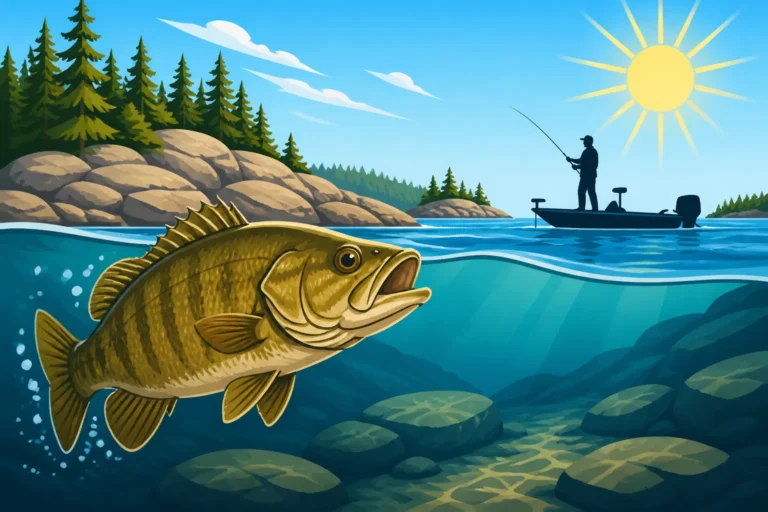
Georgian Bay itself is a world-class fishery. Anglers here can expect to target a wide variety of species, from hard-fighting smallmouth bass to formidable northern pike and even the elusive muskellunge. The key to fishing Georgian Bay successfully often lies in understanding its complex structure. You’ll find countless islands, rocky points, and submerged shoals that create ideal ambush points for predatory fish. During warmer months, the bay's deep, cool waters also hold lake trout.
When fishing Georgian Bay, consider the sheer size of the area. Launching a boat provides the most flexibility, allowing you to explore distant islands and expansive flats. You might target the numerous channels and passages between the larger islands, where currents funnel baitfish and concentrate game fish. For those without a boat, the park's extensive shoreline and numerous points offer excellent shore fishing opportunities, particularly for smallmouth bass. Keep an eye on wind conditions, as Georgian Bay can become very rough very quickly, making safety a top priority. Many local outfitters, and even services like FishingBooker, offer guided trips that can give you an invaluable head start on learning the prime locations and techniques for this incredible body of water.
The Serene Inland Lakes: Knoepfli and More
Tucked away within the park's interior are several smaller, more sheltered lakes that offer a stark contrast to the open expanse of Georgian Bay. Lake Knoepfli is perhaps the most well-known and accessible of these, but there are others like Twin Lake that provide their own unique charm. These lakes are typically shallower, warmer, and often have more vegetation, creating different habitats for fish.
These inland lakes are perfect for a more relaxed fishing experience, especially for families or those new to angling. You’ll generally find an abundance of panfish, such as yellow perch and sunfish, along with smaller populations of smallmouth bass and northern pike. The calmer waters are ideal for canoeing or kayaking, allowing for quiet exploration of weed beds, lily pad fields, and fallen timber. Since these lakes are smaller, fish concentrations can be easier to locate, making for a more consistent bite. While they might not hold the "trophy" fish that Georgian Bay is famous for, they offer a peaceful day on the water and a good chance to catch dinner. Always check for any specific regulations pertaining to individual inland lakes within the park, as some may have motor restrictions or special catch limits.
Prime Fishing Locations within the Park
Navigating a vast area like Killbear Provincial Park for fishing can be daunting. To help you narrow down your search, let's explore some specific, highly recommended spots that tend to be productive, whether you prefer casting from shore or venturing out in a boat.
Shoreline Adventures on Georgian Bay
For those without a boat, or who simply prefer the accessibility and views from land, Killbear offers some fantastic shore fishing opportunities along its Georgian Bay coastline. These spots are often easily reachable from the park's main roads and trails, making them ideal for a spontaneous cast or a planned session.
One excellent area is near the Lighthouse Point Trail. The rugged granite shoreline here, exposed to the bay, drops off into deeper water relatively quickly, providing access to smallmouth bass and northern pike that cruise the rocky edges. Casting crankbaits, jerkbaits, or soft plastics rigged weedless can yield good results. Pay attention to changes in depth and current around the points and crevices. Another reliable option is fishing the rocky outcrops and small bays found around the Harold Point Campground area. The mix of rocky structure and occasional weed patches provides excellent habitat. Early mornings and late evenings tend to be most productive, especially during the warmer summer months when fish are actively feeding. You'll often see small baitfish schooling closer to shore, which is a good indicator that larger fish are nearby. Just be mindful of slippery rocks and wear appropriate footwear.
Lake Knoepfli: A Hidden Gem
Lake Knoepfli, a serene inland lake within Killbear Provincial Park, provides a completely different fishing experience from the open bay. This lake is typically calmer and shallower, making it a wonderful spot for a more peaceful day of angling, particularly suited for canoes, kayaks, or even small rowboats. Access is often easier, though boats with combustion motors are usually restricted to maintain its tranquility.
Lake Knoepfli is known for its healthy populations of panfish, including yellow perch and sunfish, making it a fantastic spot for teaching kids or for simply enjoying a steady bite. You’ll also find respectable numbers of smallmouth bass and even some northern pike, though they generally don't reach the trophy sizes found in Georgian Bay. The lake features good weed beds, especially in shallower bays, and areas with fallen timber, which are prime hiding spots for all these species. Casting small spinners, jigs, or simply using a worm under a bobber are highly effective methods here. For bass and pike, try working the edges of weed lines with spinnerbaits or shallow-diving crankbaits. The quiet atmosphere and consistent action make Lake Knoepfli a truly enjoyable spot. For those looking for a truly local experience, FishingBooker can sometimes connect you with guides who know these smaller, less-pressured waters like the back of their hand.
Other Accessible Park Waters
While Lake Knoepfli is the standout inland option, Killbear has other, often less-publicized, accessible waters that can offer pleasant fishing experiences. These typically include smaller ponds or sections of larger, unnamed waterways accessible through trails or near camping areas. These spots often hold similar species to Lake Knoepfli, such as panfish and small bass.
For example, exploring the small creeks or marshy areas that connect to Georgian Bay, especially during higher water levels, can sometimes lead to unexpected catches of pike or even some migrating bass. These areas are usually less pressured and can be rewarding for an angler willing to explore a bit. Additionally, within some of the more developed camping loops, there might be small, unnamed ponds that, while not officially designated "fishing spots," can surprise you with a few panfish. Always respect park signage and regulations regarding fishing in these informal areas. A simple rod and reel with some worms or small jigs are often all you need for these more casual, exploratory fishing sessions. These smaller spots are perfect for a quiet afternoon, allowing you to truly immerse yourself in the park's natural beauty.
Target Species and Best Techniques in Killbear
Knowing where to cast is only half the battle; understanding what you're likely to catch and the most effective ways to target them in Killbear Provincial Park will significantly boost your success. The diverse environments of Georgian Bay and the park's inland lakes support a wide range of fish species, each requiring slightly different approaches.
Georgian Bay's Diverse Fishery
Georgian Bay is renowned for its exciting and varied sportfishing opportunities.
- Smallmouth Bass: These bronze beauties are arguably the most popular target in Georgian Bay. They thrive in the rocky, clear water environments and are known for their powerful fights. You'll find them around rocky points, shoals, islands, and submerged timber.
- Techniques: For Smallmouth Bass Fishing in Ontario, use a variety of lures. Jerkbaits are killer in cooler water, while tube jigs, drop shots, and grub tails excel when fished slowly near structure. Topwater lures like poppers and walk-the-dog baits provide thrilling surface strikes, especially during low light conditions or over shallow flats in summer. You might also find luck with small crankbaits that mimic baitfish.
- Northern Pike: The "water wolf" is abundant in Georgian Bay, especially in bays with weed beds or around the numerous islands. They are aggressive predators and offer a powerful fight.
- Techniques: Large spinnerbaits, spoons, and substantial crankbaits are excellent for pike. Work them quickly through weed edges, around submerged logs, or over rocky drop-offs. Live bait, like large minnows under a float, can also be very effective, particularly in areas with less current.
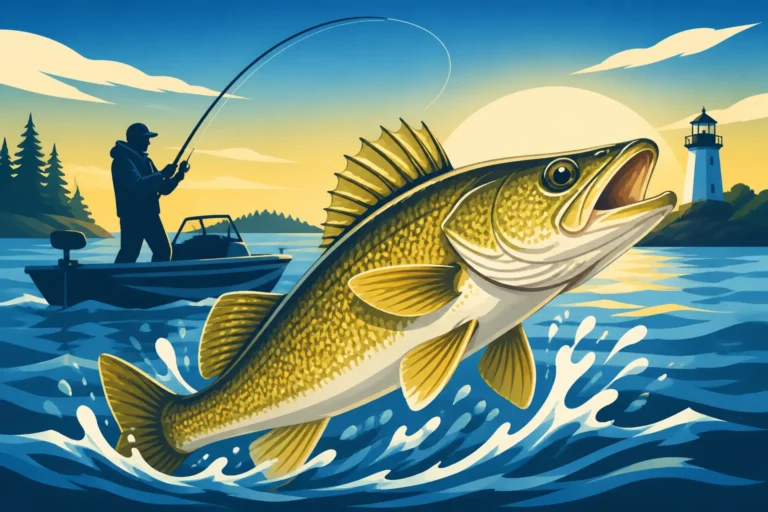
- Walleye: While perhaps not as prominent as in other specific Ontario waters, walleye are definitely present in Georgian Bay, particularly in deeper channels and around river mouths feeding into the bay. They are most active during low light.
- Techniques: Jigging with minnows or soft plastics, trolling with crankbaits (especially at dawn or dusk), and drift fishing with worm harnesses are all effective walleye tactics. Look for deeper water near structure, especially rocky humps or areas with transition from rock to mud.
- Muskellunge: The ultimate freshwater trophy fish, Georgian Bay is home to some truly massive muskellunge. These fish are elusive but offer an unparalleled challenge.
- Techniques: This is heavy-duty fishing. Large bucktails, glide baits, and deep-diving crankbaits are standard muskie fare. Trolling can cover water, but casting to specific structure is often more productive. Be prepared for a long fight and ensure you have the proper Best Muskie Gear for Ontario Waters for safe catch and release.
- Lake Trout: Found in the deeper, cooler sections of Georgian Bay, particularly in the spring and fall, and during the summer in deeper thermoclines.
- Techniques: Trolling with downriggers and large spoons or deep-diving crankbaits is a primary method for lake trout. Jigging heavy spoons over deep structure can also be effective.
Inland Lake Charms
The park's inland lakes, like Knoepfli, offer a more intimate fishing experience, focusing on panfish and smaller game fish.
- Yellow Perch and Sunfish: These species are abundant and provide consistent action, making them perfect for beginners or a relaxed day.
- Techniques: Simple and effective. A small hook, a piece of worm, and a bobber are all you need. Cast near weed beds, fallen trees, or dock structures. Small jigs tipped with bait or tiny spinners can also be very productive.
- Smallmouth Bass: While generally smaller than their Georgian Bay counterparts, the inland lake smallmouth are still feisty fighters.
- Techniques: Target them around submerged logs, weed lines, and rocky transitions. Small crankbaits, plastic worms (wacky rigged or Texas rigged), and small spinnerbaits work well.
- Northern Pike: Present in most inland lakes, they often lurk in thick cover.
- Techniques: Smaller versions of Georgian Bay pike lures – spoons, spinnerbaits, and swimbaits – fished along weed edges are effective. Live minnows, where permitted, can also be a game-changer.
Essential Gear and Bait Recommendations
Having the right gear makes all the difference, whether you're battling a Georgian Bay giant or casually catching panfish in Lake Knoepfli.
For Georgian Bay, you'll want medium-heavy to heavy spinning or baitcasting setups for pike and muskie, capable of handling larger lures and stronger fish. For smallmouth, a medium-light to medium power rod with a fast action is ideal for sensitivity. Braided line with a fluorocarbon leader is a popular choice for its strength and invisibility. Ensure you have a good selection of lures covering different depths and baitfish patterns. Don't forget a large, rubberized landing net (especially crucial for muskie), jaw spreaders, and long-nosed pliers for safe hook removal.
For Inland Lakes, lighter gear is generally sufficient. A light to medium-light spinning rod and reel combo spooled with 6-10 lb monofilament or fluorocarbon is perfect. A selection of small jigs, spinners, and hooks, along with common baits like worms or minnows (check local bait regulations), will cover most situations. A simple tackle box with these essentials will be your best friend. Always pack a sturdy pair of polarized sunglasses for spotting fish and structure, and a good hat for sun protection. Remember that for any fishing in Ontario, you will need an Ontario Fishing License Guide for 2026, along with an Ontario Outdoors Card, Explained.
Navigating Regulations and Responsible Fishing in Killbear
Fishing in any provincial park, especially one as ecologically significant as Killbear, comes with responsibilities. It’s not just about what you catch, but how you fish and whether you respect the environment and its regulations. Adhering to these guidelines ensures healthy fish populations and an enjoyable experience for everyone.
Understanding Ontario's Fishing Regulations
Killbear Provincial Park falls within specific Fisheries Management Zones (FMZ). Georgian Bay itself is primarily FMZ 14, while the inland lakes might also be within this zone or a neighbouring one, such as FMZ 16. It is absolutely critical to check the most current Ontario Fishing Regulations Explained before you head out. These regulations dictate:
- Season Dates: When you can legally fish for certain species. For instance, the Ontario Walleye Opener Dates by Zone and Ontario Bass Opener Dates by Zone can vary by FMZ.
- Bag and Possession Limits: How many fish of a certain species you can keep, and how many you can have in your possession (including those at your campsite or home). You should familiarize yourself with Ontario Bag and Possession Limits by Species.
- Size Restrictions: Minimum or maximum lengths for keeping certain fish, or even slot limits that require releasing fish within a specific size range. For example, Ontario Smallmouth Bass Slot Limits might apply.
- Bait Restrictions: Some waters prohibit the use of live bait, or specific types of bait, to prevent the spread of invasive species. This is particularly common in smaller, sensitive inland lakes.
- Special Regulations: Specific rules might apply to certain lakes or areas within the park. Always look for signage at boat launches or access points.
It's your responsibility as an angler to know and follow these rules. Ignorance is not an excuse, and penalties for fishing without a license in Ontario or breaking regulations can be substantial. The official Ontario Fishing Regulations Summary is available online and at most license vendors. You can also learn more about Reading the Ontario Fishing Regulations Summary for a comprehensive overview. Remember that whether you have an Ontario Sport vs Conservation Fishing License also impacts your catch limits, so be clear on which license you hold.
Embracing Catch and Release and Park Etiquette
Beyond the letter of the law, practicing ethical angling and good park etiquette is essential for preserving Killbear's natural beauty and its fisheries for future generations.
- Catch and Release: Many anglers in Killbear, especially those targeting larger game fish like muskellunge and pike, practice catch and release. This helps maintain healthy populations and allows more fish to reach trophy size. If you choose to release a fish, do so quickly and carefully. Minimize its time out of water, handle it gently with wet hands, and use proper tools like long-nose pliers or de-hookers. For species like muskellunge, knowing Muskie catch and release survival tips is crucial.
- Barbless Hooks: Consider using barbless hooks, or crimping down the barbs on your hooks. This makes hook removal much easier and less traumatic for the fish.
- Leave No Trace: Pack out everything you pack in, including fishing line, bait containers, and any other trash. Do not leave discarded fishing line or tackle, as it can be harmful to wildlife.
- Respect Wildlife and Other Users: Killbear is a shared space. Be mindful of other campers, hikers, and swimmers. Give wildlife their space, and never feed animals. If you're planning a trip with a larger group or looking for specific fishing opportunities, considering resources like FishingBooker can help you find guided trips that often emphasize responsible angling practices, further protecting the park's delicate ecosystem.
- Boat Safety: If you're using a boat on Georgian Bay, ensure you understand Ontario Boating Laws for Anglers and have all required safety equipment, including enough Life Jacket Requirements for Ontario Boaters for everyone on board.
By fishing responsibly and respectfully, you contribute to the ongoing health and enjoyment of Killbear Provincial Park for yourself and countless others.
| Fishing Spot | Primary Species Targeted | Recommended Techniques | Gear Notes |
|---|---|---|---|
| Georgian Bay Shoreline | Smallmouth Bass, Northern Pike | Casting crankbaits, jerkbaits, soft plastics | Medium-light to medium rod, polarized sunglasses, grippy footwear |
| Georgian Bay (Boat) | Smallmouth Bass, Pike, Walleye, Muskie, Lake Trout | Trolling, jigging, casting large lures, drop shot | Medium-heavy to heavy rods, braid with fluoro leader, large landing net |
| Lake Knoepfli | Yellow Perch, Sunfish, Smallmouth Bass, Pike | Worms under bobber, small jigs, spinners, plastic worms | Light to ultra-light rod, monofilament line, canoe/kayak or shore fishing |
| Other Inland Ponds | Panfish, Small Bass | Worms, small jigs, simple floats | Ultralight rod, small tackle box, exploratory mindset |
Disclaimer
The information provided in this guide is for general informational purposes only and is not intended as legal advice regarding fishing regulations. Fishing regulations in Ontario, including within Killbear Provincial Park, can change frequently. It is the angler's sole responsibility to consult the most current official Ontario Fishing Regulations Summary published by the Ministry of Natural Resources and Forestry (MNRF) before engaging in any fishing activities. Always verify specific rules, season dates, limits, and bait restrictions for the relevant Fisheries Management Zone (FMZ) and any special regulations that may apply to specific bodies of water within the park. Failure to do so may result in fines or penalties.