Best fishing spots in the Kawartha Highlands
It’s easy to feel overwhelmed when you look at a map of Ontario, trying to pinpoint the perfect fishing spot. With so many lakes and rivers, knowing where to start – especially when you're dreaming of those pristine, less-pressured waters – can be a real headache. But for those who crave a truly wild angling experience without venturing too far into the deep wilderness, the Kawartha Highlands Provincial Park offers an incredible solution. This guide is dedicated to uncovering some of the best fishing spots within this unique and diverse landscape, helping you plan your next unforgettable trip.
Understanding the Kawartha Highlands Signature Style
The Kawartha Highlands Provincial Park isn't just another patch of protected land; it's a testament to Ontario's rugged beauty, offering a backcountry experience that feels truly remote, yet is surprisingly accessible for many. Think granite outcrops, dense forests, and a sprawling network of interconnected lakes and rivers, many only reachable by portage or canoe. This unique blend of accessibility and wildness means the fishing pressure is often lower than on the more popular, road-accessible lakes, creating a haven for anglers seeking peace and productive waters.
What Makes the Kawartha Highlands Special
What truly sets the Kawartha Highlands apart for fishing enthusiasts is its incredible diversity. You're not just limited to one or two species here; the park boasts a healthy population of several highly sought-after game fish. From the aggressive fight of northern pike and smallmouth bass to the elusive deep-water challenge of lake trout, and the delicious rewards of walleye and panfish, there’s something for every angler and every preference. The clean, clear waters, fed by springs and rivers, contribute to healthy fish populations and a vibrant ecosystem. Furthermore, the sheer variety of lake types – from shallow, weed-filled havens to deep, cold-water reservoirs – means you can adapt your fishing strategy and target different species depending on the day and the conditions. It's truly a choose-your-own-adventure kind of fishing destination.
Navigating the Remote Backcountry Waters
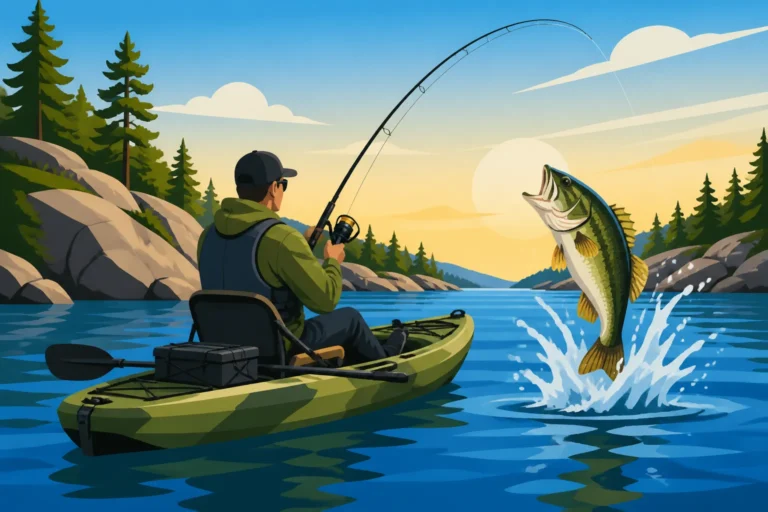
Fishing in the Kawartha Highlands often means embracing a more traditional, hands-on approach. While some larger lakes have public access points and boat launches, many of the most pristine and productive waters are only accessible via canoe, kayak, or by foot through designated portage routes. This isn't a place for large powerboats, but rather for those who appreciate human-powered vessels and the quiet solitude they afford. You'll need to plan your route carefully, understand the portage lengths, and pack light but efficiently. It's an adventure in itself, often involving paddling across one lake, portaging your gear and canoe to another, and repeating the process to reach your desired fishing haven. If you're new to backcountry travel, don't be intimidated; many local outfitters in nearby towns like Apsley or Buckhorn offer canoe rentals and route planning advice. You can even find experienced guides through platforms like FishingBooker who specialize in navigating these unique waters, ensuring a safe and productive trip, especially if you're targeting a particular species or remote lake.
Top Tier Fishing Lakes and Their Specialties
Within the vast expanse of the Kawartha Highlands, certain lakes stand out for their consistent productivity and unique angling opportunities. Each offers a distinct experience, catering to different fishing styles and target species.
Catching Walleye and Smallmouth Bass on Anstruther Lake
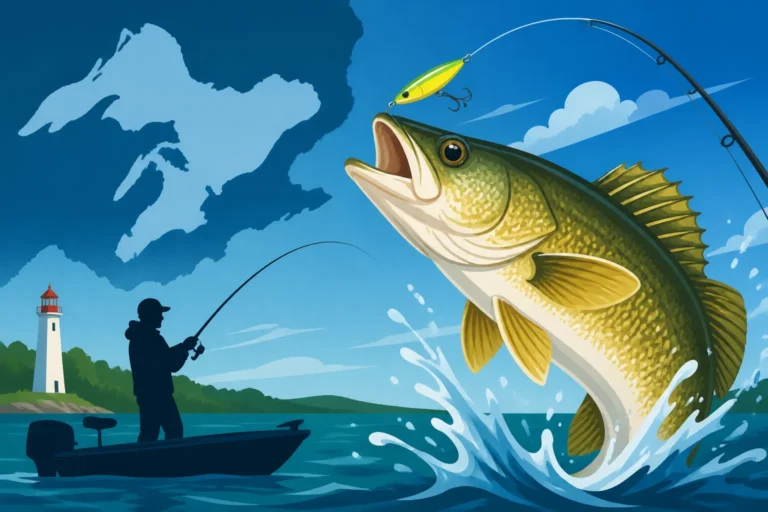
Anstruther Lake is arguably one of the most popular and well-regarded fishing lakes within the Kawartha Highlands, and for very good reason. It’s a fantastic destination for both walleye and smallmouth bass, offering diverse structure that keeps anglers coming back year after year. The lake features a mix of rocky points, submerged shoals, steep drop-offs, and weed lines, all of which create prime habitat for these species. Walleye often congregate around the deeper sections and rocky structures, especially during low light conditions or after a cold front.
To successfully target walleye on Anstruther, consider drifting with a bottom bouncer and a worm harness over those submerged shoals or jigging with blade baits on points that transition into deeper water. Early mornings and late evenings are often the most productive times. For smallmouth bass, focus your efforts around the rocky shoreline, submerged logs, and any noticeable changes in depth. Topwater lures can be incredibly exciting in the mornings and evenings, while tube jigs, drop shot rigs, or crankbaits worked along rocky ledges will often entice bites throughout the day. Remember to check the specific Ontario Walleye Opener Dates by Zone for FMZ 15, which covers the Kawartha Highlands, to ensure you're fishing within legal seasons. Many anglers also rely on the excellent mapping capabilities of modern fish finders to locate the specific structures that hold fish, enhancing their success rate on a complex lake like Anstruther.
Exploring the Depths of Big Cedar Lake for Lake Trout and Bass
If you’re seeking the thrill of battling a deep-water giant, Big Cedar Lake should be high on your list. This expansive lake is one of the deeper bodies of water in the park, making it an ideal habitat for lake trout. Beyond lake trout, Big Cedar also holds respectable populations of both smallmouth and largemouth bass, offering a diverse fishing experience depending on the depth and structure you choose to target. The sheer size of Big Cedar can be intimidating, but its numerous bays, islands, and rocky structures provide endless opportunities.
For lake trout, you’ll typically need to focus on deeper techniques, especially as the water warms. Trolling with downriggers or weighted lines using spoons or large crankbaits is a popular and effective method. Look for deep structure, underwater humps, and abrupt depth changes. When jigging for lake trout, heavy spoons or tube jigs presented vertically over deep points can be deadly. Meanwhile, the shallower, warmer bays and weed beds of Big Cedar are perfect for targeting largemouth bass with topwater frogs, plastic worms, or spinnerbaits. Smallmouth bass will be found on the rocky main lake points and humps, similar to Anstruther. Understanding the Lake Trout Fishing in Ontario guide can give you a significant edge in tackling this challenging species.
Targeting Panfish and Pike in Catchacoma Lake
Catchacoma Lake, part of a larger chain that includes Mississagua Lake and Bottle Lake, presents a slightly different, often more relaxed, fishing experience while still offering plenty of action. This system is particularly well-suited for those looking to target northern pike and a variety of panfish, making it a fantastic destination for families or anglers who prefer quantity over strictly trophy-sized fish. The interconnected nature of these lakes means you can spend days exploring different areas, from shallow, weed-choked bays perfect for pike, to rocky drop-offs holding slab crappies and feisty bluegills.
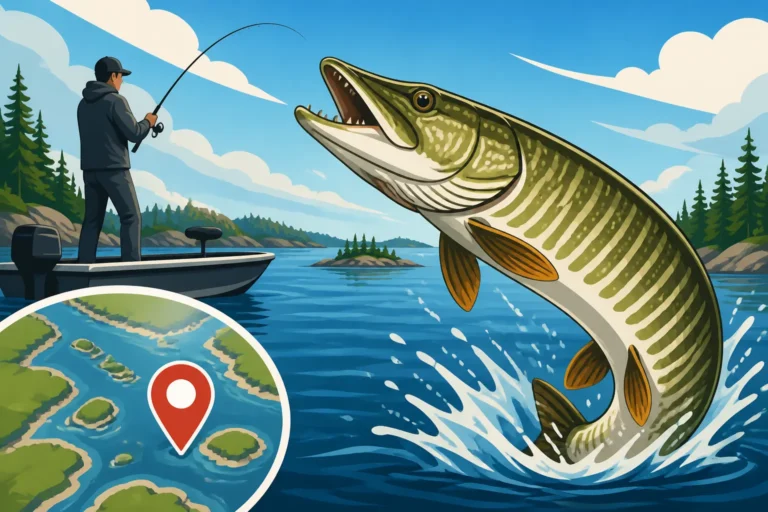
Northern pike in Catchacoma are often found lurking in the extensive weed beds and around fallen timber. Casting spinnerbaits, spoons, or large jerkbaits along these edges can result in explosive strikes. They are aggressive eaters, making them a fun target for anglers of all skill levels. For panfish like crappie, bluegill, and sunfish, focus on submerged brush piles, docks (if present on the edges of the park), and weed edges, using small jigs, worms under a bobber, or tiny crankbaits. This chain offers great opportunities for a more casual fishing outing, where consistent bites keep spirits high. Knowing how to locate and entice Northern Pike Fishing in Ontario can certainly improve your success in these waters. Many local resorts on the periphery of the park, accessible via FishingBooker, often have boats available for rent, making it easier to explore these linked lakes without the hassle of portaging.
Practical Tips for a Successful Kawartha Highlands Fishing Trip
Embarking on a fishing trip into the Kawartha Highlands Provincial Park requires a bit more planning than a simple day trip to a roadside lake. However, with the right preparation, you can ensure a safe, enjoyable, and successful adventure.
Essential Gear and Preparation
Before you even think about casting a line, getting your gear and planning in order is paramount. Given the backcountry nature of many of the best spots, you'll need reliable equipment that can withstand the rigours of portaging and remote conditions. For rods and reels, a versatile medium-heavy spinning or baitcasting setup will cover most of your needs for walleye, bass, and pike. If targeting lake trout, consider a slightly heavier setup or specialized trolling gear. Ensure you have a good selection of Best Tackle for Ontario Walleye and bass lures, including jigs, crankbaits, topwaters, and soft plastics. Don't forget a sturdy landing net, especially for pike or bigger bass, and a pair of long-nosed pliers for hook removal.
Beyond fishing tackle, personal safety and comfort are crucial. A high-quality map and compass, or a reliable GPS device, are non-negotiable for navigating the park’s many lakes and portage trails. Always carry enough water or a water filter, high-energy snacks, a first-aid kit, and appropriate rain gear. Insects, particularly mosquitoes and black flies, can be relentless, so pack strong insect repellent. Finally, remember that you’ll need an Ontario Outdoors Card, Explained and a valid fishing license. While many anglers opt for a traditional paper license, knowing how to utilize Printing or Carrying a Digital Fishing License in Ontario can be incredibly convenient, especially when trying to save space in your pack.
When and How to Visit for the Best Experience
Timing your visit to the Kawartha Highlands can significantly impact your fishing success and overall experience. Generally, the late spring and early summer (May and June) offer excellent opportunities for walleye and smallmouth bass, as they become more active after their spawn. This is also when the lake trout begin to move deeper, but can still be caught with appropriate tactics. As summer progresses into July and August, smallmouth and largemouth bass fishing typically heats up, and panfish are plentiful, often holding closer to cover. However, this is also peak season for crowds and insects.
For those seeking solitude and potentially trophy-sized fish, the fall (September and October) can be magical. Walleye and lake trout feed aggressively as water temperatures drop, preparing for winter, and the fall colours are simply breathtaking. Keep an eye on the Ontario Fishing Seasons by Zone and Month to ensure you're fishing legally for your target species. To ensure a smooth trip, consider booking any necessary backcountry camping permits well in advance, especially for popular long weekends. If you're looking for a hassle-free experience, perhaps consider reaching out to a local outfitter or guide service through a platform like FishingBooker, which can arrange everything from accommodation to guided fishing excursions, allowing you to focus purely on the angling adventure.
| Lake Name | Primary Target Species | Key Features for Anglers | Access Type (General) | Best Time to Visit (General) |
|---|---|---|---|---|
| Anstruther Lake | Walleye, Smallmouth Bass | Rocky points, shoals, deep drop-offs, weed lines | Public launch, some portages | Late Spring, Early Fall |
| Big Cedar Lake | Lake Trout, Smallmouth Bass, Largemouth Bass | Deep water, large bays, islands, rocky structure | Public launch, some portages | Late Spring, Summer (Lakers) |
| Catchacoma Lake | Northern Pike, Panfish | Extensive weed beds, fallen timber, interconnected system | Public launch, boat-in access | Summer, Early Fall |
| Mississagua Lake | Northern Pike, Largemouth Bass, Panfish | Shallow bays, weed beds, rocky shorelines, channels | Public launch, boat-in access | Summer |
| Bottle Lake | Northern Pike, Panfish | Smaller, shallower, connected to Catchacoma & Mississagua | Boat-in access (from chain) | Summer |
Disclaimer
The information provided in this guide is for general informational purposes only and is subject to change. Always consult the official Ontario Fishing Regulations Summary, available from the Ministry of Natural Resources and Forestry (MNRF), for the most up-to-date and accurate rules, regulations, season dates, and limits before heading out on your fishing trip. It is your responsibility to know and follow all applicable laws.