Dry Fly Fishing Ontario Rivers
There’s nothing quite like the sight of a trout rising to a perfectly presented dry fly, a moment that makes all the previous hours of casting and observation utterly worth it. But let's be honest, getting to that point on Ontario's diverse rivers can feel incredibly daunting. This guide will walk you through the nuances of dry fly fishing across our province, from understanding the subtle takes to selecting the right gear, helping you transform frustrating dry spells into triumphant catches.
Understanding Ontario's Dry Fly Opportunities
Dry fly fishing in Ontario is an experience unlike any other, a truly engaging and often humbling pursuit that connects you directly with the water and its inhabitants. It’s not just about catching fish; it’s about the intricate dance of observation, imitation, and precise presentation. While it can be challenging, the rewards, both in terms of fish caught and sheer angling satisfaction, are immense.
Why Dry Fly Fishing Is So Rewarding
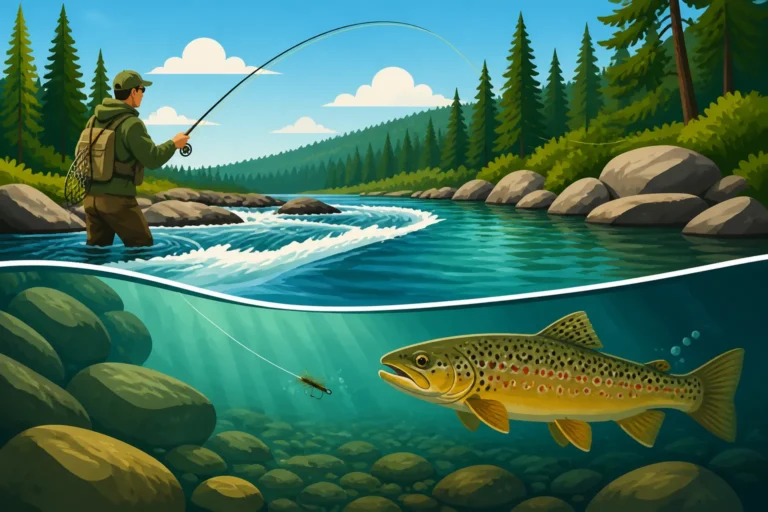
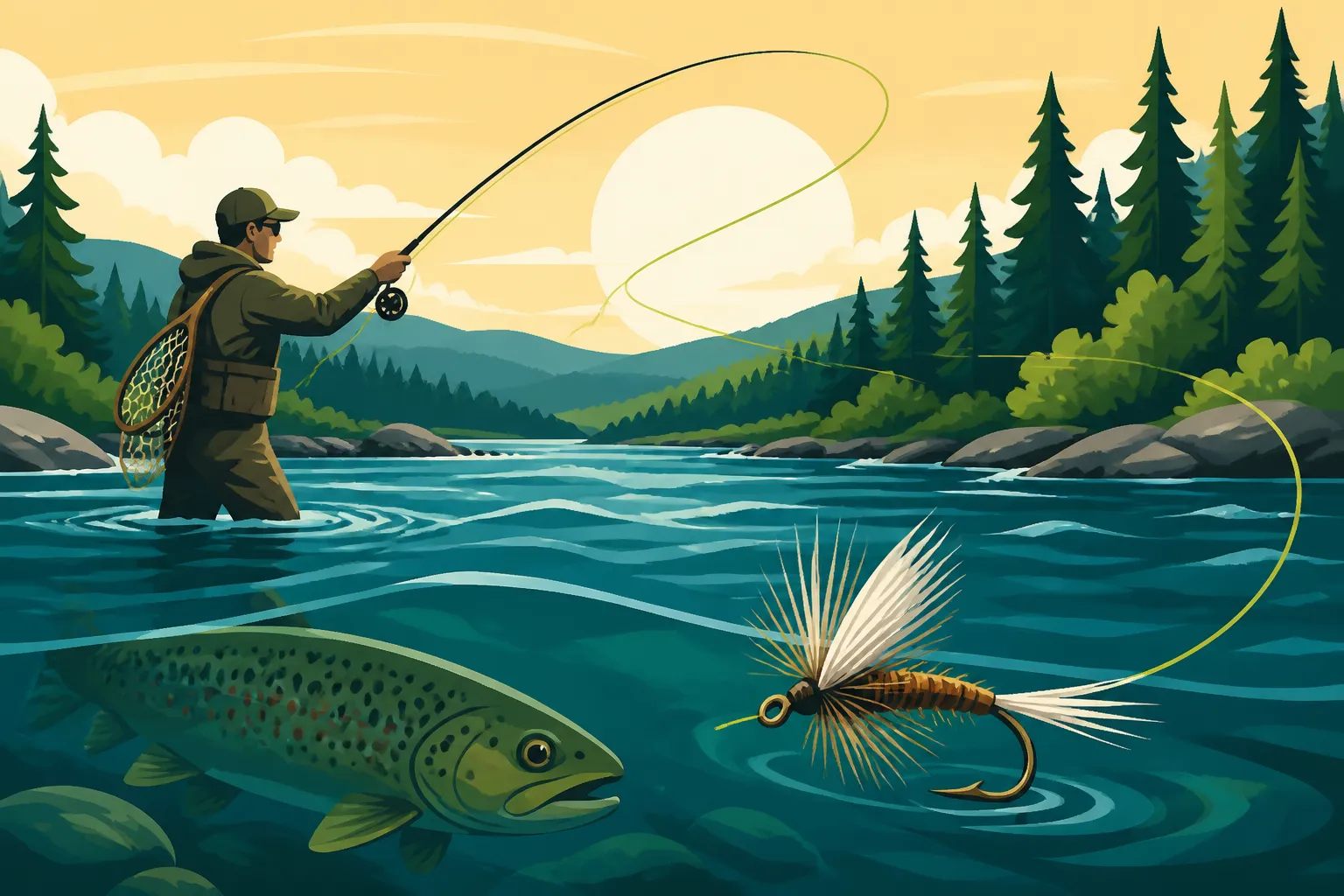
For many anglers, dry fly fishing represents the pinnacle of the sport. There's a certain magic in seeing a trout or a smallmouth bass come up from the depths, inspect your artificial insect, and then gracefully sip it off the surface. This visual aspect of the take is incredibly exciting and provides instant feedback on your technique, something you don't always get with subsurface methods. It truly forces you to slow down, observe your surroundings, and develop a deeper understanding of entomology and fish behavior. It's a cerebral game, a puzzle where the pieces are currents, insects, and fish lies.
Beyond the visual thrill, the reward often comes from the sheer skill and finesse required. Casting a tiny dry fly with a delicate leader to a specific seam in the current, anticipating the drift, and managing your line to achieve a natural presentation – these are challenges that keep you coming back. When it all comes together, and a wild brook trout or a hefty rainbow rises to your offering, it’s a profound sense of accomplishment. It’s about more than the fish; it’s about the connection to the ecosystem, the rhythm of the river, and the quiet satisfaction of a job well done.
Target Species for Dry Flies in Ontario
When we talk about dry fly fishing in Ontario, trout are usually the first species that come to mind, and for good reason. Our province boasts fantastic opportunities for various trout species that readily feed on the surface. Native brook trout, with their vibrant colours, are a prime target in countless cold, clear streams, especially in Crown land settings. Rainbow trout and brown trout, often found in larger, more accessible rivers, also provide incredible dry fly action. These fish are generally more wary and can demand exquisite presentation, especially the larger browns that have seen their share of artificials.
However, don't limit your dry fly thinking to just trout! Ontario's rivers are also home to fantastic warmwater species that absolutely crush dry flies, particularly during prolific hatches. Smallmouth bass, in particular, are aggressive surface feeders, and casting a hopper or a large stimulator near rocky banks or submerged timber can lead to explosive strikes. Panfish like bluegill and crappie, especially in slower moving sections or river backwaters, can also provide endless fun on small dry flies. Even northern pike have been known to ambush large terrestrials or mice patterns presented on the surface, offering an unexpected adrenaline rush. Knowing your target species helps immensely in choosing the right patterns and approach, as different fish will key in on different food sources and exhibit unique feeding behaviors.
The Challenge of Presentation
Let's face it, dry fly fishing can be incredibly frustrating. The biggest hurdle for most anglers is achieving a truly "drag-free drift." This means your fly needs to float naturally with the current, just like a real insect, without being pulled or pushed unnaturally by your fly line. Any drag, no matter how subtle, can instantly alert a fish that something isn't quite right, sending them back to the bottom without so much as a curious glance. This is particularly true for discerning trout in clear, slow-moving waters.
The challenges multiply when you factor in complex currents, tricky wind conditions, and overhanging vegetation. You might need to cast across multiple current seams, make a precise cast under a low-hanging branch, or deliver a fly into a tiny pocket of calm water. It requires a keen eye, good casting mechanics, and a mastery of line management techniques like mending. Even when you’ve done everything right, a sudden gust of wind or an unforeseen micro-current can sabotage your perfect drift. It’s a constant learning process, but overcoming these challenges is precisely what makes dry fly fishing so addictive and rewarding.
Essential Gear for Dry Fly Anglers
Having the right equipment doesn't guarantee success, but it certainly smooths out the learning curve and makes the experience more enjoyable. When you're out on an Ontario river, battling currents and trying to fool finicky fish, you want your gear to be an extension of yourself, not a source of frustration. Thinking about the nuances of your rod, reel, line, and flies before you even hit the water will pay dividends.
Rods, Reels, and Lines for Ontario Rivers
For most dry fly applications on Ontario rivers, a moderately fast-action fly rod in the 7.5 to 9-foot range, specifically a 3-weight to 5-weight, is an excellent all-around choice. A 3-weight or 4-weight is ideal for smaller streams, delicate presentations, and smaller trout, offering sensitivity and finesse. For larger rivers, bigger fish, or when you might encounter more wind, a 5-weight gives you a bit more backbone for casting larger flies and fighting stronger fish. The "Best Fly Rods for Ontario Trout Streams" guide provides a detailed breakdown of different rod types and their applications. A medium-fast action helps with delicate presentations while still having enough power to handle varied conditions.
Matching your reel to your rod is less about performance and more about balance. A good quality, lightweight reel that balances your rod perfectly will reduce fatigue during a long day of casting. For dry fly fishing, the reel largely acts as a line storage device and a counterweight, so precision drags aren't as critical as with nymphing or streamer fishing, but a smooth drag is always a plus. As for lines, a weight-forward floating line is the standard. Brands like Scientific Anglers or Rio offer excellent lines designed specifically for delicate dry fly presentations. Look for lines with a longer front taper, which helps lay the fly down gently. The "Best Fly Line for Small Crown Land Streams" article offers insights into optimizing your line choice for specific environments.
Leaders, Tippets, and Fly Selection
The leader and tippet are perhaps the most critical, yet often overlooked, components of your dry fly setup. A good leader acts as a nearly invisible transition between your brightly coloured fly line and your fly, helping to turn over the fly delicately and absorb some of the shock of the cast. A 9-foot tapered leader, typically starting at 3X or 4X, is a versatile choice. The "Best Tippet Size for Stocked Trout" can also offer guidance, as similar principles apply to wild fish. You’ll then attach a section of tippet material to the end of your leader, usually in finer sizes like 5X, 6X, or even 7X, depending on the fly size and the spookiness of the fish. Fluorocarbon tippet, while slightly more expensive, offers excellent abrasion resistance and is nearly invisible underwater, though it does sink, which can occasionally be a concern with ultra-delicate dry fly presentations.
When it comes to fly selection, variety is key. You'll want a range of patterns to "match the hatch" throughout the season. Essential dry flies for Ontario rivers include various mayfly imitations like Parachute Adams, Hendrickson, Sulphur, and Blue-Winged Olive patterns in different sizes. Caddisfly patterns like Elk Hair Caddis and X-Caddis are also crucial. Terrestrial patterns such as hoppers, ants, and beetles become important later in the summer and into the fall. Don't forget attractors like Royal Wulff and Stimulator, which can catch fish even when there's no specific hatch occurring. The "Fly Patterns for Ontario Trout Streams" resource is an invaluable guide to building your fly box. Many excellent selections are available on Amazon to get you started.
Waders and Essential Accessories
Venturing into Ontario's rivers often means wading, and quality waders are non-negotiable for comfort and safety, especially when the water is cold. Breathable chest waders are the most versatile, allowing you to stay dry and comfortable in varying temperatures. Pair them with sturdy wading boots that provide good ankle support and grip on slippery rocks. Felt soles are excellent for traction on slick riverbeds, but some regulations or conditions might favor rubber soles. For a deeper dive into options, consult "Best Waders for Ontario Trout Streams" and "Best Wading Boots for Rocky Streams."
Beyond waders, a few essential accessories will make your dry fly experience much smoother. A good quality net, ideally with a rubberized mesh to protect fish, is vital for safe catch and release. "Best Landing Net for Trout" can help you choose the right one. Hemostats or forceps are indispensable for removing flies from fish quickly and gently. Nippers for cutting line and a dry fly floatant to keep your flies riding high on the water are also must-haves. A small pack or vest to carry your fly boxes, tippet spools, and other essentials, like those from Simms or Patagonia, keeps everything organized and accessible. Check out "Best Fly Boxes for Trout Streams" for ideas on keeping your precious patterns safe. Don't forget polarized sunglasses for cutting glare and spotting fish, and a hat for sun protection.
Reading the Water and Identifying Hatches
Successfully dry fly fishing in Ontario is often less about casting distance and more about being a keen observer. The river, with its currents and structure, tells a story, and the insects dancing above the surface are the main characters. Learning to decipher these clues is paramount to putting your fly in front of a feeding fish.
Understanding Current, Structure, and Holding Lies
Every river is a complex network of currents, eddies, and structure, and understanding how these elements interact is fundamental to finding fish. Trout and other river species will typically position themselves in "holding lies" – spots where they can expend minimal energy while still having access to a steady food supply. These areas are often adjacent to faster currents that bring food, but the fish themselves will sit in slightly slower water, like behind a large rock, in a seam where two currents meet, or in the soft water along a bank. Look for visible structure like submerged logs, boulders, or undercut banks; these provide both cover and current breaks.
Faster, broken water often conceals fish and allows for more aggressive takes, while slower, glassy pools demand extreme stealth and delicate presentations. Riffles and runs, where the water tumbles over rocks, are prime feeding zones, as dislodged insects drift freely. Understanding how fish use these features throughout the day and across seasons is critical. For instance, in bright sunlight, fish might tuck under an undercut bank, but during a heavy hatch, they'll move into open feeding lanes. Taking the time to simply watch the water, without casting, before you even begin to fish, can tell you volumes about where the fish are likely to be.
Matching the Hatch: Common Ontario Insects
The phrase "matching the hatch" is the holy grail of dry fly fishing, and it refers to presenting an imitation that closely resembles the natural insects that fish are actively feeding on. In Ontario, this primarily involves mayflies, caddisflies, and stoneflies, along with terrestrials like grasshoppers, crickets, and ants during warmer months. Mayflies emerge from the water, often in a distinct upright wing profile, and float on the surface as they prepare to fly off. Caddisflies often emerge more quickly, skittering across the surface. Stoneflies are generally larger and often found in colder, oxygen-rich waters.
To match the hatch, you need to observe three key things: size, shape, and color. First, what size are the insects? Hold a real one against your fly if you can. Second, what is its general silhouette or shape? Is it slender like a mayfly dun, or caddis-like with tented wings? Third, what is its dominant color? Is it dark, light, olive, grey, brown? You don't need a fly box with every single variant, but having a selection of common patterns in different sizes and shades will cover most situations. Sometimes, fish will key in on a specific life stage – an emerger struggling to break the surface, a full-fledged dun, or a spent spinner. Knowing your local entomology will give you a huge advantage.
Observing Fish Behavior and Feeding Patterns
Once you've identified a hatch, the next step is to observe how the fish are feeding. This subtle detective work is where experienced anglers truly shine. Are the fish rising aggressively, making a splashy take that suggests they're hitting actively emerging insects or even skittering caddis? Or are they making slow, deliberate "sips," barely breaking the surface, which often indicates they're feeding on fully emerged duns or spent spinners that are floating dead on the water? The type of rise provides clues about which life stage to imitate and how to present your fly.
Pay attention to where the fish are rising. Are they in a fast riffle, a slow pool, or hugging a particular piece of structure? Are they moving across currents to intercept food, or holding stationery and waiting for insects to drift directly to them? If a fish rises repeatedly in the same spot, it's likely a "holding lie" and a prime target. If it's moving, it might be cruising. Understanding these feeding patterns allows you to choose not only the correct fly but also the optimal angle of approach and presentation technique. Sometimes, fish will even "nose" your fly without taking it; this is a clear sign that something is off with your imitation or presentation, and it's time for a change.
Mastering Dry Fly Presentation Techniques
The actual act of casting and presenting a dry fly is where the art and skill truly come together. It's a blend of precise mechanics, understanding river dynamics, and a touch of finesse. A perfect cast with the wrong fly might still catch a fish out of pure aggression, but a well-presented, drag-free drift with the right fly is almost irresistible to a feeding fish.
Casting Accuracy and Line Control
Dry fly fishing often demands surgical precision with your cast. You're not always trying to throw a long line; often, it's about putting a small fly into a tight window, perhaps under an overhanging branch or just upstream of a visible rise form. Accuracy is key, especially on pressured waters where fish spook easily. Practicing casting at various distances and angles, aiming for specific targets like a leaf or a ripple, will greatly improve your success rate. Pay attention to your loop control, aiming for a tight, narrow loop that turns over gracefully without slapping the water.
Beyond hitting your target, controlling your fly line after the cast is equally, if not more, important. This includes managing slack line, which can lead to drag, and executing mends. The goal is to achieve a completely natural, drag-free drift. Even a perfect cast will fail if your line pulls the fly unnaturally. This requires constant vigilance and quick reactions to the ever-changing currents. Consider taking a few casting lessons, or watching instructional videos, to hone your technique. The better your foundational casting, the easier it will be to adapt to challenging river conditions.
Achieving a Drag-Free Drift
This is the ultimate goal in dry fly fishing, and arguably the most difficult skill to master. A drag-free drift means your fly is floating at the exact same speed as the natural current, completely uninfluenced by your fly line. Any tension or unnatural movement from your line dragging across different currents will cause your fly to "skate" or "drag," immediately signaling to the fish that it’s not real. Think about how a real insect drifts – it doesn't suddenly speed up or veer sideways without a reason.
To achieve this, several techniques come into play. The most common is the reach cast, where you extend your rod tip upstream or downstream after the forward cast to reposition your line and delay drag. Slack line casts like the S-curve cast or the pile cast intentionally introduce slack into your line and leader, allowing the fly to drift freely for a longer period before the currents catch up. Then there's mending, which involves picking up a section of your line and repositioning it (usually upstream) to correct the drift without moving the fly itself. This is a dynamic process, often requiring multiple mends during a single drift, especially in complex currents. It takes practice and a keen eye to anticipate where drag will occur and proactively counter it.
Strategic Mending and Fighting Fish
Mending isn't just a basic correction; it’s a strategic art form. There are upstream mends, downstream mends, aerial mends, and even stack mends, each designed to address specific current situations. An upstream mend, where you flip a loop of line upstream without disturbing the fly, is often used to extend the drag-free drift in faster currents. A downstream mend can be useful for slowing down your fly or presenting it to a fish that’s positioned below you. The key is to make these mends subtly, without causing the fly to jump or pull. It’s a continuous dance, watching your fly and line, anticipating the currents, and making micro-adjustments to keep that drift perfect.
When a fish finally takes your fly, the adrenaline rush is real! Your immediate reaction should be a gentle but firm upstream or sideways "strike" (a lift of the rod) to set the hook. Avoid a hard, sweeping motion that can break fine tippet. Once hooked, keep the rod tip high to maintain pressure and act as a shock absorber. Let the reel’s drag do its job, especially with larger fish that might make powerful runs. Fighting a fish on light tippet requires finesse; don’t try to horse it in. Keep the line taut, lead the fish away from snags, and use the current to your advantage. Bring the fish to your net quickly but gently, ensuring a clean, healthy release. Remember to wet your hands before handling the fish, and minimize its time out of water.
Top Ontario Rivers for Dry Fly Fishing
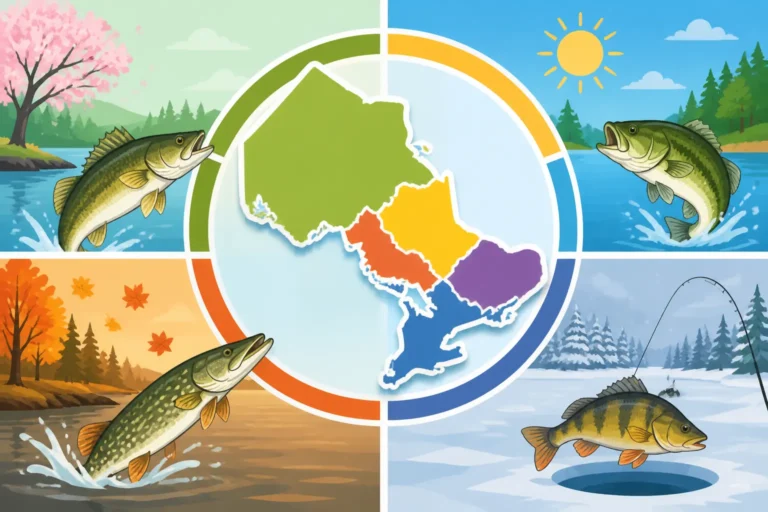
Ontario is blessed with a vast network of rivers, each offering unique dry fly fishing experiences. From the more accessible, well-known southern streams to the wild, remote waters of the north, there's a lifetime of exploration for the dedicated dry fly angler. Always check the specific regulations and seasons for the Ontario Fisheries Management Zones, as they can vary greatly. Ontario Fishing Seasons by Zone and Month is an excellent resource for planning.
Southern Ontario's Renowned Trout Streams
Southern Ontario, surprisingly, boasts some incredibly productive trout streams, often within a short drive of major population centers. Rivers like the Grand River are legendary for their brown trout and rainbow trout populations, offering diverse opportunities from wide, open stretches to intimate, technical runs. It’s a true classroom for dry fly anglers, with consistent hatches throughout the spring and summer. The upper sections, particularly around Fergus and Elora, are fantastic for wading, though you'll face pressure from other anglers and wary fish.
Other notable southern rivers include the Credit River and the Nottawasaga River (especially its tributaries). These waters, while sometimes challenging due to development and accessibility, can hold surprisingly large fish and offer incredible dry fly action during specific hatches. Rivers like the Beaver River near Kimberley also provide stunning scenery and strong populations of wild trout. While many of these rivers are stocked, the wild, native fish are the true prize for dry fly enthusiasts. Access can sometimes be an issue, so look for public access points, conservation areas, and provincial parks. Always be respectful of private property.
Central and Northern Ontario's Wild Waters
As you venture further north, the landscape changes, and so do the fishing opportunities. Central Ontario offers a blend of accessibility and wildness. The Saugeen River, for example, is famous for its steelhead runs, but also provides excellent resident brown and rainbow trout fishing on dries throughout the summer. Its wider, more open character can present different casting challenges than smaller, brushier streams.
Northern Ontario is a dry fly paradise for those willing to seek out truly wild experiences. Here, countless pristine, cold-water streams and rivers, many flowing through Crown land, hold robust populations of native brook trout. Rivers like the Michipicoten River or the tributaries flowing into Lake Superior or Lake Huron, while often requiring more effort to access (think portaging or bushwhacking), offer incredible solitude and eager, unpressured fish. These are the places where a simple Elk Hair Caddis or a Parachute Adams can bring a striking wild brook trout to the surface again and again. While specific river names might be less publicly broadcast, a quick glance at detailed topographic maps and local knowledge can unveil countless hidden gems. Always prepare for remote conditions when heading into these areas.
Specialty Waters and Unique Opportunities
Beyond the classic trout streams, Ontario offers some unique dry fly opportunities. Certain sections of larger rivers, like the French River or the Ottawa River, while known for their muskie and walleye, can provide excellent smallmouth bass dry fly action, especially in quieter back channels or around rocky structures. Casting large foam poppers or deer hair bugs (technically not "dry flies" in the traditional sense, but surface flies nonetheless) near fallen logs or lily pads can result in explosive strikes from bronzebacks. For a more in-depth look at smallmouth bass, check out How to Fish a River for Smallmouth Bass.
Additionally, some of Ontario's smaller, lesser-known streams, even those designated as "catch and release only," can hold surprisingly large fish that are highly selective. These waters demand the utmost in stealth and precise presentation. Then there are the numerous provincial parks, many of which have fantastic fishing within their boundaries, sometimes even with specific regulations for fly fishing only. Always consult the Ontario Fishing Regulations Summary for the most up-to-date information on any specific waterbody.
Seasonal Considerations for Dry Fly Success
Dry fly fishing in Ontario is highly seasonal, driven by water temperatures and insect hatches. Understanding these cycles is crucial for being in the right place at the right time with the right flies. Missing a major hatch by even a week can mean the difference between epic surface action and a slow, frustrating day. The "Best Time of Year to Fish in Ontario" covers a broader scope but highlights key periods for trout.
Spring: Early Hatches and Rising Waters
Spring is a time of awakening for Ontario's rivers and a prime season for dry fly enthusiasts. As the ice melts and water temperatures slowly begin to rise, the first major hatches of aquatic insects begin. Early spring can see strong emergences of smaller black stoneflies and midges, but the real excitement often starts with the first significant mayfly hatches, like the Hendricksons (Ephemerella subvaria) or Blue-Winged Olives (Baetis species). These hatches can be prolific and draw trout to the surface after a long winter of feeding sub-surface.
However, spring also brings challenges. Meltwater can cause high, cold, and often turbid conditions, making dry fly fishing difficult. You need to pick your days carefully, looking for stable weather patterns and falling water levels. Focus on slower-moving sections, eddies, and seams where fish can hold out of the main current and still intercept drifting insects. As the water warms, generally into late May and early June, the hatches become more diverse and intense, setting the stage for some of the best dry fly action of the year before summer arrives in full force.
Summer: Peak Hatch Season and Low Flows
Summer is the quintessential dry fly season for many, offering long days, warmer temperatures, and often a dizzying array of insect life. Mayfly hatches continue with species like Sulphurs (Ephemerella invaria/dorothea), Isonychia, and large Green Drakes (Ephemera guttulata). Caddisfly hatches are also incredibly strong throughout the summer, often occurring in the evenings. This is also when terrestrial insects become vital. Grasshoppers, crickets, and ants falling into the water from streamside vegetation can be a consistent food source, especially on warmer, breezy days. Fish will often key in on these larger meals, making for exciting, aggressive takes.
The challenge of summer fishing in Ontario often revolves around lower water levels and warmer water temperatures, especially in July and August. Low water means fish can be spookier, and warm water can stress trout. Focus on fishing early mornings or late evenings when water temperatures are cooler and hatches are most active. Seek out oxygenated areas like riffles, plunge pools, and the mouths of colder tributaries. Smallmouth bass, however, thrive in warmer summer waters, making them excellent dry fly targets during the day in many rivers. Always be mindful of ethical angling practices during warmer periods to minimize stress on trout populations.
Fall: Terrestrials and Last-Chance Opportunities
Fall in Ontario brings a beautiful, often melancholic, end to the dry fly season, but it can also offer some fantastic fishing. As days shorten and water temperatures begin to cool, many major aquatic insect hatches wane. However, this is when terrestrials can shine brightest. Grasshoppers and crickets, nearing the end of their life cycles, become clumsy and frequently end up in the water, providing substantial meals for opportunistic fish. Larger foam hoppers or beetle patterns can be incredibly effective, especially on breezy days that blow insects into the water.
This is also a critical time for trout as they prepare for winter and, for some species, their spawning season. They become aggressively opportunistic feeders, often looking for hearty meals. You might still find some sporadic hatches of smaller mayflies like Blue-Winged Olives, especially on overcast days. The cooler water temperatures mean fish are less stressed and often more active throughout the day. Fall fishing can be incredibly rewarding, offering a chance to catch strong, healthy fish against a backdrop of stunning autumn foliage. It’s a wonderful time for a last hurrah before the long winter sets in.
| Common Ontario Dry Flies | Primary Insect Imitation | Typical Size Range | Peak Season | Key Characteristics |
|---|---|---|---|---|
| Parachute Adams | Mayfly Dun | #12 – #20 | Spring, Summer, Fall | Versatile, visible, general mayfly profile |
| Elk Hair Caddis | Caddisfly Adult | #10 – #18 | Spring, Summer, Fall | Durable, floats well, skitters on water |
| Hendrickson | Ephemerella subvaria | #12 – #14 | Mid-Spring | Distinctive creamy body, dark wings |
| Sulphur | Ephemerella invaria/dorothea | #14 – #18 | Early Summer | Pale yellow body, often prolific hatch |
| Blue-Winged Olive (BWO) | Baetis species | #16 – #22 | Spring, Fall | Small, olive body, often in overcast weather |
| Stimulator | Stonefly/Attractor | #6 – #14 | Summer, Fall | High floating, buggy, good search pattern |
| Dave's Hopper | Grasshopper | #8 – #12 | Late Summer, Fall | Realistic, good for terrestrial feeders |
| Black Ant | Ant | #14 – #20 | Summer, Fall | Small, often overlooked, great for picky fish |
Disclaimer
The information provided in this guide is for general informational purposes only and is not intended as legal advice regarding fishing regulations. Ontario fishing regulations can change frequently and vary by species, waterbody, and season. Always consult the official Ontario Fishing Regulations Summary, available from the Ontario Ministry of Natural Resources and Forestry (MNRF) or ServiceOntario, before heading out on the water. It is the angler's responsibility to know and follow all applicable rules and regulations.