How to fish a spinnerbait for Ontario lake bass
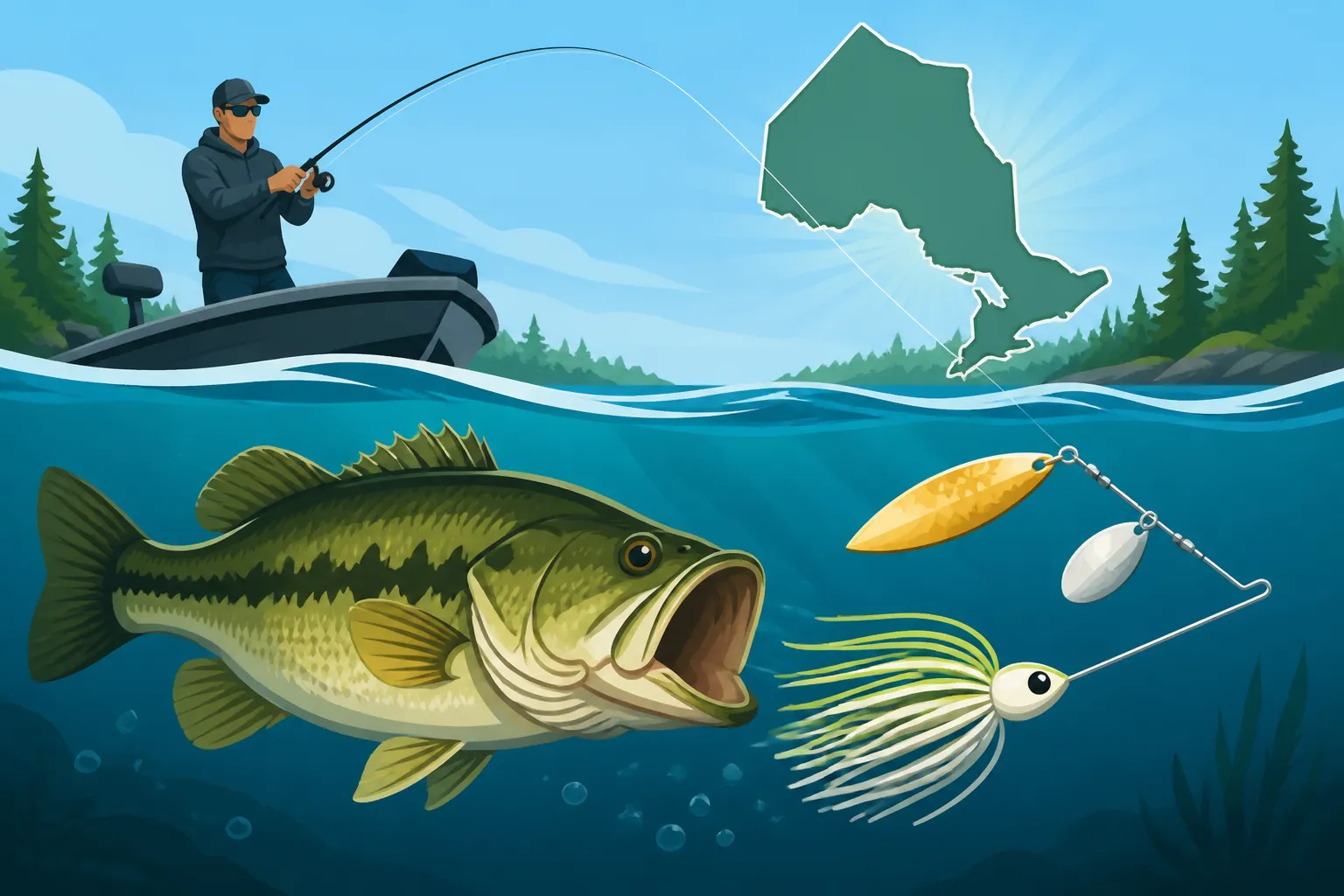
One of the most satisfying challenges in Ontario fishing is targeting our feisty lake bass, but sometimes they can be elusive, hiding in cover or just not responding to your usual offerings. This guide is going to dive deep into one of the most consistently effective lures for both largemouth and smallmouth bass across Ontario's diverse waters: the spinnerbait, helping you understand how to use it to entice those strikes.
Why Spinnerbaits are a Bass Angler's Best Friend in Ontario Lakes
There's a reason why almost every serious bass angler in Ontario has a dedicated section for spinnerbaits in their tackle box. These lures are pure workhorses, capable of drawing strikes when other presentations fall flat. They're designed to mimic fleeing baitfish, creating a commotion that aggressive bass simply can't ignore, whether they're largemouth ambushing from thick weeds or smallmouth patrolling rocky points.
Versatility for Diverse Lake Conditions
Ontario's lakes are incredibly varied, ranging from clear, rocky waters of Georgian Bay to the tannin-stained, weedy expanses of the Kawarthas. This is where the spinnerbait truly shines. It’s not a one-trick pony; it adapts to an astonishing array of conditions, making it an indispensable tool for any angler.
Imagine fishing a lake with patchy weeds and submerged timber. A crankbait might snag, and a soft plastic might not get enough attention. A spinnerbait, with its weedless design and pulsating flash, can often be retrieved right through that cover, provoking a reaction strike. The wire frame deflects off obstacles, allowing the blades to keep spinning and drawing attention, often triggering a strike right after the deflection, as the lure "escapes" the snag.
Even in open water, when bass are suspended or cruising flats, the spinnerbait can cover water efficiently and effectively. Its design allows it to be fished at various depths simply by adjusting your retrieve speed or the weight of the lure itself. This adaptability means you spend less time retying and more time fishing, maximizing your chances of finding those active bass.
Vibration and Flash for Attracting Aggressive Bass
The magic of the spinnerbait lies in its ability to simultaneously appeal to two of a bass's primary senses: sight and lateral line. The spinning blades create a mesmerizing flash that mimics the shimmer of schooling baitfish, an undeniable visual cue for a hungry bass. This flash is particularly effective on sunny days or in clear water where visibility is high.
But it's the vibration, often unseen by the human eye, that truly sets the spinnerbait apart. The rotation of the blades displaces water, sending out pulsations that travel through the water column. Bass, with their highly sensitive lateral line systems, can detect these vibrations from a considerable distance, even in murky water or low light conditions where visual cues are limited. This is akin to a predator hearing a rustle in the bushes – it instantly grabs their attention.
When these two elements, flash and vibration, work in concert, they create an irresistible presentation. An aggressive bass, sensing a vulnerable baitfish, will often attack without hesitation. This makes the spinnerbait especially potent when targeting active fish or when trying to cover large areas of water quickly to locate a school. It's a fantastic choice for when you're trying to figure out where the fish are holding on a new lake.
Understanding Your Spinnerbait: Components and Choices for Ontario Bass
Choosing the right spinnerbait isn't just about grabbing the first one you see; it’s about understanding the subtle differences in their construction and how those variations impact their performance in the water. Each component, from the blade shape to the skirt color, plays a crucial role in how the lure behaves and how it appeals to bass in specific Ontario lake scenarios.
Blade Styles and Their Impact
The blades are arguably the most distinctive feature of a spinnerbait, and their shape dictates the amount of flash, vibration, and lift the lure generates. Knowing which blade to choose for the conditions you're facing can be the difference between a slow day and a banner day.
-
Willow Leaf Blades: These are long, slender, and resemble a willow leaf. They offer maximum flash with minimal vibration and allow the lure to cut through the water with less drag. This makes them ideal for faster retrieves, covering open water, or when bass are keying in on slender baitfish. In clearer Ontario waters, like sections of the French River or Lake Simcoe, willow leaf blades can be incredibly effective, especially when bass are wary and you need a subtle, fast presentation. They also tend to "shed" weeds better than other blade types, making them a good choice for fishing near sparse vegetation.
-
Colorado Blades: Short, round, and cupped like a spoon, Colorado blades produce the most vibration and "thump" in the water, but less flash than willows. They also create a lot of lift, allowing you to fish them slower and shallower. When fishing murky or stained waters, or in low light conditions such as dawn or dusk, the strong vibration of a Colorado blade can be a game-changer. Think about fishing the back bays of the Kawartha Lakes or the darker waters of Northern Ontario – the bass might not see the lure well, but they'll certainly feel it. They're also excellent for "thumping" along the bottom in deeper water or through thick cover, where their strong vibration helps bass locate them.
-
Indiana Blades: These blades are a hybrid, offering a balance between the flash of a willow leaf and the vibration of a Colorado blade. They're typically teardrop-shaped and provide a good medium-speed retrieve option. When you're unsure what the bass prefer, or when conditions are mixed (e.g., partly cloudy, moderate water clarity), an Indiana blade is a fantastic all-around choice. It offers enough flash to be seen and enough vibration to be felt, covering a wide range of situations. Many anglers find them to be a great starting point for diverse Ontario fishing.
It's not uncommon for spinnerbaits to feature a combination of these blades, often with a smaller Colorado or Indiana blade upfront, followed by a larger willow leaf blade. This creates a complex action with both strong vibration and abundant flash, maximizing attraction. Experimentation is key; sometimes a subtle change in blade style can make all the difference on a given day.
Skirt Colors, Trailer Baits, and Weight Considerations
Beyond the blades, the skirt, trailer, and overall weight of your spinnerbait are critical factors in matching the hatch and appealing to bass. These elements collectively determine the lure's profile, how it moves, and how deep it runs.
Skirt Colors: Just like any other lure, color choice is paramount. The general rule of thumb applies: natural colors (whites, grays, greens, browns) for clear water and bright, highly visible colors (chartreuse, white, black, blue) for stained or murky water. If you're fishing on Lake Erie for smallmouth bass in its notoriously clear waters, a subtle white or shad-patterned skirt mimicking emerald shiners would be excellent. Conversely, if you're battling largemouth in a weed-choked pond near Peterborough, a chartreuse and white combination might be more effective at standing out. Don't be afraid to experiment; sometimes an unnatural, "reaction" color can trigger strikes from otherwise dormant fish. Often, if you're not getting bites, changing the skirt color is a quicker adjustment than changing the entire lure.
Trailer Baits: Adding a soft plastic trailer to your spinnerbait hook can significantly enhance its appeal. Trailers can increase the lure's profile, add more action, or provide a subtle visual cue that triggers a strike. Common choices include grub tails, paddle tails, or creature baits. For instance, a small, subtle grub tail might add just enough undulation to mimic a fleeing minnow, while a larger paddle tail could create extra vibration and bulk, making the lure appear more substantial. Sometimes, a touch of chartreuse on a white trailer can make a big difference in stained water. Experiment with different trailer shapes and sizes to see what the bass prefer on a given day. You can often find a great selection of these on platforms like Amazon.
Weight Considerations: The weight of your spinnerbait dictates its sink rate and how easily it can be retrieved at different depths. For shallow water (2-5 feet) or when you want to keep the lure high in the water column, a lighter 1/4 or 3/8-ounce spinnerbait is ideal. If you're targeting deeper drop-offs, fishing through strong currents, or trying to punch through heavy wind, a heavier 1/2 or 3/4-ounce spinnerbait will get down faster and stay down. The overall bulk of your trailer can also affect the sink rate and action, so it's a dynamic interplay. Remember, the goal is to present the lure effectively in the strike zone, and choosing the right weight is crucial for achieving that.
| Blade Type | Shape | Vibration | Flash | Best For |
|---|---|---|---|---|
| Willow Leaf | Long, Slim | Low | High | Fast retrieves, covering open water, clear water, sparse weeds, mimicking slender baitfish. |
| Colorado | Round, Cupped | High | Low | Slow retrieves, murky/stained water, low light, deep water, heavy cover, generating strong "thump." |
| Indiana | Teardrop | Medium | Medium | All-around versatility, moderate retrieves, mixed conditions, when fish are neutral or you're unsure of preference. |
Mastering the Retrieve: Techniques for Spinnerbait Success in Ontario Lakes
Simply casting a spinnerbait out and cranking it back in is a start, but truly mastering this lure for Ontario lake bass involves understanding various retrieve techniques. Bass, both largemouth and smallmouth, can be finicky. Sometimes they want a fast, aggressive presentation, while other times a slow, deliberate approach is what triggers the bite. Your ability to vary your retrieve will be your greatest asset.
The Standard Steady Retrieve
The backbone of spinnerbait fishing is the steady retrieve. It's exactly what it sounds like: casting your spinnerbait out and reeling it back in at a consistent speed. This technique is fantastic for covering water efficiently and locating active fish, especially during periods when bass are aggressive.
The key here is to find the "sweet spot" speed where your blades are spinning consistently, creating that enticing flash and vibration, without washing out or twisting your line. For many Ontario lakes, particularly when you're exploring new areas, a medium-slow retrieve is a great starting point. It allows the lure to stay in the strike zone longer and gives the bass enough time to react. This technique is particularly effective around weed lines, submerged rock piles, or along shorelines with scattered cover. You're basically mimicking a baitfish cruising through its environment, and an opportunistic bass will often smash it. Think about the productive weed edges on Lake Muskoka or the flats of the Kawartha Lakes.
When you're reeling steadily, pay close attention to the feel of the lure. You should feel the blades thumping and vibrating through your rod. If it feels dead or heavy, adjust your speed. This standard retrieve is also excellent for teaching yourself how to feel what the lure is doing underwater, which is a fundamental skill in all types of fishing. It's a great way to start when you're learning How to Catch Smallmouth Bass in Ontario or How to Catch Largemouth Bass in Ontario.
Stop-and-Go, Yo-Yo, and Burning Techniques
While the steady retrieve is fundamental, these more dynamic techniques can be absolutely deadly when bass are less aggressive or when you want to trigger a reaction strike. Understanding when and how to apply each one will elevate your spinnerbait game.
-
The Stop-and-Go: This technique involves reeling steadily for a few seconds, then pausing briefly (1-3 seconds), and then resuming your retrieve. The pause allows the spinnerbait to flutter or drop slightly, mimicking a startled or injured baitfish. Often, the strike will come as the lure falls or just as you start reeling again. This is incredibly effective when bass are somewhat lethargic or holding tight to cover, as the erratic action can provoke a reaction. It's a fantastic tactic for fishing around docks, stumps, or the edges of dense weed beds. It makes the bait seem vulnerable, an easy meal.
-
The Yo-Yo (or Lift-and-Drop): This is a vertical presentation more often used in deeper water or when fishing vertically over structure. You cast out, let the spinnerbait sink to the desired depth, then use your rod tip to lift it up sharply a few feet, letting it fall back on a semi-slack line. The blades will helicopter on the fall, creating a unique flash and vibration. This technique is superb for targeting bass that are suspended over humps, holding on deep ledges, or when ice fishing (though spinnerbaits aren't typical ice-fishing lures, the principle applies). It can be particularly effective on cooler days when bass are less willing to chase a horizontally retrieved bait.
-
The Burn: As the name suggests, "burning" a spinnerbait means reeling it back as fast as you can, often with the rod tip held high to keep it just under the surface. This creates a frantic, fleeing baitfish presentation that can trigger aggressive strikes, especially in warm water or when targeting highly active bass. The blades create a surface wake, and the lure speeds past fish, giving them little time to think before reacting. This technique is excellent for quickly covering shallow flats, over submerged grass, or along shorelines. It can be particularly effective on aggressive smallmouth bass during the summer months when they're chasing baitfish near the surface. Just be ready for an explosive strike!
Fishing Specific Cover and Structure
Ontario's lakes are rich with various types of cover and structure where bass love to hide. Learning to present your spinnerbait effectively in these areas is crucial. The beauty of a spinnerbait is its relative weedlessness, thanks to its wire-arm design, allowing it to navigate through obstacles that would snag other lures.
-
Weed Lines and Submerged Vegetation: This is classic spinnerbait territory, especially for largemouth bass. Cast your spinnerbait parallel to weed edges or directly over sparse submerged vegetation. Aim for retrieves that keep the blades just ticking the tops of the weeds without getting bogged down. When you feel the lure touch a weed, give your rod tip a sharp twitch or rip to free it – often, a bass will strike precisely as the lure rips free, mistaking it for a struggling baitfish. For heavier weeds, consider a Colorado blade for its slower retrieve and ability to 'thump' through dense cover. This technique is productive in many of the Best Fishing Lakes in Ontario.
-
Rocks, Boulders, and Riprap: Smallmouth bass, in particular, love rocky environments. Cast your spinnerbait near rocky points, along riprap shorelines, or over scattered boulders. The key here is to let the lure deflect off the rocks. When your spinnerbait hits a rock, it creates an erratic, darting motion that mimics a baitfish startled by the impact. This deflection often triggers a reaction strike. Use a retrieve speed that allows for frequent contact with the bottom or structure. The Best Bass Fishing Techniques for Georgian Bay often involve this kind of presentation around its vast rocky structure.
-
Docks, Laydowns, and Submerged Timber: These man-made or natural structures provide excellent ambush points for bass. Precisely cast your spinnerbait as close as possible to the pilings of docks, fallen trees (laydowns), or visible submerged timber. Let the lure sink for a moment, then begin your retrieve, often using a stop-and-go action. The goal is to make the spinnerbait appear as if it's swimming past these cover elements, daring a bass to dart out and strike. Sometimes, a quick "rip" off a piece of wood can be the trigger. Don't be afraid to make multiple casts to the same piece of cover from different angles.
Remember, the spinnerbait's single upturned hook and wire arm make it relatively snag-resistant. Use this to your advantage by intentionally bumping it off cover. The more you learn to "feel" your spinnerbait as it moves through various types of structure, the more effective you'll become.
Optimal Conditions and Gear for Spinnerbait Fishing in Ontario
Knowing when to reach for a spinnerbait and having the right tools for the job can significantly impact your success on Ontario's waters. While spinnerbaits are incredibly versatile, certain conditions really make them shine, and a properly balanced gear setup will maximize your control and feel.
When and Where to Throw a Spinnerbait
Spinnerbaits have a wide window of effectiveness, but they truly excel in specific scenarios. Understanding these optimal conditions will help you decide when to tie one on.
-
Seasonal Patterns: Spinnerbaits are effective throughout the open water season, but they are particularly strong during the spring and fall. In spring, after ice-out, bass are often shallow and looking for an easy meal, making a slow-rolled spinnerbait irresistible. As the water warms, their metabolism picks up, and a faster retrieve can be very productive. In fall, as bass start to feed heavily before winter, a spinnerbait can mimic large baitfish schools that they are actively chasing. During the summer, they are fantastic for fishing around weed lines and other cover, especially during low light periods. This aligns well with knowing the Best Time of Year to Fish in Ontario.
-
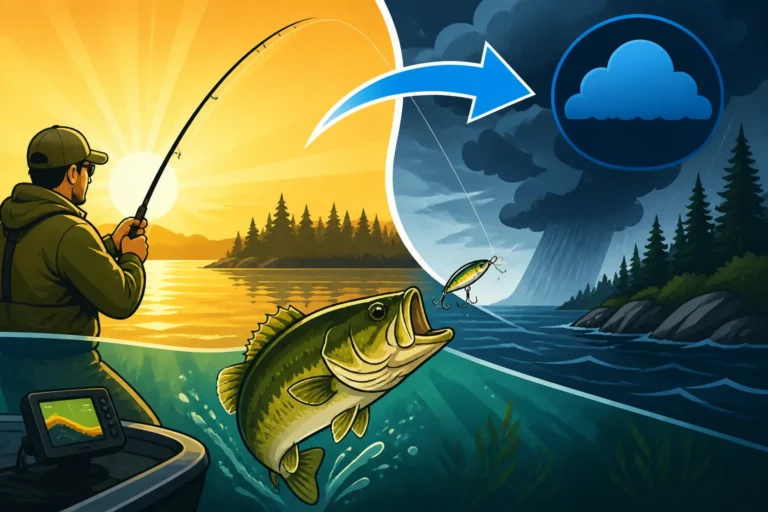
Time of Day: While spinnerbaits can catch fish all day, they are exceptionally good during low light conditions, such as dawn, dusk, or on heavily overcast days. The flash and vibration cut through the dim light, drawing attention from bass. On bright, sunny days, consider fishing them deeper or in shaded areas, as bass might be driven to cover. However, a fast-burned willow leaf blade can also provoke reaction strikes even in bright sun.
-
Water Clarity: Spinnerbaits are phenomenal in stained or murky water. The strong vibration from Colorado or Indiana blades helps bass locate the lure even when visibility is poor. However, they are also very effective in clear water, where the flash of willow leaf blades can imitate baitfish with incredible realism. The key is adjusting your blade type and retrieve to match the clarity.
-
Windy Conditions: A choppy surface created by wind can disorient baitfish and make them easier targets. It also breaks up the surface, making anglers less visible to fish. Spinnerbaits thrive in these conditions. The wind also helps distribute the vibrations of the spinnerbait further, attracting bass from a wider area. Don't shy away from fishing a spinnerbait on a breezy day!
-
Around Cover: As discussed, spinnerbaits are fantastic for working through and around various types of cover – weeds, rocks, wood, docks. They are designed to be relatively snag-resistant, allowing you to fish in places where other lures would get hung up. This makes them ideal for exploring new water or targeting bass that are holding tight to structure. Whether it's the natural beauty of Lake of the Woods or the productive waters of Lake Nipissing, a spinnerbait will earn its place in your tackle box.
Recommended Rod, Reel, and Line Setup
Having the right equipment makes a huge difference in how effectively you can present a spinnerbait and how well you can fight a strong Ontario bass. You want a setup that offers sensitivity, power, and casting accuracy.
-
Rod: For most spinnerbait applications for Ontario lake bass, a medium-heavy power casting rod with a fast action tip is ideal. The medium-heavy power provides the backbone needed to cast heavier spinnerbaits, rip them through weeds, and effectively set the hook on a hard-charging bass. The fast action tip gives you the sensitivity to feel the blades working and detect subtle bites, while still allowing for accurate casting. A rod length between 6'6" and 7'6" is versatile, with longer rods providing more casting distance and better leverage for fighting fish. A 7-foot rod is a good all-around choice. When you're fishing for Smallmouth Bass Average Size in Ontario Lakes, this setup will give you the confidence you need.
-
Reel: A baitcasting reel with a gear ratio in the 6.3:1 to 7.1:1 range is excellent for spinnerbait fishing. A moderate to high gear ratio allows you to vary your retrieve speed easily, from slow-rolling to burning, and quickly take up slack line if a bass strikes aggressively or charges towards you. The smooth drag system on a quality baitcaster is also crucial for preventing line breaks during a fight. Many anglers find great options for reels suitable for spinnerbait fishing on Amazon.
-
Line: For spinnerbait fishing, a monofilament or fluorocarbon line in the 12-20 pound test range is generally recommended.
- Monofilament is a good choice for its stretch, which can act as a shock absorber during violent strikes and help keep fish pinned. Its buoyancy also helps keep the spinnerbait a bit higher in the water column.
- Fluorocarbon is a popular choice for its low visibility, excellent abrasion resistance (great for fishing around cover), and increased sensitivity, allowing you to feel every blade rotation and subtle tap. It also sinks, which can help get your spinnerbait down a bit deeper.
- Some anglers prefer braided line (20-30 pound test) for its incredible strength, zero stretch, and sensitivity, especially when fishing very heavy cover. However, if using braid, it's often advisable to add a fluorocarbon leader (12-17 pound test) for stealth and abrasion resistance, as braid can be very visible to fish in clear water. Consider what type of line works best for How to Fish a River for Smallmouth Bass as the principles are similar.
The right setup will not only make casting and retrieving more enjoyable but also significantly increase your chances of landing those powerful Ontario lake bass. Experiment with different combinations to find what feels most comfortable and effective for your fishing style and the waters you frequent.
Disclaimer
This article is for general informational purposes only and does not constitute professional advice. Laws, prices and regulations vary by location and change over time. Consult a qualified professional for guidance on your specific situation.