Best setup for float fishing the French River
There's nothing quite like the allure of the French River, with its breathtaking scenery and abundant fishing opportunities. However, many anglers arrive unprepared for its unique challenges – from variable currents to diverse fish species – leading to frustrating days on the water. This comprehensive guide will walk you through the very best setup for float fishing the French River, ensuring you have the right gear and techniques to maximize your success and truly enjoy this iconic Ontario waterway.
Navigating the French River's Unique Angling Landscape
The French River isn't just another stretch of water; it's a historic waterway that flows from Lake Nipissing to Georgian Bay, a true gem of Ontario. Its character changes dramatically along its length, offering a mix of fast-moving channels, wide-open expanses, and countless islands, bays, and shoals. This incredible diversity is what makes it such a productive fishery, but it also means your approach needs to be adaptable.
The French River's Diverse Habitats and Fish Species
One of the most exciting aspects of fishing the French River is the sheer variety of fish species you can encounter. This isn't a one-trick pony river; it's a multi-species wonderland. You'll find prime opportunities for walleye, northern pike, smallmouth bass, largemouth bass, and even the elusive muskellunge. Each species often favors slightly different habitats and feeding patterns, which impacts your float fishing strategy.
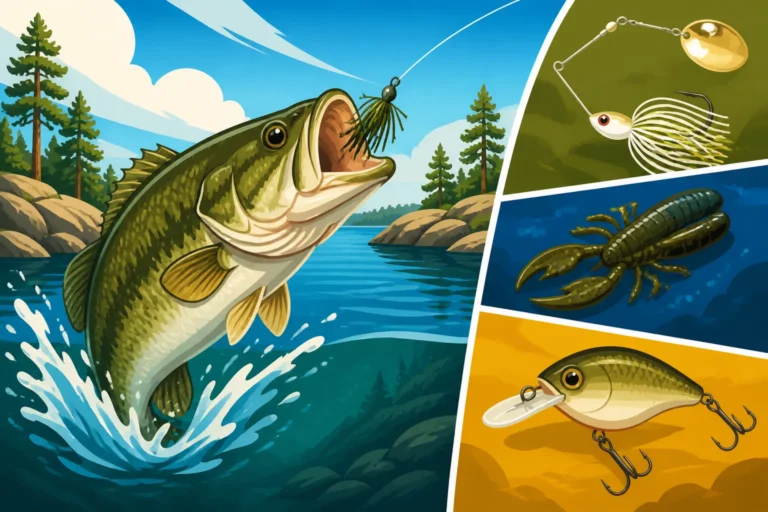
For instance, walleye often hold in deeper current breaks, behind points, or along channel edges, waiting for food to drift by. Smallmouth bass, on the other hand, love rocky areas, shoals, and current seams where they can ambush baitfish. Northern pike will often be lurking in weed beds or around submerged timber, while largemouth bass prefer the shallower, warmer, more vegetated back bays. Knowing these tendencies helps you predict where your float needs to drift. To truly target these species effectively, understanding their habits is key. For more in-depth information, check out our guides on how to catch walleye in Ontario, how to catch northern pike in Ontario, and how to catch smallmouth bass in Ontario.
Understanding the Current and Structure
The French River's current can range from a gentle flow in wider sections to surprisingly strong runs, especially in narrows or around rapids. Successfully float fishing here means learning to read this current and how it interacts with the river's abundant structure. Submerged rock piles, fallen trees, weed lines, drop-offs, and even subtle changes in bottom composition all create current breaks and holding areas for fish.
These current breaks are your best friend when float fishing. They create seams where fish can expend less energy while waiting for prey to be delivered by the current. A perfectly executed drift will present your bait naturally along these seams, giving fish ample time to strike. You'll need to pay close attention to eddies, ripples, and surface boils to discern where the current is strongest and where it's slowing down, allowing you to position your boat or yourself (if shore fishing) to achieve the most effective drift.
Building Your Ideal Float Fishing Arsenal
A successful day float fishing the French River starts with having the right tools for the job. You're not just throwing a worm under a bobber; you're actively presenting bait in a dynamic environment. Your gear needs to be balanced, sensitive, and capable of handling whatever the river, and its inhabitants, throw at you.
The Perfect Rod, Reel, and Line Combo
For French River float fishing, a medium-light to medium power spinning rod, typically 7 to 9 feet in length, is often ideal. This length provides the leverage needed for long casts, excellent line control during drifts, and enough backbone to handle larger fish in current. A sensitive tip is crucial for detecting subtle bites, which are common when fish are holding in current. Look for rods designed for float fishing or general river fishing, often labeled as "drift" or "noodle" rods. For targeting species like walleye, a good quality spinning rod can make all the difference. You might find a great selection of these on Amazon.
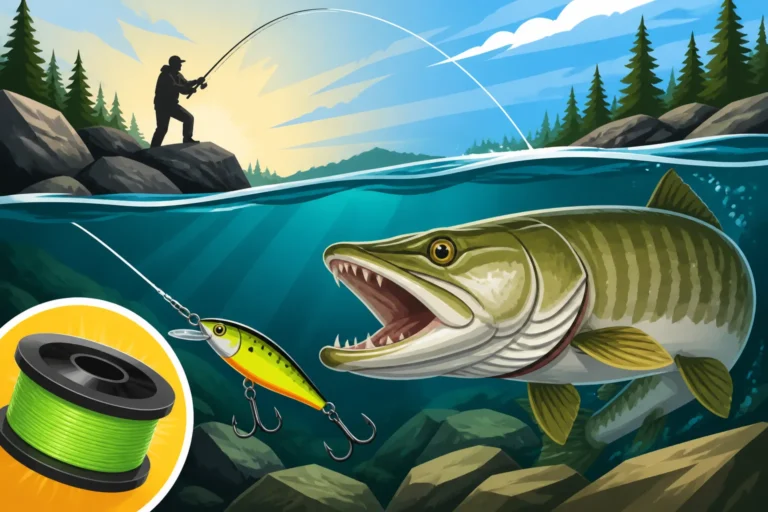
Pair your rod with a reliable spinning reel in the 2500-3000 size range. It should have a smooth drag system, which is paramount when fighting strong fish in moving water, and a good line capacity. Spool your reel with 10-15 pound braided line. Braid offers incredible sensitivity and no stretch, allowing you to feel every bump and subtle take. To this, tie a 6-10 foot leader of 8-12 pound fluorocarbon. Fluorocarbon is nearly invisible underwater, providing a stealthy presentation, and its abrasion resistance is a huge asset when fishing around the French River's rocky structure and submerged wood.
| Component | Recommendation | Key Benefits |
|---|---|---|
| Rod | 7-9 ft Medium-Light to Medium power Spinning Rod | Long casts, line control, sensitivity, backbone for larger fish |
| Reel | 2500-3000 Series Spinning Reel | Smooth drag, good line capacity, reliable retrieve |
| Main Line | 10-15 lb Braided Line | High sensitivity, no stretch, excellent casting |
| Leader | 8-12 lb Fluorocarbon (6-10 ft) | Low visibility, abrasion resistance, adds stealth |
Precision Floats and Essential Terminal Tackle
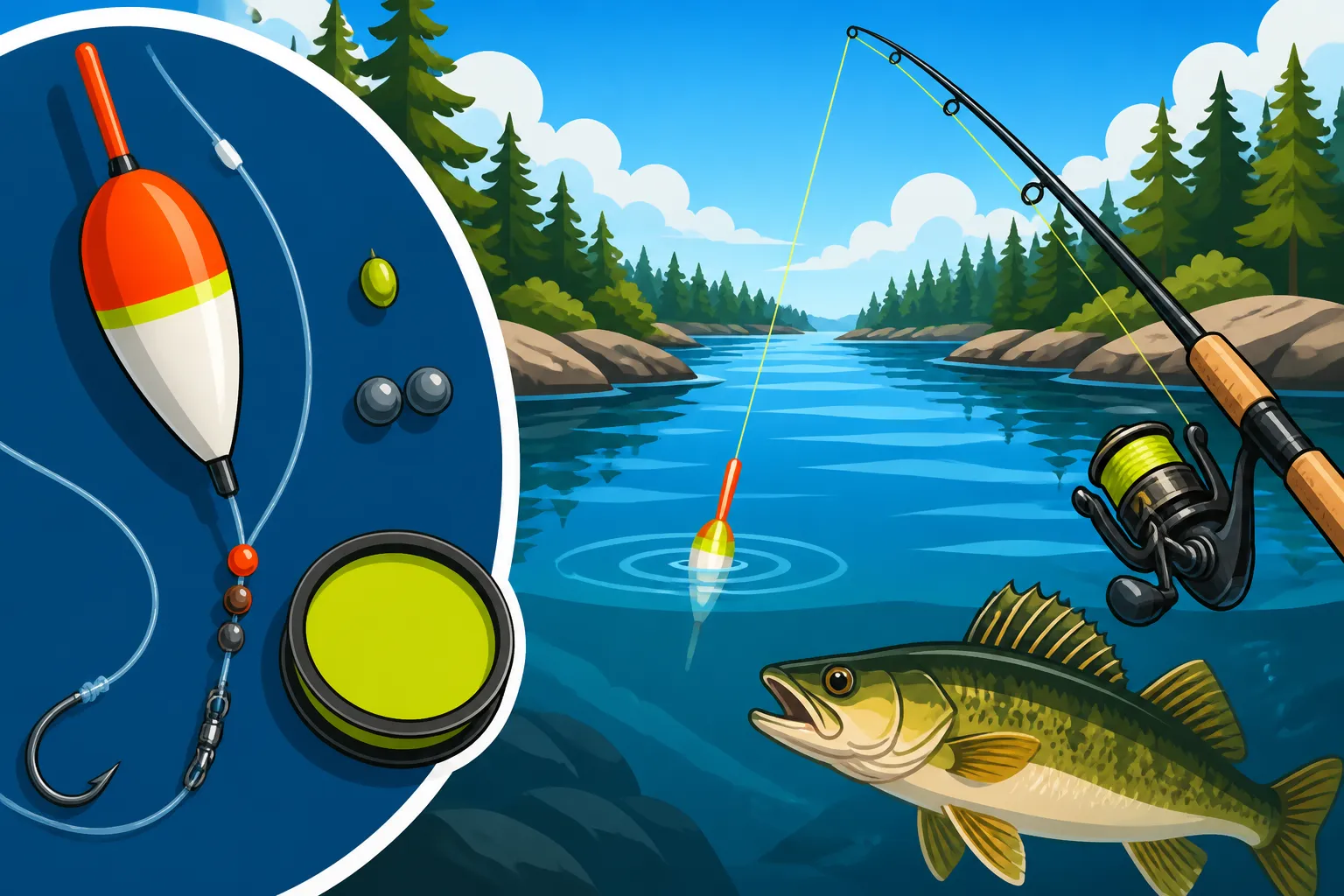
The "float" in float fishing isn't just any bobber. On the French River, you'll want to use specialized floats that offer superior performance. Slip floats are generally preferred over fixed bobbers, especially when fishing deeper water, as they allow you to set your bait at precise depths without interfering with your cast. Look for balsa or foam floats that are highly visible and sensitive. They should be weighted properly to stand upright quickly and indicate even the slightest bite. Brands like Thill, Raven, or Drennan offer excellent float fishing options.
When it comes to weights, a combination of split shot and small pencil weights or Slinky weights will be your go-to. The goal is to "shot the line" – distributing small weights along your leader to achieve a natural, vertical drift of your bait, with just enough weight to cock your float without submerging it. This natural presentation is critical for fooling wary fish. For hooks, a strong, sharp, light-wire hook is often best. Sizes 2 to 6 are common, depending on your bait and target species. Octopus or mosquito hooks are popular choices. Remember to carry an assortment, as snags are inevitable in a river system with so much structure.
Live Baits, Lures, and Scents for French River Success
The French River's fish populations are opportunistic, meaning they'll respond to a variety of offerings. For live bait, minnows are often kings, especially for walleye and pike. Fathead minnows, shiners, or even larger chubs can be incredibly effective. Threading a lively minnow onto your hook and letting it drift naturally under a float can be deadly. Nightcrawlers are another fantastic all-around bait, appealing to everything from walleye and bass to panfish. You can also try leeches, particularly for walleye. It's always a good idea to check local bait shops in the Parry Sound or Alban area for the freshest and most effective live bait options.
While live bait is often paramount, artificials can also shine. Small jigs tipped with soft plastics, particularly those mimicking minnows or small crawfish, can be suspended under a float and twitched. These are especially effective for smallmouth bass. Don't forget to consider scents! Adding a dab of commercial fish attractant or a garlic-based scent to your live bait or soft plastics can make a big difference, especially in stained water or during slower bites. You can find many popular fish attractants, and even some specialized jig heads, on Amazon to round out your tackle box.
Mastering the Art of the Drift
Float fishing on a river like the French is less about casting and retrieving, and more about precision and presentation. It's a dance between you, your gear, and the current, all with the goal of presenting your bait as naturally as possible.
Reading the Water and Executing the Perfect Drift
The true artistry of float fishing comes from reading the water. As you scout a section of the river, look for current seams where faster water meets slower water, eddies behind rocks or fallen trees, and transitions from shallow to deeper water. These are prime ambush points. Your goal is to cast upstream of these areas, allowing your float and bait to drift naturally into the strike zone. The key is to maintain a "drag-free" drift, meaning your line isn't pulling your float faster or slower than the current. This often involves mending your line – throwing a loop of line upstream to straighten it out and prevent drag.
It takes practice, but learning to identify subtle currents and making small adjustments to your cast or line placement will drastically improve your success. Watch your float intently. Any hesitation, dip, or unusual movement could be a bite. Sometimes, the float will simply disappear, while other times it might just twitch or move sideways. It's a constant observation game, and the more time you spend on the water, the better you'll become at discerning a bite from a natural current disturbance. When you're drifting through a productive zone, it’s also important to be aware of the Ontario Fishing Regulations Explained to ensure you're compliant with any specific rules for that area.
Hooksets, Fights, and Responsible Angling
Once that float disappears or twitches decisively, it's time to set the hook! A sharp, firm, upward sweep of the rod is usually all it takes. Because of the braided mainline's lack of stretch, your hookset will be direct and powerful. Be prepared, because if you've done everything right, you might be connected to a very angry fish in a strong current.
Fighting fish in the French River's current requires a careful approach. Use your rod's flex to absorb runs and keep constant pressure on the fish. A smooth drag is your best friend here; let the fish take line when it needs to, but reel in quickly when it pauses or swims towards you. Maneuver your boat or position yourself to keep the fish out of snags like fallen trees or rock crevices. Always consider catch and release, especially for larger fish. Use a rubberized landing net to minimize harm, handle fish gently, and get them back into the water quickly. Knowing about Ontario Fishing Regulations Summary can further enhance your understanding of responsible angling practices.
Safety, Comfort, and Regulations on the French River
Beyond the tackle and techniques, ensuring your safety and adhering to regulations is non-negotiable when fishing the French River. It’s a wild and beautiful place, but it demands respect.
Essential Safety Gear and Clothing Choices
The French River, while stunning, can be unpredictable. Water levels can change, weather can shift rapidly, and currents can be stronger than they appear. Therefore, essential safety gear is a must. First and foremost, a properly fitting personal flotation device (PFD) or life jacket is legally required and could save your life. Whether you're in a boat or even wading, having one on is always a good idea. Consider an inflatable PFD for comfort, but ensure it's approved for use in Canada. You can find quality PFDs and other boating safety gear on Amazon.
Beyond that, a comprehensive boat safety kit (whistle, bailer, rope, flashlight, first-aid kit), a reliable marine radio or fully charged cell phone (though coverage can be spotty), and a spare paddle are crucial. Dress in layers, as mornings can be chilly and afternoons surprisingly warm. Waterproof and windproof outer layers are essential, as rain showers can pop up quickly. Polarized sunglasses will not only protect your eyes but also help you see submerged structure and fish. A wide-brimmed hat offers sun protection. For detailed information on what’s legally required, refer to the Life Jacket Requirements for Ontario Boaters and Ontario Boating Laws for Anglers.
Navigating the Waters and Respecting Regulations
The French River is a vast system, and knowing your way around is paramount. A good GPS unit with up-to-date charts of the river, or a reliable fish finder with mapping capabilities, is invaluable for navigation and identifying productive fishing spots. The French River Provincial Park encompasses much of the waterway, and respecting park regulations, including respecting private property, is critical. Be aware of no-wake zones, channel markers, and any restrictions on motor sizes or speeds in certain areas.
Always carry your valid Ontario fishing license and Outdoors Card, and be familiar with the Ontario Fishing Regulations Explained, including specific zone regulations for the French River (which falls within FMZ 11, the French River area). Pay close attention to season dates, catch limits, and size restrictions for the species you're targeting. These regulations are in place to protect the fishery and ensure its sustainability for future generations. Ignorance is not an excuse, and fines for non-compliance can be significant. By being prepared and informed, you contribute to a positive angling experience for everyone.
Disclaimer
Fishing involves inherent risks, including but not limited to, changing weather conditions, personal injury, and equipment malfunction. Always exercise caution, adhere to all local regulations, and prioritize your safety. The information provided in this guide is for informational purposes only and should not replace professional advice or personal judgment.