Best jig for winter pike through the ice
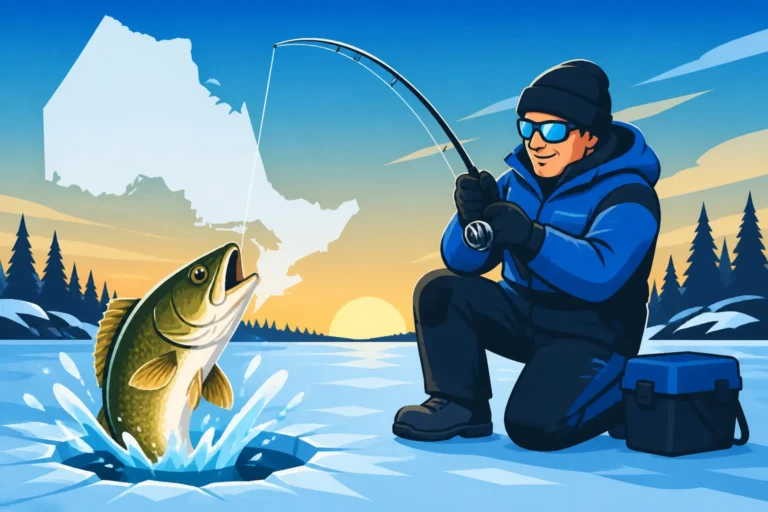
The biting cold of an Ontario winter often means our favourite open-water fishing spots are locked under a thick sheet of ice. But for those of us who love the thrill of a hard-fighting northern pike, ice fishing isn't just an alternative; it's a prime opportunity! The challenge, however, often comes down to choosing the right lure that can truly cut through the frigid water and entice a sluggish, cold-blooded predator. This comprehensive guide will walk you through everything you need to know about selecting the best jigs for winter pike, helping you turn those slow days into memorable ones.
Understanding Winter Pike Behavior Under Ice
Before we even talk about specific lures, it's crucial to understand what makes pike tick when the mercury plummets. Unlike their aggressive, summer counterparts, winter pike are often more lethargic, conserving energy in the cold water. Their metabolism slows down, meaning they might not chase a fast-moving bait with the same vigour. They tend to relate to structure, often holding tighter to weed lines, drop-offs, or submerged timber, waiting for an easy meal to pass by.
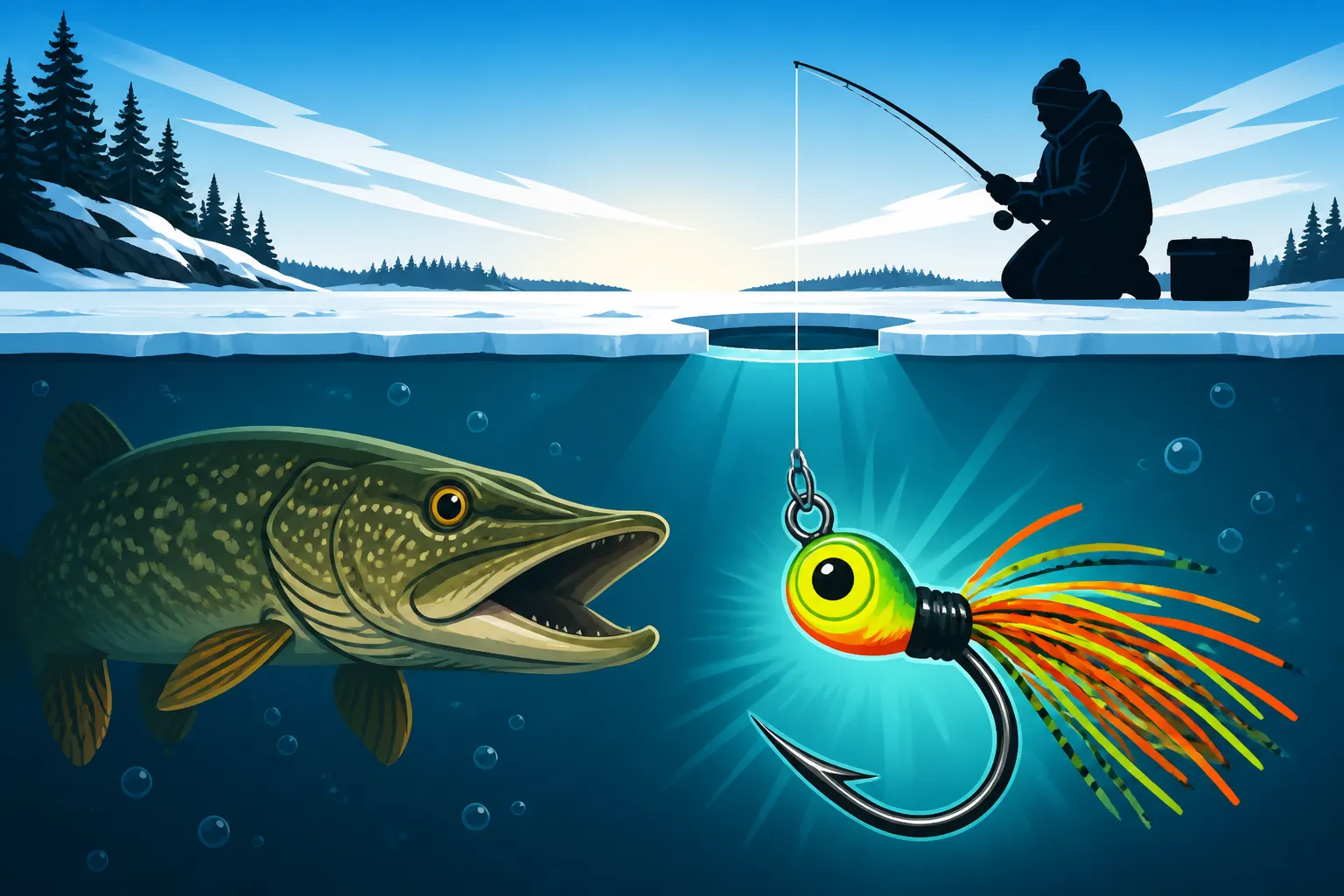
Think of it this way: a summer pike is like a teenager at an all-you-can-eat buffet, eager to grab anything and everything. A winter pike is more like a napping bear, only roused by something truly enticing and easy to catch. This means your presentation needs to be slower, more deliberate, and often more visible to trigger a strike. They're still predators, but their hunting strategy shifts from active pursuit to ambush. Knowing this helps us understand why certain jigs shine in these conditions. If you're looking for a deeper dive into their habits, exploring guides like Northern Pike Fishing in Ontario can provide additional context.
Key Characteristics of Effective Winter Pike Jigs
Not all jigs are created equal, especially when targeting pike through the ice. The best jigs for this specific pursuit share several common characteristics that make them irresistible to a cold-water northern.
Size and Weight for Deep Water Penetration
Winter pike aren't shy, and neither should your lure be. Unlike panfish, pike have large mouths and aren't intimidated by a substantial meal. Generally, jigs ranging from 1/2 ounce up to 2 ounces are excellent choices. This weight is crucial for several reasons:
- Fast Drop: When fishing in deeper water, a heavier jig gets down to the strike zone quickly. This is important when you've pinpointed fish on your sonar and want to get your bait in front of them before they move on.
- Vertical Presentation: Ice fishing is largely a vertical game. A heavier jig ensures it hangs straight down, making it easier to present effectively directly beneath your hole and keep it in the fish's cone of vision on your fish finder.
- Big Profile: A larger jig mimics a bigger baitfish, which aligns with a pike's desire for a calorie-rich meal in winter. They want to expend as little energy as possible for the biggest return.
Durable Hooks and Leaders
Pike are notorious for their razor-sharp teeth, which can make short work of inadequate tackle. Investing in jigs with strong, sharp hooks is non-negotiable. Treble hooks are often preferred for their increased hooking potential, but ensure they are robust enough to handle the fight of a 10-pound-plus pike.
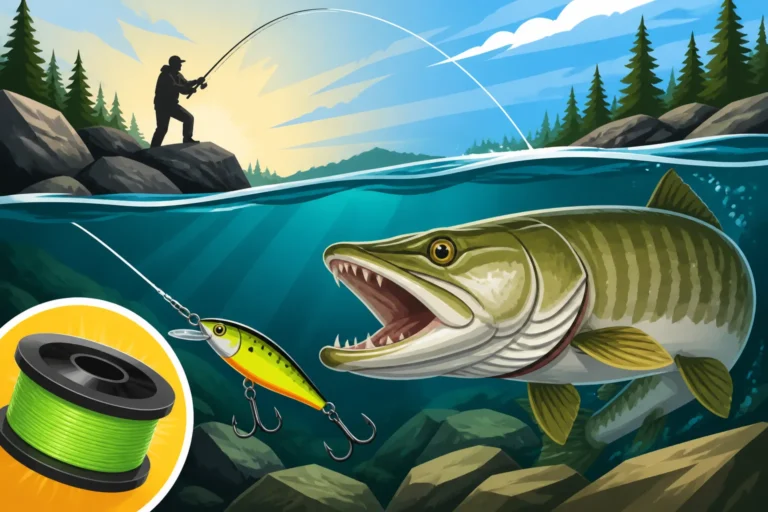
Furthermore, a proper leader is paramount. Never tie your main line directly to a pike jig. Opt for a steel leader, heavy fluorocarbon (50-80 lb test), or even titanium leader material. This isn't just about preventing bite-offs; it's about landing the fish safely and ethically. A pike's teeth can easily sever monofilament or lighter braided line, leaving your expensive jig—and worse, a hooked fish—behind. Many experienced anglers purchase pre-tied leaders, but you can also make your own. You can find a wide selection of quality leaders and other essential gear on platforms like Amazon.
Eye-Catching Colors and Action
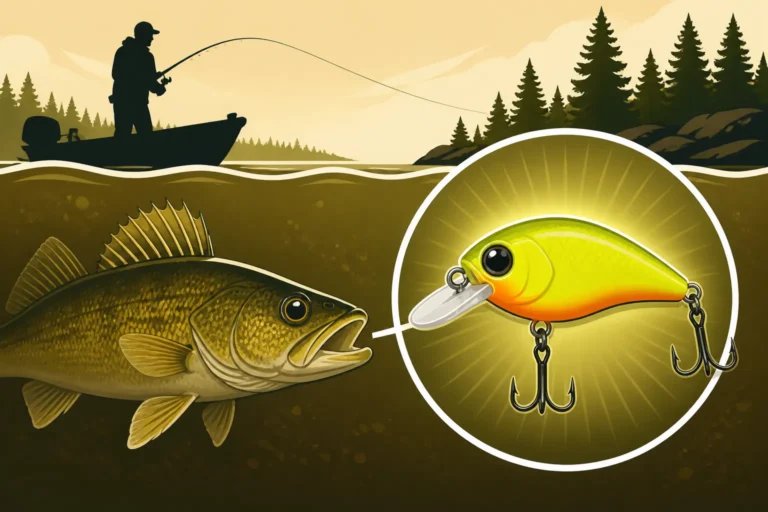
While subtle presentations are often key, pike are still drawn to visual cues. Bright, flashy colors often work best in the darker, often stained waters under ice. Chartreuse, orange, firetiger, and bright greens are perennial favorites. Metallic finishes, especially silver and gold, are also excellent for mimicking shiners or other baitfish.
The action of the jig is equally important. A good winter pike jig should:
- Flutter or Glide: On the drop, it should flutter or glide erratically, mimicking an injured baitfish.
- Vibrate or Wobble: When lifted, it should create vibration or a distinct wobble that can be felt through the rod, attracting attention from a distance.
- Suspend: Some jigs are designed to hang enticingly in the water column for a moment after a lift, giving a hesitant pike time to commit.
Top Jig Types for Ice Fishing Pike in Ontario
Now that we understand the core characteristics, let's dive into the specific types of jigs that consistently produce results for winter pike anglers in Ontario. Each type offers a unique action and presentation style, giving you options to adapt to different conditions and moods of the fish. If you're looking to upgrade your overall setup, you might want to check out Best Ice Fishing Gear for Ontario.
Jigging Spoons: The Flashy Attractors
Jigging spoons are perhaps the most classic and effective ice fishing lure, and they are absolutely deadly for pike. Their primary appeal lies in their flash and erratic flutter as they fall through the water column.
- Why they work: The reflective surface of a spoon imitates the flash of a fleeing or injured baitfish, which is a strong trigger for pike. The fluttering action on the drop can be incredibly enticing to a cruising predator. When you snap the rod tip, they dart and shimmer, then slowly rock and descend, giving pike ample time to strike.
- Popular options:
- Williams Wabler: An iconic Canadian spoon, its unique dimpled design creates a fluttering action that pike can't resist. Available in a variety of sizes and finishes (silver, gold, copper, half-and-half).
- Swedish Pimple: A robust, slender spoon that drops quickly and has a strong wiggling action. Often effective when tipped with a minnow head or a piece of smelt.
- Northland Buck-Shot Rattle Spoon: This spoon incorporates a brass rattle, adding an auditory element to its visual appeal. The noise can be a game-changer in stained water or low light conditions, calling in pike from further away.
- Slab Spoons (e.g., Johnson Silver Minnow, Kastmaster): These are heavier, more compact spoons that fall quickly and have a tight wobbling action. Great for deeper water or when pike are holding tight to bottom structure.
- Presentation Tips: A sharp snap of the wrist followed by a controlled free fall is the typical retrieve. Vary the height of your lift (from 6 inches to 3 feet) and the duration of the pause. Often, a pike will hit the spoon on the fall or just as it's settling. Tipping with a minnow head or a gulp minnow can further enhance its appeal.
Lipless Crankbaits: The Vibrating Call
Lipless crankbaits, often thought of as open-water lures, are incredibly effective under the ice, especially for more active winter pike or when you need to cover water under the hole.
- Why they work: These lures are designed to vibrate and often rattle intensely when jigged, creating both sonic and visual attraction. This loud, thumping action can draw pike in from a considerable distance, making them excellent search baits. They also tend to "swim" in wider circles under the ice, covering a broader area than a simple vertical jig.
- Popular options:
- Rapala Rippin' Rap: A highly popular choice, known for its distinct tight wobble and loud rattle. Comes in many sizes and colors, with the larger sizes (e.g., RPR07 or RPR09) being perfect for pike.
- Salmo Chubby Darter: Designed specifically for ice fishing, this lure has a unique gliding and darting action. It resembles a plump baitfish and can be retrieved with subtle lifts or aggressive snaps.
- Chubby Darter-style baits from other brands: Many companies produce similar baits, so experimenting with different rattle frequencies and sizes can pay off.
- Presentation Tips: A sharp upward snap followed by a controlled slack-line fall works well. The key is to let the bait fully "swim" on the fall. Don't be afraid to give it a hard rip to maximize its vibration and noise. Pauses are essential, allowing a curious pike to move in for the strike. Many anglers find success by letting the bait sit for 5-10 seconds after a rip, then repeating.
Blade Baits: Flash and Fury
Blade baits are compact, metal lures that offer a unique combination of flash, vibration, and a tight, rapid wobble when jigged.
- Why they work: The high-frequency vibration of a blade bait is unique and can trigger a reaction strike from even the most hesitant pike. Their compact profile allows for excellent depth control and they are very responsive to subtle rod movements. They shine when fish are holding tight to structure or when you need a lure with a lot of "thump" to cut through the water.
- Popular options:
- Heddon Sonar: A classic blade bait that has been catching fish for decades. Its robust construction and strong vibration make it a pike favourite.
- Sebile Vibrato: A more modern take on the blade bait, offering a distinct swimming action and an attractive profile.
- Rap-V Blade: Rapala's offering, combining the flash and vibration of a blade bait with Rapala's signature swimming action.
- Presentation Tips: Blade baits are often best fished with quick, sharp lifts followed by a brief pause. The goal is to generate that intense vibration. You can also experiment with shorter, more subtle jigs to keep the bait in a tighter strike zone, especially when you see pike on your Best Fish Finders for Ontario Lakes screen. They are particularly effective when targeting fish suspended off the bottom or cruising deeper weed lines.
Soft Plastics on Jig Heads: The Subtle Approach
Sometimes, when pike are finicky or heavily pressured, a more subtle approach is required. This is where soft plastics rigged on robust jig heads come into play.
- Why they work: Soft plastics offer a natural look and feel. They can be impregnated with scent, adding another layer of attraction. The soft body allows for a more natural swimming motion, even with minimal jigging, and a slower fall rate which can be crucial for cold, lethargic pike.
- Popular options:
- Tube Jigs (e.g., Bass Pro Shops XPS Walleye Tube, Kalin's Sizmic Tube): While often used for bass, larger tube jigs (3-5 inches) with heavy lead heads are fantastic for pike. The tentacles provide a subtle, lifelike action, even when the bait is barely moving. Often tipped with a minnow.
- Paddletail Swimbaits (e.g., Keitech Swing Impact FAT, KVD Swim N' Caffeine Shad): Rigged on a heavy jig head, these plastics offer a realistic baitfish profile and a thumping tail action on the retrieve. Great for mimicking larger shiners or perch.
- Grub Tails: Large single or double grub tails can be deadly, especially in vibrant colours like chartreuse or orange.
- Presentation Tips: The key with soft plastics is often a slower, more methodical presentation. Light lifts, subtle shakes, and long pauses are effective. Let the plastic's natural buoyancy and movement do the work. Tipping these with a live minnow or even a dead one can increase effectiveness, making it an irresistible, easy meal. You can find a wide variety of these plastics and jig heads on Amazon, making it easy to experiment with different sizes and colors.
Rigging and Presentation Techniques for Success
Having the best jig in your tackle box is only half the battle. Knowing how to rig it correctly and present it effectively under the ice will dramatically increase your chances of success.
Gearing Up for the Fight
When chasing winter pike, your gear needs to be up to the task. Forget the ultralight panfish setups; you need something that can handle a powerful fish in cold conditions.
- Rod and Reel: Opt for a medium-heavy to heavy power ice fishing rod, typically 36-48 inches long. These rods have the backbone to set the hook firmly and muscle a large pike out of the hole, but also a sensitive tip to detect subtle bites. Pair it with a sturdy spinning reel (size 2500-4000) or a low-profile baitcasting reel, spooled with 20-30 lb braided line. Braided line has no stretch, offering excellent sensitivity for feeling those light bites through the ice.
- Leader Material: As mentioned, a leader is non-negotiable. Use a 9-12 inch steel, heavy fluorocarbon (50-80 lb test), or titanium leader. While fluorocarbon offers stealth, steel or titanium are more bite-proof. Given the aggressive nature of pike, sacrificing a tiny bit of stealth for bite-proof security is often worth it.
- Bait Additions: Often, tipping your jig with a live minnow, a dead smelt, or even a piece of cut bait (like a minnow head or tail) can significantly boost your success. The scent and natural action can be the final trigger for a hesitant pike. When considering your overall setup for the season, remember that even small details, like your line choices, can make a huge difference, as discussed in Best Line Weight for Muskie Fishing, which offers relevant insights for pike too.
Locating Winter Pike
Finding pike under the ice involves understanding their winter habitat preferences. They are often found:
- Along Weed Lines: Even under ice, green weeds continue to produce oxygen and hold baitfish. Pike will patrol these edges.
- Near Drop-offs: Where shallow flats meet deeper water, pike will ambush baitfish moving between these zones.
- Around Submerged Structure: Logs, rock piles, humps, or old cribs provide excellent ambush points.
- In Bays and Shallow Flats: Especially in early and late winter, pike will move into shallower, warmer water in protected bays.
A quality Best Fish Finders for Ontario Lakes unit, like a Vexilar or Humminbird flasher, is indispensable for locating fish and understanding their behaviour. It allows you to see your lure, any approaching fish, and their reaction to your presentation in real-time.
Jigging Techniques
The key to enticing winter pike is to vary your retrieve until you find what they want on a given day.
- Aggressive Snaps: Start by giving your jig several sharp, 1-3 foot snaps upwards, letting it fall back on a controlled slack line. This creates a lot of flash and vibration, acting as a "call" to draw fish in.
- Subtle Lifts and Falls: Once a pike shows interest on your flasher, switch to more subtle lifts, perhaps only 6-12 inches, followed by pauses of 5-15 seconds. Let the lure's natural action do the work.
- Dead Sticking: Sometimes, the most effective retrieve is no retrieve at all. After a few lifts, let the jig sit perfectly still for an extended period (up to a minute or two). This mimics a dying baitfish, an easy meal a sluggish pike might not be able to resist. Tipping with a minnow is especially effective for this technique.
- Flutter on the Fall: Pay close attention to strikes on the fall. Pike will often hit a jig as it flutters down. If you notice your line goes slack prematurely or twitches, set the hook immediately!
- Hovering: If pike are suspended at a certain depth, try to keep your jig just above them, twitching it gently. Sometimes, making them look up for the bait triggers a predatory instinct.
Table: Common Winter Pike Jig Types and Their Primary Actions
| Jig Type | Primary Action | Best for Conditions | Common Sizes | Bait Tipping? |
|---|---|---|---|---|
| Jigging Spoons | Flash & Flutter | Active pike, good visibility, attracting fish from distance | 1/2 oz – 2 oz | Recommended |
| Lipless Crankbaits | Vibration & Rattle | Covering water, calling fish in, aggressive pike | 1/2 oz – 1.5 oz | Optional |
| Blade Baits | High-Freq. Vibration | Triggering reaction strikes, deeper water, precise depth | 1/2 oz – 1.5 oz | Optional |
| Soft Plastics | Subtle, Natural Wiggle | Finicky pike, slower presentations, scent appeal | 3" – 6" (on heavy jig) | Recommended |
Remember, knowing your ice safety is crucial before heading out. Always consult guides like How thick ice needs to be to fish safely in Ontario and be aware of conditions. If you're planning a trip to a specific area, resources like Ontario Northern Pike Winter Season in FMZ 20 can offer zone-specific season dates, ensuring you're fishing legally and effectively.
Advanced Tips for Maximizing Your Winter Pike Success
Beyond the basic jigging techniques, a few advanced considerations can elevate your ice fishing game for pike.
Hole Placement and Multiple Lines
In Ontario, anglers are often allowed to use two lines while ice fishing. This is a huge advantage when targeting pike.
- "Search" and "Set" Strategy: Drill several holes in a pattern, perhaps along a weed edge or over a drop-off. Use your first line to actively jig with a flashy spoon or lipless crankbait, moving between holes until you mark fish. Once you find them, drop a second line with a dead stick setup – a heavy jig or a large minnow under a tip-up – in a hole nearby. This allows you to aggressively search for fish with one line while offering an easy, passive meal with the other.
- Hole Size: Pike have big heads. While a 6-inch auger might suffice for panfish, an 8-inch or even 10-inch hole is highly recommended for pike, especially if you anticipate landing trophy fish. This makes landing easier and reduces the chance of losing a fish at the hole. If you're looking for more info on the tools, Best Ice Auger for Ontario Lakes offers some great advice.
- Spacing: If you're using multiple lines, spread your holes out a bit. Sometimes a pike will be attracted to the commotion of your jigging, but will hit a more passive bait a few feet away.
Adapting to Weather and Light Conditions
Winter weather can be unpredictable, and savvy anglers learn to adjust their tactics.
- Sunny Days: On bright, sunny days, especially over clear ice, pike can be more wary. Opt for more natural baitfish colours (silver, perch patterns) and slower, more subtle jigging motions. Early morning and late afternoon will often be the most productive times.
- Cloudy Days: Overcast conditions can sometimes spur a more aggressive bite. The diffused light makes brighter, more fluorescent colours (chartreuse, firetiger) stand out well.
- Low Light/Night Fishing: While not as common for pike as for walleye, pike can be active in low light. Jigs with glow-in-the-dark features or loud rattles can be effective after dark, drawing fish in when visibility is low.
The Importance of Patience
Winter pike fishing can sometimes be a grind. There will be days when the bite is slow, and you might sit for hours without much action. Patience is a virtue here. Keep varying your jigging patterns, changing depths, and trying different lures. Don't be afraid to move if you're not marking fish for an extended period. Sometimes, a move of just 50 feet can put you right on a school of baitfish or a holding pike.
Remember, the goal is to make it as easy as possible for a lethargic pike to decide your jig is worth the energy. A combination of the right jig, effective presentation, and a good understanding of winter pike behaviour will set you up for success on Ontario's frozen lakes. And when you do hook into one of these toothy critters, get ready for a battle – it's what makes winter pike fishing so incredibly rewarding!
Disclaimer
Fishing regulations, including license requirements, season dates, and catch limits, can change. Always consult the most current Ontario Fishing Regulations Summary before heading out on the water. This guide is for informational purposes only and does not supersede official government regulations.