Best dry fly patterns for summer trout hatches
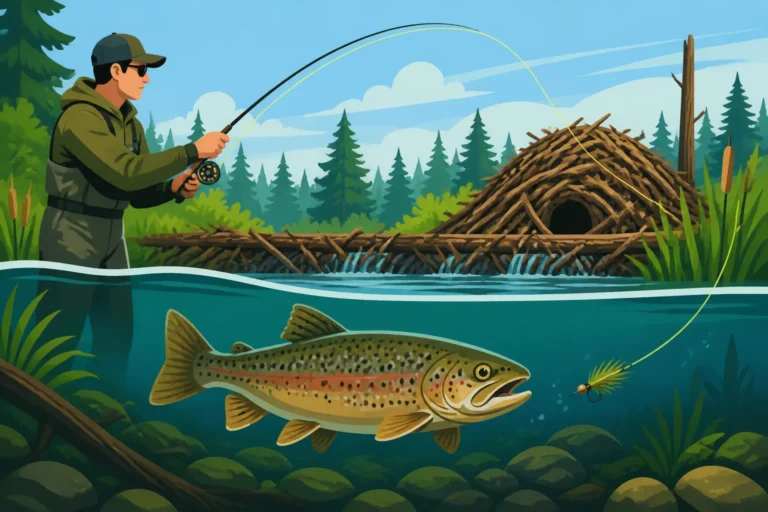
Summer in Ontario means longer days, warmer waters, and for the dry fly angler, a whole new challenge. While the early season can be about big streamers and nymphs, by the time July rolls around, trout often become incredibly selective, keying in on specific insect hatches. It can be incredibly frustrating to see fish rising everywhere but refusing everything you throw at them. This guide is here to help you crack the code, revealing the best dry fly patterns that consistently fool Ontario's trout during the vibrant, sometimes maddening, summer hatch season.
Understanding Summer Hatches in Ontario
As the calendar flips to summer, the aquatic insect world in Ontario's trout streams and rivers undergoes a significant shift. The colder, higher water of spring gives way to lower flows and increased temperatures, which triggers different species of insects to emerge. Understanding these changes is paramount to successful dry fly fishing.
Why Summer Hatches Are Unique
Summer hatches in Ontario bring a blend of excitement and exasperation. On one hand, you're blessed with abundant insect life, often seeing multiple species emerging throughout the day. Trout, in turn, become very active, frequently rising to the surface to feast. This is the dream scenario for a dry fly enthusiast!
However, this abundance also leads to intense selective feeding. Trout, especially larger, more experienced ones, get incredibly picky. If your fly isn't the right size, color, or even riding correctly on the water's surface, they'll simply ignore it. It’s like trying to offer a gourmet diner a fast-food burger – they know what they want, and they’re not settling for anything less. The warmer water also makes trout a bit more lethargic and easily spooked, requiring more delicate presentations and longer leaders. This is where truly mastering the art of "matching the hatch" becomes less of an optional strategy and more of a mandatory requirement for success.
Key Insect Hatches to Watch For
Ontario's diverse waters, from the spring creeks of Southern Ontario to the wild rivers of the Canadian Shield, host a variety of insect hatches throughout the summer months. Knowing what to expect is half the battle.
-
Mayflies: While some larger mayfly species like Hendrickson's are spring regulars, summer sees a proliferation of smaller to medium-sized mayflies.
- Sulphurs (Ephemerella invaria/dorothea): These are perhaps the quintessential summer mayfly. They're typically a creamy yellow to light orange color and can hatch in huge numbers, especially in the evenings. Look for them on slower runs and riffles.
- Light Cahills (Stenacron interpunctatum): Another pale yellow to cream-colored mayfly, often emerging from late afternoon into the evening. They're a staple on many of Ontario's Best Fly Fishing Rivers in Ontario.
- Tricos (Tricorythodes spp.): These tiny black-and-white mayflies are famous for their morning spinner falls. The hatch itself is often overlooked due to their small size, but the spinner fall can drive trout into a frenzy, even if the insects are minuscule.
- Hexagenia (Hex): The "super-sized" mayfly! These huge, yellowish-tan mayflies hatch primarily at dusk on slow-moving rivers and lakes, creating explosive rises from trophy trout. While not everywhere, if you find a "Hex" hatch, you're in for a treat.
-
Caddisflies: These fluttering insects are present year-round, but summer brings a wide array of species, often hatching throughout the day.
- Hydropsyche, Brachycentrus, Rhyacophila: These are common genera of caddisflies, varying in size from small to medium and colors from olive to tan to dark grey. They have a distinctive jerky flight and lay their eggs by dipping to the water's surface.
-
Stoneflies: While the really big salmonflies and golden stones are more common out West, Ontario has its share of smaller stonefly species, particularly in faster, oxygenated waters. These are less common as a "hatch" for trout to key on specifically but can be important as an opportunistic meal.
-
Midges (Chironomidae): Don't underestimate the tiny midges! These mosquito-like insects are present every single day, all year, including summer. They often hatch in dense clouds, and trout can feed on them relentlessly, especially during lulls between larger hatches or on calmer sections of water.
-
Terrestrials: While not an aquatic hatch, summer is prime time for terrestrials. Grasshoppers, crickets, ants, and beetles are constantly falling into the water from streamside vegetation. Trout will readily abandon tiny mayflies for a juicy hopper or ant. This is especially true on windy days or when fishing near grassy banks, making them an important part of your summer fly box, complementing your primary Fly Patterns for Ontario Trout Streams.
Essential Dry Fly Patterns for Ontario Summer Trout
Now that we know what they're eating, let's talk about how to imitate it. Your fly box for summer needs to be versatile, covering the primary insect groups and offering options for selective trout.
Mayfly Imitations
Mayflies are often the most elegant insects, and their imitations need to be equally delicate in presentation.
Light Cahill
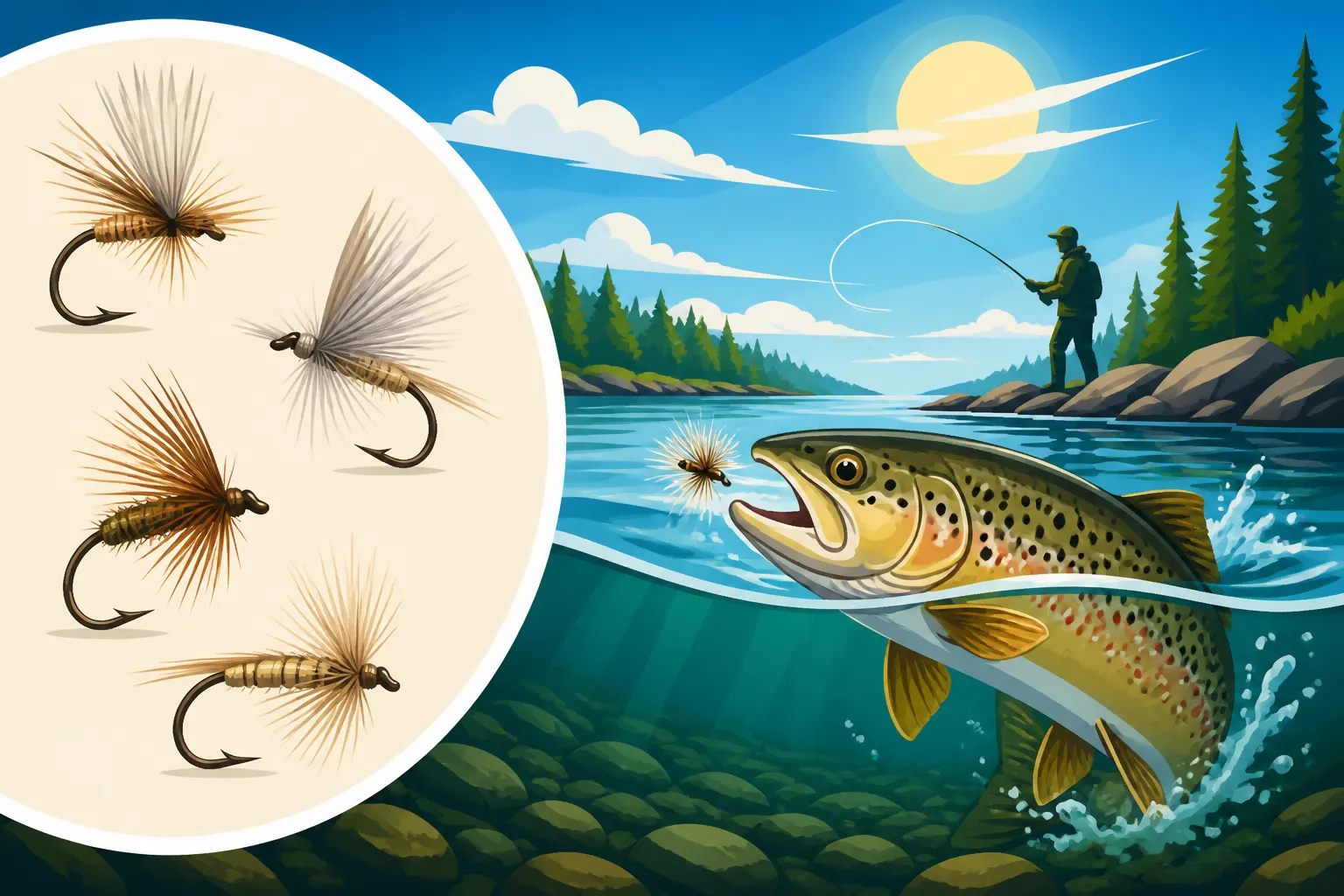
This pattern, named for the Light Cahill mayfly, is a workhorse throughout the summer. Its creamy-yellow body and upright wings make it an excellent imitation for a range of pale-bodied mayflies. Tie it in sizes #12-18. When you see trout rising steadily and suspect a pale mayfly, the Light Cahill is your first choice. It floats well and is generally quite visible on the water, making it a good "searcher" pattern. For example, on the Credit River, if you're seeing creamy-yellow insects drifting, a Light Cahill in a #14 or #16 will often get snatched up. Many anglers keep a variety of these in their fly box, often sourced quickly from online retailers like Amazon before a big trip.
Sulphur Comparadun/Dun
Sulphurs are a prominent mayfly hatch in many Ontario rivers, particularly in late spring and early summer, extending into the warmer months. The Comparadun style, with its sparse deer hair wing, offers a realistic low-riding profile that often convinces even the most finicky trout. Tie these in sizes #14-18, focusing on a pale yellow to light orange body. The duns ride upright, while the comparadun offers a slightly more "crippled" or recently emerged profile. If you're on a productive stream like the Grand River during a sulphur hatch, having both dun and comparadun options can make all the difference. Trout will often key in on the specific stage of the hatch, so observing if they're taking emerging adults or fully-hatched duns is crucial.
Blue-Winged Olive (BWO) (Smaller Sizes)
While BWOs are typically a spring and fall staple, smaller variations can hatch during cooler summer days or in shaded sections of rivers. These diminutive mayflies are usually olive or grey-bodied with slate-grey wings. Keep some BWOs in sizes #18-22 in your box. They're especially effective on overcast days when other hatches might be sparse. You might not see a huge BWO "hatch" in mid-summer, but individual insects are always around, and smaller trout, in particular, will pick them off. It's an important pattern to have for the unexpected, especially if you're fishing a longer stretch of water that might include varied microclimates.
Trico Spinner
The Trico mayfly is tiny, often #20-26, and its spinner fall (when spent adults fall back to the water after mating) occurs in the early morning, usually from dawn until mid-morning. Trout can become absolutely fixated on these tiny, spent insects, requiring pinpoint casts and delicate presentations. The Trico spinner pattern typically has a black body and splayed white wings, mimicking the "spent" look. If you arrive at the river at sunrise and see subtle, sipping rises in flat, calm water, chances are it's a Trico spinner fall. This is a game of finesse, demanding light tippets and stealth. You can often find specialty small fly patterns like these readily available on Amazon.
Hexagenia (Hex) Imitations
The "Hex" hatch is legendary among fly anglers for the sheer size of the insect and the massive trout it brings to the surface. These giant mayflies (sizes #6-10) typically hatch on slow-moving rivers and shallow lake bays from late June to mid-July, usually at dusk and into the night. An imitation should have a prominent yellow or tan body and large, often mottled, wings. Fishing a Hex hatch is an experience unto itself, often requiring heavier tippets to handle the potential monster fish that will take this big meal. While you might not carry a huge number of them, having a few in your specialty box for those rare opportunities is essential.
Caddisfly Imitations
Caddisflies are the scrappy, less delicate cousins of mayflies, often fluttering erratically on the water. Their imitations tend to be more robust.
Elk Hair Caddis
If there's one dry fly you absolutely must have in your summer box, it's the Elk Hair Caddis. This pattern is incredibly versatile, floats like a cork, and can imitate a huge range of caddis species. Tie it in sizes #10-18, and carry various colors like tan, olive, and grey. Its buoyant nature makes it perfect for choppy water or as an indicator for a small nymph dropper. You can skate it, twitch it, or dead-drift it, and it will catch fish. It’s an essential part of any Best Gear for Ontario Trout Fishing list. Many beginners start with this pattern, and experienced anglers rarely leave home without it.
Goddard Caddis
For those times when the water is really broken or fast, and you need a fly that absolutely refuses to sink, the Goddard Caddis is your friend. It's tied with a dense spun deer hair body and wing, making it exceptionally buoyant. It can be a fantastic choice for fishing fast riffles or pocket water where a delicate presentation is less critical than keeping the fly on the surface. While the Elk Hair Caddis is often sufficient, the Goddard is a great specialized tool for specific high-water or turbulent conditions.
X-Caddis
Sometimes, trout are not taking fully emerged caddis but rather the ones struggling in the surface film. The X-Caddis is designed to imitate this emerging or crippled caddisfly. Its trailing shuck (often Z-lon or similar synthetic material) perfectly mimics the shuck of an emerging insect. This low-riding profile can be deadly when trout are being picky about their caddis. If you're seeing caddis on the water and trout are rising but ignoring your Elk Hair Caddis, switch to an X-Caddis in the same size and color – it often makes all the difference.
Terrestrial and Attractor Patterns
Don't forget the land-dwelling insects! Summer winds and streamside vegetation mean a constant supply of terrestrials falling into the water.
Griffith's Gnat
While technically an imitation of a midge cluster, the Griffith's Gnat is such a universal attractor and emerger pattern that it deserves a spot in any summer box. Tied simply with peacock herl and grizzly hackle, it's effective in sizes #16-22. When you see trout rising to tiny, almost invisible insects, or if you're just not sure what they're eating, a Griffith's Gnat is often a reliable "confidence fly." It can effectively represent a cluster of midges, a tiny beetle, or even a small mayfly dun.
Hopper Patterns
Late summer, especially in August and into September, is prime time for hopper fishing. These large, leggy grasshoppers provide a substantial meal for trout, often eliciting aggressive strikes. Patterns like Dave's Hopper, Charlie Boy Hopper, or Morrish Hopper, in sizes #8-14, are fantastic. Fish them along grassy banks, under overhanging vegetation, or even skated across faster runs. The key is to imitate the "plop" of a grasshopper falling into the water, which can trigger an instinctual strike. This is often an excellent tactic for targeting larger trout that are looking for a bigger payoff than tiny mayflies.
Ant Patterns (Cinnamon Ant, Black Ant)
Ants are another critical terrestrial, present throughout the summer. They're a common food source for trout, especially during warm, dry periods when ants might be more active near the water. Carry both black and cinnamon-colored ant patterns in sizes #14-20. Trout often take ants very subtly, with a quiet sip. If you're having trouble figuring out what fish are eating, an ant pattern presented delicately can often surprise you. They don't have a distinct "hatch" but are a constant, reliable food source.
Parachute Adams
The Parachute Adams isn't designed to imitate one specific insect but rather to be a generalist, mimicking a wide range of mayflies, midges, and even some caddis. Its parachute hackle provides a realistic low-riding profile and makes it incredibly visible to the angler. It's a fantastic searcher pattern and often a great choice when trout are rising, but you can't quite identify the specific hatch. Carry these in various sizes from #12-20. It's often the first fly many anglers tie on when they hit the water, especially in unfamiliar territory.
Matching the Hatch: Tips and Strategies
Having the right flies is just the beginning. How you use them makes all the difference when those Ontario trout get picky.
Observation is Key
Before you even make your first cast, take the time to watch the water. Seriously, spend 10-15 minutes just observing. What's actually hatching? What size are the insects? What color are they? Are they flying low to the water or fluttering high? More importantly, how are the trout rising? Are they gulping, indicating a larger emerger or dun? Or are they making subtle sips, perhaps taking tiny spinners or midges? A ring of a rise form with no splash usually points to a dry fly, but a gentle "slurp" often suggests an emerger or a very delicate spinner.
Consider carrying a small magnifying glass or even a fine-mesh net to capture a few of the natural insects. This can help you confirm size and color, which are critical when choosing from your fly box. This careful observation is particularly important during Ontario Fishing Seasons by Zone and Month, as hatches can vary wildly.
Presentation Matters
Even with the perfect fly, a poor presentation will guarantee refusal. Summer trout, especially in clear, low water conditions, are incredibly wary.
- Drag-Free Drifts: This is the golden rule of dry fly fishing. Your fly must float naturally, at the same speed as the current, without any drag from your line or leader. Casting upstream and incorporating a series of upstream or downstream mends can help achieve this. Any unnatural pull on the fly will send trout scurrying.
- Accuracy: Putting the fly exactly where the fish are rising is crucial. This often means casting to the edge of a seam, next to a submerged log, or directly into a current lane.
- Leader and Tippet: Summer typically calls for longer leaders (9-12 feet) and finer tippets (5X-7X, sometimes even 8X for tiny flies) to ensure stealth and a natural drift. The fine tippet breaks up the "sight line" of the line on the water, making it less visible to the trout. Learning Wading Techniques for Ontario Trout Streams effectively can also help you get into a better casting position for these delicate presentations.
When to Switch Tactics
Sometimes, even with meticulous observation and perfect presentation, trout will refuse your dry fly. Don't be afraid to change.
- Size First, Then Color, Then Pattern: If a fish refuses, first try going down a size. If they still refuse, try a slightly different shade of the same insect (e.g., a darker sulphur). Only then should you switch to a completely different pattern.
- Emergers and Cripples: Often, trout aren't taking fully emerged adults but rather insects struggling to break through the surface film (emergers) or those that have emerged but are crippled. Patterns like the Comparadun, CDC & Elk, or even a wet fly swung just below the surface can be incredibly effective when trout are being particularly selective.
- Nymph Droppers: If dry fly action slows or you're simply not seeing consistent rises, don't hesitate to tie on a small nymph (like a Pheasant Tail or Hare's Ear) about 12-18 inches below your dry fly. Your dry fly then acts as both an indicator and an occasional bonus. This can be deadly when trout are feeding just below the surface but will still rise occasionally. This hybrid approach often saves a slow fishing day.
Gear Considerations for Summer Dry Fly Fishing
Having the right equipment complements your fly selection and technique, making for a more enjoyable and successful day on the water.
Rods, Reels, and Lines
For delicate dry fly presentations on Ontario's summer trout streams, lighter tackle is generally preferred.
- Rods: A 3 or 4-weight rod, typically 7.5 to 9 feet in length, is ideal. These lighter rods allow for delicate casts, protect fine tippets, and make even smaller trout feel like a respectable fight. While a 5-weight can be a versatile all-rounder, the lighter rods shine in true dry fly scenarios. Check out specific recommendations in our guide on Best Fly Rods for Ontario Trout Streams.
- Reels: A simple, lightweight fly reel that balances your rod is all you need. The reel's primary purpose for dry fly fishing is to hold your line and provide a smooth drag for fighting larger fish.
- Lines: A weight-forward floating fly line is essential. Look for lines designed for delicate presentations, often with a longer, finer front taper, which helps in turning over long leaders smoothly.
- Leaders and Tippet: As mentioned, a 9-12 foot tapered leader with a 5X-7X fluorocarbon or monofilament tippet is crucial. Fluorocarbon is less visible in water but can be stiffer, while monofilament offers more suppleness. Many anglers also carry a tippet spool holder, making it easy to change sizes on the fly.
Must-Have Accessories
Beyond the basics, a few key accessories will significantly improve your summer dry fly experience.
- Floatant: This is non-negotiable. Gels, powders, or pastes all work to keep your dry flies riding high. Brands like Loon Outdoors Aquel or Gink are popular choices. A good floatant ensures your fly remains visible and enticing to the trout. You can often find a wide selection of floatants and other accessories on Amazon, making it easy to stock up.
- Forceps/Hemostats: Essential for safely removing hooks from trout without damaging the fish, especially when using smaller flies. Look for models with a curved tip for easier access.
- Nippers/Line Clippers: For quickly and cleanly cutting leader and tippet. Retractors are great for keeping them handy on your vest or pack.
- Small Fly Box: A compact, waterproof fly box dedicated to your summer dry fly patterns keeps them organized and protected. You'll want compartments or foam inserts that don't crush delicate wings.
- Polarized Sunglasses: These are not just for eye protection; they cut glare on the water, allowing you to see rising fish, subtle takes, and even submerged structure much more clearly. They are a game-changer for sight fishing, which is often crucial for Dry Fly Fishing Ontario Rivers.
- Wading Staff: For safely navigating slippery riverbeds and uneven terrain, especially in unknown waters or when learning Wading Techniques for Ontario Trout Streams.
Summer Hatch and Dry Fly Pattern Quick Reference
Here's a handy table summarizing some key summer hatches you might encounter in Ontario and the reliable dry fly patterns to match them:
| Hatch/Insect Type | Common Sizes | Color Notes | Recommended Dry Fly Patterns | Peak Time & Notes |
|---|---|---|---|---|
| Sulphur Mayfly | #14 – #18 | Pale yellow, creamy orange | Sulphur Dun, Sulphur Comparadun, Pale Evening Dun | Late afternoon/evening. Trout can be very selective. |
| Light Cahill | #12 – #18 | Creamy yellow, tan | Light Cahill, March Brown (similar profile, slightly darker) | Late afternoon/evening. Great all-rounder. |
| Trico Mayfly | #20 – #26 | Black body, white wings (spinner) | Trico Spinner | Early morning spinner falls (dawn to 10 AM). Delicate sips. |
| Hexagenia (Hex) | #6 – #10 | Large, yellowish-tan, mottled | Hexagenia Dun, Hex Wiggle Nymph (as an emerger) | Dusk/night on slow water, usually late June – mid-July. Big fish! |
| Caddisfly (General) | #10 – #18 | Tan, olive, grey, dark brown | Elk Hair Caddis, Goddard Caddis, X-Caddis, Picket Pin Caddis | Throughout the day, often more active in afternoon/evening. Fussy rise, skittering. |
| Midges/Clusters | #18 – #26 | Black, grey, olive | Griffith's Gnat, Spent Midge, Small Parachute Adams | All day, every day. Subtle sips, often in calm water. |
| Grasshoppers | #8 – #14 | Tan, yellow, olive, green | Dave's Hopper, Charlie Boy Hopper, Morrish Hopper | Late summer (July-Sept), windy days, near grassy banks. Aggressive takes. |
| Ants | #14 – #20 | Black, cinnamon brown | Black Ant, Cinnamon Ant, Foam Ant | All summer, especially hot days. Quiet, subtle rises. |
| General Attractor | #12 – #18 | Various (often grey, dun, brown) | Parachute Adams, Royal Wulff | When specific hatch is unknown, or as a searching pattern. Great visibility. |
Fishing during summer hatches in Ontario is a truly rewarding experience, offering some of the most technical and exciting dry fly action of the year. With the right patterns, keen observation, and careful presentation, you'll be well on your way to fooling those selective trout. Remember to check local Ontario Fishing Regulations Explained and specific zone rules, as well as the Ontario Fishing License Guide for 2026, before heading out!
Disclaimer
The information provided in this guide is for general informational purposes only and is not intended as legal or professional advice. Fishing regulations, seasons, and conditions can change rapidly. Always consult the official Ontario fishing regulations summary and local authorities before planning any fishing trip. Adherence to safety practices and responsible angling is paramount.