Best drop shot rig for Ontario smallmouth
For many Ontario anglers, there's nothing quite like the thrill of a smallmouth bass fight – they're notoriously aggressive, powerful, and incredibly fun to catch. But sometimes, especially when they're pressured or the bite gets tough, those bronze bombers can become frustratingly finicky. This guide is all about cutting through that frustration by diving deep into the best drop shot rig for Ontario smallmouth, ensuring you're equipped to land more of these fantastic fish, even on the toughest days.
Why the Drop Shot Reigns Supreme for Ontario Smallmouth
Let's be honest, we've all been there: you're out on the water, you're seeing smallmouth on the sonar, but they just won't commit to your traditional baits. Maybe they're suspended, maybe they're glued to the bottom in deep water, or maybe they've just seen every crankbait and jig under the sun. This is precisely where the drop shot rig truly shines, offering a finesse approach that often coaxes bites when nothing else will. It’s not just another technique; it’s a strategic advantage in the diverse and often challenging waters of Ontario.
Understanding Smallmouth Behavior in Ontario Waters
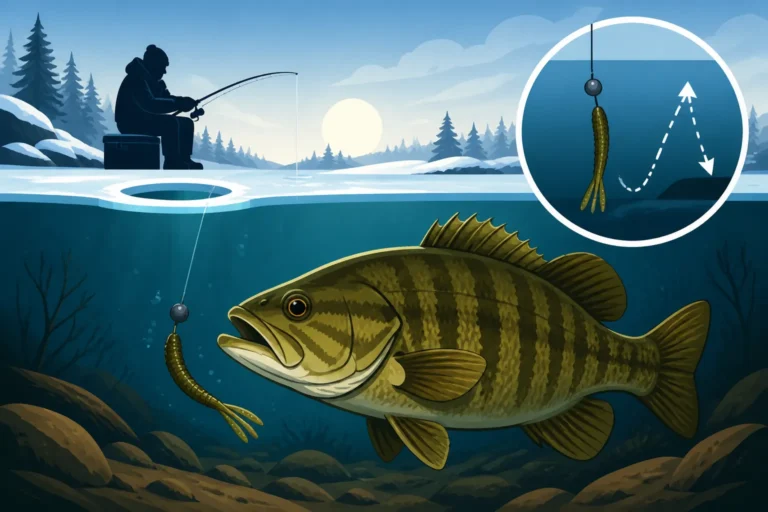
Ontario's smallmouth bass are highly adaptable, but they certainly have their preferences and predictable patterns that the drop shot exploits. These fish love structure – think rocky points, submerged humps, gravel flats, and even subtle changes in bottom composition. They're also very visually oriented, often suspending in the water column to ambush baitfish, or cruising rocky edges looking for crayfish. In clear, cold waters, which are common in many of our best smallmouth lakes, they can be incredibly wary. A loud, splashy presentation might spook them, but a subtle, naturally presented drop shot often triggers a predatory response without alerting them to your presence. The ability to keep your bait suspended in their strike zone, imparting minimal, lifelike action, is precisely why the drop shot is such a consistent producer, especially when conditions are tough or fishing pressure is high. It mimics a dying baitfish or a foraging creature without the weight of a jig dragging it down prematurely.
Key Advantages Over Other Finesse Techniques
While other finesse techniques like a shaky head or a Ned rig certainly have their place, the drop shot offers some distinct advantages for Ontario smallmouth. The primary benefit is its unique ability to present your bait off the bottom, directly in the fish's face, for extended periods. This is a game-changer when smallmouth are suspended or hugging specific structures. With a jig, your bait is always on the bottom (or moving towards it). With a drop shot, you can set your weight on the bottom, feel the subtle contours, and keep your bait dancing a foot or two above it, making it irresistible. This also means fewer snags in rocky terrain, as your weight can get wedged, but your hook and bait are elevated, reducing the chance of losing your lure. Furthermore, the drop shot allows for incredibly subtle, twitching actions with minimal rod movement, mimicking natural prey movements. This nuanced presentation is often what separates a successful day from a frustrating one, especially when you're targeting pressured fish in clear water or exploring deeper haunts like those found in the Bay of Quinte.
Anatomy of the Perfect Ontario Smallmouth Drop Shot Rig
Building the right drop shot rig isn't rocket science, but paying attention to the details makes all the difference. Every component, from your rod to your hook, plays a role in how effectively you present your bait and, ultimately, how many smallmouth you bring to the boat. Forget a one-size-fits-all approach; for Ontario smallmouth, precision is paramount.
Rod, Reel, and Line Selection
The foundation of any good drop shot rig starts with your rod, reel, and line. For Ontario smallmouth, you'll want a spinning setup, as it offers the sensitivity and light line management necessary for this finesse technique.
- Rod: Look for a spinning rod in the 6'6" to 7'6" range with a light to medium-light power and a fast or extra-fast action. The fast tip allows you to impart subtle action to your bait and detect the lightest bites, while the backbone provides enough power to handle a feisty smallmouth in open water or near cover. A longer rod also aids in casting lighter weights and managing line, especially important when fishing from shore or a kayak. When searching for the Best Fishing Rods for Ontario Lakes, prioritize sensitivity and a soft tip.
- Reel: A high-quality spinning reel in the 1000 to 2500 size range is ideal. Smooth drag, lightweight construction, and good line management are crucial. You'll be making many casts and retrieving slowly, so comfort and reliability are key.
- Line: This is where many anglers make mistakes. The best setup for a drop shot rig is typically a braided main line with a fluorocarbon leader.
- Braided Main Line: Opt for 6-10 lb test braided line. It offers incredible sensitivity, zero stretch, and excellent casting distance. The lack of stretch means you'll feel every tap and rock, translating into more hookups.
- Fluorocarbon Leader: Tie on a 6-10 lb test fluorocarbon leader, usually 8-15 feet long. Fluorocarbon is nearly invisible underwater, which is a huge advantage in Ontario's clear lakes and rivers, and it provides a bit of abrasion resistance. When considering the Best Fluorocarbon Line for Clear Lake Water, look for high-quality, supple options that tie good knots. The length of the leader is important; a longer leader reduces visibility and offers more give than directly tying fluorocarbon to your bait.
Hooks, Weights, and Leaders
These small components make a huge difference in how your bait behaves and how many fish you successfully land.
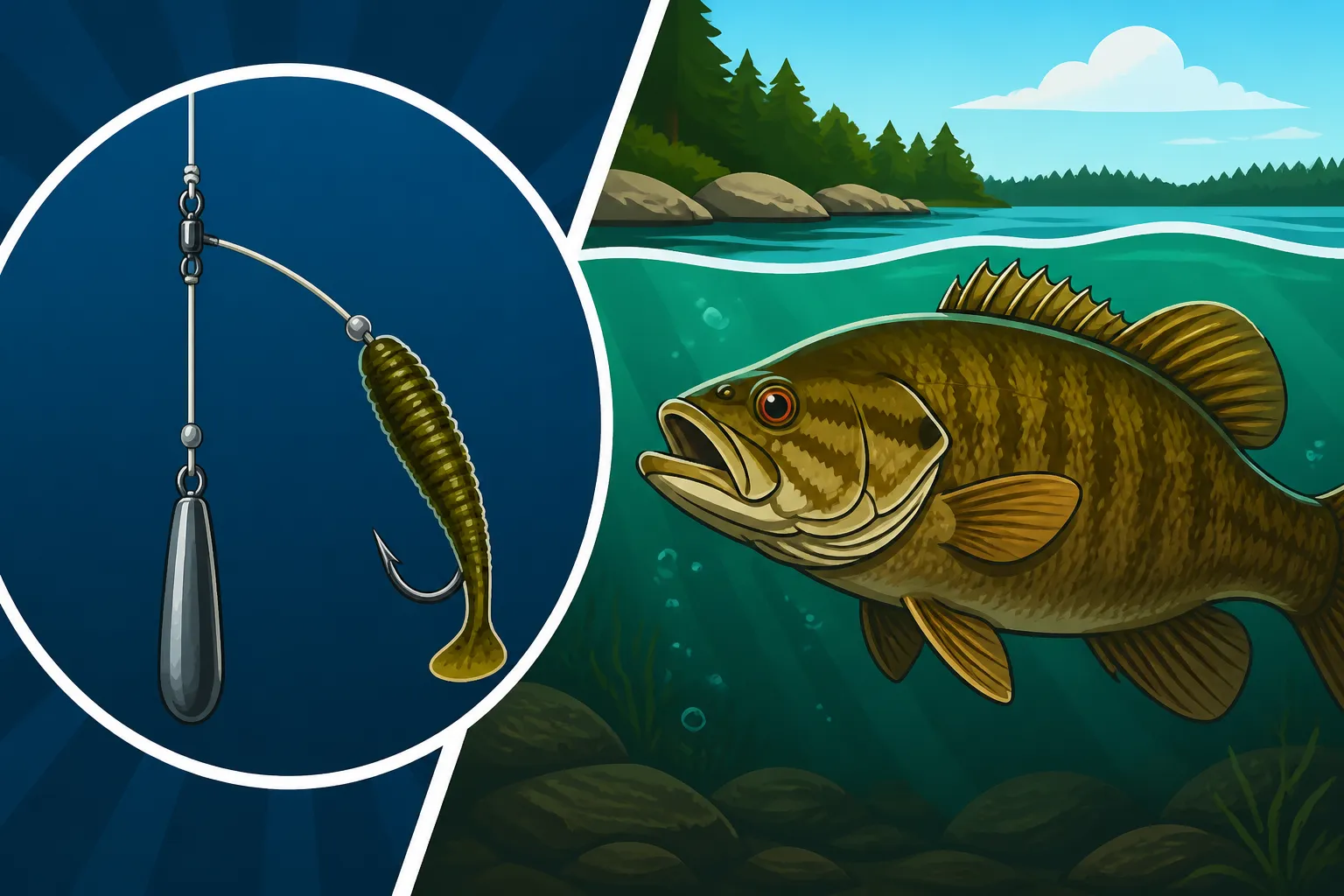
- Hooks: The most common and effective hook for a drop shot is a straight-shank, octopus-style, or specialized drop shot hook. Sizes typically range from #2 to 1/0, depending on the size of your soft plastic bait. The key is to ensure the hook is sharp and light enough not to impede the natural action of your lure. You can either nose-hook your bait (great for vertical presentations and small baits) or Texas-rig it (better for heavier cover or larger baits). I often find myself reaching for a #1 or 1/0 hook for general-purpose smallmouth fishing.
- Weights: Drop shot weights come in various shapes and materials, but the most important aspect is choosing the right weight for the depth and current you're fishing. Teardrop, cylindrical, or round weights are common, with cylindrical weights being excellent for snaggy bottoms as they tend to slip through cracks better. Tungsten weights are preferred by many anglers, including myself, as they are denser and transmit bottom feel much better than lead, though they are pricier. Weight sizes typically range from 1/8 oz to 3/8 oz for most Ontario smallmouth scenarios. In shallower water with no current, a lighter 1/8 oz or 1/4 oz is perfect. In deeper water or with stronger current, you might go up to 3/8 oz to maintain bottom contact. Many anglers find a good selection of these weights on popular online marketplaces like Amazon, making it easy to stock up.
- Leader Length: The distance between your hook and your weight determines how high off the bottom your bait will sit. This is crucial for matching the fish's activity level and the structure you're fishing. Typically, a leader length of 6 inches to 3 feet is standard. If fish are hugging the bottom, a shorter leader is better. If they're suspended, or if you're fishing over taller weeds, a longer leader keeps your bait in the strike zone. Experimentation is key here; don't be afraid to adjust your leader length throughout the day to find what the smallmouth prefer.
The All-Important Lure Choice
While the rig itself is fundamental, the bait you put on the hook is what ultimately entices the strike. Smallmouth can be picky, so having a selection of drop shot specific soft plastics is a must.
- Minnow Imitations: These are probably the most versatile and effective. Soft plastic jerkbaits or straight-tail worms (2.5-4 inches) in natural colours like green pumpkin, smokey shad, or clear with flake, are deadly. Brands like Yamamoto and Berkley offer excellent options that are readily available. These mimic the small baitfish that smallmouth absolutely love to chase.
- Creature Baits/Crawfish Imitations: When smallmouth are focused on bottom-dwelling prey, smaller creature baits or crawfish imitations (2-3 inches) can be incredibly effective. Green pumpkin, brown, or even watermelon with red flake can imitate a crayfish trying to escape. The subtle appendages on these baits come alive with the slightest twitch of the rod tip.
- Worms and Finesse Worms: Simple straight-tail worms (4-6 inches) or finesse worms can also be deadly, especially when nose-hooked. They have a natural, undulating action that many smallmouth can't resist. Colours can vary widely based on water clarity and light conditions, but natural hues are always a good starting point. Having a diverse selection of these soft plastics is essential, and often you can find multi-packs on Amazon that give you a variety to experiment with.
Mastering Drop Shot Presentation for Ontario's Diverse Fisheries
Having the right gear is only half the battle; knowing how to present your drop shot rig effectively is what truly unlocks its potential. Ontario offers a wide array of fishing environments, from the vast depths of the Great Lakes to smaller inland lakes and rivers, each demanding a slightly different approach.
Targeting Specific Structures
Smallmouth bass are structure-oriented fish, meaning they'll often relate to distinct features in their environment. Your drop shot presentation should be tailored to these structures.
- Deep Water Humps and Ledges: Many of Ontario's larger lakes feature expansive deep water, but smallmouth will still relate to specific changes in depth. Use your electronics to locate submerged humps, rock piles, or hard bottom transitions. Once you find them, position your boat directly over or slightly upwind from the structure. Cast your drop shot to allow it to sink straight down, maintaining constant contact with the bottom. A slight lift-and-drop or a subtle quiver of the rod tip is often all it takes to trigger a bite. This is where a sensitive rod and braided line really pay off, allowing you to feel every pebble and every subtle take. Consider exploring the Best Fishing Lakes in Ontario where deep structure abounds.
- Rocky Points and Shorelines: These are classic smallmouth haunts. Cast your drop shot rig directly to the point or parallel to the shoreline, letting it sink naturally. Slowly drag or hop your weight along the bottom, allowing your bait to dance enticingly just above the rocks. Smallmouth will often ambush from cover or chase passing prey. Pay close attention to current seams around points, as these can concentrate baitfish and, in turn, smallmouth. This technique is particularly effective in areas like the Thousand Islands.
- Weed Edges and Isolated Patches: While smallmouth prefer hard bottom, they will often patrol weed edges, especially milfoil or cabbage beds, looking for crayfish or baitfish. Cast your drop shot to the outer edge of the weedline and let it fall. You can work it along the edge or even try to drop it into isolated pockets within the weeds. The beauty of the drop shot here is that your hook is often above the main weed mass, reducing snags compared to a traditional jig. If you're exploring Best Kayak Fishing Spots in Ontario, these weed edges are often easily accessible.
Reading the Bite and Setting the Hook
One of the trickiest aspects of finesse fishing, especially with a drop shot, is detecting the subtle bites of a smallmouth. They don't always hit it like a freight train.
- The Subtle Take: Smallmouth often just "tick" the line, put a slight weight on it, or simply stop the fall of your bait. Sometimes, your line will just move sideways. It's crucial to watch your line where it enters the water for any twitch or unnatural movement. Keep your rod tip slightly elevated, but not so high that you can't drop it quickly.
- The Hook Set: Unlike a violent sweep hookset you might use for a jig, a drop shot bite typically requires a firm, upward reel-set or a quick, short sweep. Since your hook is exposed (unless Texas-rigged), you don't need a heavy set to penetrate. Just reel down until you feel pressure, then lift firmly, letting the rod's backbone do the work. The goal is to drive the hook cleanly into the fish's mouth without ripping it out. Practice makes perfect here.
Adjusting for Different Conditions
Ontario's weather and water conditions can change rapidly, and your drop shot strategy should adapt accordingly.
- Windy Conditions: Wind can be a friend or foe. On one hand, it can break up the water's surface, making your presentation seem more natural and less threatening to wary fish. On the other, it can make boat control and bite detection difficult. Use a heavier drop shot weight to maintain bottom contact and feel. Position your boat to drift with the wind, allowing you to cover water efficiently while keeping your line tight. When it's really blowing, sometimes focusing on protected shorelines or bays is a smarter play, or considering a dedicated Best Fishing Boats for Georgian Bay that handles chop well.
- Current: Fishing rivers or areas with strong current (like some parts of the Niagara River) requires adjustments. Use heavier drop shot weights to ensure your rig stays on the bottom and doesn't get swept away too quickly. Cast upstream and allow your rig to drift naturally with the current, maintaining a tight line as it moves. The beauty of the drop shot in current is that your bait will flutter naturally even with minimal rod action, mimicking a struggling baitfish.
- Water Clarity: Ontario boasts some incredibly clear waters, which can make smallmouth particularly skittish. In these conditions, opt for longer fluorocarbon leaders, smaller baits, and more natural, translucent colours. The goal is to be as stealthy as possible. Conversely, in stained or murky water, you might experiment with brighter colours (chartreuse, orange) or baits with more vibration or profile to help fish locate them, as well as a more compact rig. Understanding Smallmouth Bass Habits on Lake Erie or any other large clear water body can give you an edge.
- Time of Year: The drop shot is a year-round producer. In early spring, when smallmouth are still lethargic, it allows for a slow, methodical presentation. During the spawn, when they're guarding beds (respect local regulations for fishing during this time!), a suspended bait is irresistible. In summer, when fish go deep, the drop shot is perfect for reaching them. And in fall, as fish feed aggressively, it can still tempt reluctant biters. For more on seasonal patterns, check out our guide on Best Time of Year to Fish in Ontario.
| Factor | Rod Power & Action | Line Weight (Braided/Fluoro) | Drop Shot Weight | Bait Size & Colour | Leader Length |
|---|---|---|---|---|---|
| Clear Water | M-L, Fast Tip | 6lb/6lb | 1/8 – 1/4 oz | Smaller, Natural (smokey shad) | 1.5 – 3 ft |
| Stained Water | ML-M, Fast Tip | 8lb/8-10lb | 1/4 – 3/8 oz | Larger, Brighter (green pumpkin) | 0.5 – 1.5 ft |
| Deep Water | M, Fast Tip | 10lb/8-10lb | 3/8 – 1/2 oz | Med-Large, Natural/Dark | 1 – 2 ft |
| Heavy Current | M, Fast Tip | 10lb/10lb | 3/8 – 1/2 oz | Med, Natural | 0.5 – 1 ft |
| Heavy Cover | M, Extra-Fast (Texas Rig) | 10lb/10lb | 1/4 – 3/8 oz | Larger, Natural/Dark | 0.5 – 1.5 ft |
The drop shot rig is an incredibly effective and versatile tool for catching Ontario smallmouth bass, especially when they're playing hard to get. By understanding the nuances of rod, reel, and line selection, choosing the right hooks, weights, and lures, and adapting your presentation to the specific conditions and structures you're fishing, you'll dramatically increase your success rate. It's a finesse technique that demands patience and attention to detail, but the rewards—the explosive strikes and tenacious fights of Ontario's bronze bombers—are absolutely worth it. So rig up, get out there, and experience the power of the drop shot for yourself!
Disclaimer
This article is for general informational purposes only and does not constitute professional advice. Laws, prices and regulations vary by location and change over time. Consult a qualified professional for guidance on your specific situation.