Is the Brook Trout Ontario’s Provincial Fish?
It’s a question that often pops up around campfires and in fishing forums: "Is the Brook Trout Ontario’s provincial fish?" The confusion is totally understandable, given how deeply ingrained this beautiful species is in our angling culture and the pristine wilderness of Ontario. This guide will dive into the official status (or lack thereof), explore why the brook trout holds such a special place in our hearts, and give you the lowdown on connecting with these magnificent fish.
Unpacking the Official Status: Is the Brook Trout Ontario's Provincial Fish?
Let's clear the air right off the bat, because I know how frustrating it can be when you're trying to figure out these kinds of official designations. You hear whispers, you see pictures, and it just feels right, doesn't it? Many people, from seasoned anglers to casual nature lovers, absolutely assume the brook trout holds the esteemed title of Ontario's provincial fish. However, the truth is a little more nuanced, and perhaps, a little disappointing for those of us who adore this iconic species.
The Official Word: It's Not the Brook Trout
Here's the straight goods: as of now, Ontario does not actually have an officially designated provincial fish. I know, right? It feels like such a glaring omission for a province so rich in incredible fisheries. While other provinces and states proudly display their aquatic emblems, Ontario has, for whatever reason, never formally adopted one. This means that while the brook trout is undoubtedly a symbol of Ontario's wild waters, it hasn't been given the ceremonial nod by the provincial government. It's one of those things that many people would love to see happen, but it just hasn't. This lack of a formal designation is a common source of confusion, leaving many anglers scratching their heads and assuming the most obvious candidate, the brook trout, must be the one.
Why the Confusion? The Brook Trout's Iconic Status
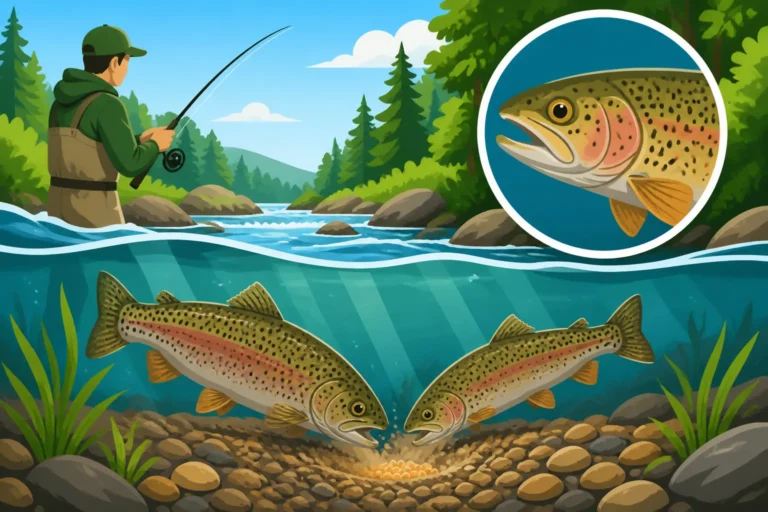
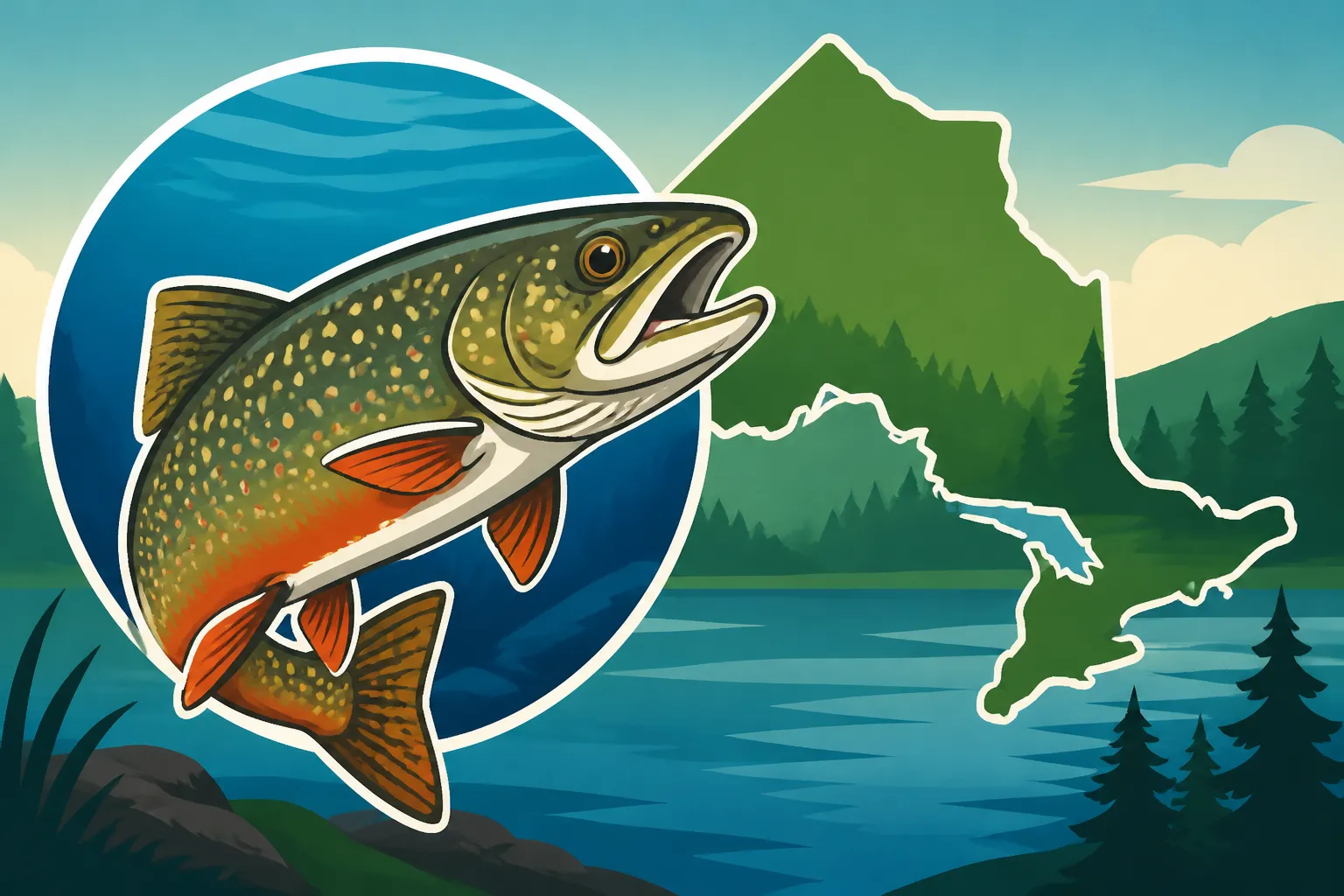
So, if it's not official, why does everyone assume it is? Well, the brook trout, or "brookie" as many of us affectionately call them, is practically synonymous with Ontario's wilderness. Think about it: when you picture a pristine, cold-water stream winding through an old-growth forest, or a remote northern lake fed by ancient springs, what fish comes to mind? For most of us, it’s the brook trout. Their vibrant colours – speckled olive backs, crimson bellies, and those electric blue halos around red spots – are absolutely unmistakable and incredibly beautiful. They thrive in the kinds of clear, oxygen-rich waters that are often found far off the beaten path, making them a prize for adventurous anglers. This deep connection to our most untouched natural spaces, combined with their historical presence and the sheer joy of catching one, has cemented their iconic status in the collective consciousness of Ontario. They represent the wild, untamed spirit of our fishing heritage, making the leap to "provincial fish" feel almost inevitable.
Provincial Symbols: A Look at What Is Official
To understand why the brook trout isn't officially the provincial fish, it helps to look at some of Ontario's other designated symbols. These symbols typically go through a formal process of selection and proclamation. For example, Ontario's provincial bird is the Common Loon, its provincial flower is the White Trillium, and its provincial tree is the Eastern White Pine. These aren't just things people think are the symbols; they've been officially recognized. Each one was chosen for specific reasons – their prevalence, historical significance, or unique beauty within the province. For a fish to gain that same status, it would require a similar formal declaration. Until that happens, the brook trout remains an unofficial, yet deeply cherished, emblem of Ontario's incredible fishing opportunities. It's a subtle but important distinction that often gets lost in common conversation.
Let's break down some common symbols for clarity:
| Symbol Category | Official Ontario Symbol | Popular Misconception (Fish) | Reason for Misconception (Brook Trout) |
|---|---|---|---|
| Provincial Bird | Common Loon | N/A | Distinctive call, widespread. |
| Provincial Flower | White Trillium | N/A | Unique, beautiful, spring bloomer. |
| Provincial Tree | Eastern White Pine | N/A | Historically important, iconic. |
| Provincial Fish | None Officially Designated | Brook Trout | Iconic, beautiful, associated with wild waters. |
The Brook Trout's Undeniable Importance to Ontario Anglers
Even without an official title, the brook trout holds a place of immense importance in the hearts and minds of Ontario anglers. It's more than just a fish; it's a testament to the health of our environment, a challenging pursuit, and a connection to something truly wild. When you're standing knee-deep in a clear, cold stream, casting a fly or drifting a worm, the pursuit of a brook trout feels like a return to a simpler, more authentic form of fishing. It's an experience that resonates deeply with those who cherish the outdoors.
A Legacy of Wild Trout and Pristine Waters
The brook trout ( Salvelinus fontinalis) is a native char species, and its presence is a strong indicator of a healthy, unspoiled ecosystem. They absolutely demand cold, clean, well-oxygenated water to thrive. You won't find significant wild brook trout populations in polluted or overly warm environments. This makes finding them an adventure in itself, often leading anglers to remote streams, spring-fed ponds, and secluded lakes, particularly in the Canadian Shield region of Northern and Eastern Ontario. Many of these fish, especially those found in smaller, inaccessible waters, are truly wild – they reproduce naturally, untouched by human intervention like stocking programs. This inherent wildness is a huge part of their allure. Catching a truly wild brook trout is like finding a hidden gem, a connection to Ontario's natural heritage that stretches back millennia. Protecting these Brook Trout in Ontario's Crown Land Lakes is a priority for many conservationists and anglers alike.
A Challenging and Rewarding Catch
Ask any dedicated trout angler, and they'll tell you that brook trout are a uniquely rewarding species to pursue. They might not grow to the massive sizes of a lake trout or a Chinook salmon, but what they lack in sheer bulk, they make up for in beauty and spunk. Often found in tight quarters, under overhanging branches, or tucked behind submerged rocks, they require stealth, precise casting, and a keen understanding of their habitat. Fly Fishing for Trout in Ontario is a particularly popular method, with delicate presentations and careful wading being key. Even with light spinning gear, success often hinges on using small lures or natural baits like worms or minnows, presented subtly. The strike of a brook trout, especially in a small stream, is often quick and aggressive, followed by spirited fighting on light tackle. When you finally bring one to hand, those brilliant colours seem to glow, making every catch feel like a triumph.
Conservation Efforts and the Future of Brook Trout
Because brook trout are so sensitive to environmental changes, their populations serve as a vital barometer for the health of our aquatic systems. Habitat degradation, water pollution, and climate change all pose significant threats to these fish. Thankfully, there are many dedicated individuals and organizations working tirelessly on Do Trout Reproduce Naturally in Ontario Streams? through various conservation initiatives. These efforts include protecting critical spawning habitats, restoring degraded stream banks, and promoting responsible angling practices like catch and release. For instance, many anglers choose to release most, if not all, of the brook trout they catch, especially the larger, breeding-size fish, to ensure future generations can enjoy this incredible resource. It’s a collective responsibility to ensure that these beautiful fish continue to grace Ontario's waters for years to come.
Beyond the Provincial Fish Title: How to Connect with Ontario's Brook Trout
So, while the brook trout might not have the official provincial designation, its status as a cherished angling icon is firmly cemented. The real joy comes not from a title, but from the experience of seeking them out and appreciating their wild beauty. If you're looking to dive into the world of brook trout fishing, there are a few things you should know to maximize your chances and ensure a responsible outing.
Where to Find These Elusive Beauties
Finding brook trout often means getting off the main drag and exploring. While some larger, more accessible rivers and lakes might have populations, the true gems are often found in smaller, less pressured waters. Look for areas with:
- Cold, Clear Water: Think spring-fed creeks, streams flowing from dense forests, or deep, remote lakes that maintain cool temperatures year-round.
- Structured Cover: Brook trout love to hide! Look for fallen trees, undercut banks, large rocks, logjams, and dense aquatic vegetation. These provide shelter from predators and strong currents.
- Remote Locations: Many of the best brook trout fisheries are accessed by hiking, portaging a canoe, or even flying into remote northern camps. Areas like Algonquin Park, or the vast network of Crown land lakes and rivers in Northern Ontario, are prime locations. For specific guidance, you might find valuable insights in guides like Best Fly Fishing Rivers in Ontario or other localized resources.
Remember, always check the current Ontario Fishing Regulations Explained for the specific zone you plan to fish, as regulations can vary significantly, including season dates and catch limits.
Essential Gear for Brook Trout Success
Brook trout fishing generally calls for a lighter touch than, say, battling a massive lake trout. The key is often finesse and portability, especially if you're venturing into remote areas.
- Rods and Reels: For fly fishing, a light 2-4 weight fly rod with a matching reel is ideal. For spinning gear, a ultralight or light action rod (5-6 feet in length) paired with a small spinning reel spooled with 4-6 pound test monofilament or fluorocarbon line is perfect. The lighter setup allows for delicate presentations and really lets the brook trout's fight shine. If you need to upgrade your setup, you can find a great selection of Best Fly Rods for Ontario Trout Streams or Best Spinning Rods for Walleye (which often crossover for lighter trout setups) on sites like Amazon.
- Lures and Baits: Small inline spinners, tiny spoons, small jigs, and micro crankbaits are all effective. For fly anglers, traditional dry flies, nymphs, and small streamers mimic their natural food sources. Live bait like worms, minnows, or even crickets can also be incredibly effective, especially in smaller streams. Having a well-organized Best Tackle Box Setup for Ontario Anglers is crucial, ensuring you have a variety of options.
- Waders and Boots: If you're planning on wading streams, a good pair of breathable waders and sturdy wading boots will keep you comfortable and allow you to access prime spots.
- Net: A small, soft-mesh landing net is invaluable for safely landing and releasing brook trout, minimizing stress on the fish. You can find many options for Best Landing Net for Trout readily available through retailers like Amazon.
Respecting the Resource: Catch and Release Best Practices
Because brook trout are so cherished and can be delicate, practicing responsible catch and release is paramount, especially if you're planning on fishing in a sensitive area or if the regulations specify it.
Here are some tips for a successful release:
- Minimize Fight Time: Use appropriate tackle to bring the fish in quickly, reducing exhaustion.
- Keep Them Wet: Try to unhook the fish while it's still in the water. If you must bring it out, do so briefly, keeping your hands wet to protect its delicate slime coat.
- Barbless Hooks: Consider crimping down the barbs on your hooks or using barbless hooks. This makes unhooking much easier and less damaging.
- Gentle Handling: Support the fish horizontally, never vertically by the jaw or gills. Avoid squeezing it.
- Revive Properly: If the fish seems sluggish, hold it gently in the water, facing upstream, allowing water to flow over its gills until it swims away on its own power.
- Quick Photo Ops: If you want a photo, get it quickly and minimize the time the fish is out of the water.
By following these practices, we ensure that the next angler, or perhaps even the same one on a future trip, can enjoy the thrill of catching one of Ontario's most stunning, even if unofficially designated, provincial treasures.
Disclaimer
This article is for general informational purposes only and does not constitute professional advice. Laws, prices and regulations vary by location and change over time. Consult a qualified professional for guidance on your specific situation.