How to fish a swimbait for big smallmouth
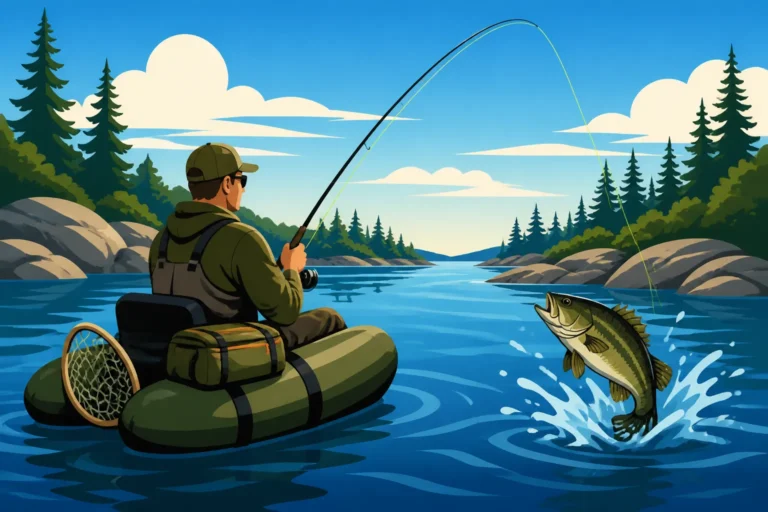
There's nothing quite like the heart-stopping thump of a big smallmouth bass absolutely clobbering a swimbait, especially here in Ontario. Many anglers struggle to land those true bronzeback giants, often because they're using presentations that just don't have the size or lifelike appeal to consistently trigger those larger, more wary fish. This guide is all about demystifying the art of fishing swimbaits specifically for those trophy smallmouth, helping you understand the gear, techniques, and spots that will put you on the path to bigger fish.
The Allure of Swimbaits for Ontario's Trophy Smallmouth
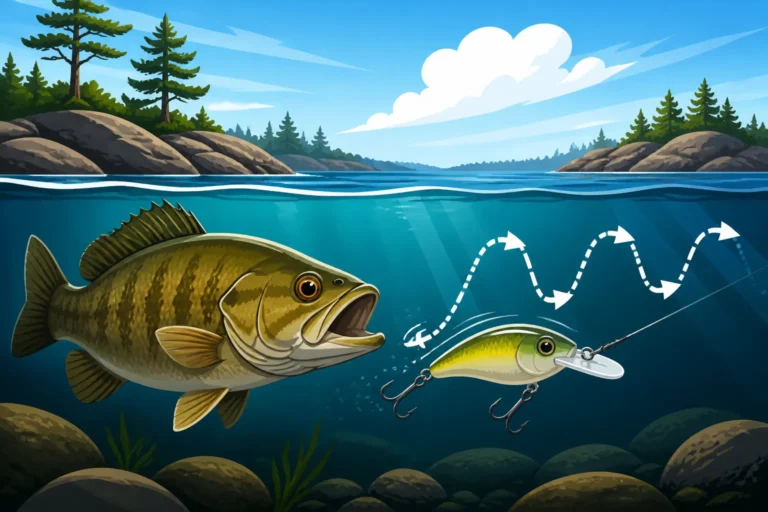
For years, smallmouth bass anglers relied on tube jigs, drop shots, and traditional crankbaits. While these baits are undeniably effective, there's a growing understanding that to consistently target the truly big smallmouth – those three, four, or even five-pound beasts – you need to offer them something substantial, something that looks like a meal worth expending energy on. That's where swimbaits shine. They're designed to imitate the larger baitfish that trophy smallmouth key in on, offering a natural swimming action that other lures simply can't replicate.
Think about it from a big smallmouth's perspective. These older, larger fish are often more energy-efficient predators. They're not going to chase down a tiny minnow if they can ambush a fat chub or perch. Swimbaits, with their realistic profiles and subtle movements, perfectly mimic these larger forage fish. They often trigger a different kind of strike, a more confident, aggressive bite born of a predatory instinct rather than just curiosity. It's not just about getting a bite; it's about getting the right bite from the right fish. They're especially effective when smallmouth are targeting larger baitfish like smelt, ciscoes, or even juvenile whitefish in deeper, clearer lakes.
Moreover, swimbaits allow you to cover water effectively while still presenting a very appealing target. You can cast them a country mile, letting you probe vast areas of open water or expansive flats where big smallmouth roam. This ability to combine covering water with a high-percentage, large-fish presentation is a game-changer for many Ontario smallmouth anglers who have previously struggled to break the "two-pound barrier." When targeting big fish, sometimes you just need to think big with your bait selection.
Selecting the Ideal Swimbait for Ontario Bronzebacks
Choosing the right swimbait can feel a bit overwhelming given the sheer variety available. However, for big smallmouth in Ontario, we can narrow it down to a few key categories and considerations. The primary goal is to match the hatch – to select a swimbait that closely resembles the local forage in terms of size, profile, and colour.
Soft Plastic Swimbaits: Versatility and Natural Action
Soft plastic swimbaits are probably the most popular and versatile choice for smallmouth. They come in an incredible array of shapes, sizes, and colours. Paddle-tail swimbaits are perhaps the most common, featuring a distinct boot-shaped tail that kicks and vibrates, creating a lifelike swimming motion when retrieved. These are fantastic for a steady retrieve, imitating a fleeing baitfish. Fluke-style swimbaits, on the other hand, have a more subtle, darting action and are excellent for imitating injured baitfish or for a more erratic retrieve.
When it comes to size, don't be shy. For big smallmouth, I rarely go smaller than 3.5 inches, and often opt for 4, 5, or even 6-inch swimbaits. Remember, you're targeting big fish that want a substantial meal. Colours typically mimic natural baitfish: shades of pearl, white, silver, green pumpkin, and various alewife or perch patterns are consistent winners. For stained water, darker colours or those with some flash might stand out more. Many anglers will stock up on a variety of these baits from online retailers like Amazon, ensuring they have options for different conditions and forage patterns they might encounter on an Ontario lake. For more specific size advice, you might find our guide on Best Swimbait Size for Big Smallmouth helpful.
Hard Body Swimbaits: Durability and Unique Actions
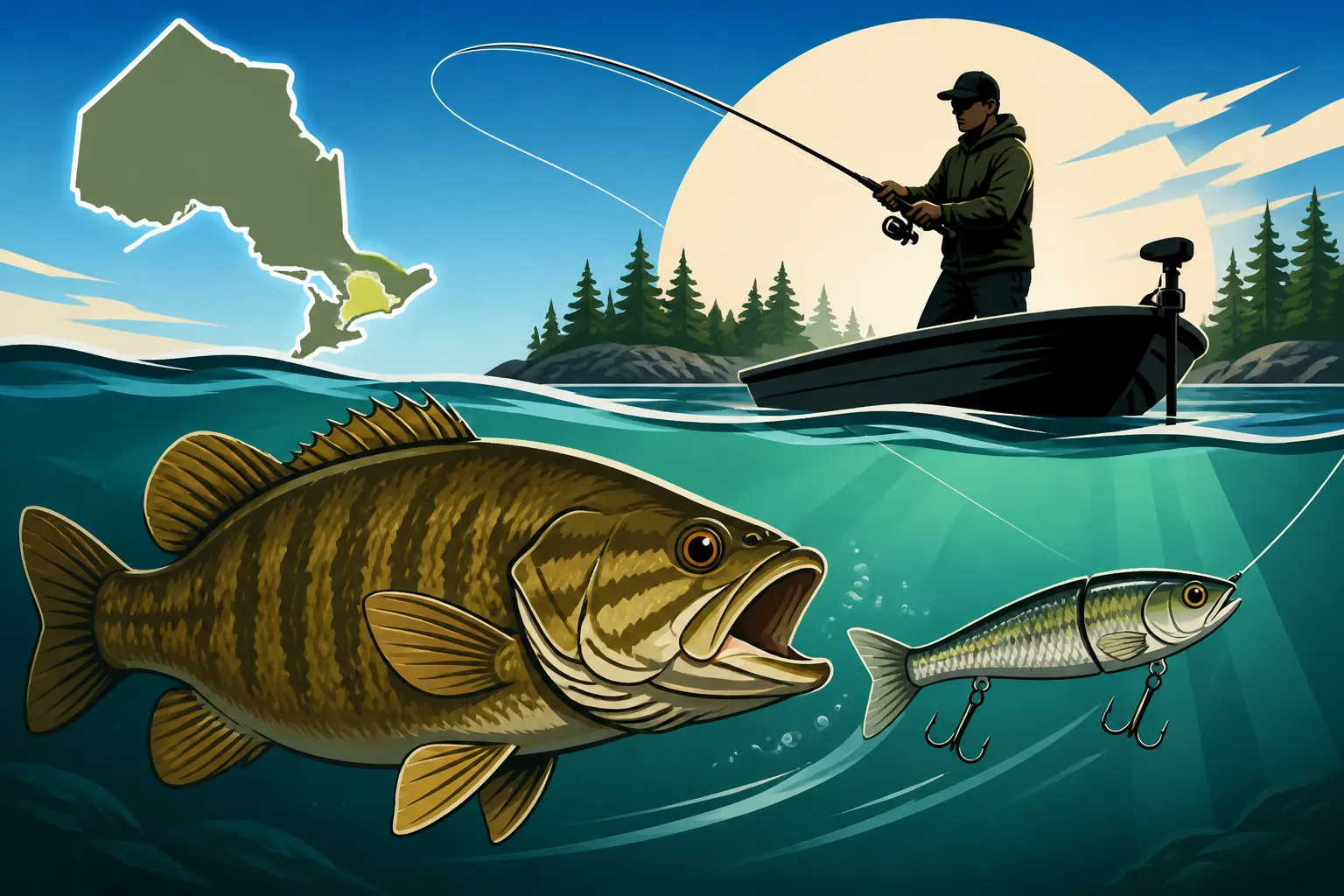
Hard body swimbaits, while less commonly used for smallmouth than their soft plastic counterparts, definitely have their place. These are typically jointed baits, often with two or three segments, designed to create an incredibly realistic S-curve swimming action. They excel in clear water situations where smallmouth have ample time to inspect the bait, and their durability means they can withstand multiple strikes from toothy pike that might be sharing the same waters.
The downside is they can be more expensive and are less versatile in terms of rigging. However, when smallmouth are particularly focused on larger, slower-moving baitfish, a well-presented hard swimbait can be irresistible. They often shine when retrieved slowly over deeper structure or along rocky points. Just ensure the retrieve is smooth and continuous to maximize their inherent swimming action.
Rigging and Presenting Your Swimbait for Success
Getting the right swimbait is only half the battle; how you rig and present it makes all the difference. Smallmouth are keen-eyed predators, and a natural, unassuming presentation is key.
Essential Rigging Techniques
The most common way to rig a soft plastic swimbait for smallmouth is on a jig head. The weight of the jig head will vary depending on water depth, current, and desired sink rate. For shallower water (under 10 feet), a 1/8 to 1/4 ounce jig head is often perfect. In deeper water or when fishing in current, you might go up to 3/8 or even 1/2 ounce. Choose a jig head with a strong, sharp hook – smallmouth have tough mouths, and you don't want to lose a giant due to a flimsy hook. A good rule of thumb is to match the hook size to the swimbait body, ensuring the hook point exits the top of the bait cleanly, allowing for maximum action and hook-up potential.
Another excellent rigging option, particularly for fishing around heavy cover like submerged timber or thick weeds, is a weedless swimbait hook. These hooks typically have a screw-lock keeper at the eye and a wide gap, allowing the hook point to be Texas-rigged into the swimbait body. This setup is incredibly snag-resistant and can be deadly when smallmouth are tucked into thick vegetation, which is common in many of Ontario's lakes and rivers. You can also fish these weightless for a super slow, tantalizing fall in shallow water.
For hard body swimbaits, rigging is simpler as they come pre-rigged with treble hooks. However, you'll want to ensure your line and leader are up to the task. Many anglers opt for a quality fluorocarbon leader in clearer waters, as it's nearly invisible to fish. Our guide on Best Fluorocarbon Line for Clear Lake Water has more details on this.
Mastering the Retrieve
The beauty of a swimbait lies in its natural swimming action, and often, less is more when it comes to retrieve. A simple, steady retrieve is incredibly effective. The paddle tail or jointed body does all the work, mimicking a cruising baitfish. Vary your retrieve speed until you find what the fish prefer on any given day. Sometimes they want a slow, methodical pull, other times a faster, more erratic retrieve.
Incorporating pauses or slight twitches can also trigger strikes, especially if the smallmouth are a bit finicky. A subtle twitch can make the swimbait appear injured, an easy target for a hungry bass. When fishing a jig head, allow the swimbait to sink to the desired depth, then begin your retrieve. If you feel a "thump" on the pause or fall, set the hook immediately! Often, smallmouth will hit a swimbait as it's falling.
Consider the water temperature and time of year. In colder water, a slower, more deliberate retrieve is usually best. As water temperatures rise in summer, smallmouth become more active and might prefer a faster, more aggressive presentation. You can find more specific advice on lure retrieve speeds in our article, Best Lure Retrieve Speed for Smallmouth in Fall.
Locating Big Smallmouth with Swimbaits in Ontario
Ontario is blessed with countless smallmouth fisheries, from the rocky shores of Georgian Bay to the vast expanse of Lake Erie. Understanding where big smallmouth live and when they're most receptive to a swimbait is crucial.
Key Smallmouth Habitats
Big smallmouth are structure-oriented fish. They love anything that offers an ambush point or a break from current. Focus your swimbait efforts on:
- Rocky Points and Shoals: These are classic smallmouth haunts, especially where they drop off into deeper water. Smallmouth will often cruise these areas, ambushing baitfish moving along the structure.
- Submerged Humps and Islands: Look for isolated underwater structures. These can act as magnets for baitfish, and consequently, for big smallmouth.
- Weed Edges and Transitions: While swimbaits aren't ideal for fishing in dense weeds, fishing along the outer edges or where weeds transition to rock or sand can be incredibly productive. Use a weedless rigging here if you anticipate snags.
- Deep Flats: Large smallmouth will often patrol deep, expansive flats, especially if there's scattered rock or sparse vegetation. This is where the long casting distance of a swimbait really shines, allowing you to cover vast amounts of water quickly.
- River Current Seams: In rivers, look for areas where slower water meets faster current. Smallmouth will sit in the seams, waiting for baitfish to be swept by. Casting a swimbait upstream and allowing it to drift naturally into the seam can be very effective. Many of our local tackle shops, and even Amazon, carry a good selection of specialized jig heads that are designed for river current to help your swimbait track correctly. Our How to Fish a River for Smallmouth Bass guide offers further insights here.
Optimal Conditions for Swimbait Fishing
Swim bait fishing for smallmouth can be productive throughout the open water season in Ontario, but certain conditions really make them shine.
- Clear Water: Swimbaits are highly visual baits. In clear water, smallmouth can see them from a distance, allowing the bait's realistic action to draw them in.
- Sunny Days: On bright, sunny days, smallmouth often push deeper, and a swimbait worked along deep structure can be deadly. The subtle flash of a swimbait can mimic a baitfish in the sun.
- Post-Spawn to Mid-Summer: After the spawn, smallmouth are hungry and aggressively feeding to recover. Mid-summer, when they're settled into their deeper patterns, is also prime time for swimbaits.
- Fall: As water temperatures drop in the fall, smallmouth begin to gorge on baitfish, packing on weight for winter. This is a fantastic time for larger swimbaits, as the fish are actively looking for big meals.
It's also worth noting that smallmouth often travel in wolfpacks. If you catch one big smallmouth on a swimbait, don't be afraid to cast into the same area multiple times, or even change your retrieve slightly. There's a good chance more of its buddies are lurking nearby, ready for another easy meal. Smallmouth Bass Fishing in Ontario offers a broader overview of the species, which complements these swimbait strategies perfectly.
Gear Considerations for Swimbait Anglers
While you don't need highly specialized gear to start throwing swimbaits, having the right rod, reel, and line will significantly improve your experience and success rate when targeting big smallmouth.
Rod and Reel Setup
For most soft plastic swimbaits (3-5 inches), a medium-heavy to heavy power spinning rod, around 7 feet to 7 feet 6 inches in length, is a great choice. This length allows for long casts and provides the leverage needed to fight big smallmouth. A fast action tip will help with casting accuracy and detecting subtle bites, while the powerful backbone will ensure solid hooksets. For even larger swimbaits, or for those who prefer baitcasting gear, a medium-heavy baitcasting rod with a fast action is ideal.
Pair your rod with a reliable spinning reel in the 3000-4000 size range, or a baitcasting reel with a decent retrieve ratio (around 7.1:1 or 8.1:1) for quickly taking up slack. A smooth drag is paramount when battling powerful smallmouth.
Line and Leader
Braided line is an excellent choice for swimbait fishing due to its incredible strength, sensitivity, and lack of stretch. A 15-20 pound test braided line will handle most smallmouth applications. Because braid is visible in clear water, I always recommend tying on a fluorocarbon leader. A 10-15 pound test fluorocarbon leader, about 3-5 feet long, offers invisibility and excellent abrasion resistance, which is crucial when fishing around rocks. Using a small, strong swivel or an FG knot to connect your braid to fluorocarbon leader will ensure a seamless connection. When you're fishing the rugged, rocky structure found in places like Georgian Bay, having a strong leader is critical to preventing break-offs.
| Swimbait Type | Best Use Case | Ideal Conditions | Key Advantage | Potential Disadvantage |
|---|---|---|---|---|
| Soft Paddle-Tail | General purpose, steady retrieve, covering water | Versatile for most conditions | Natural action, wide range of sizes/colors | Can be easily torn by fish or snags |
| Soft Fluke-Style | Erratic retrieve, twitching, imitating injured baitfish | Finicky fish, clearer water | Subtlety, darting action | Requires more angler input for action |
| Hard Multi-Jointed | Slow, methodical retrieve, very realistic action | Clear water, targeting wary fish | Highly realistic S-curve swimming motion, durable | More expensive, less weedless, limited rigging |
| Weedless (Soft) | Heavy cover, submerged weeds, timber | Dense vegetation, snag-prone areas | Snag-resistant, can be fished weightless | Less exposed hook point can reduce hook-up rates |
Advanced Tips for Bigger Smallmouth
Once you've got the basics down, a few advanced considerations can help you consistently tempt those truly massive smallmouth.
Scent and Sound
While swimbaits are primarily visual baits, adding a little scent can sometimes make a difference, especially on tougher days. Many soft plastic swimbaits come pre-scented, but you can also add liquid or gel scents to enhance their appeal. These scents can mask any human odour and encourage a smallmouth to hold onto the bait a moment longer, giving you more time to set the hook.
Beyond scent, subtle sounds can play a role. Some jig heads come with rattles, or you can insert small glass rattles into soft plastic swimbaits. The click or thump of a rattle can draw attention in stained water or on windy days, acting as a beacon for curious smallmouth. However, in extremely clear water with pressured fish, silence might be golden. Experiment to see what works best on your local waters.
Adjusting to Pressure and Conditions
Ontario's smallmouth fisheries, especially those easily accessible, can experience fishing pressure. When fish are pressured, they become more wary. This is where subtlety and natural presentation become even more critical. Downsizing your line or leader (while still maintaining strength) can help. Changing your retrieve to be even slower or more erratic can also entice a strike from a cautious smallmouth.
Pay close attention to weather changes. Fishing after a heavy rain on Ontario rivers can drastically change water clarity and current, impacting how smallmouth react. Similarly, a sudden cold front can make fish lethargic, requiring an even slower, deeper presentation. Always be willing to adapt your swimbait choice, rigging, and retrieve based on the day's conditions – it's often the small adjustments that lead to big results.
Patience and Persistence
Ultimately, fishing for big smallmouth with swimbaits requires patience and persistence. You might not get as many bites as you would with smaller, more traditional baits, but the bites you do get are often from bigger, higher-quality fish. Trust the process, cover water thoroughly, and pay attention to where and when you get strikes. Over time, you'll develop a keen understanding of how to unlock the true potential of swimbaits for Ontario's incredible smallmouth bass. Keep that mental map of the lake in your head, noting every rock pile and every drop-off where you've had success.
Disclaimer
This article is for general informational purposes only and does not constitute professional advice. Laws, prices and regulations vary by location and change over time. Consult a qualified professional for guidance on your specific situation.