Walleye Spawning Season in Ontario
For many of us who live and breathe Ontario fishing, the walleye spawning season can be a bit of a bittersweet time. On one hand, it's a critical period for the future of our beloved walleye populations, a natural cycle that ensures thriving fisheries for years to come. On the other, it often means closures and restrictions that can leave us feeling a little antsy, itching to get on the water. This comprehensive guide will pull back the curtain on the mysteries of walleye spawning in Ontario, helping you understand the "why" behind the regulations, what's happening beneath the surface, and how you can still enjoy fishing while respecting this vital natural event.
Understanding the Walleye Spawning Cycle in Ontario
The walleye, with its distinctive golden eyes and delicious fillets, is a prized game fish across Ontario. Its survival and abundance are directly tied to a successful spawning season each year. This isn't just a simple act; it's a complex, energy-intensive process driven by instinct and environmental cues, ensuring the next generation of fish.
When Walleye Typically Spawn in Ontario
Generally speaking, walleye in Ontario kick off their spawning activities in the early spring, often right after ice-out, as soon as the waters begin to warm up. We're talking about those first few weeks where the air still has a chill, but the sun is starting to make a real difference. The exact timing can vary quite a bit from one lake or river system to another, and even from year to year, all depending on local conditions. For instance, northern lakes will typically see spawning later than those further south. It’s a delicate dance with nature, where patience is definitely a virtue for both the fish and the anglers who pursue them. It's a time when you really need to understand the nuances of the local ecosystem to predict when they'll be on the move.
The window for active spawning itself is usually fairly brief, often lasting only a week or two once conditions are ideal. Before this peak, there’s a 'pre-spawn' period where fish are staging, and afterwards, a 'post-spawn' period where they're recovering. These adjacent periods are often when anglers find the most success, as the fish are either feeding heavily to build up energy or replenishing after their exhausting efforts. Many anglers eagerly await the Ontario Walleye Opener Dates by Zone to hit the water, which are strategically set after the primary spawning period to protect the fish.
Key Environmental Triggers for Spawning
Walleye aren't just flipping a switch; they're responding to very specific environmental cues. The most critical trigger for walleye spawning is water temperature. They generally prefer to spawn when water temperatures climb into the range of about 4 to 10 degrees Celsius (around 40 to 50 degrees Fahrenheit). If you're a keen angler, you might already know this is when the ice has usually just disappeared, or soon after. Beyond temperature, increasing daylight hours also play a role, signalling to the fish that spring has truly arrived.
Additionally, water flow can be a significant factor, especially in river systems. A strong, steady current can help oxygenate the eggs and prevent silt from settling on them, which is crucial for their development. On stillwater lakes, wind and wave action can achieve a similar effect. Fluctuations in these conditions, whether sudden cold snaps or unexpected droughts, can impact the success of a year's spawn, highlighting just how sensitive this natural process is. It's truly a marvel how these creatures instinctively know when the time is right, driven by ancient programming tuned to the rhythms of their environment.
The Importance of Spawning Habitat
Imagine trying to raise your kids in a noisy, crowded, or unsafe environment – it wouldn't be easy, right? It's much the same for walleye. The specific places they choose to lay their eggs, known as spawning habitats, are absolutely vital for the survival of the next generation. Walleye are quite particular about where they drop their eggs, typically favouring shallow, rocky shoals, gravel beds, or areas with clean rubble and boulders in lakes. In river systems, they'll seek out gravelly riffles and rapids where the current is strong enough to keep eggs clean but not so strong as to wash them away.
These rough, hard bottom areas are ideal because they prevent the eggs from sinking into soft mud, which would suffocate them. The crevices and spaces between the rocks offer some protection from predators, too, giving the developing eggs a fighting chance. Without access to these pristine, undisturbed spawning grounds, the entire reproductive cycle can be jeopardized. This is why you often hear conservation efforts focusing so heavily on protecting and restoring these critical areas, as they are the nurseries for future fish populations.
Walleye Spawning Behaviors and Locations
When walleye get into spawning mode, their behaviours change dramatically. They become intensely focused on reproduction, often moving from their deeper feeding grounds to specific shallow areas. Understanding these behaviours and preferred locations can give you a much deeper appreciation for the fish and the delicate balance of their ecosystem.
Shallow Water Spawning Runs
As the water warms and the days lengthen, walleye undertake what are known as spawning runs. In larger lakes, this might involve moving from deeper basins towards shallower rocky shorelines or river mouths. In river systems, they'll migrate upstream, sometimes travelling considerable distances, to reach those prime gravelly rapids and shoals. These movements are driven by an irresistible urge to reproduce, often gathering in large schools as they stage for the main event.
During these runs, the fish are incredibly vulnerable. They're concentrated in predictable areas, and their focus isn't on feeding. This is why many fishing zones have specific closures during this period. It’s a time of immense energy expenditure for the fish, and any added stress from angling pressure can be detrimental. For those who enjoy observing nature, witnessing a walleye run in a clear river can be a truly impressive sight, a testament to the power of instinct.
Substrate Preferences for Egg Deposition
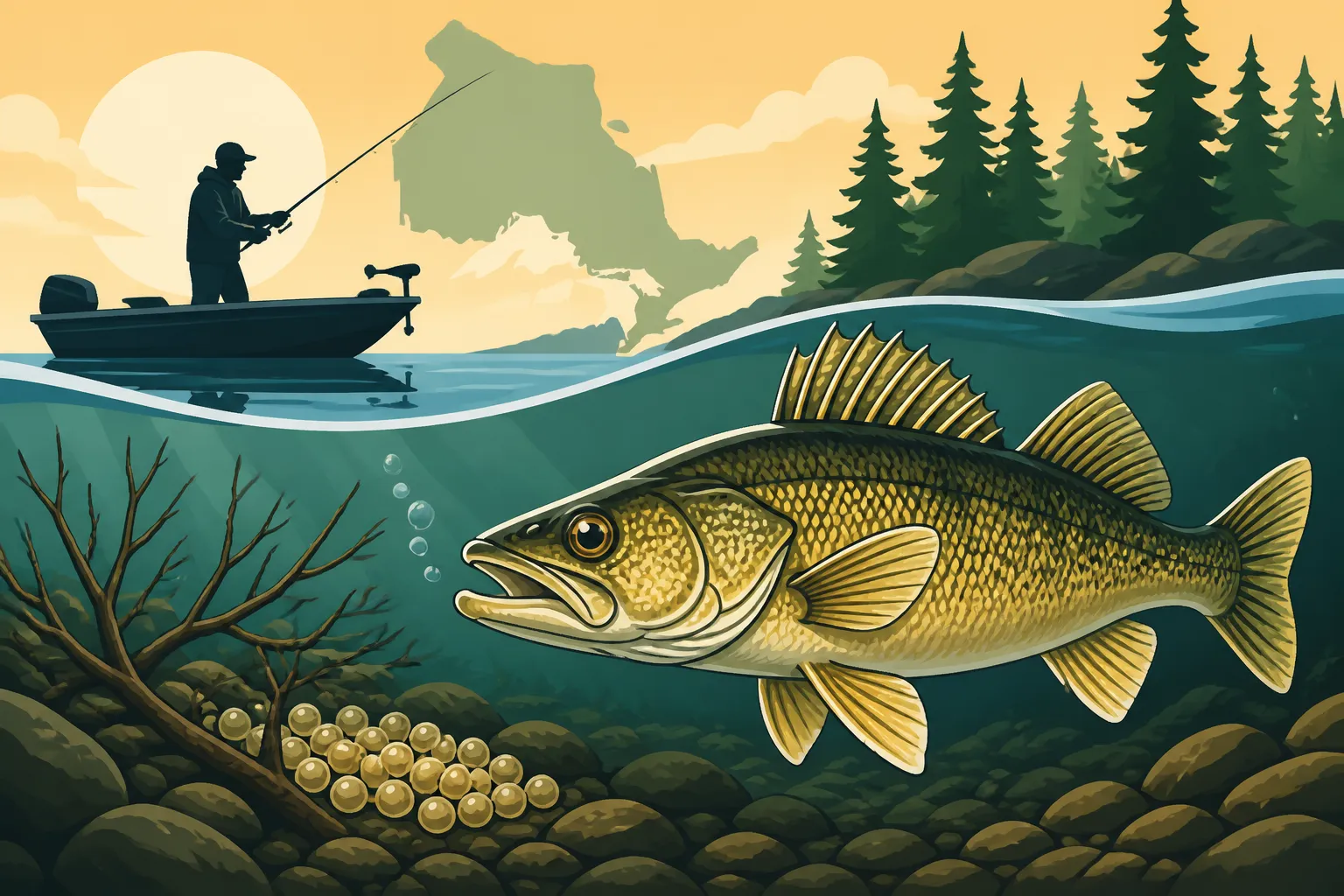
Walleye are quite specific when it comes to the "bed" for their eggs. They are known as broadcast spawners, meaning the females release their eggs directly into the water column, and the males immediately fertilize them. There's no nest building like you might see with bass. Instead, the eggs are adhesive, designed to stick to the chosen substrate – typically clean, hard bottom structures like rocks, gravel, and submerged wood.
The eggs need to be well-oxygenated, and these hard bottoms, especially where there's a gentle current or wave action, provide just that. Silt or soft muck would quickly smother the eggs, leading to a failed spawn. You might notice that prime walleye spawning areas often look pretty barren to the untrained eye – no dense aquatic vegetation. This is intentional; vegetation can trap sediment, and walleye prefer areas where the eggs can settle cleanly and be buffeted by water movement. Maintaining these clean, hard-bottomed areas is a cornerstone of effective walleye management.
Post-Spawn Behavior and Recovery
After the arduous task of spawning is complete, both male and female walleye are understandably exhausted. They've expended a tremendous amount of energy, and their bodies are depleted. This is the "post-spawn" period. Males often stick around the spawning grounds a little longer, while females, needing more recovery, typically retreat to slightly deeper, quieter waters to recuperate.
During this recovery phase, walleye are often less active and more reluctant to feed aggressively. Their primary goal is to rest and regain strength. As they slowly start to feed again, they'll look for easy meals, but they're not quite back to their pre-spawn robust feeding habits. This post-spawn period can be a challenging time for anglers, as the fish are spread out and not in their usual patterns. It’s a vital time for them to recover fully before resuming their typical summer routines. Understanding this allows us to adjust our expectations and fishing tactics accordingly, embracing the natural cycle of the fish.
Regulatory Protections During Walleye Spawning Season
Ontario takes its fisheries seriously, and rightly so. The regulations around walleye spawning season are a testament to that commitment, designed to safeguard these precious fish stocks for future generations. It’s not about making things difficult for anglers; it’s about responsible stewardship.
Understanding Ontario's Walleye Season Closures
If you've ever felt the frustration of an early spring day, perfect for fishing, only to remember the walleye season is closed, you're not alone. But these closures aren't arbitrary. They are specifically implemented to protect walleye during their most vulnerable period: spawning. By closing the season, the Ministry of Natural Resources and Forestry (MNRF) aims to minimize disturbance to spawning fish and allow them to reproduce undisturbed. These closures typically begin just before the anticipated spawn and extend through the peak of the activity, ensuring the eggs have a chance to hatch without excessive pressure from angling.
The exact dates for these closures can vary by Fisheries Management Zone (FMZ) across Ontario, reflecting the different timings of ice-out and water temperature warming from south to north. This zone-specific approach is crucial because a lake in Southern Ontario might be ready for spawning weeks before a lake in Northern Ontario. You can always find these details in the Ontario Fishing Regulations Explained summary, which is a must-read for any angler before heading out. Respecting these closures is more than just following the law; it's actively participating in the conservation of a vital resource.
Impact of Spawning Season on Fishing Opportunities
While the closures can feel restrictive, they're essential. They mean that during the most critical part of the walleye's reproductive cycle, direct fishing pressure is removed. This allows the fish to concentrate solely on spawning, without the added stress of hooks, boats, and human presence. Think about it: during spawning, fish are often shallow and concentrated, making them incredibly easy targets. Without these protections, overharvesting during this period could severely deplete populations, leading to long-term decline.
However, the spawning season and its associated closures don't mean an end to fishing altogether. Savvy anglers often target other species during this time, or focus on the exciting "pre-spawn" or "post-spawn" periods for walleye. The pre-spawn period, when walleye are actively feeding to bulk up for the spawn, can offer some of the best fishing of the year. Similarly, the post-spawn period, once the fish begin to recover and feed again, can also be productive. It simply means adapting your strategy and respecting the rhythm of nature.
Why Conservation Matters During Spawning
The sheer volume of eggs a female walleye can produce is astounding – often tens of thousands, sometimes even hundreds of thousands! But only a tiny fraction of these eggs will survive to become adult fish. Predation, environmental fluctuations, disease, and habitat quality all take their toll. This is precisely why every successful spawning event is so critical. Allowing walleye to spawn undisturbed maximizes the chances of a strong year-class, which translates to healthy populations and excellent fishing opportunities down the road.
Conservation efforts during spawning extend beyond just season closures. It also involves protecting and improving spawning habitats. This can include anything from limiting shoreline development in critical areas to ensuring good water quality and flow. Groups like the MNRF, along with local conservation authorities and angling groups, work tirelessly on these initiatives. As anglers, our role is crucial too: understanding the regulations, practicing catch and release in sensitive areas, and even reporting illegal fishing activities are all ways we contribute to the long-term health of our beloved Ontario walleye fisheries. Your choices truly make a difference, ensuring that future generations can experience the thrill of Walleye Fishing in Ontario.
| Environmental Factor | Preferred Range (Approx.) | Impact on Spawning | Angler Takeaway |
|---|---|---|---|
| Water Temperature | 4-10°C (40-50°F) | Primary trigger, critical for egg development | Fish become active as ice melts, often close to shorelines. |
| Substrate | Clean rock, gravel, rubble | Eggs need hard, clean surfaces for adhesion & oxygenation | Spawning grounds are usually barren, rocky areas, not weedy. |
| Water Flow/Action | Gentle current (rivers), wave action (lakes) | Oxygenates eggs, prevents siltation, disperses pheromones | Fish often stage at river mouths or windy shorelines. |
| Light Levels | Increasing daylight hours (Spring) | Secondary trigger, signals seasonal change | Spawning usually occurs at night or in low light conditions. |
| Depth | Shallow, 1-3 meters (3-10 feet) | Allows for faster warming and access to preferred substrate | Focus on shallow points, shoals, and river runs. |
Fishing Around the Walleye Spawning Season
While the main spawning event might be a no-fishing zone, the periods just before and just after offer some incredible angling opportunities. Knowing how to adapt your techniques and where to look can make all the difference, transforming those "off-season" frustrations into exciting fishing trips.
Pre-Spawn Walleye Fishing Strategies
The pre-spawn period is arguably one of the most anticipated times for walleye anglers. As walleye stage near their spawning grounds, they become incredibly active feeders, trying to pack on as much energy as possible for the intense reproductive effort ahead. They're often found in slightly deeper staging areas adjacent to the shallow spawning shoals or river mouths, typically in depths ranging from 6 to 15 meters (20 to 50 feet), depending on the water body.
During this time, walleye are often congregated, making them easier to locate. Trolling with crankbaits that mimic baitfish is highly effective, as is jigging with soft plastics or live bait (like minnows or leeches, where legal) near structure or drop-offs. Look for bottlenecks where fish funnel into river systems or large, flat areas adjacent to deep water on lakes. The key is to present your lure slowly, as the water is still cold, and fish aren't always willing to chase. Using electronics to find these staging schools can dramatically increase your success. Many anglers will purchase their top crankbaits and jigs from online retailers like Amazon to ensure they're fully stocked for this critical pre-spawn window. If you're looking for more details, a deeper dive into Spring Walleye Fishing Techniques for Ontario would be incredibly helpful.
Post-Spawn Walleye Fishing Opportunities
Once the spawning ritual is complete, walleye enter a recovery phase. The immediate post-spawn period can be a bit tougher for anglers, as fish are lethargic and dispersed. However, as they regain strength, they'll start to feed again, often moving to new areas where food is abundant. Females, especially, will be looking for easy, high-protein meals to replenish their depleted energy reserves.
In the weeks following the spawn, look for walleye to move into areas where baitfish are concentrated. This could be weed lines in slightly deeper water, rocky points, or around submerged timber. They'll still appreciate a slower presentation, but as water temperatures continue to rise, their metabolism will pick up, and they'll become more aggressive. Jigging, slip-bobber fishing with live bait, or slow-trolling can all be productive. This is a time when understanding Where to Find Walleye in Ontario based on available forage becomes paramount. Don't be afraid to experiment with different depths and presentations until you find what they're keying in on.
Ethical Angling Practices Near Spawning Areas
Even when a season is open, or if you're fishing for other species near known walleye spawning grounds, ethical angling practices are paramount. Minimizing disturbance to critical habitats is always a good idea. This means avoiding excessive noise, not leaving trash, and being mindful of your boat's wake in shallow areas. If you accidentally hook a walleye that appears to be in spawning condition (often identifiable by a distended belly in females or active milt in males), handle it with extreme care and release it as quickly and gently as possible.
Consider using single, barbless hooks, especially during the shoulder seasons, to minimize harm to any fish you might inadvertently catch. Always adhere strictly to catch and possession limits, and never keep more fish than you'll realistically eat. Remember, we all share the responsibility of protecting our natural resources. By practicing responsible angling, you're helping ensure that the walleye populations remain healthy and vibrant for generations of anglers to come.
Factors Influencing Walleye Spawning Success
The success of a walleye spawn isn't a given; it's influenced by a myriad of environmental factors. Understanding these elements helps us appreciate the fragility of this natural process and the importance of conservation efforts.
Water Temperature and Flow Rates
We've touched on water temperature as a trigger, but it's also critical for the entire incubation period of the eggs. Consistent temperatures within that optimal 4-10°C (40-50°F) range are ideal. A sudden cold snap after eggs have been laid can slow down development, making them vulnerable for longer, or even kill them outright. Conversely, a rapid warming trend can cause eggs to develop too quickly, potentially leading to abnormalities or early hatching when food sources aren't yet available for the fry.
Similarly, stable flow rates in rivers are crucial. Too little flow can lead to eggs becoming suffocated by silt or lacking sufficient oxygen. Too much flow, especially sudden floods, can scour eggs from their substrate or wash them downstream into unsuitable habitats. The optimal scenario is a gradual increase in water temperature and a stable, moderate flow during the incubation period. Anglers who keep an eye on environmental conditions, perhaps by using specialized weather apps or researching local water body conditions online, can gain insight into potential challenges or successes for the current year's spawn. You might even find comprehensive guides on Amazon about how these conditions affect fish behavior.
Habitat Degradation and Conservation Efforts
Unfortunately, walleye spawning habitats are often prime locations for human activity – shorelines, river mouths, and accessible shoals. This makes them vulnerable to various forms of habitat degradation. Sedimentation from shoreline development, agricultural runoff, and erosion can cover those vital rocky and gravelly areas, suffocating eggs. Pollution from industrial discharge or even improper waste disposal can directly harm eggs and fry. Invasive species can also disrupt spawning grounds, either through competition or predation.
Recognizing these threats, significant conservation efforts are underway across Ontario. This includes zoning regulations to protect sensitive areas, projects to restore eroded shorelines, and initiatives to improve water quality by reducing runoff. Many local fishing clubs and conservation groups are actively involved in these hands-on projects, often recruiting volunteers. Supporting these efforts, whether through participation or donation, directly contributes to the long-term health of walleye populations. Ensuring healthy Ontario Fisheries Management Zones, Explained is a collective responsibility.
Predator-Prey Dynamics During Spawning
The world beneath the surface is a constant battle for survival, and walleye eggs and fry are no exception. During and immediately after spawning, the eggs and newly hatched fry are extremely vulnerable to predation. Many species, from other fish like suckers and perch to insects and birds, will opportunistically feed on walleye eggs. This natural predation is part of the ecosystem's balance, but excessive predation, particularly by invasive species that don't have natural controls, can severely impact spawning success.
Furthermore, post-spawn adult walleye, weakened and recovering, can sometimes become prey themselves to larger predators or suffer higher mortality rates from disease. The sheer number of eggs laid is a testament to the fact that very few are expected to survive. A strong, healthy ecosystem with a balanced predator-prey dynamic is crucial for maximizing the number of walleye that make it past these initial, perilous stages. Understanding these dynamics helps us appreciate the incredible journey each walleye undertakes from a tiny egg to a trophy fish.
Disclaimer
This article is for general informational purposes only and does not constitute professional advice. Laws, prices and regulations vary by location and change over time. Consult a qualified professional for guidance on your specific situation.