Common Carp in Ontario Waters
The sight of a giant, murky shadow moving through the shallows, or a sudden, powerful pull on your line that makes your drag scream, often signals the presence of a common carp in Ontario waters. While some anglers might see them as a nuisance, these incredibly powerful and often misunderstood fish are an integral part of many of our aquatic ecosystems. This guide aims to shed light on everything you need to know about common carp in Ontario, from their history and biology to where to find them, their ecological impact, and how to successfully angle for these freshwater giants.
Understanding the Common Carp: A Brief Overview
For many years, the common carp has been a fish shrouded in a bit of mystery and, frankly, some undeserved scorn among anglers in North America. But let me tell you, once you understand these robust creatures, you'll gain a whole new appreciation for them, whether you target them or simply encounter them during your other fishing pursuits. They're a truly unique and fascinating species in our waters.
What Exactly is a Common Carp?
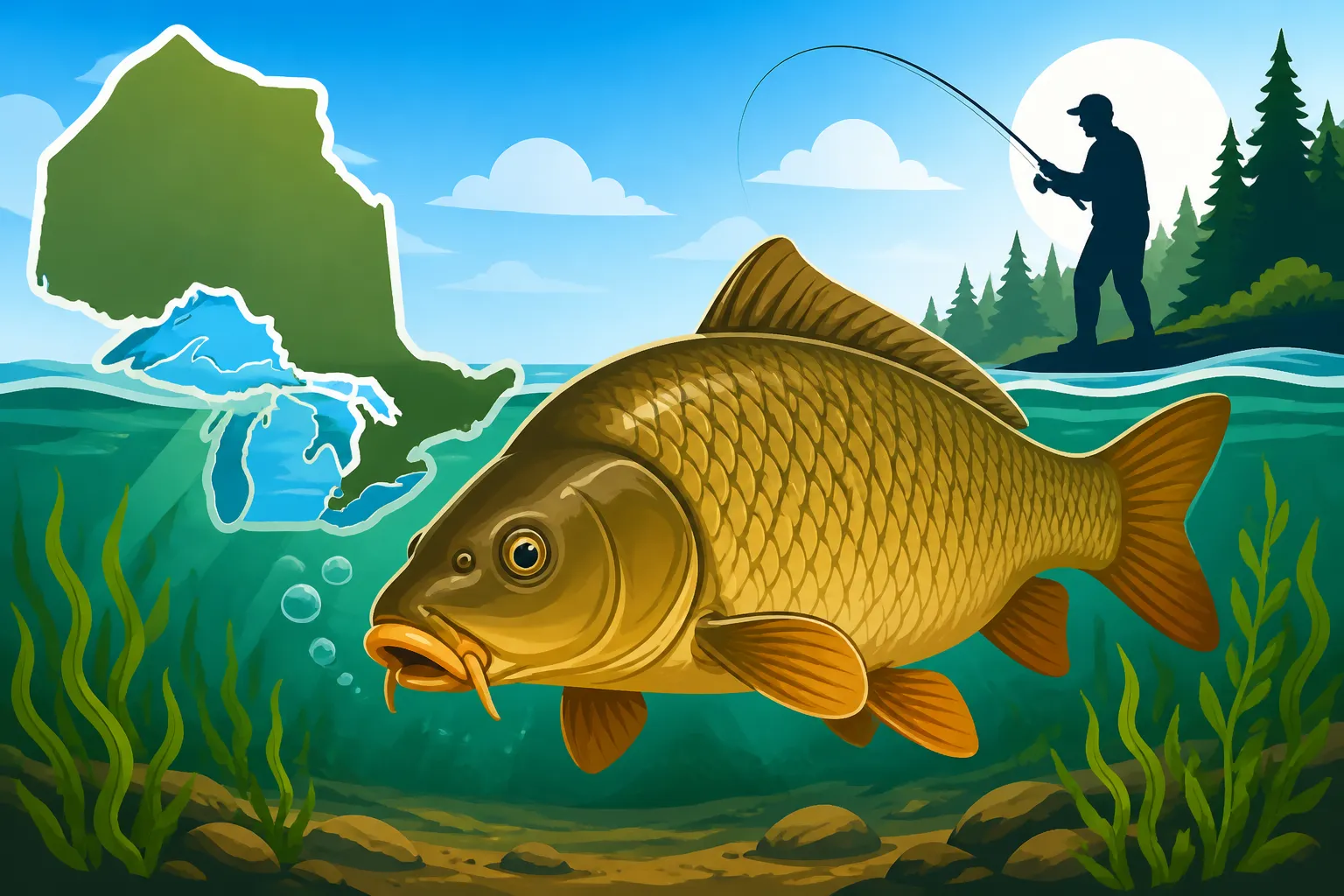
Let's start with the basics. The common carp, scientifically known as Cyprinus carpio, is a large, freshwater fish native to Europe and Asia. When you see one, you'll notice its distinctive, robust body, often golden-brown to olive-green on its back, fading to a yellowish belly. They have thick, leathery scales, a long dorsal fin, and four prominent barbels around their mouth, which are crucial for sensing food along the bottom. Their size can be quite impressive; while many catches are in the 5-15 pound range, it's not uncommon to hook into fish weighing 20, 30, or even over 40 pounds in Ontario's rich waters. Imagine the fight a fish of that size puts up on your line!
What truly sets them apart is their mouth – it's protrusible, meaning they can extend it outwards like a vacuum cleaner nozzle to suck up food from the substrate. This adaptation is key to their feeding habits and their impact on the environment. They're a bottom-feeder through and through, constantly grubbing around for whatever delicious morsels they can find in the mud and sediment.
A History of Carp in Ontario
So, how did a fish from halfway across the world end up in Ontario? It's a classic tale of intentional introduction with unforeseen consequences. Common carp were first brought to North America in the mid-19th century, primarily from Germany, with grand plans of establishing a valuable food fish for aquaculture. They were seen as a hardy species that could thrive in various conditions, and early efforts by fisheries agencies enthusiastically stocked them into countless waterways across the continent, including our very own Ontario lakes and rivers.
The problem, as often happens with non-native species, is that they thrived too well. Carp proved to be incredibly adaptable, reproducing rapidly and tolerating a wide range of water quality conditions that many native species struggled with. From those initial stockings, they spread quickly throughout the Great Lakes system and its tributaries, establishing themselves firmly in almost every warmwater fishery across the province. Today, they are a permanent fixture, a testament to their resilience, but also a legacy that has shaped our aquatic environments.
Carp Biology and Behavior
Understanding carp biology helps us understand why they are so prevalent and, for anglers, how to best target them. These fish are incredibly hardy and long-lived; some can reach ages of over 20 years. Their diet is largely omnivorous, consisting of insects, crustaceans, worms, plant matter, and detritus they find on the bottom. They are constantly on the move, sifting through the mud and stirring up sediment in their search for food. This feeding habit is a significant part of their ecological story, which we'll get into later.
Spawning for common carp typically occurs in late spring or early summer when water temperatures reach a comfortable range, usually between 17-20°C (63-68°F). They are broadcast spawners, meaning females release tens of thousands, sometimes even millions, of sticky eggs over submerged vegetation in shallow, weedy areas, which males then fertilize. This prolific spawning, coupled with their ability to quickly adapt and grow, is a major reason for their widespread success and robust populations throughout Ontario. If you've ever seen an explosion of activity in a shallow, marshy bay during late May or June, with large fish splashing and rolling, you've likely witnessed carp in the throes of their spawning ritual!
Where to Find Common Carp in Ontario
One of the great things about common carp, if you're looking to target them, is their widespread distribution. You don't often need to travel to remote wilderness lakes to find them. In fact, some of the best carp fishing can be found right in urban centers or easily accessible waterways. They are truly masters of adaptation, making themselves at home in a variety of environments.
Habitat Preferences: Lakes, Rivers, and Backwaters
Common carp are incredibly versatile when it comes to habitat, but they do have their favourites. They generally prefer warmer, slower-moving waters with abundant vegetation and a soft, muddy bottom. Think shallow bays, backwaters, river oxbows, and areas with submerged weeds. These environments provide a rich source of food, shelter from predators, and ideal conditions for spawning. They can tolerate a wide range of water quality conditions, including lower oxygen levels and higher turbidity, which often allows them to thrive in areas where more sensitive native species might struggle.
While they're often associated with "dirty" or urbanized waters, you'll also find healthy populations in surprisingly clear, pristine lakes and rivers, particularly in areas where agricultural runoff creates nutrient-rich conditions. They're opportunistic feeders, so anywhere there's ample food and cover, you're likely to find carp. They're also known to congregate around natural current breaks in rivers, like eddies behind islands or points, where food gets swept in and settles.
Notable Ontario Waters for Carp
Ontario is blessed with countless opportunities to catch common carp, with some locations being veritable hotspots for truly massive fish. The Bay of Quinte, for instance, on Lake Ontario, is renowned not just for its walleye but also for its colossal carp. Anglers here regularly pull out fish weighing over 30 pounds, and sometimes even pushing into the 40s. The sheer biomass of carp in this bay is incredible. Similarly, the Grand River, particularly its lower reaches, offers fantastic river carp fishing, with strong currents making for an exhilarating fight.
Other prime locations include the St. Lawrence River, where the abundant food sources and diverse habitats support thriving populations. The Kawartha Lakes region, with its interconnected network of shallow, fertile lakes and rivers, is another carp angler's paradise, offering plenty of public access. Even Lake Simcoe, famous for its Lake Simcoe Jumbo Perch Fishing and Lake Simcoe Ice Fishing, holds significant carp populations in its shallower, warmer bays during the open water season. If you're looking to target these fish, these are some excellent places to start your research and plan your next outing.
Seasonal Movements and Locating Carp
Like most fish, common carp exhibit seasonal movements driven by temperature, food availability, and spawning instincts. Understanding these patterns is key to consistently finding them.
- Spring: As ice melts and water temperatures begin to rise, carp become incredibly active. They move into shallower bays, river mouths, and backwaters, often in large schools, to feed heavily before their spawning ritual. This is a fantastic time for shore anglers, as the fish are easily accessible and often visible. Look for them cruising in very shallow water, sometimes with their backs or tails breaking the surface.
- Summer: During the heat of summer, carp might retreat to slightly deeper water during the day, especially in larger lakes, but they will still frequent shallow, weedy areas, particularly during dawn and dusk. They'll also follow food sources, so areas with dense weed beds or muddy flats with plenty of aquatic invertebrates will hold fish. On rivers, they'll often be found in slower pools or eddies where they can escape strong currents and find food.
- Fall: As water temperatures drop, carp will again feed aggressively, packing on weight in preparation for winter. They might be found in similar locations to summer, but will gradually move towards deeper holes and channels as the season progresses. This can be a great time for trophy fish, as they are at their heaviest.
- Winter: Carp become much less active in winter, often congregating in deep holes or slow-moving sections of rivers where they conserve energy. While less commonly targeted, dedicated ice anglers can sometimes find them, often incidentally while Jigging for Perch Through the Ice or targeting other bottom dwellers. They'll be sluggish, but still provide a strong pull if hooked.
Observing your chosen water body is paramount. Look for tell-tale signs: muddy plumes rising from the bottom as they feed, carp rolling or breaching the surface, or even carp "nosing" through lily pads. These visual cues are invaluable in locating them throughout the year.
The Impact of Common Carp on Ontario's Ecosystems
While carp fishing can be a blast, it's also important to acknowledge that the presence of common carp in Ontario is not without its ecological implications. As a non-native species, they've integrated into our waterways, but their habits can sometimes disrupt the delicate balance of aquatic environments, leading to concerns among conservationists and other anglers. They are indeed considered an Invasive Fish Species in Ontario Waters in some contexts, mainly due to their significant impact on habitats.
Ecosystem Disruption and Water Quality
Perhaps the most significant impact of common carp stems from their feeding habits. As bottom feeders, they constantly root around in the sediment, uprooting aquatic vegetation and stirring up mud. This process, known as "turbidity," can have a cascade of negative effects. When the water becomes cloudy, sunlight struggles to penetrate, which inhibits the growth of submerged aquatic plants. These plants are crucial for native fish species, providing habitat, cover from predators, and spawning grounds. Without them, the entire aquatic food web can suffer.
Furthermore, increased turbidity can directly affect other species. Sight-feeding predators might struggle to find food, and the cloudy water can also clog the gills of fish and invertebrates, impacting their health. This disturbance also releases nutrients from the sediment back into the water column, potentially contributing to algal blooms, especially in shallow, warm water bodies. It's a domino effect, all stemming from those powerful, mud-sifting mouths.
Competition with Native Species
The sheer success and adaptability of common carp mean they can outcompete native fish species for vital resources. They consume a broad diet that overlaps with many native bottom-dwelling fish and invertebrates. Imagine a bustling underwater cafeteria – if one group of diners is particularly efficient and numerous, others might struggle to get enough to eat. In terms of spawning, carp often utilize the same shallow, vegetated areas that native fish like northern pike, walleye, and various panfish rely on. Their spawning activities can disturb the eggs of other species or even consume them directly.
This competition can put stress on native populations, making it harder for them to thrive, especially in areas where habitats are already degraded by other factors. While Ontario's diverse waters often find a way to accommodate them, it's a constant balancing act, and in some more sensitive ecosystems, the carp's presence can be a significant factor in the decline of native species. It's a complex issue, and it's why understanding their ecological role is so important.
The "Rough Fish" Misconception vs. Ecological Role
For a long time, common carp were labeled "rough fish" or "trash fish" by many anglers, a term that carries a negative connotation and often led to them being discarded or even left to die if caught. This perspective often overlooked their ecological role and indeed their potential as a challenging sport fish. While their impact on ecosystems is real and acknowledged, calling them "rough" also diminishes the fact that they are living creatures with their own place in the food chain, albeit an introduced one.
In some systems, they can provide food for larger predators like muskie or eagles, though this is less common given their size. The term "rough fish" largely reflects a human preference for certain species over others, rather than a purely objective ecological assessment. The growing popularity of carp angling, particularly catch-and-release, has started to shift this perception, fostering a greater appreciation for the fish itself, while still acknowledging the need for responsible management of introduced species.
Angling for Common Carp: Techniques and Tips
So, you've learned about the carp, and perhaps now you're thinking, "Hey, these sound like a real challenge!" You'd be right. Carp are incredibly powerful fighters, cunning, and can grow to impressive sizes, making them a fantastic sport fish. The angling community, particularly in Europe, has revered them for centuries, and that enthusiasm is definitely growing here in Ontario. Don't knock it till you try it – landing a big carp is an experience you won't soon forget!
Essential Gear for Carp Fishing
To effectively target common carp, you'll need gear that can handle a serious fight. These aren't your average panfish!
- Rods: Look for medium-heavy to heavy action spinning or baitcasting rods, typically 7 to 10 feet in length. Longer rods help with casting heavier rigs and provide better leverage when fighting a large fish. Dedicated carp rods, often sold in Europe and increasingly available on platforms like Amazon, are specifically designed for distance casting and handling powerful runs.
- Reels: A sturdy spinning reel in the 4000-6000 size range, or a baitcasting reel with a reliable drag system, is crucial. Carp make long, powerful runs, and a smooth, consistent drag is your best friend. Some anglers even use "baitrunner" style reels, which allow a carp to take line with minimal resistance before engaging the main drag with a turn of the handle.
- Line: Spool up with strong line. 15-20 lb monofilament or fluorocarbon is a good starting point, but many serious carp anglers opt for 30-50 lb braided line for its sensitivity and incredible strength, often paired with a fluorocarbon leader for abrasion resistance.
- Tackle: You'll need strong hooks (size 4 to 8 are common), heavy weights (1-4 ounces) to hold your bait on the bottom, and robust swivels and snaps. A tackle box setup for Ontario anglers targeting carp often includes specialized items like hair rigs, which are designed to present the bait next to the hook rather than on it, improving hook-ups. You can find a wide range of these specialized components available through retailers, including a good selection on Amazon. Don't forget a large, deep landing net – these fish are too big for a standard trout net!
Baits and Rigs That Work
Carp are notoriously picky, but once you figure out what they like, you can have incredible success. They respond very well to pre-baiting or "chumming" an area, getting them accustomed to feeding in a particular spot.
- Boilies: These are perhaps the most famous carp baits, small, protein-rich dough balls that have been boiled to make them hard and durable. They come in countless flavors and colours, from fruity to fishy, and are a staple for serious carp anglers.
- Corn: Good old canned sweet corn is a carp magnet! It's cheap, effective, and readily available. Many anglers soak it in flavour enhancers for extra appeal.
- Dough Balls/Pastes: Simple flour and water dough, often mixed with flavourings like garlic, vanilla, or even cheese, can be very effective. The softer texture releases scent quickly.
- Worms & Insects: While not as common for dedicated carp fishing, a big nightcrawler or a bunch of grubs can certainly tempt a carp, especially when they're feeding more opportunistically.
- Hair Rigs: This European carp fishing innovation is essential. Instead of threading the bait onto the hook, a "hair" (a short piece of line) is tied to the hook, and the bait is attached to the hair. This allows the fish to mouth the bait freely, and when it tries to spit it out, the hook catches in its lip.
Strategies for Success: From Scouting to Landing
Catching carp consistently involves more than just casting out bait. It's a game of patience, observation, and skill.
- Scouting: Before you even cast, observe the water. Look for muddy patches, rolling fish, or even carp tails breaking the surface in shallow areas. Early morning and late evening are often prime times for observation. Use polarized sunglasses to cut through the glare and spot them cruising.
- Chumming: Many successful carp anglers "chum" an area for several days before fishing, tossing in generous amounts of corn, boilies, or pelletized feed. This gets the carp used to feeding in that spot and builds their confidence, making them less wary when your baited hook enters the water.
- Patience & Stealth: Carp are easily spooked. Keep noise to a minimum, avoid sudden movements on shore or in the boat, and give your baits time to work. Once you cast, settle in and wait. Bite indicators, like bite alarms or specialized bobbers, are incredibly helpful for detecting subtle takes.
- The Fight: When a carp hits, be prepared! They will make powerful, sustained runs. Let your drag work, keeping steady pressure. Try to steer them away from snags and be patient; bringing a large carp to the net can take several minutes of intense fighting. Once landed, handle them gently. Their large size makes them vulnerable to injury, so a proper landing net and unhooking mat (often available on Amazon for responsible catch-and-release) are highly recommended. Take your photos quickly and release them carefully to ensure they swim away strong. This approach not only respects the fish but also helps maintain the health of the population for future anglers.
Dispelling Myths and Understanding Regulations
The common carp has historically faced a bit of an image problem in North America. Often misunderstood and sometimes unfairly maligned, it's time to clear up some misconceptions and look at these fish for what they truly are – a strong, resilient species with a growing following among sport anglers.
Carp as a Sport Fish: A Growing Popularity
For decades, the idea of intentionally targeting carp for sport was often met with chuckles or confusion. "Why would you fish for those?" was a common refrain. However, times are changing, and carp are rapidly gaining recognition as one of Ontario's premier freshwater sport fish. They are powerful, cunning, and can grow to immense sizes, offering a thrilling challenge that rivals many more traditionally sought-after species. The fight of a 20-pound common carp in a river current or a shallow lake can be truly epic, testing both angler and gear to their limits.
This burgeoning popularity is fueled by several factors: their widespread availability, the challenge they present, and a growing understanding that catch-and-release practices for carp offer a sustainable way to enjoy them. There are now dedicated carp angling clubs and tournaments across Ontario, showcasing the enthusiasm for these incredible fish. It's a testament to the fact that a fish doesn't have to be native or traditionally "glamorous" to provide an exceptional angling experience.
Consumption and Culinary Aspects
Another common myth is that carp are inedible or taste like mud. While it's true that their flavour can vary depending on the water quality they come from, and older, larger fish can be fattier, carp from clean, cold waters can actually be quite delicious! Their meat is firm and flaky, similar to some whitefish, though it does have a distinct "fishy" flavour that some enjoy. The key is proper preparation. Many people recommend bleeding the fish immediately after catching, and then filleting and skinning them carefully, removing the dark lateral line meat which can contribute to a stronger taste.
There are also specific culinary techniques, such as smoking, pickling, or even grinding the meat for patties, that can transform carp into a tasty meal. In many parts of the world, carp is a prized food fish, often prepared for special occasions. So, if you're curious, don't be afraid to try it, especially with fish from reputable, clean water bodies. Just be aware of any Mercury advisory fish species in Ontario waters for your specific fishing location, which can affect consumption recommendations for any species, not just carp. For a deeper dive into this, you might want to read Are Carp Good to Eat from Ontario Waters?.
Ontario Regulations Regarding Carp
When it comes to common carp, Ontario's fishing regulations are generally quite straightforward, mainly because they are not considered a highly vulnerable native species, nor are they typically managed with strict quotas. For most of the province, common carp are subject to no closed season and no possession limits. This means you can fish for them year-round, and you can keep as many as you wish, provided you have a valid Ontario Fishing License Guide for 2026.
However, it's always crucial to double-check the current Ontario Fishing Regulations Explained for the specific Fisheries Management Zone (FMZ) you are fishing in, as special regulations can exist for certain waters or methods, though this is less common for carp. While there are no limits, responsible angling still encourages taking only what you will consume and practicing catch-and-release for the rest, especially for larger fish, to ensure these impressive fighters remain a vibrant part of our fishing scene.
Remember that while carp have no specific limits, all other general fishing regulations, such as needing an Ontario Outdoors Card, Explained and adhering to general gear restrictions, still apply. Always be prepared and informed before heading out on the water.
Here's a quick summary of carp characteristics and angling considerations:
| Feature | Description | Angling Consideration |
|---|---|---|
| Appearance | Large, robust body; golden-brown to olive-green; thick scales; four prominent mouth barbels. | Easy to identify; often mistaken for native suckers but larger and more powerful. |
| Size | Common catches 5-15 lbs, but often exceed 20 lbs, with many 30-40+ lbs fish caught in Ontario. | Requires heavy-duty rods, reels, and strong line to handle their powerful runs. |
| Habitat | Prefers warm, slow-moving water with soft, muddy bottoms and abundant vegetation (lakes, rivers, backwaters). Tolerates varied water quality. | Look for them in shallow bays, river eddies, weed lines, and areas with muddy disturbance. |
| Diet | Omnivorous bottom feeders: insects, crustaceans, worms, plant matter, detritus. Use protrusible mouth to suck up food. | Best baits are bottom-oriented: boilies, corn, dough balls. Chumming (pre-baiting) is highly effective. |
| Ecological Impact | Considered invasive due to bottom-feeding habits: increases water turbidity, uproots vegetation, releases nutrients, competes with native species for food and spawning grounds. | Encourages responsible catch-and-release, especially for large specimens. No adverse impact on ecosystems from catch and release. |
| Fight | Incredibly powerful, long, sustained runs, especially in current. | A true sport fish that tests angler skill and tackle. Patience and a smooth drag are essential for landing them. |
| Regulations | Generally no closed season and no possession limits in Ontario. Always check current regulations for specific zones. | Can be fished year-round. Adhere to all general fishing license and gear rules. Catch-and-release is a growing and recommended practice. |
| Culinary | Can be good to eat, especially from clean, cool waters. Best when bled, skinned, and properly prepared (e.g., smoking, pickling). | If consuming, check local fish consumption advisories. Experiment with different recipes; they're a staple food fish in other cultures. |
Disclaimer
This article is for general informational purposes only and does not constitute professional advice. Laws, prices and regulations vary by location and change over time. Consult a qualified professional for guidance on your specific situation.