Common carp size and habits in Ontario lakes
If you've ever cast a line into an Ontario lake or river, chances are you've encountered the common carp. For many years, these powerful fish have been misunderstood, often dismissed as a nuisance or a "trash fish" by some anglers. But beneath that perception lies a truly remarkable species with fascinating habits and an impressive size potential that offers an incredible challenge and reward. This guide is here to shed light on common carp, exploring their typical size, growth factors, and behaviors in Ontario's diverse waters, helping you appreciate and even successfully target these freshwater giants.
Understanding the Common Carp: A Misunderstood Giant of Ontario Waters
The common carp (Cyprinus carpio) has a long and somewhat controversial history in North America, including right here in Ontario. Originally introduced from Europe in the 19th century, they quickly established themselves across various water bodies, from large Great Lakes bays to small inland ponds and winding rivers. Often, their rapid spread and bottom-feeding habits led to them being viewed negatively, but for a growing number of anglers, the carp represents an exciting and challenging quarry.
What is a Common Carp?
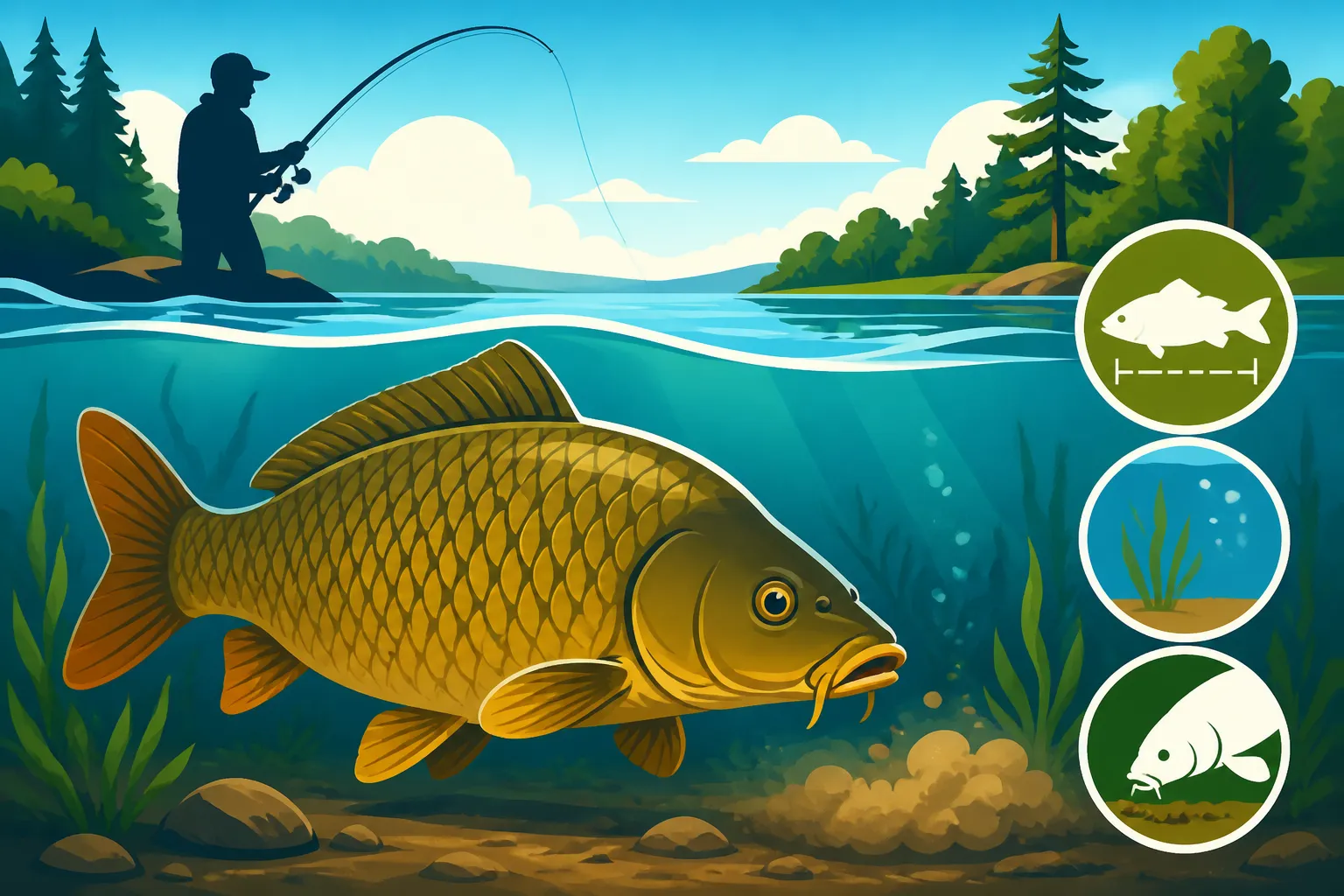
Let's start with the basics. A common carp is a large, sturdy freshwater fish characterized by its elongated body, two pairs of barbels (whiskers) around its mouth, and large, prominent scales. Their coloration can vary, usually ranging from olive-brown to golden-yellow on their flanks, fading to a lighter, often yellowish belly. They have a distinct, somewhat bony mouth adapted for sifting through bottom sediments, which is a key part of their feeding strategy.
These fish are incredibly adaptable. They can thrive in a wide range of aquatic environments, from clear, cold waters to warm, murky, and oxygen-poor conditions that many other game fish wouldn't tolerate. This adaptability is precisely what allowed them to spread so successfully throughout Ontario. While some might see them as an invasive species, they are now an established part of many ecosystems. Their presence certainly impacts the environment, particularly through their feeding, which can stir up sediment and affect water clarity, but they also contribute to the overall biomass and food web.
Why the Bad Rap? Dispelling Myths About Carp
The "bad rap" that common carp have often received is largely due to a combination of historical context and misunderstanding. When they were first introduced, it was hoped they would be a valuable food fish, but tastes in North America evolved differently. Their tendency to muddy waters, especially in high concentrations, also drew criticism, as it was perceived to degrade habitat for native species. This led to them being labelled as "rough fish" or "trash fish," a stigma that, unfortunately, has been hard to shake for many traditional anglers.
However, in many parts of the world, carp are revered as a premier game fish, and this appreciation is slowly but surely gaining traction in Ontario. Anglers who learn to target them discover a fish that fights incredibly hard, makes powerful runs, and tests both tackle and patience. The intelligence and wariness of larger carp make them a truly challenging species to pursue. They are not easily fooled, and catching a big one often requires specialized techniques, meticulous bait presentation, and a keen understanding of their habits. So, next time you hear someone dismiss a carp, remember the fierce fight they can put up and the dedication many anglers show to catch them. Common carp size and habits in Ontario lakes
Common Carp Size and Growth in Ontario Lakes
One of the most exciting aspects of common carp for anglers is their sheer size potential. These aren't your average panfish; carp can grow into truly enormous freshwater beasts, providing a thrilling battle on the end of a line.
Average Size and Weight Expectations
In Ontario's vast network of lakes and rivers, you'll find common carp ranging significantly in size. Most anglers regularly encounter carp in the 5 to 15-pound range. These are robust fish, typically measuring between 20 to 30 inches in length. Even a carp of this size offers a formidable fight, bending rods and peeling line off reels with surprising power. They are chunky, muscular fish that gain weight quickly, especially in environments rich with food.
It's not uncommon, however, to hook into carp in the 20 to 30-pound bracket. These are truly impressive specimens, often thicker through the shoulders and deeper in the body. Imagine reeling in a fish the size of a small dog, and you're getting close to the experience of landing one of these monsters! The sheer bulk and sustained power of a large carp are what draw many dedicated carp anglers to the pursuit. If you're looking for a serious challenge without having to venture far, these readily available fish offer just that.
Factors Influencing Carp Growth and Record Potential
What makes some carp grow into absolute behemoths while others remain more modest in size? It primarily boils down to environment, diet, and age. Carp are opportunistic feeders, and in waters with an abundant food supply—think nutrient-rich lakes, river systems with plenty of aquatic invertebrates, or even areas near agricultural runoff—they have a nearly unlimited buffet. Warmer water temperatures also play a role, as they can maintain higher metabolic rates and feed more actively for longer periods.
Ontario boasts a fantastic network of water bodies that offer prime conditions for carp to reach impressive sizes. Lakes with extensive shallow, weedy bays, slow-moving rivers with soft bottoms, and areas with stable, consistent food sources are often hotspots. For instance, large systems like Lake Erie, Lake Simcoe, and parts of the Trent-Severn Waterway have reputations for producing massive carp. If you're serious about targeting these bigger fish, investing in a reliable fishing scale that can handle weights upwards of 50-60 pounds is a must. You can find many robust, waterproof options perfect for a day on the water through retailers like Amazon, ensuring you accurately record your personal bests.
Ontario's Trophy Carp: What to Expect
When we talk about "trophy" carp in Ontario, we're generally looking at fish that tip the scales at 20 pounds and above, with truly exceptional specimens pushing past the 30 and even 40-pound mark. These are the giants that dedicated carp anglers dream of. Catching a carp in this league is a test of skill, patience, and appropriate gear. Anglers often spend hours, or even days, pre-baiting an area to attract these larger, warier fish.
You'll typically find these true trophies in the largest, most productive water bodies. Think about extensive, fertile areas where they can feed undisturbed and grow for many years. River systems, big bays of the Great Lakes, and some of the larger inland lakes are prime candidates. They are often older fish, having survived numerous angling attempts and natural predators, making them incredibly cunning. Landing one requires not just strong tackle, but also careful handling to ensure their safe release. Specialized nets, sometimes called "carp cradles" or unhooking mats, are essential for big fish and can be easily sourced from outdoor gear suppliers, including Amazon, which offers a wide selection. For those seeking the ultimate challenge, Ontario definitely holds the potential for once-in-a-lifetime common carp. You might also be interested in learning about Ontario Provincial Fish Records by Species to see how big other fish get!
Habits of Common Carp in Ontario Lakes and Rivers
Understanding the habits of common carp is key to locating them, enticing them to bite, and ultimately bringing them to the net. These fish are creatures of routine, but also highly adaptive to their environment.
Diet and Feeding Behavior
Common carp are primarily bottom feeders and omnivores, meaning their diet is incredibly varied. They spend a significant amount of their time sifting through the lakebed or river bottom, using their sensitive barbels to detect food items. They'll suck up mouthfuls of sediment and then filter out whatever edible bits they find, expelling the rest. This feeding behavior is why they're often associated with muddy water, especially in shallow areas where concentrations are high.
Their menu includes a wide array of items: aquatic insects and their larvae (chironomids, caddisflies), crustaceans (like amphipods and crayfish), worms, mollusks, and even small fish. Plant matter, such as seeds, aquatic vegetation, and algae, also makes up a significant portion of their diet. Because of this varied diet, they can thrive in almost any aquatic environment, which contributes to their widespread success in Ontario. This broad palate also makes them susceptible to a variety of baits, from simple kernel corn to more sophisticated boilies (specially formulated, hardened bait balls). Their strong sense of smell and taste is crucial for finding food in murky water, making scented baits particularly effective.
Habitat Preferences and Seasonal Movements
Carp prefer warm, shallow, and often turbid (murky) waters with plenty of aquatic vegetation and soft, muddy bottoms. These areas provide both abundant food sources and cover from predators. You'll often find them in the quiet bays of larger lakes, backwaters of rivers, slow-moving canals, and even larger ponds. They are less common in very cold, clear, or fast-flowing water, though they can certainly survive in such environments.
Their movements are largely dictated by water temperature and food availability. In spring, as water temperatures rise, carp move into shallow areas to feed actively and prepare for spawning. During the summer, they'll remain in these warmer, food-rich zones, often found near weed lines, lily pads, or submerged structures. As autumn approaches and water temperatures begin to drop, they may move to slightly deeper, more stable water, still feeding voraciously to build up fat reserves for winter. In winter, their metabolism slows significantly, and they become much less active, often congregating in deeper holes or basins where temperatures are more stable. While not typically targeted for ice fishing, they are certainly still present under the ice. Learning about Ontario Fishing Seasons by Zone and Month can help you understand general fish movements.
Spawning Habits and Reproduction
Common carp typically spawn in late spring or early summer, usually when water temperatures reach a sustained level above 18°C (around 65°F). This is often a boisterous affair, with large groups of fish moving into extremely shallow, vegetated areas like flooded grasslands, lily pad fields, or dense weed beds. The spawning ritual is quite energetic, with male carp chasing females, splashing and thrashing about. This activity can be quite visible and audible from shore, attracting attention even from non-anglers.
A single female carp can lay an astonishing number of eggs, sometimes over a million, which are sticky and adhere to aquatic vegetation. There is no parental care; the eggs are left to hatch on their own, usually within a few days, depending on temperature. This high reproductive capacity, combined with the hardiness of the fry, contributes significantly to their ability to maintain strong populations. While some might express concern about carp disrupting the spawning beds of other species, their impact is generally less direct than often perceived. They are habitat generalists that tend to coexist, though their bottom-feeding can certainly alter the immediate environment. If you're looking for areas that might hold a variety of species, our Ontario Fisheries Management Zones, Explained guide can provide insights.
Fishing for Common Carp in Ontario: An Angler's Perspective
Carp fishing has evolved significantly from simply tossing out a piece of bread. It's now a highly specialized and rewarding pursuit for many Ontario anglers.
Tackle and Techniques for These Fighters
To successfully target common carp, especially the larger ones, you'll need tackle that can stand up to their impressive power. Forget your ultralight panfish setups; we're talking about robust gear here!
- Rods: Medium-heavy to heavy spinning or baitcasting rods, typically 7 to 12 feet long, with a strong backbone are ideal. Many dedicated carp anglers prefer specialized carp rods, which are often longer and have a parabolic action designed to absorb powerful runs.
- Reels: Large-capacity spinning reels (4000-6000 series) or baitcasting reels capable of holding a good amount of heavy line are necessary. Look for reels with smooth, strong drags, as a carp will test it repeatedly.
- Line: Monofilament lines in the 15-25 pound test range are common, offering a good balance of strength and shock absorption. Some anglers prefer braided line for its sensitivity and strength, often paired with a fluorocarbon leader for abrasion resistance.
- Baits: This is where carp fishing gets interesting. While simple corn kernels (often flavored) are still effective, specialized baits like boilies (available in various flavors and sizes, often from online retailers like Amazon), dough balls, sweet potatoes, and even luncheon meat are incredibly popular. Pre-baiting an area for a few days before you fish can significantly increase your chances.
- Rigs: Hair rigs are almost universally used by serious carp anglers. This involves tying the hook to a small piece of line (the "hair") that protrudes from the main line, allowing the bait to sit freely off the hook. This ensures the carp hooks itself cleanly when it inhales the bait, as it can't feel the hook within the food.
Where and When to Target Them
Knowing where and when to find carp is crucial. As discussed, they love warm, shallow, vegetated water.
- Locations: Look for them in shallow bays, river eddies, slow-moving channels, and areas with dense weed beds or lily pads. Pay attention to visible signs like muddy water patches (their feeding activity), rolling fish (jumping out of the water), or tails sticking out of the surface as they feed. Often, public docks, bridges, or even provincial park campgrounds on suitable waters will provide accessible shore fishing opportunities. Best Shore Fishing Spots in Ontario and Ontario Provincial Park Fishing Guide can help with location scouting.
- Seasons: Late spring, summer, and early fall are prime times. As the water warms, their metabolism increases, and they become active feeders. Early mornings and late evenings are often the most productive times, especially during the heat of summer, but carp can be caught throughout the day.
- Stealth and Patience: Carp are wary fish. Approach your fishing spot quietly, avoid loud noises or heavy footsteps on the bank. Long casts and keeping your distance can be beneficial. Patience is perhaps the most important virtue in carp fishing; it's often a waiting game, but the reward of a screaming reel and a powerful fight is well worth it.
Catch and Release Considerations
Given the size and fighting power of common carp, proper catch and release techniques are paramount to ensure their survival and maintain healthy populations.
- Landing Net: A large, soft-mesh landing net is essential. This helps to safely scoop the fish without damaging its fins or scales.
- Unhooking Mat: An unhooking mat (a padded mat on which to place the fish) is highly recommended, especially for larger carp. This protects the fish from rough ground and makes unhooking easier and safer for both the fish and the angler. Again, these specialized items are readily available from angling suppliers and marketplaces like Amazon.
- Minimize Time Out of Water: Keep the fish out of the water for the absolute minimum amount of time. If you want a photo, prepare your camera beforehand and have someone ready to take the shot quickly.
- Gentle Handling: Support the fish's full weight, especially when lifting it for a photo. Avoid squeezing its belly or gills.
- Revival: If the fish seems stressed, hold it gently upright in the water until it regains its strength and can swim away on its own.
By practicing responsible catch and release, you're contributing to the future of carp fishing in Ontario and showing respect for these magnificent, often underestimated, freshwater fighters.
| Feature | Common Carp Characteristics in Ontario |
|---|---|
| Appearance | Large scales, olive to golden-brown, yellowish belly, two pairs of barbels |
| Average Size | 5-15 lbs, 20-30 inches (commonly encountered) |
| Trophy Potential | 20-40+ lbs, can exceed 35 inches (in specific large, fertile waters) |
| Habitat | Warm, shallow, weedy, turbid lakes, rivers, canals, soft bottoms |
| Diet | Omnivorous; aquatic insects, crustaceans, worms, plant matter, detritus |
| Feeding Style | Bottom feeder, sifts through sediment with barbels |
| Spawning | Late spring/early summer, in shallow, vegetated areas, noisy and prolific |
| Fight Quality | Powerful, sustained runs, strong fighter |
| Angler Perception | Historically mixed, growing appreciation as a challenging game fish |
Disclaimer
This article is for general informational purposes only and does not constitute professional advice. Laws, prices and regulations vary by location and change over time. Consult a qualified professional for guidance on your specific situation.