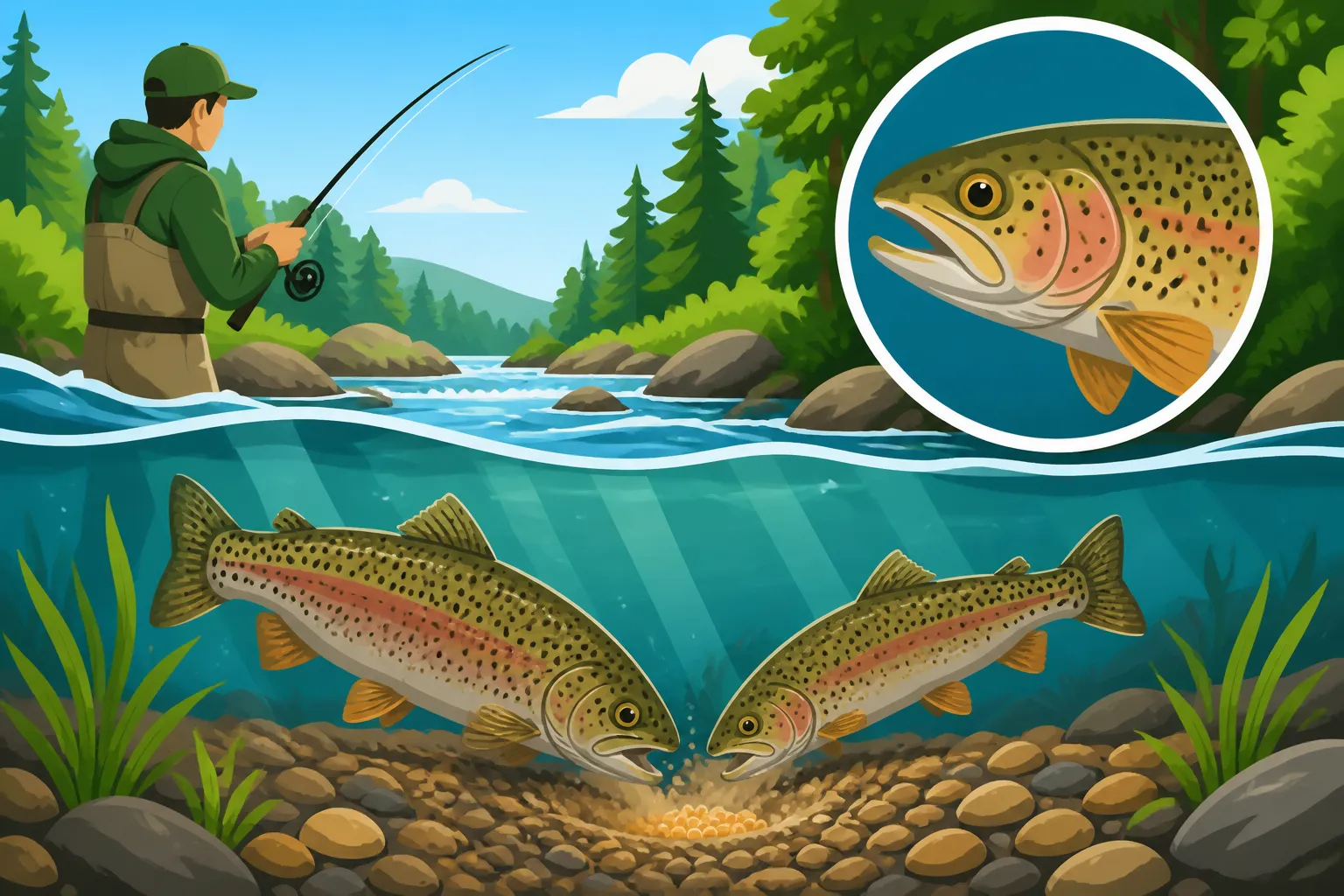
Do Trout Reproduce Naturally in Ontario Streams?
It's a question that weighs on the minds of so many anglers, especially those of us who dream of battling a truly wild fish in a pristine setting: do Ontario's trout streams actually hold naturally reproducing populations, or are we just casting over fish put there by a stocking truck? It’s a valid question, full of hope and sometimes a little bit of skepticism, because let's be honest, finding truly wild trout can feel like searching for a needle in a very large, often heavily fished, haystack. This guide is here to shed some light on the reality of natural trout reproduction in our beautiful province's waterways.
The Heart of the Matter: Yes, Many Do!
The short answer is a resounding "yes," but it's not a simple one-size-fits-all situation across every stream in Ontario. Our province is vast, with an incredible diversity of waterways, and the success of natural trout reproduction hinges on a complex interplay of factors, including the species of trout, the specific habitat, water quality, and environmental pressures. While stocking programs are undeniably important, many of Ontario's streams and headwaters are quiet nurseries for wild, self-sustaining trout populations.
Native Brook Trout: The True Wild Ones
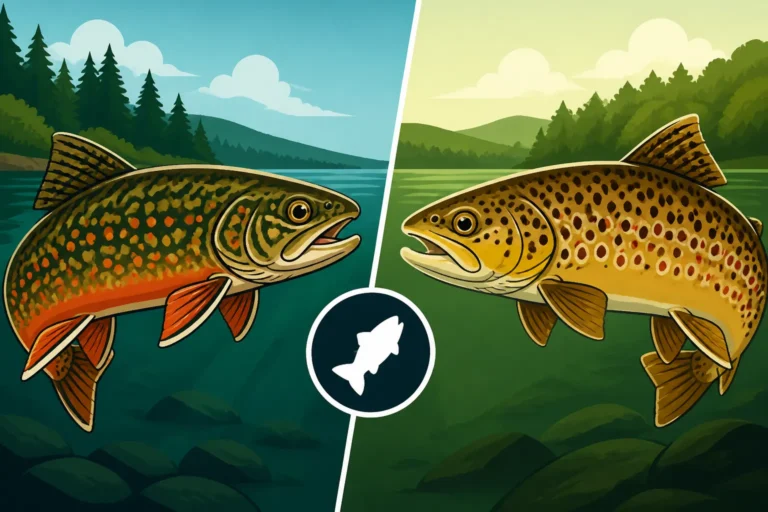
When we talk about naturally reproducing trout in Ontario, the brook trout (Salvelinus fontinalis) is often the first, and most iconic, species that comes to mind. These beautiful fish are native to Ontario, having graced our cold, clean waters for millennia. They are the champions of natural reproduction here, thriving in the remote, undisturbed headwater streams, spring creeks, and small rivers of the Canadian Shield and beyond.
Wild brook trout need very specific conditions to successfully spawn and for their fry to survive. They seek out areas with clear, cold, highly oxygenated water and gravel bottoms, often where groundwater seeps up, providing a stable temperature for their eggs through the winter. These areas are typically found far from human disturbance, tucked away in forests or wilderness areas. You'll often find them in pristine spots that require a bit of a hike or paddle to reach, places where the water runs clear as glass over a mix of small stones and pebbles, perfect for constructing their redds (spawning nests). Protecting these delicate brook trout habitats is paramount, and many conservation efforts are focused on ensuring these wild populations continue to thrive for generations to come. Brook Trout in Ontario's Crown Land Lakes are a prime example of these resilient wild populations.
Naturalized Brown Trout: Adapting to Ontario
Brown trout (Salmo trutta) are not native to North America, let alone Ontario, but they have been introduced to many parts of the world, including our province. What's fascinating about brown trout in Ontario is their incredible adaptability. While many populations are sustained through stocking, there are numerous streams, particularly in southern Ontario, where brown trout have established strong, self-sustaining, naturally reproducing populations.
These hardy fish are often a bit more tolerant of slightly warmer water temperatures and some habitat degradation than their brook trout cousins, which has allowed them to colonize and thrive in streams that might not be pristine enough for brook trout. Rivers like the Grand River and the Credit River, while subject to human pressures, have sections known for their wild brown trout populations. They'll also seek out gravel bottoms for spawning, often in riffle sections of rivers, and their fry are quite robust. Anglers who chase these naturalized brown trout often speak of their cunning and fighting spirit, a testament to their wild origins. Finding these fish is a thrill, knowing they've survived and reproduced without direct human intervention.
Rainbow Trout: A More Complicated Story
Rainbow trout (Oncorhynchus mykiss), much like brown trout, are not native to Ontario. They were introduced from the Pacific coast of North America and have become a beloved sport fish, especially the migratory steelhead strains that run into our Great Lakes tributaries. When it comes to natural reproduction in Ontario's smaller streams, the story for rainbow trout is a bit more nuanced.
While some natural reproduction does occur, especially in the larger Great Lakes tributaries where migratory rainbow trout (steelhead) return to spawn, it's generally less prevalent and successful in smaller, inland streams compared to brook or brown trout. The conditions required for their eggs and fry to survive can be specific, and many of the populations in smaller, landlocked lakes or streams are largely sustained through regular stocking programs. However, when you're fishing a major river like the Ganaraska or the Nottawasaga during a spring run, you are often targeting fish that, while originating from stocked populations, are making their own valiant efforts to reproduce naturally in those larger river systems. It's a testament to the fish's drive, even if the success rate in truly isolated streams can be lower.
The Delicate Dance of Trout Reproduction
Understanding why some streams host thriving wild trout populations and others don't comes down to a delicate balance of ecological factors. Trout are highly sensitive creatures, and their ability to reproduce naturally is often a barometer for the overall health of an aquatic ecosystem. It's a dance where every step, from clean water to proper cover, is crucial.
Perfect Spawning Habitat: What Trout Need
For trout to reproduce naturally, they require specific spawning habitat – usually clean, loose gravel beds in areas with consistent water flow. These gravelly patches, often called redds, are where female trout deposit their eggs, and males fertilize them. The flow of water over these redds is vital, as it constantly oxygenates the eggs and flushes away waste. If the gravel is silted in by runoff from agricultural fields, logging operations, or urban development, the eggs can suffocate. Imagine trying to breathe when your entire bed is covered in fine mud – that's what happens to trout eggs in silted gravel.
Beyond the redds, the surrounding habitat is just as important. Overhanging banks, submerged logs, and riparian vegetation (trees and shrubs along the stream banks) provide essential cover for adult trout, offering refuge from predators and strong currents. This vegetation also shades the water, keeping temperatures cool, which is critical for trout survival. Without healthy riparian zones, streams can become warmer, more exposed, and less hospitable to trout, making natural reproduction a struggle.
Water Quality and Temperature: The Lifeblood of Reproduction
Cold, clean, and highly oxygenated water is the absolute lifeblood of naturally reproducing trout. Trout, especially brook trout, are cold-water species. Their metabolic rates are adapted to cooler temperatures, and warm water stresses them, making them more susceptible to disease and reducing their ability to grow and reproduce. Temperatures that consistently exceed their preferred range, particularly during the summer months, can be lethal or severely impact spawning success.
Pollution is another massive hurdle. Runoff containing pesticides, herbicides, excess nutrients from fertilizers, or even sediment from construction sites can devastate trout populations. These pollutants can directly kill fish, deform fry, or lead to algal blooms that deplete oxygen levels, rendering a stream uninhabitable. A healthy, naturally reproducing trout stream is a testament to the excellent water quality in its watershed, free from significant human-caused contamination. This is why groups work tirelessly to protect areas with healthy watersheds, often advocating for better land use practices upstream.
The Threat of Predation and Competition
Even with perfect habitat and pristine water, trout still face challenges from predators and competitors. Young trout, in particular, are vulnerable to a wide array of predators, including larger fish (like northern pike or even larger trout), birds (like kingfishers and ospreys), and mammals (like mink and otters). A healthy stream ecosystem includes these predators, but excessive predation can hinder recovery or expansion of wild trout populations.
Competition from other fish species can also impact natural reproduction. In some systems, introduced species or overly abundant coarse fish can compete with young trout for food and space. Brown trout, for example, while naturalizing well, can sometimes outcompete native brook trout if their habitats overlap significantly, especially in slightly warmer conditions. It's a delicate balance, and any shift can impact the survival rates of vulnerable trout eggs and fry.
The Role of Stocking in Ontario's Trout Fisheries
Given the delicate nature of natural trout reproduction and the many challenges streams face, stocking plays a significant role in Ontario's fishing landscape. It's not always about replacing natural reproduction but often about enhancing opportunities and mitigating pressures.
Supplementing Wild Populations vs. Put-and-Take Fisheries
When we talk about stocking, it's important to understand there are generally two main goals. The first is to supplement existing wild populations, especially in systems where natural reproduction might be present but not robust enough to support fishing pressure. In these cases, stocked fish might be introduced to boost numbers, ensuring there are enough fish for anglers while the wild population continues its vital work. The hope here is that these stocked fish can survive, grow, and ideally, integrate and even contribute to the genetic diversity of the wild population, although this is a complex ecological discussion.
The second, and more common, goal is to create "put-and-take" fisheries. These are often found in easily accessible lakes or ponds near urban centres, where natural reproduction is minimal or impossible due to unsuitable habitat or water conditions. These waters are stocked regularly with catchable-sized trout, primarily to provide recreational fishing opportunities for anglers. These fisheries are incredibly popular, especially for families and beginners, as they offer a reliable chance to catch fish. The fish stocked in these locations are generally not expected to reproduce naturally, and the fishery is sustained entirely by ongoing stocking efforts. Ontario's Ministry of Natural Resources and Forestry manages these programs carefully.
Why Stocking is Still Essential
Despite the romance of wild trout, stocking programs remain absolutely essential for several reasons. Firstly, angler demand for trout fishing is incredibly high in Ontario. Not every stream can support a thriving wild population, and if we relied solely on natural reproduction, many areas would simply have no trout fishing at all. Stocking provides accessible opportunities across the province, reducing pressure on sensitive wild populations in other areas.
Secondly, stocking can be a valuable conservation tool. By providing fishing opportunities elsewhere, it can divert angler effort away from fragile wild trout streams, giving those natural populations a better chance to thrive undisturbed. It also allows for the re-establishment of trout in waters where populations have been lost due to historical habitat degradation, though long-term success still depends on habitat restoration. Many anglers start their journey in a stocked pond, developing a passion that later leads them to appreciate and protect the wild fish. You can learn more about where to find these opportunities in our List of Ontario stocked trout lakes article.
Finding Naturally Reproducing Trout Streams
So, how does one go about finding these elusive, naturally reproducing trout streams in Ontario? It takes a keen eye, a bit of research, and often, a willingness to explore off the beaten path. These aren't usually the heavily signed, easy-access spots.
Looking for the Right Conditions
The first step is to become a detective of the landscape. Look for streams in areas with extensive forest cover, minimal agricultural activity, and few signs of heavy industrial or urban development. Headwaters and small tributaries are often good starting points, as they are less prone to downstream impacts. Water temperature is key: streams fed by cold springs or those that remain consistently cool through the summer are prime candidates. Use a thermometer during warm weather – if the water is consistently above 65°F (18°C) in summer, it's unlikely to hold thriving wild trout populations, especially brook trout.
Observe the stream bottom: do you see clean gravel and cobble, or is it heavily silted? Are there plenty of natural features like downed trees, undercut banks, and boulders that provide cover? A healthy riparian zone with mature trees and shrubs is a huge indicator of good habitat. The Ontario Fish ON-Line interactive zone map can be a fantastic tool to start your research, allowing you to identify potential areas and understand the different Ontario Fisheries Management Zones, Explained where various regulations apply. Sometimes, talking to local conservation groups or long-time bait shop owners (who might be reluctant to share their secret spots, but can offer general guidance) can provide valuable insights.
Conservation Efforts and Angler Responsibility
The truth is, naturally reproducing trout streams are precious and increasingly rare gems. If you are lucky enough to find one, the responsibility to protect it falls squarely on your shoulders. Practice strict catch-and-release, especially for native brook trout, using barbless hooks and minimizing handling time. Consider using specific nets like the ones found on Amazon that are rubberized and knotless to minimize harm to fish. These fish have fought hard to survive and reproduce, and their future depends on our care.
Support local conservation organizations that are actively working to protect and restore trout habitat. This might involve participating in stream clean-ups, riparian planting projects, or advocating for stronger environmental protections. Understanding and following Ontario Fishing Regulations Explained, including specific bag and possession limits and season dates, is also crucial, especially on designated Special Regulation Waters in Ontario or Ontario Catch and Release Only Waters. Every angler has a role to play in ensuring that these wild trout populations continue to grace our Ontario streams, not just for us, but for future generations who dream of the same wild encounter.
| Trout Species | Native to Ontario? | Likelihood of Natural Reproduction in Ontario Streams | Typical Habitat | Key Factors for Success |
|---|---|---|---|---|
| Brook Trout | Yes | High (in suitable habitat) | Cold, clear, oxygenated headwaters, spring creeks | Pristine water quality, stable cold temperatures, gravel beds, minimal human impact |
| Brown Trout | No | Moderate to High (in suitable streams) | Cooler rivers, larger creeks, more tolerant of habitat changes | Good water quality, gravel spawning areas, food sources, less sensitive to slight warming |
| Rainbow Trout | No | Low to Moderate (primarily in Great Lakes tributaries) | Great Lakes tributaries (steelhead), some stocked inland waters | Access to spawning gravel, sufficient water flow, specific temperature ranges during spawning runs |
Disclaimer
This article is for general informational purposes only and does not constitute professional advice. Laws, prices and regulations vary by location and change over time. Consult a qualified professional for guidance on your specific situation.