List of Ontario stocked trout lakes
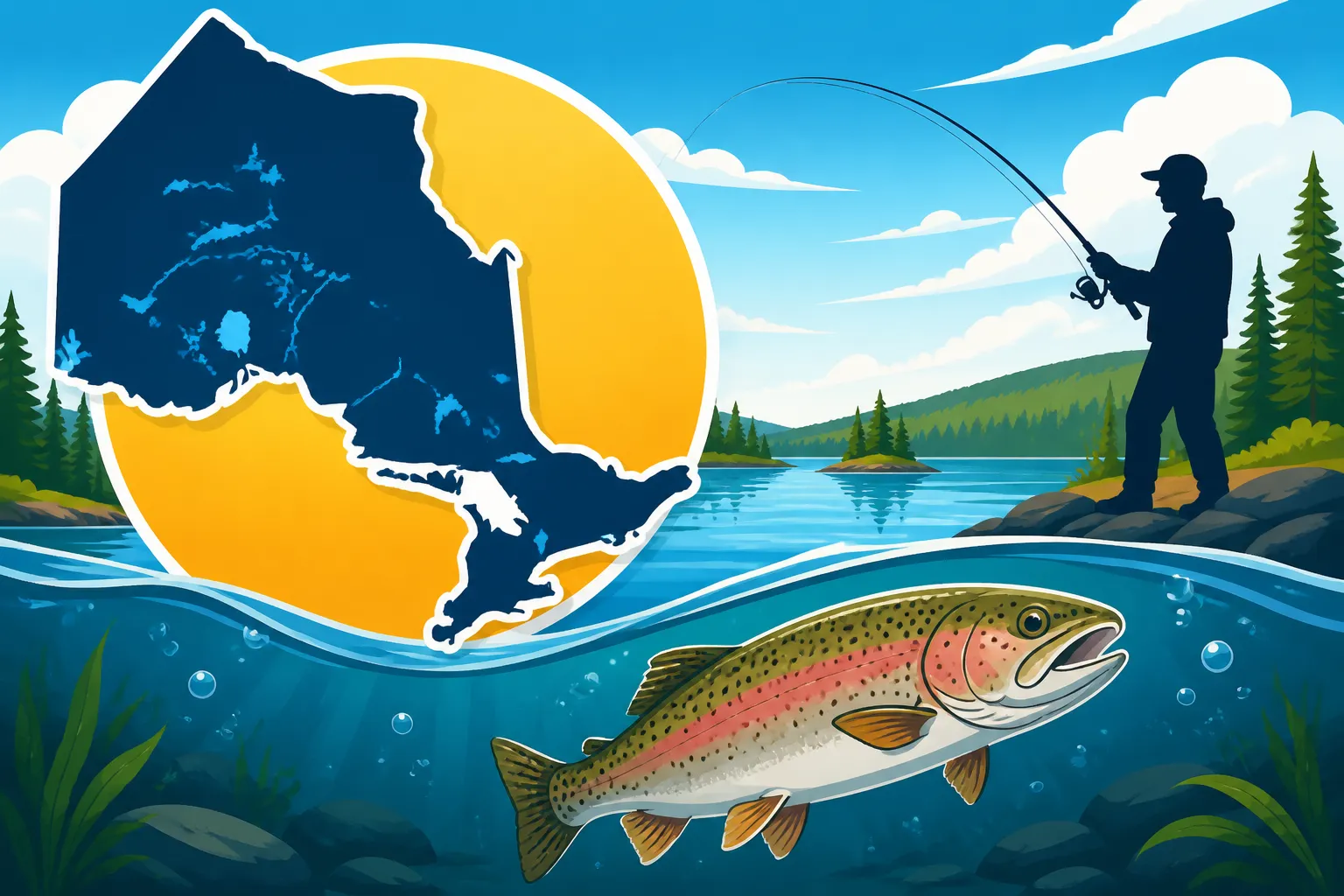
It can feel incredibly frustrating to want to spend a relaxing day fishing, only to stare at a vast body of water with no idea where to even begin looking for fish, especially if you're hoping to target trout. Many anglers, myself included, have spent countless hours wondering if a particular lake holds any trout at all, or if we’re just casting into an empty void. This comprehensive guide is here to take the guesswork out of finding those fantastic trout opportunities by detailing how to discover and successfully fish the many stocked trout lakes across Ontario.
Understanding Ontario's Trout Stocking Program
Ontario's trout stocking program is a vital component of our provincial fisheries management, playing a huge role in creating and sustaining fishing opportunities for countless anglers, from seasoned veterans to families just getting started. It's not just about throwing a few fish into a lake; it's a carefully planned and executed strategy that impacts our fishing experiences year-round.
Why Ontario Stocks Trout Lakes
The primary reason the Ministry of Natural Resources and Forestry (MNRF) dedicates significant resources to stocking trout lakes is to enhance angling opportunities. Let's be honest, not every lake naturally supports a thriving trout population, especially in more accessible or heavily fished areas. Stocking helps to relieve pressure on wild, self-sustaining populations in other areas, preventing overfishing and allowing those sensitive ecosystems to flourish. Think of it as creating a "put-and-take" fishery where anglers can enjoy a high likelihood of success without impacting more delicate, wild trout streams. This is particularly important for areas closer to urban centers, where natural trout habitats might be limited or degraded.
Beyond just creating catchable fish, stocking also serves to introduce species into waters where they might not naturally occur, or where native populations have been depleted. This diversity in fishing opportunities is fantastic; it means you can often find different trout species in various lakes, offering a different challenge or experience. For example, some lakes might be stocked with Rainbow Trout for their spirited fight, while others receive Brook Trout, a true Ontario gem.
How Stocking Programs Operate
The backbone of Ontario's stocking program relies on the excellent work done at provincial fish culture stations, essentially high-tech hatcheries. These facilities, like the White Lake Fish Culture Station or the North Bay Fish Culture Station, raise millions of fish each year, ensuring a healthy supply for stocking purposes. They focus on several key trout species including Rainbow Trout, Brook Trout, Brown Trout, and Splake (a hybrid of Brook Trout and Lake Trout, specifically bred for angling in certain lakes).
Fish are typically stocked at various sizes, depending on the program's goals. Some are released as "fingerlings" (small, juvenile fish) intended to grow larger over time, creating a "put-grow-and-take" fishery where patience can lead to bigger rewards. Others are stocked as "yearlings" or "legal-size" fish, meaning they are ready for immediate angling. These larger fish are often released in spring and fall, coinciding with peak angling seasons and ensuring a good chance of immediate success for anglers. The release process itself is carefully managed, often involving specialized trucks that transport fish directly to designated access points, ensuring their health and survival. The MNRF continually monitors these programs, adjusting stocking numbers and locations based on angler feedback, fish survival rates, and environmental conditions.
Reading the Stocking Schedules
Finding out when and where trout are stocked is half the battle, and thankfully, the MNRF makes this information publicly available. The official source for all stocking data is the Ministry of Natural Resources and Forestry's Fish ON-Line tool. This fantastic online resource allows you to search by lake, species, or even management zone to see past and sometimes projected stocking events. It's crucial to check this directly because local conditions or unexpected issues can always alter plans.
While the Fish ON-Line tool is king, you might also find local stocking information through regional MNRF offices, conservation authorities, or even local bait shops and outdoor outfitters. These local sources often have specific knowledge about which access points are best, or if any smaller, unlisted ponds receive occasional stocking. Always cross-reference with official sources when possible to ensure you're getting the most accurate and up-to-date information. Understanding the stocking schedule is key to planning a successful trip, as freshly stocked fish can behave differently than those that have been in the lake for a while.
Navigating the Official Stocked Lakes Information
Alright, so you're ready to find some stocked trout! The good news is, Ontario provides excellent resources to help you pinpoint exactly which lakes are getting fish. Forget the old days of hearsay and rumors; we have data at our fingertips.
The Ministry of Natural Resources and Forestry (MNRF) Resource
The absolute cornerstone for anyone looking to fish stocked trout in Ontario is the Fish ON-Line Interactive Zone Map, Explained provided by the Ontario Ministry of Natural Resources and Forestry. This isn't just a map; it's a comprehensive database. You can filter by species, by waterbody name, or even zoom into a specific area to see what's nearby. It's user-friendly and regularly updated, making it the most reliable source of information out there.
To use it effectively, I recommend navigating to the site, familiarizing yourself with the interface, and then applying filters for "Trout" species. You can often select "Rainbow Trout Stocking in Ontario", "Brook Trout Native Range in Ontario", or "Splake Stocking in Ontario Lakes" specifically to narrow your search. This tool is invaluable, not just for stocked lakes but for understanding Ontario Fisheries Management Zones, Explained and specific regulations for each waterbody. Without this tool, you'd be flying blind!
What Information You'll Find
When you use the Fish ON-Line tool or review official stocking lists, you're going to get some very specific and helpful details. Typically, for each stocking event, you'll see:
- Lake Name: The specific body of water that was stocked. Sounds obvious, but sometimes names can be similar, so make sure it's the right one!
- Species Stocked: This will tell you exactly what kind of trout was released – Rainbow Trout, Brook Trout, Brown Trout, or Splake. Knowing the species helps you prepare the right tackle and tactics.
- Number of Fish: The sheer quantity of fish released. Larger numbers often mean better chances for anglers, especially soon after stocking.
- Size of Fish: This is usually reported as an average length or weight, indicating whether you're targeting small, eager pan-sized trout or larger, catch-and-release specimens.
- Stocking Date: Crucial information! Freshly stocked fish behave differently. If you're planning a trip, knowing the stocking date helps you anticipate how the fish might be distributed and what they might be feeding on. Sometimes, exact future dates aren't listed, but you can see historical patterns.
Tips for Interpreting Data
Simply looking at a list of stocked lakes isn't enough; you need to interpret the data to maximize your chances of success. Here’s what I usually look for:
- Recency is Key: Stocked trout are often most active and less wary in the days and weeks immediately following their release. They're exploring their new environment and feeding aggressively. Prioritize lakes with very recent stocking dates.
- Volume Matters: A lake stocked with 10,000 fingerlings is different from one stocked with 1,000 legal-sized fish. Consider the total number and size – more fish often means more action.
- Accessibility: Check the location. Is it a drive-to lake with easy public access, or something that requires a portage? The Fish ON-Line tool often provides basic location details, and then a quick check on Google Maps or a local conservation area website can give you exact access points.
- Local Regulations: Always, always double-check the specific Ontario Fishing Regulations Explained for that particular lake or zone. Sometimes, stocked lakes have special rules for limits or gear. Don't assume general regulations apply.
- Seasonal Patterns: Most stocking happens in spring and fall when water temperatures are optimal for trout survival. Plan your trips around these periods for the best success. Summer can be tough on stocked trout in shallower lakes if water temperatures rise too high.
By diligently using these resources and interpreting the data, you’ll be much better equipped to find fantastic trout fishing. Remember, a valid Ontario Fishing License Guide for 2026 and an Ontario Outdoors Card, Explained are always required for resident anglers, and different rules apply for visitors with a Non-Resident Annual Fishing License Cost in Ontario.
Popular & Accessible Stocked Trout Lakes Across Ontario
Ontario is a massive province, and trout stocking happens from the urban fringes of the Greater Toronto Area all the way up to the remote reaches of the far north. While I can't list every single stocked lake (that's what Fish ON-Line is for!), I can highlight some general regions and types of waters that are consistently stocked and offer great opportunities.
Southern Ontario Gems
Southern Ontario, despite its population density, offers a surprising number of excellent stocked trout fisheries, many within an hour or two's drive of major cities. These lakes and ponds are often part of conservation areas, provincial parks, or smaller municipal parks, making them incredibly accessible for a quick outing.
- Conservation Areas: Many conservation areas maintain regularly stocked ponds specifically for family fishing. For example, Island Lake Conservation Area in Orangeville or Guelph Lake often receive trout. These spots are usually well-maintained, have good access, and are perfect for introducing kids to fishing. They usually have daily fees, but the fishing experience is often very rewarding.
- Credit River and Tributaries: While known for its wild trout, sections of the Credit River and its feeder streams are also periodically stocked, particularly in the upper reaches. These can be fantastic for fly anglers or those who prefer stream fishing over lake fishing. Always check for specific regulations, as some areas might be Special Regulation Waters in Ontario with gear restrictions.
- Smaller Municipal Ponds: Don't overlook the little gems! Many towns and cities will stock small ponds within their parks. These might not hold monster trout, but they offer consistent action and are often perfect for a casual afternoon. Think of places like Heart Lake Conservation Area in Brampton or the ponds around St. Catharines.
Central Ontario Hotspots
As you move north into Central Ontario, the landscape changes, offering more rugged terrain and a greater abundance of lakes. This region is a true haven for trout anglers, with both stocked and wild opportunities.
- Algonquin Provincial Park: While Algonquin is famous for its wilderness canoeing and incredible Brook Trout in Ontario's Crown Land Lakes and Lake Trout, several accessible lakes within and around the park boundaries are regularly stocked. Often, these are lakes that get moderate pressure but are easy to get to, ensuring a good experience for those not wanting a multi-day portage trip. Check the specific park fishing regulations, as they can sometimes differ from general provincial rules.
- Muskoka and Haliburton Regions: This cottage country is dotted with hundreds of lakes, many of which are stocked with various trout species, especially Splake and Rainbow Trout. Lakes in the Haliburton Highlands, for instance, are known for receiving stockings to bolster their fisheries. These areas blend beautiful scenery with good fishing.
- Kawartha Lakes Region: While more known for its warmwater species like bass and walleye, some of the deeper, cooler lakes in the Kawartha system and surrounding areas do get trout. It's less common for these to be stocked with trout, but it's worth checking the Fish ON-Line tool for specific examples.
Northern Ontario Opportunities
Northern Ontario is vast and truly wild, home to countless remote lakes that boast incredible natural populations of Lake Trout, Brook Trout, and Speckled Trout. However, even in the north, stocking programs serve to create accessible fisheries closer to towns or in lakes that have seen declines.
- Thunder Bay and Surrounding Area: Many smaller lakes and ponds around larger population centers like Thunder Bay are regularly stocked. These offer local anglers convenient access to trout fishing without having to venture too far into the wilderness.
- Road-Accessible Lakes: While many northern lakes require float planes or extensive portages, the MNRF often focuses stocking efforts on lakes that are relatively easy to get to by road. This provides angling opportunities for a wider range of people. These lakes are typically found along major highways or secondary roads, ensuring year-round access, including for Ice Fishing in Ontario.
- Remote Lakes (Restoration Efforts): Sometimes, stocking efforts in the North are part of restoration projects in lakes where a native trout population has been impacted, for example, by invasive species or overfishing. These might not be high-volume "put-and-take" fisheries, but they are crucial for conservation.
Remember, the best way to find specific lakes is always through the official MNRF Fish ON-Line tool, which will have the most current and detailed information.
Here’s a sample of what you might find, though actual stocking details vary yearly:
| Lake Name (Example) | General Region | Primary Stocked Species | Typical Stocking Period | Common Access | Notes |
|---|---|---|---|---|---|
| Island Lake | Southern Ontario | Rainbow Trout | Spring & Fall | Conservation Area | Great for families, often good shore fishing |
| Eramosa River Pond | Southern Ontario | Rainbow Trout | Spring | Municipal Park | Urban fishing spot, easy access |
| Bass Lake | Central Ontario | Splake, Lake Trout | Spring & Fall | Provincial Park | Good boat access, beautiful scenery |
| Canning Lake | Central Ontario | Brook Trout | Spring | Public Launch | Mix of wild and stocked, check regulations |
| Graham Lake | Northern Ontario | Rainbow Trout | Spring & Fall | Forest Road | More remote, but still road accessible |
| Silver Lake (Thunder Bay) | Northern Ontario | Rainbow Trout | Spring | Public Shore/Launch | Popular local spot, often good ice fishing |
Note: This table provides hypothetical examples. Always check the official MNRF Fish ON-Line tool for current stocking data.
Tips for Fishing Stocked Trout Lakes
Now that you know where to find them, let's talk about how to catch them! Stocked trout, especially those recently released, can behave a bit differently than their wild counterparts. They often haven't developed the same wariness, making them a fantastic target for anglers of all skill levels.
Best Baits and Lures
Stocked trout aren't usually picky eaters, especially right after they've been introduced to a new environment. They're often eager to feed, which makes a wide variety of presentations effective.
- PowerBait and Worms: These are arguably the most consistent producers for stocked trout. PowerBait comes in various shapes, sizes, and scents, often mimicking the pelleted food they were raised on. Floating dough baits in bright colors (chartreuse, orange, rainbow) are particularly popular. Live worms, like red wigglers or nightcrawlers, are also incredibly effective, fished on a small hook with a minimal weight. A simple bobber rig or a light bottom rig will do the trick.
- Small Spinners and Spoons: For active fish, small inline spinners like a classic Mepps Aglia or a Panther Martin can be deadly. Sizes #0 to #2 are usually perfect. Small spoons, such as a Little Cleo or a Kastmaster, in silver, gold, or flashy colors, also work wonders. These lures cast well and their flashing action really grabs a trout's attention. You can find a great selection of these on Amazon if your local tackle shop is out.
- Flies: If you're into fly fishing, small nymphs (Prince Nymph, Hare's Ear), wet flies (Woolly Bugger), and even dry flies (Griffith's Gnat, Adams) can be incredibly effective, particularly if the fish have been in the lake for a while and have started keying in on natural insects. Look for subtle hatches or focus on imitating aquatic insects. Check out our guide on Fly Fishing for Trout in Ontario for more in-depth fly recommendations.
- Small Jigs: Tiny jigs tipped with a small piece of worm, PowerBait, or a soft plastic can also be surprisingly effective, especially when jigged slowly near the bottom or suspended under a bobber.
Targeting Recently Stocked Fish
When trout are first stocked, they're often a bit disoriented but very hungry. This presents a unique opportunity for anglers.
- Stay Near Release Points: Often, fish will linger close to where they were released for a few days before dispersing. If you know the exact access point, start there.
- Active Feeding: These fish are less wary and more likely to strike aggressively. Don't be afraid to experiment with brighter, more active lures. Cast and retrieve spinners or spoons with a steady, moderate pace.
- Schooling Behavior: Recently stocked trout often stay in loose schools. If you catch one, there are likely more in the immediate area, so keep casting!
- Think Simple: You don't need complex rigs or exotic baits. Simple methods, often with high-visibility presentations, are typically most effective.
Seasonal Considerations
The time of year significantly impacts trout behavior and the best ways to target them in stocked lakes.
- Spring: This is prime time! Water temperatures are cool, and fish are very active. Spring stockings provide fantastic "opening day" opportunities. Focus on shallower areas where the water warms first.
- Summer: Summer can be challenging, especially in shallower lakes, as trout prefer cooler water. Look for deeper sections of the lake, springs, or areas with shade and cover. Early morning and late evening bites are often best. If a lake becomes too warm, it might become When Ontario trout streams get too warm to fish, and fishing success will drop.
- Fall: Another excellent season! As water temperatures drop, trout become very active again, feeding heavily before winter. Fish can be found throughout the water column, often shallower than in summer.
- Winter (Ice Fishing): Many stocked trout lakes offer incredible ice fishing opportunities. Trout will cruise under the ice, and small jigs, spoons, and live minnows can be very effective. Ensure the ice is safe, of course! Our guide to Best Ice Fishing Lakes in Ontario has more details.
Essential Gear for Stocked Trout
You don't need a boatload of specialized gear for stocked trout, which is part of their appeal. A basic setup will get you far.
- Light Spinning Rod and Reel: A 6-7 foot ultralight to light action spinning rod paired with a small spinning reel (1000 or 2000 series) is perfect. This setup allows for delicate presentations and still provides enough backbone to handle a feisty trout. You can find excellent value combos on Amazon or at local sporting goods stores like Sail or Bass Pro Shops.
- Light Line: Spool your reel with 4-6 lb monofilament or fluorocarbon line. Trout can be line-shy, especially in clear water. Fluorocarbon leaders are also a good idea for invisibility.
- Tackle Box Essentials: A small tackle box with a variety of hooks (size 8-12), small swivels, split shot weights, bobbers, and a selection of the baits and lures mentioned above (PowerBait, spinners, spoons) will cover most situations. Consider a small, portable tackle bag, also available on Amazon, for easy transport.
- Landing Net: A small, soft-mesh landing net is ideal for safely landing trout, especially if you plan on practicing catch and release.
- Pliers/Forceps: Essential for removing hooks quickly and safely, minimizing stress on the fish.
Having the right gear makes the experience much more enjoyable. And don't forget your valid fishing license and to check the local regulations for Ontario Bag and Possession Limits by Species for any specific lake you're targeting. Good luck, and tight lines!
Disclaimer
The information provided in this guide is for general informational purposes only and is not intended to be legal advice. Fishing regulations and stocking schedules in Ontario are subject to change by the Ministry of Natural Resources and Forestry (MNRF). Always consult the official Ontario Fishing Regulations Summary and the MNRF Fish ON-Line tool for the most current and accurate information before planning your fishing trip. Failure to comply with regulations may result in penalties.