How sea lamprey control affects Great Lakes fisheries
For anglers who cherish the incredible fishing opportunities the Great Lakes offer, nothing is more frustrating than seeing the health of these waters threatened. One of the longest-running battles for the Great Lakes has been against the invasive sea lamprey, an unwelcome guest that devastated fish populations for decades. This comprehensive guide will explore the profound impact of sea lamprey control efforts and how they have, over time, reshaped and revitalized the diverse fisheries we all know and love in Ontario's vast freshwater seas.
The Unwelcome Intruder: Understanding Sea Lamprey and Their Devastating Impact
Before we can appreciate the control efforts, it's crucial to understand just what a sea lamprey is and the sheer destruction it unleashed upon the Great Lakes ecosystem. Imagine a creature that looks like something out of a science fiction movie, a parasitic eel-like fish with a sucker mouth filled with rows of razor-sharp teeth. That's a sea lamprey, and its arrival in the Great Lakes through shipping canals in the early 20th century was nothing short of an ecological catastrophe. They weren't just another fish in the lake; they were a death sentence for many native species.
The Invasive Threat to Native Fish Populations
The sea lamprey's impact on native fish populations was immediate and brutal. Unlike native lamprey species that are non-parasitic or feed on smaller, less economically important fish, the sea lamprey targeted the very backbone of the Great Lakes' commercial and recreational fisheries: lake trout, salmon, whitefish, and even some larger walleye and northern pike. These fish had no natural defenses against such a predator. They hadn't evolved with a parasitic attacker that would latch onto their sides, rasp away scales and flesh with its suction-cup mouth, and feed on their blood and bodily fluids. The sheer numbers of sea lamprey, combined with the vulnerability of the native fish, led to a dramatic decline in once-thriving populations. It was a bleak period where the rich bounty of the Great Lakes seemed to be disappearing right before our eyes. Entire year classes of fish could be wiped out, leading to a domino effect throughout the food web.
Consider the once-abundant lake trout. Before the sea lamprey became established, these powerful fish were kings of the deep, providing both sustenance and sport. They were cornerstones of the commercial fishing industry and a prized catch for recreational anglers. With the sea lamprey's arrival, lake trout populations plummeted, in some areas by as much as 99%. Anglers found themselves casting into empty waters, and commercial fishers faced ruin. It wasn't just a reduction in catch; it was a fundamental shift in the ecological balance, pushing several species to the brink. This profound decline highlighted the urgent need for intervention, or else the Great Lakes as a viable fishery would be lost forever.
How Sea Lamprey Attack Their Prey
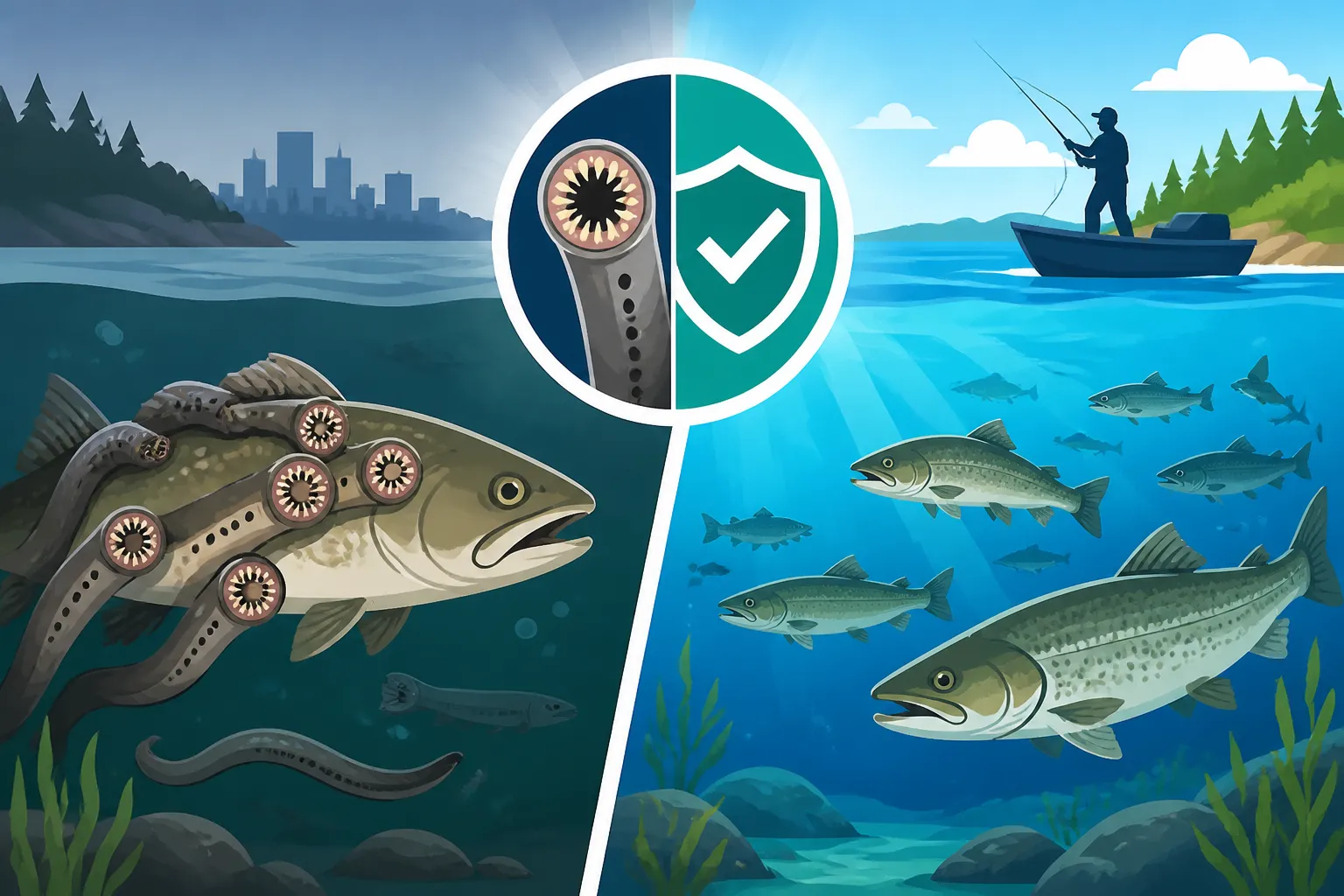
The method by which sea lamprey attack their prey is particularly gruesome and effective, which is why they were such a formidable foe. They use their specialized disc-like mouth, lined with concentric circles of sharp teeth and a rasping tongue, to firmly attach themselves to the body of a host fish. Once attached, they secrete an anticoagulant that prevents the host's blood from clotting, allowing them to continuously feed on blood and other bodily fluids. The lamprey essentially drills a hole into the side of the fish, weakening it and often leading to its death.
A fish that survives a sea lamprey attack is often left with a distinctive, nasty-looking circular scar. While some fish might live through one attack, repeated attacks drain their energy, leave them susceptible to infection, and impair their ability to feed, spawn, or escape other predators. It’s a slow, agonizing process for the host. When you look at What sea lamprey wounds look like on Great Lakes fish, you can truly grasp the severity of these attacks. The sheer number of lamprey in the Great Lakes meant that many fish would suffer multiple attacks, reducing their chances of survival to almost zero. This parasitic nature meant that a single lamprey could kill many fish over its lifespan, far more than a typical predator might consume, making their impact disproportionately destructive to the Great Lakes' aquatic ecosystem.
The Long Battle: A History of Sea Lamprey Control Efforts
The challenge of controlling sea lamprey was monumental. It wasn't simply a matter of removing a few unwanted species; it was about tackling an organism that had become deeply entrenched in an ecosystem the size of the Great Lakes. The story of sea lamprey control is one of scientific innovation, persistent effort, and international cooperation, particularly between Canada and the United States, through the Great Lakes Fishery Commission. Their commitment to reversing the ecological damage has been unwavering, leading to decades of research and implementation.
Early Efforts and Their Limitations
In the early days, before the scientific community fully understood the sea lamprey's life cycle, control efforts were, understandably, quite rudimentary and often ineffective. Mechanical barriers were one of the first ideas—structures built in rivers to block upstream migration of adult lamprey attempting to spawn. While these barriers did prevent some lamprey from reaching their spawning grounds, they often impeded the migration of desirable native fish as well, creating unintended ecological consequences. It was a classic "throw the baby out with the bathwater" scenario, where the solution created new problems for species like salmon and trout that also needed to migrate upriver to reproduce.
Another early approach involved trapping adult lamprey as they tried to move upstream. These traps, while capturing some lamprey, were never efficient enough to significantly reduce the overall population across the vastness of the Great Lakes and their numerous tributary rivers. The sheer scale of the problem meant that localized efforts, no matter how well-intentioned, couldn't make a dent in a widespread, prolific invader. These early attempts highlighted a critical lesson: effective control would require a deeper understanding of the lamprey's biology and a comprehensive, large-scale strategy that didn't inadvertently harm other species or ecosystems. It was a frustrating learning curve, but one that ultimately paved the way for more successful methods.
The Rise of Lampricides as a Primary Tool
The breakthrough in sea lamprey control came with the development of selective pesticides, specifically lampricides, in the 1950s. After extensive research, scientists identified compounds like TFM (3-trifluoromethyl-4-nitrophenol) that could target larval sea lamprey in their nursery habitats—the silty bottoms of tributary streams—with minimal harm to most other fish and aquatic organisms. This was a game-changer because it attacked the lamprey at their most vulnerable life stage, before they could mature into parasitic adults. The discovery of lampricides shifted the strategy from trying to catch adults to preventing them from ever becoming a problem.
The application of lampricides revolutionized the fight against sea lamprey. Teams meticulously survey rivers to identify larval lamprey habitats, then apply the lampricide at precise concentrations and durations. This targeted approach allowed for a much more efficient and impactful reduction in lamprey numbers compared to previous methods. The success of lampricides quickly became evident as native fish populations, particularly lake trout, began to show signs of recovery. While the use of any chemical in an ecosystem raises concerns, the selective nature of these lampricides and decades of rigorous testing and monitoring have shown them to be highly effective and safe when applied correctly. This tool truly turned the tide in the battle for the Great Lakes, proving that with scientific precision, even the most persistent invasive species can be managed.
Modern Control Methods and Their Positive Impact on Fisheries
Today, sea lamprey control is a sophisticated, multi-faceted operation, much more refined than the early, hit-or-miss attempts. It’s a testament to sustained scientific effort and collaborative spirit that the Great Lakes now support robust fisheries, many of which were teetering on the brink of collapse. The approach is no longer solely reliant on one method but employs an integrated strategy designed for long-term success. You can often find detailed reports and scientific studies about these methods available online or even through retailers like Amazon if you're keen to delve deeper into the research.
Integrated Pest Management (IPM) Approach
Current sea lamprey control utilizes an Integrated Pest Management (IPM) approach, combining several techniques to achieve maximum efficacy with minimal environmental impact. This isn't just about applying lampricides; it's about a holistic strategy. Physical barriers are still used in some rivers, but they are now often designed with fishways or modified to allow native species to pass while blocking or deterring lamprey. Sterilization programs, where male lamprey are captured, sterilized, and then released back into the wild to mate unsuccessfully, disrupt reproduction without killing any organisms directly. Trapping continues, but with more advanced designs and strategic placement to capture migrating adults, reducing the number that reach spawning grounds. These varied tools work in concert, creating a layered defense system that keeps sea lamprey populations at manageable levels.
The IPM approach demands constant monitoring and adaptive management. Biologists regularly assess lamprey populations, track their movements, and analyze the effectiveness of different control measures. This data-driven strategy allows for adjustments in tactics, ensuring resources are deployed where they will have the greatest effect. For example, if a specific river shows a resurgence in lamprey numbers, targeted lampricide applications or increased trapping efforts can be implemented. This smart, responsive management is critical for the long-term health of the Great Lakes, maintaining a delicate balance where native fish can thrive once again. This blend of science and practical application ensures the Great Lakes remain a world-class fishing destination.
How Control Efforts Benefit Desirable Fish Species
The benefits of sustained sea lamprey control are undeniable and have directly led to the resurgence of many desirable fish species across the Great Lakes. With fewer parasitic lamprey in the system, native fish like lake trout, whitefish, and even robust populations of Muskellunge Fishing in Ontario and Walleye Fishing in Ontario have a significantly higher survival rate. These fish are no longer constantly battling the debilitating effects of lamprey wounds, allowing them to allocate energy to growth and reproduction. For anglers, this translates directly into healthier, larger fish and more abundant catches, transforming the fishing experience from sparse and disappointing to vibrant and rewarding.
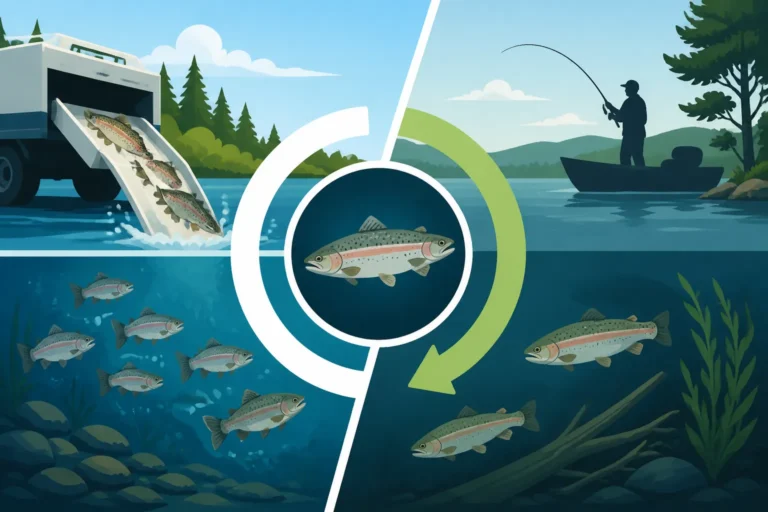
Consider the remarkable comeback of lake trout, which were once nearly extirpated from much of the Great Lakes. Thanks to decades of control, coupled with intensive stocking programs, lake trout have made a strong recovery. When you go Lake Trout Fishing in Ontario today, you're experiencing the direct result of these efforts. The populations of Chinook Salmon in Lake Ontario and Coho Salmon in the Great Lakes, which are heavily targeted by lamprey, also flourish when lamprey numbers are low. The economic ripple effect is huge, supporting tackle shops, charter operations, and tourism across Ontario. It's truly incredible to see how the targeted removal of an invasive species can restore an entire ecosystem, allowing both nature and human recreation to thrive once more.
Let's look at the impact on some key species:
| Fish Species | Pre-Control Sea Lamprey Impact | Post-Control Status (General) | Angler Impact |
|---|---|---|---|
| Lake Trout | Severely decimated, near extinction in some areas | Significant recovery, self-sustaining in some | Abundant, larger fish; excellent sport fishing |
| Chinook Salmon | High mortality rates due to lamprey attacks | Thriving populations, strong annual runs | Exceptional salmon fishing, especially on tributaries |
| Coho Salmon | High mortality rates, reduced lifespan | Healthy populations, contributing to sport | Consistent catches, vital for recreational anglers |
| Walleye | Vulnerable to attacks, especially larger fish | Stable and growing populations | Excellent fishing in targeted zones like Lake Erie |
| Whitefish | Historically impacted, wounds common | Improved health, commercial fishery viable | Important for commercial and some recreational fishing |
Challenges and the Future of Sea Lamprey Management
While sea lamprey control has been a resounding success story, the battle is far from over. Maintaining these gains requires continuous effort, significant funding, and ongoing vigilance. The Great Lakes are dynamic ecosystems, and new challenges are always emerging, meaning that the strategy against sea lamprey must also evolve. This commitment to ecosystem health is something that many, including passionate anglers and conservationists, truly value. If you're looking for more information on specific research or monitoring tools, a quick search on sites like Amazon might reveal specialized books or field guides used by professionals.
Balancing Efficacy with Environmental Concerns
One of the ongoing challenges in sea lamprey management is the delicate balance between effective control and minimizing any potential environmental concerns. While lampricides like TFM are highly selective, their use always requires careful consideration and monitoring to ensure they don't inadvertently affect non-target species or water quality. Scientists are continually researching new application methods, lower concentrations, and alternative control agents to make the process even more environmentally friendly. It’s a constant quest for refinement, driven by a deep respect for the complex ecosystems of the Great Lakes. The goal is to maximize the benefit to native fish while keeping the ecological footprint of control measures as small as possible.
This careful balancing act also extends to the physical barriers used in rivers. Designing structures that block lamprey but still allow trout, salmon, and other migratory fish to pass freely is an engineering and ecological challenge. Fishways and naturalized stream designs are constantly being improved, ensuring that native species can access crucial spawning habitats. It's a testament to the dedication of organizations like the Great Lakes Fishery Commission that they continually seek out and implement the best available science to ensure the long-term health of these vital waterways. Managing Invasive Fish Species in Ontario Waters is never a simple task, and the sea lamprey program exemplifies a commitment to sophisticated, adaptive solutions.
The Ongoing Commitment to Great Lakes Health
The success of sea lamprey control is not a one-time victory but rather an ongoing commitment. These efforts have fundamentally altered the ecological trajectory of the Great Lakes, transforming them from a system on the brink of collapse to one that supports thriving fisheries and biodiversity. Without continued funding and international cooperation, sea lamprey populations would undoubtedly rebound, erasing decades of hard-won progress. This is why organizations like the Great Lakes Fishery Commission and various provincial and state agencies dedicate themselves year after year to maintaining control programs. Their work ensures that anglers can continue to enjoy the incredible fishing for species protected by Ontario Lake Trout Limit and Possession Rules and other healthy fish populations for generations to come.
For us anglers, understanding Why the Great Lakes have a sea lamprey control program helps us appreciate the health of our waters and the efforts behind it. It's a powerful reminder of how human intervention, when guided by science and perseverance, can heal an ecosystem. This ongoing commitment involves not just applying lampricides and building barriers, but also extensive research into lamprey biology, public education, and monitoring programs. Every fish caught, every healthy spawning run, is a direct result of this dedication, ensuring that the Great Lakes remain an unparalleled freshwater fishing destination.
Disclaimer
This article is for general informational purposes only and does not constitute professional advice. Laws, prices and regulations vary by location and change over time. Consult a qualified professional for guidance on your specific situation.