How deep walleye go in summer
One of the most perplexing challenges for any angler in Ontario is chasing walleye once the calendar flips to summer. Those glorious spring days where they were concentrated in shallower bays and river mouths feel like a distant memory, and suddenly, your tried-and-true spots are dead. It's a common frustration, leaving many wondering: where did they go, and more importantly, just how deep do walleye go in summer? This guide is here to shed some light on their summertime disappearing act, helping you understand their deep-water preferences and arm you with the knowledge to find and catch them when the mercury rises.
Why Walleye Seek Deeper Water in Summer
It's not that walleye vanish from the lake entirely; they just move. Their relocation is driven by a fundamental need for comfort and survival, and understanding these motivations is key to unlocking summer success. The shallows, which were once productive, become intolerable for these light-sensitive, cool-water predators.
Escaping the Heat and Light
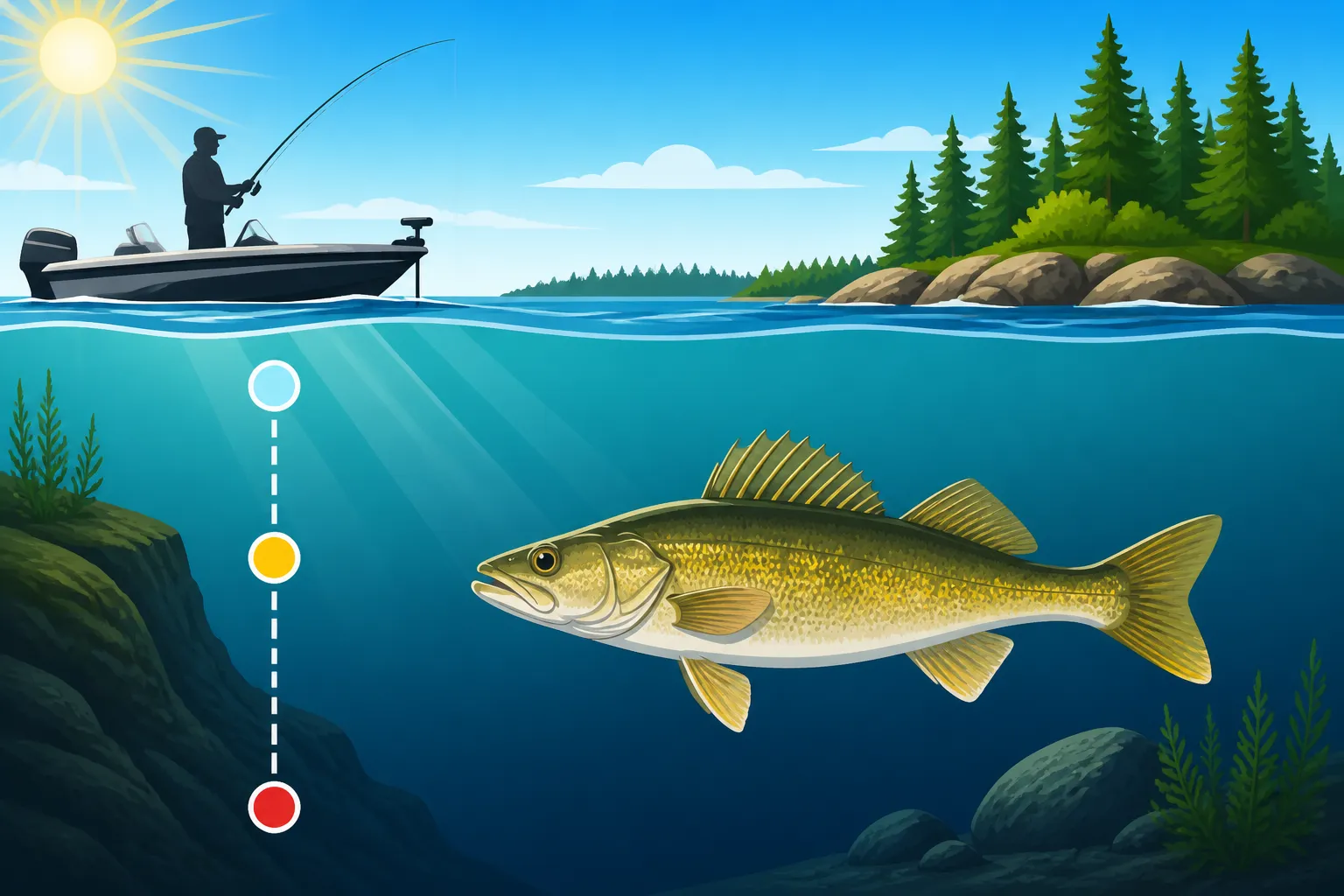
Walleye are built for low light. Their large, reflective eyes are incredibly efficient at gathering light in dim conditions, giving them a significant advantage over baitfish during dawn, dusk, and cloudy days. However, this adaptation means they are highly sensitive to intense sunlight. As summer progresses, the sun's rays penetrate deeper into the water, and surface temperatures climb. This combination forces walleye into deeper, cooler, and darker refuges. Think of it like a human seeking shade on a scorching hot day – they're just looking for relief from uncomfortable conditions. They're not just avoiding the heat, but also the glaring sun that impairs their vision and makes them feel exposed.
Following the Food Source
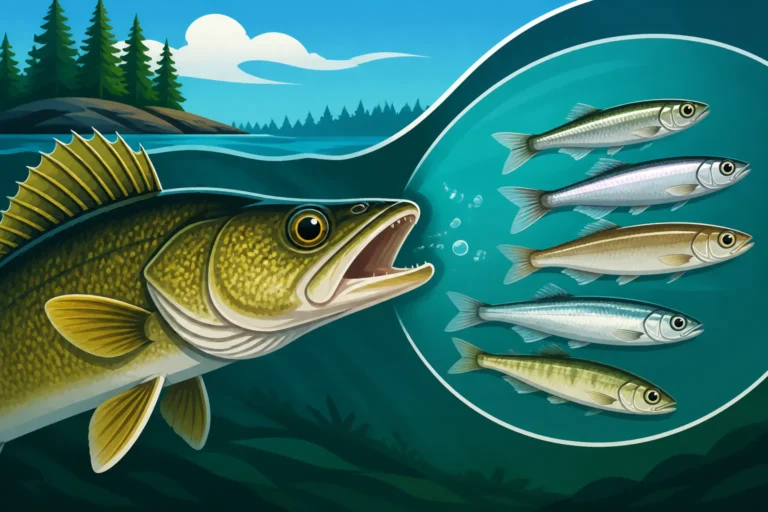
Just like us, walleye need to eat, and their food sources are also impacted by the changing seasons. Many of the baitfish species that walleye prey on, such as smelt, cisco, and even some shiners, also prefer cooler water. As the thermocline (the layer of water where the temperature changes rapidly) establishes itself, these baitfish often school up just above, within, or below this transition zone. Walleye, being opportunistic predators, will naturally follow their dinner. If the baitfish are deep, the walleye will be right there with them, or at least nearby, waiting for an easy meal. This means that if you can locate the bait, you're often one step closer to finding the walleye.
Key Factors Influencing Summer Walleye Depth
Predicting exact walleye depth can feel like guesswork, but it's really about understanding a few critical environmental factors. These elements dictate where walleye will set up shop, and paying attention to them can dramatically improve your summer fishing.
The Thermocline: Walleye's Summer Home
The thermocline is arguably the single most important factor in determining walleye depth in many Ontario lakes during summer. As the surface water warms, it creates distinct layers: a warm upper layer (epilimnion), a colder bottom layer (hypolimnion), and the thermocline in between. Walleye will rarely go into the warmest surface water, nor will they typically descend too far into the deep, cold hypolimnion where oxygen levels can become depleted later in the summer. Their sweet spot is often just above, within, or just below the thermocline, where temperatures are stable and comfortable, and oxygen is still plentiful.
Imagine a lake where the surface is 25°C, but down 20 feet, it drops to 15°C. That rapid change is the thermocline, and walleye will often suspend right there, hovering at that ideal temperature, waiting for prey. Your fish finder is your best friend here; learning to interpret its readings for the thermocline's depth will unlock a whole new dimension to your summer walleye game. This can vary wildly from lake to lake, or even bay to bay, but generally, expect to find the thermocline anywhere from 15 to 40 feet deep in most larger Ontario lakes, especially those with good depth.
Structure and Cover in Deep Water
Even when walleye move deep, they still relate to structure. They aren't just swimming aimlessly in the middle of the lake. Instead, they'll seek out deep-water features that offer ambush points, shelter, or congregation areas for baitfish.
- Deep Reefs and Humps: Submerged islands or humps rising from the lakebed provide excellent deep-water structure. Walleye will often sit on the deep edges, on top if it's still below the thermocline, or along the slopes. These are prime ambush points.
- Ledges and Drop-offs: Where the lake bottom drops dramatically from a flat to a deeper basin, you'll find walleye. They'll position themselves along these ledges, especially where there are irregularities like small points or cuts.
- Deep Weed Lines: While most think of weeds as shallow-water cover, some hardy species can grow quite deep. If you find deep, healthy weed beds that reach into the cooler water, walleye will often hold there, using them as cover and hunting grounds.
- Submerged Timber and Rock Piles: Old drowned timber, rock piles, or rubble fields in deeper water offer fantastic cover and attract baitfish. These areas can be tricky to fish due to snags, but they're often worth the effort.
Using your GPS and detailed lake maps (many of which you can find through Ontario Fish ON-Line Interactive Zone Map, Explained type resources) is crucial for identifying these deep-water sweet spots before you even get on the water.
Time of Day and Weather Conditions
While walleye generally prefer deeper water in summer, their specific depth can still fluctuate based on the time of day and prevailing weather. Just because they are deep doesn't mean they are always at the same depth.
- Dawn and Dusk: During these low-light periods, walleye might move shallower for short feeding forays. This doesn't mean they'll be in 5 feet of water, but they might push up from 30 feet to 15-20 feet on a deep weed line or along a main lake point. This is often the "golden hour" for targeting them.
- Cloud Cover and Rain: Overcast days or periods of light rain reduce light penetration, making walleye more comfortable in slightly shallower water than they would be on a bright, sunny afternoon. They might still be deep, but perhaps a few feet shallower than their typical mid-day haunts.
- Wind: A consistent wind can create a "walleye chop" that breaks up the surface, making it more comfortable for walleye to push slightly shallower, as the light doesn't penetrate as clearly. Wind can also stack baitfish on certain shores, and walleye will follow.
Understanding these daily and hourly shifts means you're not just blindly fishing deep, but adapting your presentation to where the walleye are right now. For more on daily movements, check out Best Time of Day to Catch Walleye.
Finding Deep-Water Walleye: Tools and Tactics
Finding walleye when they've gone deep isn't about luck; it's about employing the right tools and techniques. Modern electronics, coupled with time-tested fishing strategies, can turn a frustrating summer day into a successful one.
The Indispensable Role of Electronics
Your fish finder is your absolute best friend when targeting deep-water walleye. It's not just for showing you fish; it's for revealing the entire underwater world.
- Sonar (2D Sonar): This classic view shows you the bottom, structure, baitfish schools, and most importantly, the thermocline. Look for a distinct band or haze across the screen where the signals change – that's often your thermocline. Walleye will appear as arches or distinct marks, often just above or within this band, or tight to deep structure. Learning to differentiate fish from bait balls is key.
- Down Imaging/Side Imaging: These technologies provide picture-like views of the bottom and structure. Down imaging shows what's directly below, offering incredible detail on rock piles, submerged timber, and deep weed edges. Side imaging is a game-changer for covering water quickly, allowing you to scan wide swaths on either side of your boat to locate humps, channels, and schools of baitfish or walleye without driving directly over them. If you're looking to upgrade, many excellent units are available on Amazon, offering different screen sizes and feature sets to suit various budgets and needs.
- GPS and Mapping: Modern units combine sonar with highly detailed GPS mapping. Mark every fish you see, every bait school, and every piece of promising structure. Over time, you'll build a valuable database of productive deep-water spots. The accuracy of these maps, especially those with contours, is paramount.
When you're out there, don't just idle over a spot once. Spend time marking your waypoints, understanding the contours, and interpreting what your electronics are telling you. This meticulous approach pays dividends.
Deep-Water Trolling Techniques
Trolling is incredibly effective for covering large expanses of deep water and finding scattered walleye, especially when they're suspended.
- Crankbaits: Deep-diving crankbaits are a staple for summer trolling. They're designed to reach specific depths and often mimic baitfish that walleye are feeding on. Experiment with different models and colours. Some dive naturally to 15-25 feet, while others can get down to 30-40 feet or more with the right line and speed. Speed is crucial – usually 1.5 to 2.5 mph, but let the fish tell you what they prefer on a given day. Best Crankbaits for Ontario Walleye covers some great options.
- Crawler Harnesses: A spinner rig with a nightcrawler is a classic walleye killer. To get them deep, you'll need weight. Use bottom bouncers, snap weights, or planer boards with offshore weights. The advantage of a crawler harness is its versatility; you can slow down your troll, and the natural action of the worm is irresistible.
- Downriggers and Dipsy Divers: For targeting precise depths, especially when walleye are suspended over deeper water, downriggers and Dipsy Divers are invaluable. Downriggers allow you to present lures at an exact depth, while Dipsy Divers use water pressure to dive lures down and away from the boat, covering more horizontal water.
- Understanding Presentation: Always match your presentation depth to where you're marking fish and the thermocline. If fish are at 35 feet, ensure your lure is running right through that strike zone.
Vertical Jigging and Live Bait Rigging
For targeting walleye on specific deep structures, or when they're tightly grouped, vertical presentations are incredibly effective.
- Jigging Spoons: Metal jigging spoons, like the classic Meegs or similar options, are fantastic for deep walleye. Drop them down to the marked depth, give them a sharp lift, and let them flutter back down on a semi-slack line. The flash and erratic action can trigger reaction strikes.
- Blade Baits: Similar to spoons, blade baits vibrate aggressively on the retrieve and sink quickly. They're excellent for pinpointing fish holding tight to bottom structure.
- Live Bait Rigs: A simple live bait rig, like a heavy jig tipped with a minnow or a simple snell rig with a sinker and a nightcrawler or large minnow, can be deadly. Position directly over the fish you see on your electronics and precisely drop your bait to their depth. Often, a slow, subtle lift-and-drop presentation is all it takes.
Essential Gear for Deep Summer Walleye Fishing
Having the right tackle can make all the difference when you're exploring the depths for walleye. Forget your ultralight panfish setup; deep-water walleye fishing demands specialized gear that can handle heavier weights, deeper depths, and potentially larger fish.
Rods, Reels, and Line
The foundation of your deep-water walleye setup starts here. You need equipment that can withstand the strain of heavy weights and the powerful runs of a good walleye.
- Rods: Look for medium to medium-heavy power rods, typically 6'6" to 7'6" in length. For trolling, longer, more moderate action rods can handle the strain of dive-planers or heavy sinkers better, absorbing shock and keeping fish hooked. For jigging, a faster action rod provides the sensitivity to feel subtle bites and the backbone for solid hooksets in deep water. Graphite rods generally offer superior sensitivity.
- Reels: A good quality baitcasting reel is often preferred for trolling, especially when using larger crankbaits or heavy weights. They offer better line control and leverage. For jigging, a spinning reel in the 2500-3000 series can also work well, offering a lighter feel and ease of use. Ensure your reels have a smooth, reliable drag system, which is crucial when a powerful walleye takes a deep run.
- Line: Braided line is a game-changer for deep-water fishing. Its no-stretch property provides incredible sensitivity, allowing you to feel even the lightest bites at 40 feet. It also has a thinner diameter for its strength, which helps your lures dive deeper. Pair your braid with a 10-20 foot fluorocarbon leader (10-15 lb test) for abrasion resistance and invisibility in clear water. Fluorocarbon's low visibility and fast sink rate also make it excellent for jigging presentations. Many anglers purchase their braided and fluorocarbon line directly from Amazon for convenience and selection.
Lures and Terminal Tackle
The specific lures and terminal tackle you choose will depend on your preferred method, but having a versatile selection is key.
- Deep-Diving Crankbaits: As mentioned, these are essential for trolling. Brands like Rapala, Berkley, and Salmo make excellent deep-divers. Have a variety of sizes and colours. Natural baitfish patterns (perch, smelt, shiner) are always good, but don't shy away from brighter colours (chartreuse, orange) for stained or low-light conditions.
- Jigging Spoons and Blade Baits: Silver, gold, white, and chartreuse are classic colours for deep-water spoons and blades. Keep a range of weights (from 3/8 oz to 1 oz or more) to match depth and current.
- Bottom Bouncers: These are indispensable for presenting crawler harnesses or live bait rigs along the bottom. Weights from 1 oz to 3 oz are common, depending on depth and trolling speed.
- Swivels and Leaders: Use high-quality ball-bearing swivels to prevent line twist, especially with trolling setups. Pre-tied fluorocarbon leaders are convenient, or you can tie your own. Best Tackle for Ontario Walleye provides more detail on what to stock in your tackle box.
- Hooks: Ensure your hooks are sharp! Consider upgrading treble hooks on crankbaits if they seem dull.
| Technique | Lure/Bait Type | Ideal Depth Range (Feet) | Key Considerations |
|---|---|---|---|
| Deep Trolling | Deep-Diving Crankbaits | 15-45+ | Match lure dive to target depth; use line counters. |
| Crawler Harnesses | 15-40 | Add bottom bouncers or snap weights for depth. | |
| Downriggers/Dipsy Divers | 20-60+ | Precise depth control; use for suspended fish. | |
| Vertical Jigging | Jigging Spoons | 20-50 | Fast fall, erratic action; good for pinpointing fish. |
| Blade Baits | 20-50 | High vibration; effective for aggressive walleye. | |
| Live Bait Jigs | 20-40 | Tip with minnow or leech; subtle presentation. | |
| Drifting | Live Bait Rigs (e.g., Lindy Rig) | 15-35 | Excellent for subtle bites; use lighter weights. |
Common Mistakes and How to Avoid Them
Even with the right gear and knowledge, summer walleye can be finicky. Being aware of common pitfalls can help you troubleshoot and stay on the fish.
Not Adjusting to Depth Changes
Many anglers make the mistake of assuming walleye will stay at one consistent depth all day, or even from one day to the next. The thermocline can shift, baitfish can move, and light conditions change. If you're not getting bites, your first thought should be: am I at the right depth?
- Adjust Your Lure: If trolling, try a different crankbait with a deeper or shallower dive curve, or adjust the amount of line you have out.
- Change Your Weight: When jigging or drifting, add or subtract weight to ensure your bait is getting to where the fish are showing on your electronics.
- Observe Your Electronics: Continuously monitor your fish finder for changes in the thermocline, baitfish schools, or walleye marks. Don't just blindly troll or jig; let the electronics guide your depth adjustments.
Remember, even a 5-foot difference can be critical. Walleye often have a very narrow strike zone, especially when they're not actively feeding.
Fishing Too Fast or Too Slow
Walleye, especially in summer, can be particular about presentation speed. What worked in the spring often won't cut it in the dog days of summer.
- Trolling Speed: For crankbaits, a good starting point is usually 1.5-2.5 mph, but sometimes a slight increase or decrease can trigger bites. For crawler harnesses, a slower speed (1.0-1.5 mph) is often more effective, allowing the spinner to rotate enticingly without overpowering the crawler's action.
- Jigging Cadence: When vertical jigging, sometimes a slow, subtle lift-and-fall is key. Other times, a more aggressive jigging motion is needed to trigger a reaction strike. Pay attention to how the fish are reacting on your electronics. If they're following but not committing, try changing your retrieve speed or the height of your jigging lifts.
Always start with a moderate speed and then experiment. The fish will tell you what they want. If you're struggling, try varying your speed every 15-20 minutes until you find a pattern.
Ignoring Baitfish Concentrations
As mentioned earlier, walleye follow their food. A common mistake is focusing solely on structure while ignoring the presence or absence of baitfish.
- Look for Schools: Use your electronics to actively search for large schools of baitfish, especially those located near or within the thermocline. Walleye will rarely be far from a consistent food source.
- Fish the Edges: Walleye often position themselves on the edges of baitfish schools, picking off stragglers or ambushing them as they move. Don't just fish through the bait; fish around it.
- Mimic Baitfish: Once you identify the predominant baitfish, try to select lures that match their size, profile, and colour. A walleye will be more likely to strike something that looks like its natural prey.
By understanding how deep walleye go in summer and why, and by arming yourself with the right tools and techniques, you can turn those challenging summer days into rewarding fishing experiences. Don't give up on these incredible fish when the heat is on; just change your approach and dive deep! For more comprehensive guidance on these elusive fish, be sure to check out Walleye Fishing in Ontario. And remember, the best time to figure out their patterns is when you're actually out there, learning from every cast and troll.
Disclaimer
This article is for general informational purposes only and does not constitute professional advice. Laws, prices and regulations vary by location and change over time. Consult a qualified professional for guidance on your specific situation.