Best Kayak for River Fishing in Ontario
There's nothing quite like the serenity and challenge of chasing fish down an Ontario river, but anyone who's tried it knows that traditional boats can be a real headache. From navigating shallow rapids to sneaking silently into prime eddies, river fishing demands a craft that's nimble, stable, and built for purpose. This comprehensive guide will walk you through everything you need to know to choose the absolute best kayak for your Ontario river fishing adventures, ensuring your time on the water is filled with casts, not frustrations.
The Unique Challenge and Joy of River Fishing in Ontario
Ontario's rivers are a diverse tapestry, ranging from the gentle, meandering flows of southern agricultural lands to the wild, rocky rapids of the Canadian Shield. Unlike vast, open lakes, river fishing presents a unique set of demands on both the angler and their vessel. You're not just casting; you're often navigating currents, avoiding submerged obstacles, and stealthily approaching prime fish-holding structure that would be unreachable in a larger boat.
Why Rivers Are Different From Lakes for Kayak Fishing
When you're out on a big lake like Simcoe or Erie, your primary concerns might be wave height, wind, and covering large expanses of water. A longer, sleeker kayak designed for speed and tracking can be ideal here. However, rivers are an entirely different beast. You're dealing with constantly moving water, often much shallower depths, and a myriad of snags from fallen trees to rocky ledges. A lake kayak might feel unwieldy and struggle with the sharp turns and quick maneuvers needed to follow a river's course. The river environment also often means putting in and taking out at less-than-ideal spots, requiring a kayak that can handle a bit of rough and tumble.
Imagine trying to navigate the tight bends of the Grand River near Fergus or the swift currents of the French River's upper reaches in a 14-foot touring kayak. It would be a constant battle against the current, a challenge to turn quickly, and a definite risk of getting hung up on every submerged rock. River fishing is all about controlled drifts, holding position in current, and the ability to paddle upstream against a moderate flow when needed. It’s a dance, and your kayak needs to be the perfect partner. How to Fish a River for Smallmouth Bass is a great resource for understanding some of these unique techniques.
Common Frustrations of River Anglers
We've all been there: you spot that perfect log jam or undercut bank, teeming with promise, only to realize your boat is too big, too noisy, or simply unable to get there. One of the biggest frustrations for river anglers is accessibility. Many prime fishing spots are tucked away in areas where motorboats can't go, or where launching a traditional fishing boat is impossible due to steep banks or shallow water. Trying to paddle a heavy, cumbersome boat upstream after a long drift can be exhausting, draining your energy for fishing.
Another common pain point is stability. Rivers, even seemingly calm ones, can have unexpected eddies, cross-currents, or submerged obstacles that can easily throw an angler off balance. Trying to stand and cast in a tippy kayak while also managing your line and paddle is a recipe for a swim, not a successful catch. Anglers also often struggle with limited storage for gear, especially when planning a longer day trip that might involve a shore lunch or extra layers of clothing. The desire for a stealthy approach, to avoid spooking wary fish in clear river water, is another key driver for choosing the right kayak.
Essential Kayak Features for Navigating Ontario Rivers
Choosing the right kayak for river fishing in Ontario isn't just about picking one that floats; it's about matching the features of the boat to the demands of the water and your fishing style. Stability, maneuverability, and durability are often at the top of an experienced river angler's list.
Stability: Standing, Casting, and Landing Fish
When you're fishing a river, especially for species like smallmouth bass or trout, being able to stand and get a better vantage point for casting into structure or spotting fish can be a game-changer. This requires exceptional primary stability – how stable the boat feels when sitting still – and good secondary stability – how resistant it is to tipping when leaned on. Wider, flatter hull designs generally offer more primary stability, making them excellent platforms for casting and moving around.
Think about a common scenario on the Ganaraska River during a salmon run. You're trying to cast to a specific seam of current, and a big fish hits. You need to be able to lean into the fight, perhaps stand up for better leverage, and then safely net or land that fish without feeling like you're about to go for an unplanned dip. Kayaks with a stable standing platform are invaluable here. Many specialized fishing kayaks offer non-slip deck pads and even lean bars to aid in standing. This feature isn't just about comfort; it's about safety and maximizing your fishing opportunities.
Maneuverability and Tracking in Current
Rivers are rarely straight lines. They twist, turn, and flow around obstacles. A good river fishing kayak needs to be highly maneuverable, allowing you to quickly change direction, spin around to face upstream, or dodge a submerged log. Shorter kayaks, typically under 12 feet, with rocker (a curved hull profile from bow to stern) tend to be much more agile than their longer counterparts. This responsiveness is crucial for staying in control when drifting a current seam or navigating tight sections.
However, maneuverability often comes at the expense of tracking – the ability to hold a straight line. On a river, you'll need a balance. While you want to turn quickly, you also don't want to be constantly correcting your course when paddling across a wider, calmer section or trying to get upstream. Some kayaks incorporate features like skegs or rudders (often retractable or kick-up designs for shallow water) that can be deployed to improve tracking when desired, then pulled up when agility is needed. Brands like Old Town and Hobie often incorporate these versatile design elements into their fishing kayaks. Best Kayak for Lake Erie might prioritize tracking, but for river fishing, it’s a delicate balance.
Durability and Hull Material
River environments are tough on kayaks. You'll inevitably scrape against rocks, bump into submerged trees, and drag your boat over portages or difficult launch points. The material and construction of your kayak are paramount for longevity. Rotomolded polyethylene is by far the most common and recommended material for river fishing kayaks due to its excellent impact resistance and durability. It can take a beating and bounce back, shrugging off scrapes that would crack or puncture other materials.
While polyethylene kayaks might be heavier than composite boats, their resilience is a major advantage on Ontario's rugged rivers. You'll appreciate it when you accidentally run aground on a rocky shoal on the Nottawasaga River or have to slide your boat down a muddy bank. Look for kayaks with reinforced keels or skid plates, especially at the bow and stern, as these are the areas that often take the most abuse. A durable hull means less worry about damage and more focus on fishing, which is exactly what we want.
Decoding Kayak Types for Different River Conditions
Just like there's no single "best" fishing rod for every scenario, there isn't one perfect kayak for every Ontario river. The ideal choice depends heavily on the specific types of rivers you plan to fish and your personal preferences. Let's break down the most popular types of kayaks and how they stack up for river fishing.
Sit-on-Top Kayaks: The River Angler's Workhorse
For most river fishing in Ontario, a sit-on-top (SOT) kayak is often the top recommendation, and for good reason. Their open deck design offers superior stability, easy entry and exit (even in shallow water or from a bank), and unparalleled freedom of movement. If you capsize (which hopefully won't happen, but better safe than sorry!), a SOT can be easily righted and re-entered, as the deck is self-draining and doesn't fill with water. This ease of recovery is a massive advantage in moving water.
SOT kayaks typically come equipped with scupper holes that allow water to drain off the deck, keeping you relatively dry even if a wave or paddle splash comes over. Many models are purpose-built for fishing, featuring integrated rod holders, gear tracks for mounting accessories, and ample storage for tackle boxes, coolers, and other essentials. They also tend to have wider hulls, contributing to that crucial stability needed for casting and standing. Whether you're targeting smallmouth on the Grand River or drifting for walleye on the Bay of Quinte, a well-designed SOT offers the perfect blend of stability, comfort, and fishability. Best Kayak for River Fishing in Ontario is often a sit-on-top due to these benefits.
Sit-in Kayaks: When Stealth and Protection Matter
While SOTs dominate the fishing kayak market, traditional sit-in kayaks do have their place, particularly for river fishing. They offer a lower centre of gravity, which can sometimes provide a surprisingly secure feeling, especially in choppier sections or strong currents. The enclosed cockpit also offers better protection from the elements, keeping you drier and warmer in cooler weather or if you encounter unexpected rain on the French River.
However, the major drawback for fishing is the restricted movement and less accessible gear. Standing is generally not an option, and reaching behind you for tackle can be awkward. If you do capsize, emptying a sit-in kayak of water can be a real challenge on the river. Sit-ins are often favoured by anglers who prioritize paddling efficiency and light weight, perhaps for accessing remote trout streams that require long portages or if they primarily fish smaller, calmer creeks for species like brook trout. They are generally not as feature-rich for fishing as dedicated SOT fishing kayaks but can be a good option for minimalist anglers who value speed and cockpit protection.
Hybrid Kayaks: A Blend for Versatility
The world of kayak design is constantly evolving, and hybrid kayaks aim to bridge the gap between sit-on-top and sit-in designs. These often feature a wider, more stable hull reminiscent of a SOT, but with a slightly recessed cockpit area that offers a bit more protection and a lower seat similar to a sit-in. They might not offer the full standing capabilities of a dedicated SOT fishing kayak, but they provide enhanced comfort and a drier ride compared to a purely open deck.
Hybrid designs are a good compromise for anglers who want some of the benefits of both worlds. Perhaps you primarily fish calm rivers but occasionally venture onto smaller lakes, or you prioritize a drier ride but still want some stability for lighter tackle fishing. They are a versatile option, and some models feature modular accessory tracks that allow for customization. If your fishing plans involve a mix of river conditions and open water, exploring a hybrid could offer the flexibility you need without fully committing to one style.
| Kayak Type | Pros for River Fishing | Cons for River Fishing | Ideal River Conditions |
|---|---|---|---|
| Sit-on-Top (SOT) | Excellent stability, easy entry/exit, self-draining, ample gear space, standing capability. | Can be heavier, less efficient paddling over long distances, less protection from elements. | Moderate currents, shallow water, diverse structure, need to stand/move around. |
| Sit-in | Good paddling efficiency, lighter, more protection from elements, lower center of gravity. | Difficult to re-enter if capsized, limited movement, less accessible gear, no standing. | Calm, deep rivers, long paddles, cold weather, minimalist fishing. |
| Hybrid | Good balance of stability and efficiency, moderate weather protection, somewhat versatile. | Not as stable as dedicated SOT, not as efficient as dedicated sit-in. | Mixed river/lake use, varied conditions, seeking a compromise. |
Paddle Power vs. Pedal Drive: Choosing Your Propulsion
One of the most significant decisions you'll face when choosing a river fishing kayak is how you'll move it through the water. While traditional paddle kayaks are still incredibly popular, pedal-drive systems have revolutionized hands-free fishing, offering distinct advantages and disadvantages depending on the river environment.
Paddle Kayaks: Simplicity, Portability, and Control
Paddle kayaks are the traditional choice for a reason: they are generally lighter, more affordable, and simpler in design. For river fishing, the ability to perform quick, precise strokes to hold position in current, spin the boat, or backpaddle away from obstacles is invaluable. You have direct control over your movement, which is particularly useful in tight quarters or when navigating rapids. Plus, fewer moving parts mean less to break or maintain, which is a big plus when you're far from the launch.
Imagine maneuvering through a rock garden on the upper Nith River, needing to quickly brace against a current seam or pull yourself over a shallow riffle. A paddle kayak gives you that immediate, intuitive control. They are also much easier to transport and portage around obstacles like dams or fallen trees, which are common on many of Ontario's smaller rivers. If you're on a budget, value simplicity, or frequently fish rivers with lots of portages or very shallow, rocky sections, a good paddle kayak, perhaps from a brand like Wilderness Systems, is an excellent choice. Don't forget a quality paddle – it's your engine! Best Paddle Length for a Fishing Kayak is a good read.
Pedal Drive Systems: Hands-Free Fishing and Power
Pedal drive kayaks have changed the game for many anglers. By using your legs to power a propeller or fin-based system, you free up your hands for casting, rigging, and fighting fish. This hands-free operation is a huge advantage, allowing you to continually position yourself against a current, troll lures, or simply cover water more efficiently without putting your rod down. In wider, slower river sections or larger river systems like the Ottawa River, a pedal drive can drastically increase your range and reduce fatigue.
Brands like Hobie, with their MirageDrive system, or Old Town, with their PDL drive, offer excellent pedal options. While pedal kayaks are generally heavier and more expensive, the efficiency and hands-free benefits are undeniable. However, there are considerations for river use: the drive unit often extends below the hull, making them vulnerable to damage in very shallow, rocky water. Many systems have a "kick-up" feature to prevent damage, but it's still something to be mindful of. Portaging can also be more cumbersome due to the increased weight and bulk. For larger rivers, or if you predominantly fish from a stationary position and want to maintain it hands-free, a pedal drive is a fantastic investment.
Electric Motors: For When You Need Extra Oomph
While not a kayak propulsion system in itself, many fishing kayaks (especially sit-on-tops) are designed to accept a small electric trolling motor. This provides a significant boost in power and can be incredibly useful for covering long distances upstream, fighting strong currents, or giving you a break from paddling or pedaling. Having an electric motor can turn a challenging upstream paddle on a river like the Rideau into a leisurely cruise, allowing you to save your energy for actual fishing.
However, adding an electric motor comes with additional considerations: battery weight, charging, and understanding Ontario Boating Laws for Anglers and Ontario Boat Registration and Licensing Rules which apply to motorized vessels. While many smaller rivers might be unsuitable or even prohibited for electric motors, for larger river systems or when covering significant stretches of water, a trolling motor can be a powerful asset. Some kayaks, like certain models from Old Town, even have integrated motor mounts and wiring for a seamless setup. You can often find a good selection of trolling motors and batteries at Bass Pro Shops or on Amazon.
Essential Gear and Safety for Your River Kayak Adventure
Beyond the kayak itself, certain gear and safety precautions are non-negotiable for a successful and safe river fishing trip in Ontario. The dynamic nature of rivers means you need to be prepared for anything, from sudden weather changes to unexpected spills.
PFDs and Essential Safety Equipment
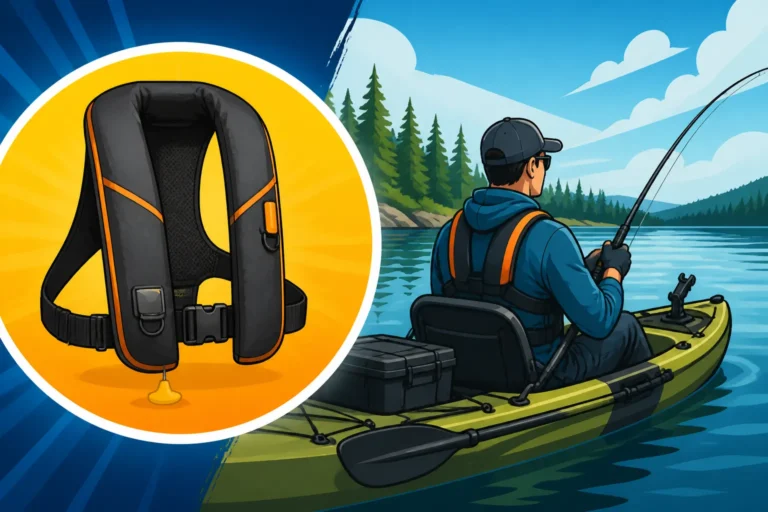
This is absolutely paramount. No matter how calm the water looks, how strong a swimmer you are, or how short your trip, you must wear a properly fitted Personal Flotation Device (PFD). In Ontario, it's not just smart; it's the law. A good fishing PFD will have extra pockets for small tackle, pliers, and other essentials, making it comfortable to wear all day. Consider an inflatable PFD for maximum freedom of movement, but ensure it's approved for your specific use. Life Jacket Requirements for Ontario Boaters outlines the specifics.
Beyond the PFD, your kayak needs to be equipped with other essential safety gear. This typically includes a sound-signalling device (like a whistle), a bailer or pump to remove water, a buoyant heaving line, and navigation lights if you plan to be out from sunset to sunrise. If you're on rivers that connect to larger bodies of water, even a small kayak needs to meet the basic safety requirements. Never skimp on safety – it's the most important gear you'll ever pack. A good place to check out these essentials is Bass Pro Shops, where staff can often guide you on local regulations.
Anchoring and Positioning Strategies
Holding position in a river current is often critical for effective fishing. Simply letting the current take you can be effective for drifting, but sometimes you need to stop and thoroughly work a promising hole or eddy. A proper anchor system is key. Unlike lake anchors, river anchors often need to be lighter and designed to quickly dislodge from snags. A grappling hook anchor or a small, collapsible mushroom anchor might be suitable for lighter currents, while a stake-out pole can be excellent in very shallow, soft-bottomed areas.
An anchor trolley system is highly recommended for river kayaks. This system allows you to deploy your anchor from the bow or stern of your kayak and then easily move the anchor line along the side of the boat using a pulley system. This means you can adjust your position relative to the anchor point without having to pull it up and re-deploy it, which is incredibly useful for fishing specific current seams or structures. For example, if you're fishing a deep pool on the Credit River, being able to adjust your angle to the flow can make all the difference in presenting your lure effectively. Best Anchor System for River Fishing delves deeper into these options.
Storage and Organization for River Trips
River fishing often means bringing along a fair amount of gear, but space in a kayak is always at a premium. Efficient storage and organization are vital. Look for kayaks with ample deck space, bungee systems, and dedicated storage hatches. Waterproof dry bags are your best friend for anything you absolutely cannot get wet – extra clothing, electronics, snacks, and your car keys. Many anglers use a milk crate or a specialized fishing crate in the tankwell (the open storage area behind the seat) to organize tackle boxes, bait buckets, and other frequently accessed items.
Think about the specific demands of a river day. You might want a cooler for drinks and lunch, a separate tackle management system, and maybe even a camera to capture that trophy fish. Integrated rod holders are standard on fishing kayaks, but consider adding extra flush mount or track-mounted rod holders for trolling or carrying multiple rigged rods. Quick access to tools like pliers, line clippers, and a measuring board is also important. Investing in a Best Dry Bag for Kayak Fishing can save you a lot of grief.
Maintenance and Longevity for Your River Fishing Kayak
Your river fishing kayak is an investment, and like any good piece of gear, it needs proper care to ensure it lasts for countless adventures on Ontario's waterways. A little bit of routine maintenance goes a long way in keeping your kayak performing at its best and prolonging its lifespan.
Post-Trip Cleaning and Inspection
After every river trip, especially if you've been in muddy or sandy conditions, it's crucial to give your kayak a good rinse. Use fresh water to remove any dirt, mud, sand, or aquatic vegetation. This prevents grime from building up and helps reduce the spread of invasive species between different water bodies – a critical concern in Ontario. Pay special attention to scupper holes, rudder cables, and any moving parts of a pedal drive system.
While cleaning, take the opportunity to inspect your kayak for any new scrapes, dents, or signs of wear. Check all bungee cords, hatches, and accessory mounts to ensure they're secure and in good working order. If you notice any deep gouges in the hull, especially if they penetrate past the surface layer, it might be worth looking into simple plastic repair kits to prevent further damage. Catching small issues early can prevent them from becoming bigger, more expensive problems down the line.
Proper Storage for Seasonal and Long-Term Protection
How you store your kayak when not in use significantly impacts its longevity. Ideally, kayaks should be stored out of direct sunlight, as prolonged UV exposure can degrade the plastic over time, making it brittle and discoloured. A garage, shed, or covered area is best. If outdoor storage is your only option, invest in a good quality kayak cover to protect it from the sun and elements.
When storing, ensure the kayak is supported evenly to prevent pressure points that can lead to hull deformation (known as "oil canning"). Many people use dedicated kayak racks that distribute weight across the hull or hang their kayaks using straps. Avoid storing it directly on concrete or leaning it against a wall for extended periods without proper support. For pedal drive systems, it's often recommended to remove and store the drive unit separately, keeping it clean and lubricated according to the manufacturer's instructions. Proper storage ensures your kayak is ready to hit the water when the next fishing urge strikes.
Essential Repairs and DIY Fixes
While modern fishing kayaks are built tough, accidents happen. Knowing how to perform some basic repairs can save you time and money. Small scrapes and gouges in polyethylene hulls are often superficial and don't require immediate attention, but deeper ones can be repaired using a plastic welding kit or specific repair patches designed for rotomolded kayaks. These kits typically involve melting plastic rods into the damaged area to fill and reinforce it.
For issues like worn-out bungee cords, broken buckles, or damaged accessory tracks, many manufacturers offer replacement parts that are relatively easy to install. Keep a small toolkit with basic items like screwdrivers, Allen wrenches, and a roll of marine-grade electrical tape for quick fixes on the go. Knowing how to troubleshoot common issues with your rudder or pedal drive system, such as clearing a fouled propeller or tightening a loose cable, can prevent a minor inconvenience from ruining your fishing day. Many resources, including YouTube tutorials and manufacturer guides, can walk you through common DIY repairs.
Disclaimer
This article is for general informational purposes only and does not constitute professional advice. Laws, prices and regulations vary by location and change over time. Consult a qualified professional for guidance on your specific situation.