Best chest waders for cold water trout fishing
There’s nothing quite like the crisp air of a fall morning or the biting chill of early spring when you’re chasing Ontario’s elusive trout. But let's be honest, battling those icy waters can quickly turn a dream fishing trip into a miserable ordeal if you're not properly equipped. Cold, wet feet and legs are not just uncomfortable; they can cut your day short and even pose a safety risk. This comprehensive guide is here to help you navigate the often overwhelming world of fishing waders, specifically focusing on the best chest waders to keep you warm and dry when fishing Ontario's cold water trout streams and lakes.
Why Cold Water Waders Are Non-Negotiable for Ontario Trout
You've planned your trip, scouted your spots, and maybe even tied a few flies, but if your gear isn't up to the task of the cold water, your enthusiasm can quickly drain away. For serious trout anglers in Ontario, reliable cold-water waders aren't a luxury; they're a fundamental necessity that makes the difference between a memorable day on the water and one spent shivering back in the truck.
The Chill Factor: Understanding Ontario's Waters
Ontario is known for its incredible trout fisheries, from the wild brook trout streams in the far north to the challenging brown trout rivers closer to population centres. But what unites these diverse waters is their often-frigid temperatures, especially during prime trout seasons like spring and fall, and even into the deeper winter for hardy anglers. You're not just dealing with cool water; you're often encountering meltwater, deep spring-fed pools, and strong currents that rapidly draw heat from your body.
Think about fishing the Credit River or the Grand River in April. The air might feel pleasant enough, but step into that snowmelt-fed current, and your body immediately reacts to the profound cold. A thin pair of summer waders just won't cut it. You need something that actively insulates against that chill, allowing you to focus on your drift or retrieve rather than shivering uncontrollably. Without adequate insulation, your core body temperature can drop, leading to discomfort, loss of dexterity, and a general inability to stay out on the water for long. We've all been there – that moment when your toes go numb, and you know it's time to pack up, even if the fish are still biting. Good cold-water waders extend your time, making your investment in the trip truly worthwhile.
Safety First: Beyond Just Comfort
While comfort is a huge factor, the safety aspect of choosing the right cold-water waders cannot be overstated. Hypothermia is a very real threat when exposed to cold water, and even a minor slip or fall that results in water ingress can become dangerous if you're not insulated. Proper waders act as a crucial barrier, buying you precious time to get to shore and warm up should an unexpected dunk occur.
Imagine wading a rocky section of the Saugeen River, concentrating on your Fly Patterns for Ontario Trout Streams. A misstep sends a cold splash over your waist, or worse, you trip and take a full dip. If you're wearing flimsy, uninsulated waders, that cold shock can be immediate and debilitating. With robust, insulated waders, the impact is lessened, giving you a better chance to recover and assess the situation safely.
Beyond the immediate danger of hypothermia, adequate waders also help prevent frostbite in extremely cold conditions, especially for your feet. Paired with good wading boots and warm socks, cold-water chest waders keep circulation going and extremities protected, which is essential when you're spending hours standing in frigid water.
Key Features to Look for in Cold Water Chest Waders
Choosing the right waders can feel a bit like wading through a maze of options. But when it comes to cold water, certain features become absolutely paramount. Focusing on these will guide you to a pair that will serve you well season after season.
Material Matters: Neoprene vs. Breathable with Insulation
When we talk about cold-water waders, two main material types dominate the market: neoprene and breathable waders. Each has its pros and cons, and the best choice often depends on your specific fishing style and the conditions you expect to encounter most often. Understanding these differences is key to making an informed decision.
Neoprene waders are essentially wetsuits for your legs. Made from a synthetic rubber material, neoprene provides excellent insulation by trapping a thin layer of water against your skin, which is then warmed by your body heat. This makes them inherently warm and ideal for very cold temperatures, like ice-out conditions or late-season steelheading. They are also generally more puncture-resistant than many breathable fabrics.
On the other hand, breathable waders are made from multi-layered synthetic fabrics (like Gore-Tex or similar proprietary materials) that allow moisture vapour (sweat) to escape while preventing water from entering. For cold water, these waders need to be paired with insulating layers underneath. The advantage here is versatility – you can adjust your insulation by adding or removing layers, making them suitable for a wider range of temperatures. They are also much lighter and less bulky than neoprene, making long hikes to remote Brook Trout in Ontario's Crown Land Lakes more comfortable.
Bootfoot vs. Stockingfoot: Which is Right for You?
This is another critical decision that impacts comfort, warmth, and mobility. Bootfoot waders have the boots permanently attached, meaning they are a single, sealed unit. They are incredibly convenient; you just step in and go. For cold water, bootfoot waders often feature integrated insulation in the boots, providing superior warmth for your feet, which is often the first place to get cold. They're excellent for ice fishing or stationary wading in very cold conditions.
Stockingfoot waders, conversely, have neoprene "socks" or feet, and you wear separate wading boots over them. This setup offers greater ankle support, better grip on slippery terrain, and often a more customizable, comfortable fit because you can choose your boots independently. For cold water, the ability to layer thick, warm wading socks is a huge plus, and you can pick boots specifically designed for insulation or traction on challenging terrain. Many anglers prefer stockingfoot for their superior mobility and the ability to replace boots when they wear out, rather than the entire wader.
Consider your primary fishing locations. If you're mostly hitting boat launches or easy-access spots, bootfoot waders might be perfectly fine. But if you're trekking through uneven terrain, climbing over rocks, or fishing rivers with strong currents and slippery bottoms, the stability and customization of stockingfoot waders paired with quality wading boots, perhaps found at a Bass Pro Shops, will likely serve you better.
Durability and Reinforcement
Ontario's fishing environments can be tough on gear. Think jagged rocks in rivers, dense brush along the banks, and even ice shards during colder months. Investing in waders with good durability and reinforcement in high-wear areas is paramount. Look for models with reinforced knees, seat, and shin areas, often made with heavier denier fabric or additional layers.
Many quality waders feature double or triple-layer construction in these critical zones, which significantly extends their lifespan. A small tear in a wader can quickly lead to a cold, wet day, so prevention through robust design is key. Checking customer reviews on platforms like Amazon can also give you insight into the real-world durability of various brands and models.
Beyond the material itself, pay attention to seam construction. Welded seams are often more durable and leak-resistant than stitched seams, as stitching creates tiny holes that, while taped, can eventually fail. Look for strong, sealed seams to ensure your waders hold up against the rigors of Ontario's varied landscapes.
Storage and Convenience Features
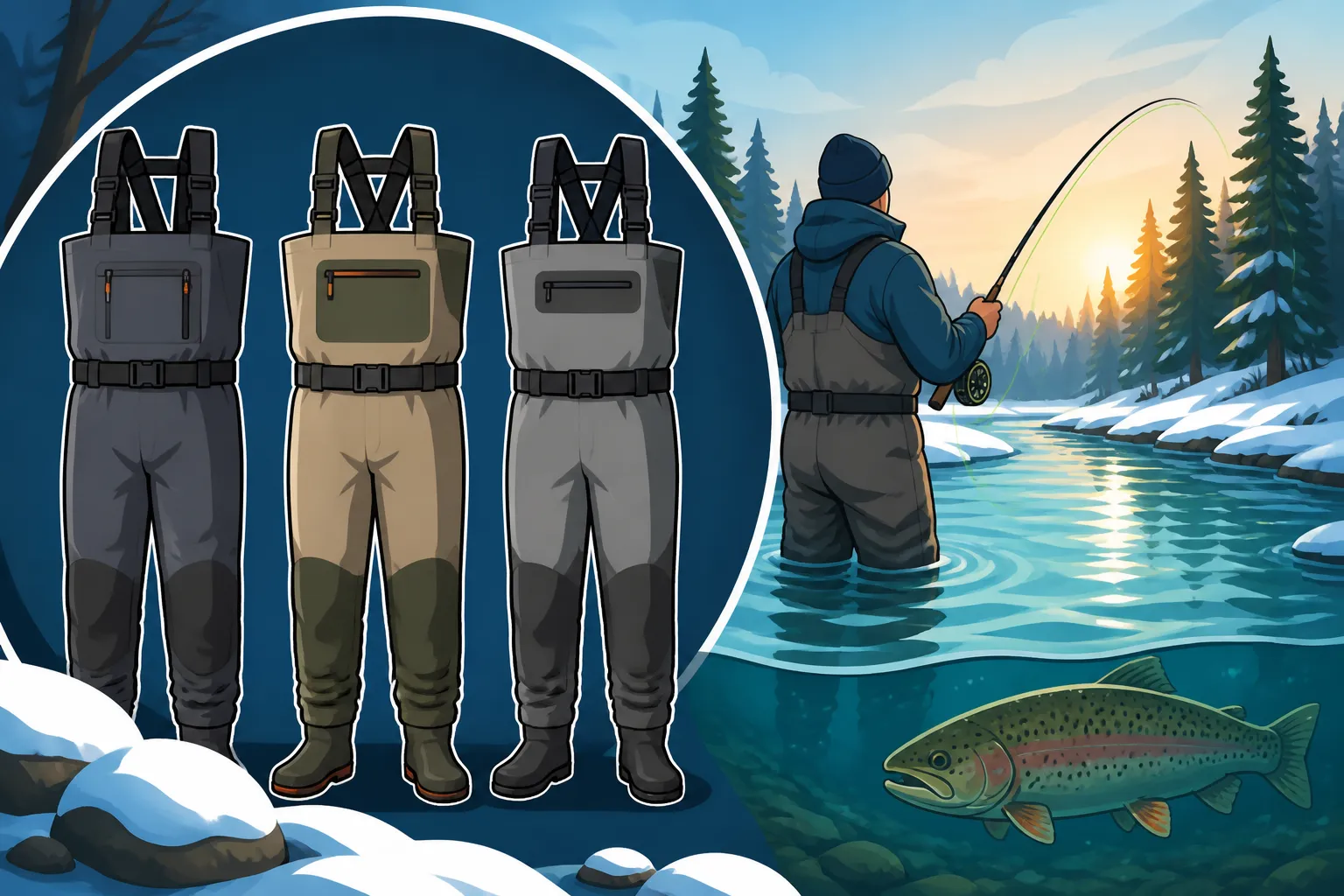
While warmth and durability are primary, don't overlook convenience features that can make your time on the water much more enjoyable. Pockets, for instance, are incredibly handy. Look for waterproof or water-resistant pockets to keep your phone, keys, or fishing license dry. A fleece-lined handwarmer pocket is an absolute game-changer on a chilly morning, providing quick relief for numb fingers.
Adjustable suspenders are also a must, ensuring a comfortable fit that doesn't sag or pinch. Some waders include a wading belt, which is crucial for safety as it prevents water from rushing into the waders if you fall, and also helps distribute weight. A D-ring or gear attachment points can be useful for clipping on tools, a net, or a wading staff.
Consider how easy the waders are to get on and off, especially when layered up in cold weather. Simple buckle systems and wide openings can make a big difference, especially when your hands are cold. These seemingly small details contribute significantly to your overall comfort and efficiency while Trout Fishing in Ontario.
Choosing the Right Thickness and Insulation
When the temperatures really drop, the amount of insulation your waders provide becomes paramount. It's not just about what material they're made of, but how much of that material is working to keep you warm.
Neoprene Thickness Explained
If you're leaning towards neoprene waders for their inherent warmth, understanding thickness is crucial. Neoprene is measured in millimetres (mm), and common thicknesses for fishing waders range from 3mm to 5mm. The thicker the neoprene, the warmer the wader will be.
For milder cold water conditions, such as early spring or late fall on a moderate river, 3mm neoprene might suffice, especially if you plan to wear good thermal layers underneath. This thickness offers a good balance of warmth and flexibility. However, if you're facing truly biting cold, like ice-out fishing for steelhead on Lake Ontario tributaries, or long periods of stationary wading, 5mm neoprene is often the preferred choice. It provides maximum insulation but will be heavier and potentially a bit more restrictive in movement.
Remember that neoprene compresses over time, which can reduce its insulating properties. Choosing a slightly thicker option initially can give you longer-lasting warmth. Also, consider the integrated boots on bootfoot neoprene waders; ensure they have sufficient insulation, often measured in grams of Thinsulate or similar materials, to keep your feet from freezing.
Layering Strategies with Breathable Waders
Breathable waders, while not inherently insulating, offer superior versatility through layering. This means you control the warmth by adding or removing base and mid-layers. This system is often preferred by active anglers who hike to their spots or fish in variable conditions, as it prevents overheating.
For cold water, a good layering strategy starts with a moisture-wicking base layer against your skin. Avoid cotton, as it absorbs moisture and will make you feel colder. Opt for merino wool or synthetic thermals. Over that, add a mid-layer, such as fleece pants or insulated fishing pants. The thickness of this mid-layer will be your primary warmth control. On truly frigid days, you might even double up on mid-layers.
The beauty of breathable waders is their ability to vent sweat, keeping your internal microclimate dry. This is critical because moisture is a conductor of cold. By managing your layers, you can stay comfortably warm without becoming clammy, even when moving actively. Brands offer various options, from lightweight hiking pants to heavy fleece wader liners, allowing you to tailor your insulation perfectly for everything from mild days on the Ottawa River Fishing Spots to freezing mornings on a remote northern lake.
Sizing Your Waders for Optimal Performance and Comfort
It might seem obvious, but getting the right size waders is paramount. A poorly fitting pair won't just be uncomfortable; it can compromise your safety and cut short your valuable fishing time. Don't rush this step!
Chest, Inseam, and Foot Size: Getting It Right
Getting the right size waders is absolutely critical, not just for comfort, but for performance and safety. Too tight, and they'll restrict movement and tear easily. Too loose, and they'll bunch up, creating friction points, making it harder to walk, and potentially filling with excess water if you take a dunk. Waders are usually sized by chest, inseam, and foot size, and you often need to consider all three.
Start with your shoe size for the foot portion. For stockingfoot waders, this should correspond to your normal shoe size, assuming you'll wear a thick wading sock. For bootfoot waders, you might size up slightly if you anticipate wearing very heavy socks, but usually, they are designed with some room. Then measure your chest circumference and your inseam. Compare these to the manufacturer's sizing chart. Don't just guess based on your pant size; wader sizing can be a bit different.
Remember, waders are meant to fit a bit roomy to allow for layering and freedom of movement. You should be able to comfortably squat, lift your knees, and bend over without feeling any undue tension. If ordering online, perhaps from Amazon or Bass Pro Shops, always double-check their specific sizing charts, as they can vary between brands.
Don't Forget to Factor in Layers
This point is so important for cold water waders it deserves its own mention. When you're trying on or sizing waders, always wear the thickest layers you anticipate fishing in. This means your thermal base layer and your thickest fleece or insulated pants. What fits perfectly over jeans will likely be too tight and restrictive over proper cold-weather fishing attire.
The goal is to have enough room for your insulating layers to loft (trap air), which is how they keep you warm. If your waders compress your layers, you lose significant warmth. Also, a snug fit over layers can restrict blood flow, paradoxically making you colder. So, when in doubt, err slightly on the side of a bit more room, especially if you plan on fishing in truly frigid Ontario conditions, such as late fall on the Lake Superior tributaries or during Ice Fishing in Ontario.
It's a delicate balance: enough room for layers without being so baggy that they become a tripping hazard or cumbersome in the water. Take your time, consult sizing guides, and if possible, try them on in person with your full cold-weather fishing ensemble.
Top Considerations for Ontario Anglers
Fishing in Ontario presents its own unique set of environmental challenges. Therefore, the waders you choose need to be specifically suited to tackle these local conditions.
Wading the Rocky Rivers
Ontario boasts countless rivers and streams that offer incredible trout fishing, but many of them are characterized by rocky bottoms, slippery bedrock, and strong currents. Waders designed for cold water often need to stand up to these abrasive conditions. Look for waders with extra reinforcement in the lower legs, shins, and seat.
If you're using stockingfoot waders, your choice of wading boots is equally critical. Boots with robust ankle support, sticky rubber soles, and perhaps even felt or studded soles (where legal and appropriate for the environment) will significantly enhance your safety and comfort. Brands like Simms, Orvis, and Redington are well-regarded for producing durable wading gear that can handle the challenges of rivers like the Nottawasaga or the Credit.
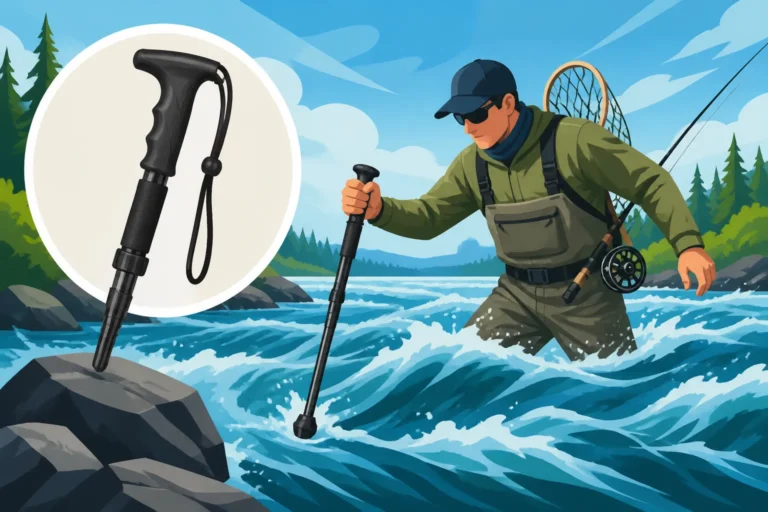
A good wading staff, often attachable to your waders, is also an indispensable safety tool when navigating uncertain, rocky riverbeds, especially when the water is cold and currents are strong. It provides an extra point of contact and helps you gauge depth and stability before committing your weight.
Ice-Out and Late Fall Conditions
These are arguably the coldest and most challenging times to fish for trout in Ontario, and your waders need to be up to the task. "Ice-out" means literally when the ice is just coming off the lakes and rivers, and the water temperatures are barely above freezing. Late fall fishing, particularly in November and early December, sees water temperatures plummeting as well.
For these conditions, 5mm neoprene waders are often the champion choice due to their inherent insulation. They offer a direct thermal barrier that can be hard to replicate with breathable waders, even with heavy layering. If you opt for breathable, make sure your layering system is robust, including thick thermal socks and insulated pants underneath, to protect against the extreme cold.
Consider elements like external pockets that can freeze shut or become cumbersome. Streamlined designs might be better. Handwarmer pockets are especially appreciated during these frigid periods, offering a quick refuge for numb fingers trying to tie on a new fly or lure. How to fish right after ice-out requires gear that can truly perform.
Budgeting for Quality
Waders, especially good cold-water ones, can be a significant investment, but it's one that truly pays off in comfort, safety, and longevity. While it might be tempting to opt for the cheapest pair available, remember the old adage: "buy cheap, buy twice." Cheap waders often sacrifice durability, proper seam sealing, and effective insulation, leading to leaks, discomfort, and premature failure.
Think of your waders as essential safety equipment, not just fishing apparel. A mid-range to high-end pair, from a reputable brand, will often provide years of reliable service, even with frequent use in challenging conditions. The cost shape can vary greatly, with basic breathable waders starting at a lower point and high-performance neoprene or premium breathable models with advanced features costing significantly more.
It's wise to set a realistic budget and prioritize features that are most important for your fishing style and the conditions you face. You might find excellent deals on quality waders at retailers like Bass Pro Shops or through online stores such as Amazon, especially during seasonal sales. Just remember to read reviews and check sizing carefully.
Cold Water Wader Comparison
| Feature | Neoprene Waders | Breathable Waders (with layers) |
|---|---|---|
| Primary Benefit | Excellent inherent warmth, good puncture resistance | Versatility, lighter, better moisture management |
| Insulation | Traps body heat with a thin water layer (like a wetsuit) | Achieved through layering underneath |
| Comfort | Can be bulky, less flexible, prone to overheating | More flexible, comfortable for active fishing/hiking |
| Durability | Generally good puncture resistance, can stiffen with age | Varies by denier, often reinforced in key areas |
| Best For | Very cold temperatures, ice-out, stationary wading | Variable conditions, active fishing, long hikes |
| Weight | Heavier | Lighter |
| Cost | Generally moderate to high | Can range from moderate (basic) to premium (advanced) |
When you're out there on the water, whether it's Fly Fishing for Trout in Ontario or chasing early-season walleye, the right waders are truly your best friend. They allow you to stay focused on the fish, enjoy the natural beauty around you, and extend your time on the water comfortably and safely. Don't compromise on this essential piece of gear.
Disclaimer
This article is for general informational purposes only and does not constitute professional advice. Laws, prices and regulations vary by location and change over time. Consult a qualified professional for guidance on your specific situation.