Best ultralight rod for panfish
There’s nothing quite like the subtle tap-tap-tap of a panfish nibbling a tiny bait, a sensation that often goes completely unnoticed if you’re wielding a heavy-duty walleye or pike rod. Many anglers struggle to feel those delicate bites, leading to missed hooksets and a less engaging fishing experience. This guide is all about helping you unlock the true joy of panfishing in Ontario by choosing the perfect ultralight rod, making those subtle strikes unmistakable and every bluegill or crappie feel like a trophy.
Why Go Ultralight for Panfish in Ontario?
Alright, let's get real for a moment. You might be thinking, "A rod is a rod, right? Why bother with something specific for little panfish?" And I get it. We've all been there, using a medium-action spinning rod that's usually reserved for bass or even small pike, just to catch a few perch for dinner. But let me tell you, once you try an ultralight rod for panfish, there's no going back. It’s a game-changer, especially when you're targeting those feisty crappie in a back bay or schooling yellow perch on Lake Simcoe.
The magic of an ultralight rod lies in its ability to transform a typically modest catch into an absolute blast. It's about sensitivity, feel, and the pure, unadulterated fun of the fight. With a light setup, even a six-inch bluegill feels like a heavyweight contender, putting a genuine bend in your rod and a smile on your face.
The Thrill of Sensitivity and Feel
Imagine you’re fishing a quiet Kawartha Lakes pond, casting a tiny jig under a dock for some chunky bluegill. With a standard rod, that delicate take might just feel like a bit of weeds or a slight tug. You might set the hook on nothing, or worse, miss the bite entirely. That's a frustrating experience, especially when you know the fish are there!
An ultralight rod changes all that. Its light power and fast action mean it's designed to transmit even the slightest vibration directly to your hand. That subtle "tick" as a crappie mouths your micro-jig, or the faint flutter as a perch inhales a minnow, becomes a clear, undeniable signal. You’re no longer guessing; you’re feeling the fish. This heightened sensitivity not only increases your hook-up ratio but also makes the entire process incredibly engaging. You're connected to the bait, the water, and most importantly, the fish, in a way that heavier gear simply can't provide. It’s like turning up the volume on your fishing experience.
Maximizing the Fight with Smaller Fish
Let’s be honest, a panfish rarely rips line off your reel like a raging muskie or a leaping salmon. But with an ultralight rod, every smallmouth bass that wanders into your panfish spot, or even a respectable slab of crappie, suddenly feels like a prize fighter. The rod bends deep, the drag might even sing a little, and you have to employ actual angling skill to bring them in. It transforms the act of catching common species like perch or sunfish from a mundane task into an exhilarating challenge.
This isn't just about fun, though; it also helps you develop better fish-fighting techniques. You learn to play the fish, using the rod's flex to absorb runs and the drag to tire them out, without horsing them in. This skill translates directly to larger species, making you a more proficient and patient angler overall. Plus, it’s just plain enjoyable to have a lively battle with a fish, no matter its size.
Casting Tiny Lures and Baits with Precision
Panfish, by nature, often prefer smaller presentations. Think tiny jigs, micro-spoons, small spinners, or just a little piece of worm on a hook. These baits are incredibly lightweight, and trying to cast them accurately on a medium or heavy rod is often a frustrating exercise in futility. You end up lobbing them, or they simply don't go where you want them to.
An ultralight rod, with its incredibly flexible tip and soft action, is perfectly designed for launching these tiny offerings. It loads up effortlessly with minimal weight, allowing you to cast those 1/32 or 1/64 ounce jigs with remarkable distance and pinpoint accuracy. This is crucial when you're trying to hit a small pocket of water under overhanging branches, or drop a bait precisely next to a log where you know crappie are hiding. The rod does the work, turning what would be a clumsy attempt with heavier gear into a smooth, effortless presentation. This precision is invaluable when you're trying to tempt wary panfish in clear water or tight cover.
Understanding Ultralight Rod Characteristics
When you're sifting through the options, whether online at a place like Amazon or browsing the aisles at Bass Pro Shops, the world of ultralight rods can seem a bit overwhelming. But it doesn't have to be! There are a few key characteristics that define what makes a rod "ultralight" and, more importantly, what makes it right for panfish. Think about the rod's power, its action, and its length – these three work together to create that perfect panfish experience.
Rod Power: The Heart of Ultralight
When we talk about rod "power," we're referring to how much force it takes to bend the rod. For an ultralight rod, this means it takes very little. These rods are built with delicate blanks that flex easily under minimal pressure. You'll often see rods rated from Ultra-Light (UL) to Extra-Heavy (XH). For panfish, you're firmly in the UL category, sometimes even "Light" power if you anticipate slightly larger panfish or the occasional small bass.
A true ultralight power rating means the rod is designed for lines in the 2-6 pound test range and lures typically weighing from 1/32 oz to 1/8 oz. If you try to cast a heavier lure, the rod will feel overloaded and won't perform correctly; conversely, a lure lighter than its rating won't properly load the rod, resulting in poor casting distance. This delicate balance is what gives you that incredible sensitivity. When a small crappie just breathes on your tiny jig, the rod tip dips, telegraphing that subtle interest right to your hands. Using a rod with too much power, like a medium or even medium-light, would simply mask these crucial signals. It’s the difference between feeling a feather land on your hand versus trying to feel it land on a brick.
Rod Action: Fast, Moderate, or Slow?
Rod "action" describes where along the blank the rod bends when pressure is applied. This is critical for both casting performance and how the rod feels when fighting a fish. For ultralight panfish rods, you'll generally encounter a few main types:
- Fast Action: These rods bend primarily in the upper third (tip section). They offer excellent sensitivity, allowing you to detect even the most subtle bites. The fast tip also provides quick power transfer for sharp, precise hooksets, which is great for species like crappie that have delicate mouths. They're fantastic for working jigs and other lures where instant feedback is key.
- Moderate-Fast Action: These rods bend in the upper half of the blank. They offer a good balance of sensitivity and forgiveness. They're still great for feeling bites and casting small lures, but their slightly more forgiving bend makes them a bit better for casting tiny spoons or spinners, and they can absorb headshakes from fighting fish more effectively, reducing the chance of pulling the hook on a lightly hooked panfish.
- Moderate (or Slow) Action: These rods bend almost down to the handle. While less common for dedicated ultralight panfish rods, they excel at casting very light baits and can be incredibly forgiving during a fight. The deeper bend acts like a shock absorber, making them ideal for delicate baits like live worms or minnows, and they minimize tear-outs, especially with soft-mouthed fish. However, their slower action means a less immediate hookset and less precise feedback on subtle bites.
For most panfish scenarios, a Fast or Moderate-Fast action is generally preferred. A fast action gives you that crisp feel and quick hookset, while a moderate-fast offers a touch more versatility.
Rod Length: Finding Your Sweet Spot
The length of an ultralight panfish rod can vary quite a bit, typically ranging from 5 feet to 7 feet, or even longer for some specialized applications. Your choice here often depends on where and how you typically fish.
- Shorter Rods (5'0" – 5'6"): These are fantastic for tight quarters, like fishing from a canoe in a small, brushy creek, or working around docks and overhanging trees. Their shorter length makes them highly maneuverable and incredibly accurate for short, pinpoint casts. They’re also excellent for vertical jigging through the ice or from a boat. However, you'll sacrifice some casting distance with these shorter rods.
- Medium Length Rods (5'8" – 6'6"): This is often the sweet spot for many anglers. They offer a great balance of casting distance, accuracy, and maneuverability. Whether you're casting from shore on a larger lake or working from a small boat, this range provides enough leverage for comfortable casting while still being easy to handle. This length is incredibly versatile for various panfish species and techniques.
- Longer Rods (6'8" – 7'0"+): If you need to cast tiny baits a long distance, especially from shore or over vast open water, longer ultralight rods shine. They excel at maximizing casting range and provide better line control for longer drifts or retrieves. They're also great for keeping line off the water when fishing light lines over obstacles. However, their length can be a hindrance in very tight spaces or when maneuvering through dense shore cover. If you're targeting crappie that are suspended far from shore, a longer rod will definitely give you an edge.
Consider your primary fishing locations in Ontario. Are you mostly hitting small, protected bays in the Kawartha Lakes Fishing Guide or larger, more open bodies of water like Lake Simcoe? This will guide your length choice.
Materials and Components: What to Look For
Beyond the basics of power, action, and length, the materials and components that make up an ultralight rod play a huge role in its performance, durability, and overall feel. These are the details that can really make a difference in your panfish pursuits.
Rod Blank Material: Graphite vs. Fiberglass
The core of any fishing rod is its blank, and for ultralight rods, you'll mostly find two primary materials:
- Graphite (Carbon Fiber): This is the most popular choice for modern ultralight rods, and for good reason. Graphite blanks are incredibly lightweight and exceptionally sensitive. They transmit even the slightest tap from a fish right up the rod, making those subtle panfish bites unmistakable. The stiffness-to-weight ratio of graphite allows manufacturers to create very thin, light blanks that still have good backbone for fighting fish. They typically offer a faster action, which is ideal for precise presentations and quick hooksets. However, graphite can be more brittle than fiberglass, meaning it's more susceptible to breaking if mishandled or high-sticked. If you’re carefully pulling a fish out of heavy cover, you need to be mindful of putting too much stress on the blank.
- Fiberglass: While less common in high-end ultralight rods today, fiberglass still has a place, especially in more budget-friendly options or rods designed for a very slow, forgiving action. Fiberglass rods are renowned for their durability and parabolic bend (bending deeper into the blank). They're less sensitive than graphite but can be a great choice for techniques where a softer, more forgiving action is beneficial, such as fishing live bait or very light crankbaits where you want the rod to load slowly. They are incredibly tough and forgiving, perfect for situations where you might be a bit rougher on your gear or when fishing with kids.
Many modern rods are also "composites," blending graphite and fiberglass to achieve a balance of sensitivity, durability, and a specific action. For maximum sensitivity and feel, especially for detecting those finicky crappie bites, a full graphite blank is often the top choice.
Guides and Reel Seat: Don't Overlook the Details
The quality of a rod's components can significantly impact its performance and longevity.
- Guides: These are the rings that your fishing line passes through. For ultralight rods, look for guides with ceramic inserts (like aluminum oxide or silicon carbide). These inserts reduce friction on your line, allowing for smoother, longer casts, which is essential when throwing tiny panfish lures. They also help dissipate heat when fighting a fish, protecting your line from damage. Good quality guides are mounted securely and have smooth, polished inserts. Cheap, poorly made guides can nick your line, reduce casting distance, and eventually fail.
- Reel Seat: The reel seat is where your spinning reel attaches to the rod. It should be securely mounted and comfortable to hold. Many ultralight rods feature lightweight graphite or skeletal reel seats to minimize overall weight and enhance sensitivity, allowing you to feel vibrations through the reel foot. Ensure your chosen ultralight reel fits snugly and doesn't wobble when secured. After all, you’ll be holding this setup for hours on end, so comfort is key.
- Handle Material: Most ultralight rods come with either cork or EVA foam handles. Cork is often preferred by many anglers for its classic look, comfortable feel, and good grip even when wet. EVA foam is durable, easy to clean, and often found on more budget-friendly rods. Both are perfectly functional; it often comes down to personal preference. A split-grip handle design (where sections of the handle are cut out) is also common on ultralight rods, as it further reduces weight and exposes more of the rod blank, potentially increasing sensitivity.
Choosing a rod with quality components will ensure it performs well for years, especially if you're frequently fishing. Brands like St. Croix, Fenwick, and Shimano often come to mind for their attention to detail in components. If you're browsing for a quality option on Bass Pro Shops or Cabela's, pay attention to the component descriptions.
Pairing Your Ultralight Rod for Optimal Performance
A great ultralight rod is only one half of the equation; the other half is a perfectly matched ultralight spinning reel and appropriate fishing line. The synergy between these components is what truly unlocks the potential of your panfish setup. Without a balanced system, even the best rod can underperform.
Selecting the Right Ultralight Spinning Reel
For an ultralight rod, you need an equally ultralight spinning reel. Typically, this means a reel in the 500 to 1000 size range (sometimes called 05, 10, 15, or 20 in some branding). The key is to match the reel's weight to the rod's weight, creating a balanced setup that feels comfortable in your hand and doesn't make the rod feel tip-heavy or butt-heavy.
Here’s what to look for:
- Lightweight Construction: Many ultralight reels use graphite bodies and rotors to keep weight down. This is crucial for reducing fatigue during a long day of casting and retrieving tiny baits.
- Smooth Drag System: Even though panfish aren't known for blistering runs, a smooth, consistent drag is essential when using light lines. It prevents break-offs and allows you to tire out surprisingly feisty fish, especially when a bigger crappie or a surprise smallmouth decides to crash your panfish party.
- Gear Ratio: A moderate gear ratio (e.g., 5.0:1 or 5.2:1) is generally good for panfish. It provides a versatile retrieve speed for various lures and techniques. You don't necessarily need a super-fast retrieve, as many panfish presentations are slow and subtle.
- Line Capacity: Ensure the reel has enough capacity for the light line you plan to use (e.g., 4-6 lb monofilament or 6-10 lb braided line). You don't need hundreds of yards, but enough to handle long casts and potential snags.
When you’re holding the rod and reel together, it should feel like an extension of your arm, with the balance point typically just ahead of the reel seat. This balance makes it easier to detect bites and cast effortlessly all day long.
Choosing the Best Fishing Line
Line choice for ultralight panfishing is more critical than many realize. Your line needs to be thin, strong, and sensitive enough to transmit those delicate bites while still being able to handle the fight.
| Line Type | Pros | Cons | Ideal Use Cases |
|---|---|---|---|
| Monofilament | Low visibility, good knot strength, forgiving stretch, easy to cast. | Less sensitive, more memory (coiling), UV degradation. | General panfishing, live bait, topwater, beginner-friendly. |
| Fluorocarbon | Extremely low visibility (nearly invisible in water), highly sensitive, abrasion resistant. | Stiffer (can cause coiling), more expensive, can be harder to knot. | Clear water, finicky fish, bottom contact jigs. |
| Braided Line | Incredible strength-to-diameter ratio, extremely sensitive, no stretch, long casting. | Highly visible, can be difficult to cut, requires a leader. | Fishing in cover, long casts, maximum sensitivity. |
For most ultralight panfish applications, I recommend starting with 4-pound test monofilament or a thin 6-pound braided line with a 4-pound fluorocarbon leader. The monofilament is forgiving and easy to manage, perfect for general fishing. Braided line offers superior sensitivity and casting distance, especially important when you're trying to reach those distant crappie schools. Just remember to tie a short fluorocarbon leader (18-36 inches) to your braid using a knot like the FG or Double Uni, to give you that stealth in clear Ontario waters. When fishing for species like Yellow Perch in Lake Erie and Lake Simcoe, line visibility can make a real difference, so a fluorocarbon leader is a smart move.
Essential Lures and Baits for Ultralight Panfish
What kind of lures are we talking about here? The beauty of ultralight is that it handles the tiny stuff that panfish absolutely crave.
- Micro Jigs: These are your bread and butter. Think 1/32 oz, 1/64 oz, or even smaller jigs tipped with tiny soft plastics (like tiny grub tails, tubes, or creature baits), small live minnows, maggots, or a piece of worm. They’re incredibly versatile for crappie, bluegill, and perch. Best Baits for Walleye on Lake Erie are typically too big for panfish, but the principle of matching the hatch still applies on a smaller scale.
- Tiny Spinners: Classic Mepps or Rooster Tail spinners in sizes #0 or #1 are deadly for aggressive panfish like perch and sunfish. Their flash and vibration often trigger strikes when other baits fail.
- Small Spoons: Tiny Kastmaster-style spoons or specialized ice fishing spoons (even in open water) can be effective, especially for deeper-holding perch or crappie.
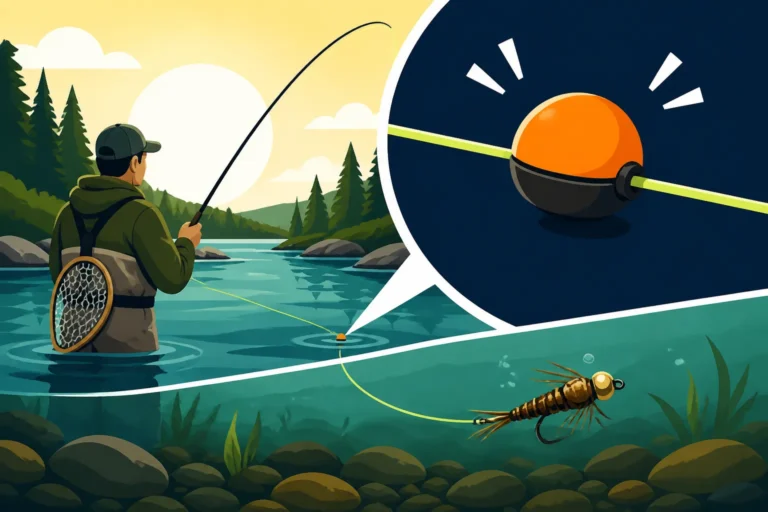
- Live Bait: There's no denying the effectiveness of a small minnow, a worm, or maggots under a tiny bobber. An ultralight rod provides the sensitivity to detect the most delicate take without spooking the fish.
Don’t be afraid to experiment with different colours and sizes. Often, a slight change can make all the difference, especially when panfish are finicky. Whether you're targeting Black Crappie in Ontario Lakes or just backyard bluegill, having a selection of these tiny offerings will ensure you're ready for anything.
Ultralight Rod Recommendations and Maintenance
So, you're convinced you need an ultralight rod for your Ontario panfish adventures. Excellent! Now, let's talk about some general recommendations and, critically, how to keep your delicate new setup in tip-top shape. Because while they're incredibly fun to fish with, ultralight rods also demand a bit of extra care.
General Recommendations for the Discerning Panfish Angler
While I can't name specific models, I can guide you on what to look for when you're shopping around. Think about rods from manufacturers known for quality, often found at reputable retailers like Bass Pro Shops or even a well-regarded independent tackle shop. Many of these brands also have a presence on platforms like Amazon, offering a wide array of choices.
- For the Budget-Conscious Angler: You don't have to break the bank to get into ultralight fishing. There are many fantastic rods available that offer excellent value. Look for graphite composite blanks, which balance sensitivity with durability, and solid ceramic guides. A 6-foot, 2-piece rod with a fast or moderate-fast action will serve you well for most panfish scenarios. Don't underestimate these entry-level options; they're often surprisingly capable.
- For the Enthusiast Seeking Performance: If you're ready to invest a bit more, look for rods with higher modulus graphite blanks. These will be noticeably lighter and more sensitive. Pay attention to premium components like Fuji guides and comfortable cork grips. You might explore slightly longer rods (6'6" to 7'0") for enhanced casting distance and finesse presentations, especially if you're targeting more wary fish or trying to maximize your reach from shore. These rods offer an unparalleled connection to your lure and the fish.
- Specialized Options: If you find yourself in very specific situations, consider specialized ultralight rods. For instance, an even shorter, ultra-fast action rod might be perfect for ice fishing for panfish, offering pinpoint jigging control in a tight space. Conversely, a longer, moderate action rod might be ideal for float fishing tiny jigs on a river, providing better line mending capabilities. For anglers who love to target Brook Trout in Ontario's Crown Land Lakes, a very light, sensitive ultralight rod can make all the difference in feeling those subtle bites in cold water.
Always read reviews and, if possible, physically handle the rod before buying. That "feel" in your hand is incredibly important.
Essential Ultralight Rod Maintenance Tips
Ultralight rods, by their very nature, are built with thinner, more delicate blanks to achieve that incredible sensitivity. This means they require a bit more TLC than your heavier gear.
- Avoid High-Sticking: This is the golden rule for all fishing rods, but especially ultralights. High-sticking means raising your rod straight up into a near-vertical position when fighting a fish or lifting it out of the water. This puts immense pressure on the tip section, which is the most fragile part of an ultralight rod, often leading to breakage. Keep the rod bent towards the fish at an angle, allowing the entire blank to absorb the stress. Use a landing net whenever possible, and if you must lift a fish, grab the line just above the fish, not by reeling it up with the rod tip high.
- Clean Your Rod and Reel: After every few outings, or especially after fishing in dirty or brackish water, give your rod and reel a quick rinse with fresh water. Use a soft cloth to wipe down the blank, guides, and reel. Pay special attention to the reel seat and guide feet, where salt or grime can accumulate. This prevents corrosion and keeps your gear performing smoothly.
- Inspect Guides Regularly: Before each trip, run a cotton swab along the inside of each guide. If the cotton snags, it indicates a crack or rough spot on the ceramic insert. A damaged guide can quickly fray and break your line. If you find one, replace it or have it repaired.
- Store Properly: Never store your ultralight rod leaning against a wall where it can easily fall over. Invest in a rod sock or a hard rod case for transport and storage. This protects the delicate blank from nicks, scratches, and accidental impacts that can lead to failure later on. A secure rod holder in your boat or vehicle is also a wise investment.
- Be Gentle When Transporting: When transporting your rod, especially if it’s a 1-piece model, avoid bending or flexing it unnecessarily. Don't slam it in a car door or lay heavy objects on top of it. Treat it with the respect it deserves!
By following these simple maintenance steps, your ultralight panfish rod will provide you with countless hours of enjoyable fishing, making every tiny bite and every small fight a memorable one. Taking care of your gear ensures it will perform optimally, whether you're chasing Bluegill Habits in Ontario Ponds or schooling Black Crappie in Ontario Lakes.
Disclaimer
This article is for general informational purposes only and does not constitute professional advice. Laws, prices and regulations vary by location and change over time. Consult a qualified professional for guidance on your specific situation.