Ontario Aurora Trout Rotational Lake Closures
For anglers eager to explore Ontario's pristine wilderness, the allure of catching a truly unique fish like the Aurora Trout is undeniable. However, navigating the specific and often complex regulations surrounding these rare fish, particularly the rotational lake closures, can be incredibly frustrating and confusing. This guide is designed to cut through that complexity, helping you understand why these special rules exist and how to ensure your Aurora Trout fishing trip is both compliant and successful.
Understanding the Aurora Trout's Unique Status in Ontario
The Aurora Trout isn't just any fish; it's a true gem of Ontario's natural heritage, a rare subspecies of brook trout that holds a special place in the hearts of dedicated anglers. Its existence is tied to a very specific and delicate environment, making its conservation a paramount concern.
A Glimpse into the Aurora Trout's History and Habitat
Imagine a fish so unique, so brilliantly coloured, that it feels like a secret kept within the remote, shimmering waters of Northern Ontario. That's the Aurora Trout. Historically, this distinct population was found only in a handful of small, isolated lakes north of Lake Temagami, specifically the Whitefish Lake and Whirligig Lake drainages. These fish evolved in nutrient-poor, acidic lakes, developing a stunning coloration of vibrant reds and oranges along their flanks, contrasting with their dark backs. Their unique genetic makeup sets them apart, making them a subspecies rather than just a colour variant.
Unfortunately, acid rain in the mid-20th century devastated these fragile ecosystems, pushing the Aurora Trout to the brink of extinction. The acidic conditions destroyed their food sources and prevented successful reproduction. Thanks to intensive conservation efforts, including stocking programs and liming treatments to neutralize lake acidity, they've been brought back from the edge. Today, while their original native lakes are still important, the population has been carefully introduced to other carefully selected, remote lakes to expand their range and ensure genetic diversity, albeit under strict management.
Why These Regulations are So Critical for Conservation
The reason for the highly specific and often changing regulations isn't to make life difficult for anglers; it's born out of a profound commitment to saving this remarkable fish. The Aurora Trout is incredibly sensitive to environmental changes and angling pressure. Its recovery is a delicate balance, and overfishing or habitat disturbance could easily undo decades of hard work. The rotational closures are a direct response to this vulnerability.
These rules ensure that each lake gets periods of respite, allowing the Aurora Trout populations within them to reproduce, grow, and recover without the added stress of fishing activity. It's a long-term strategy, acknowledging that these fish are not just a resource for recreation, but a vital part of Ontario's biodiversity. Anglers play a crucial role in this conservation by understanding and respecting these rules. Without these stringent measures, the future of the Aurora Trout would be far less secure, potentially leading to irreversible decline.
Deciphering the Rotational Lake Closure System
The rotational lake closure system is often the most perplexing aspect for anglers hoping to target Aurora Trout. It's not a static set of rules; rather, it's a dynamic schedule designed to optimize population health. Understanding its mechanics is key to a successful and legal fishing trip.
How the Rotation Works: A Cycle of Rest and Recovery
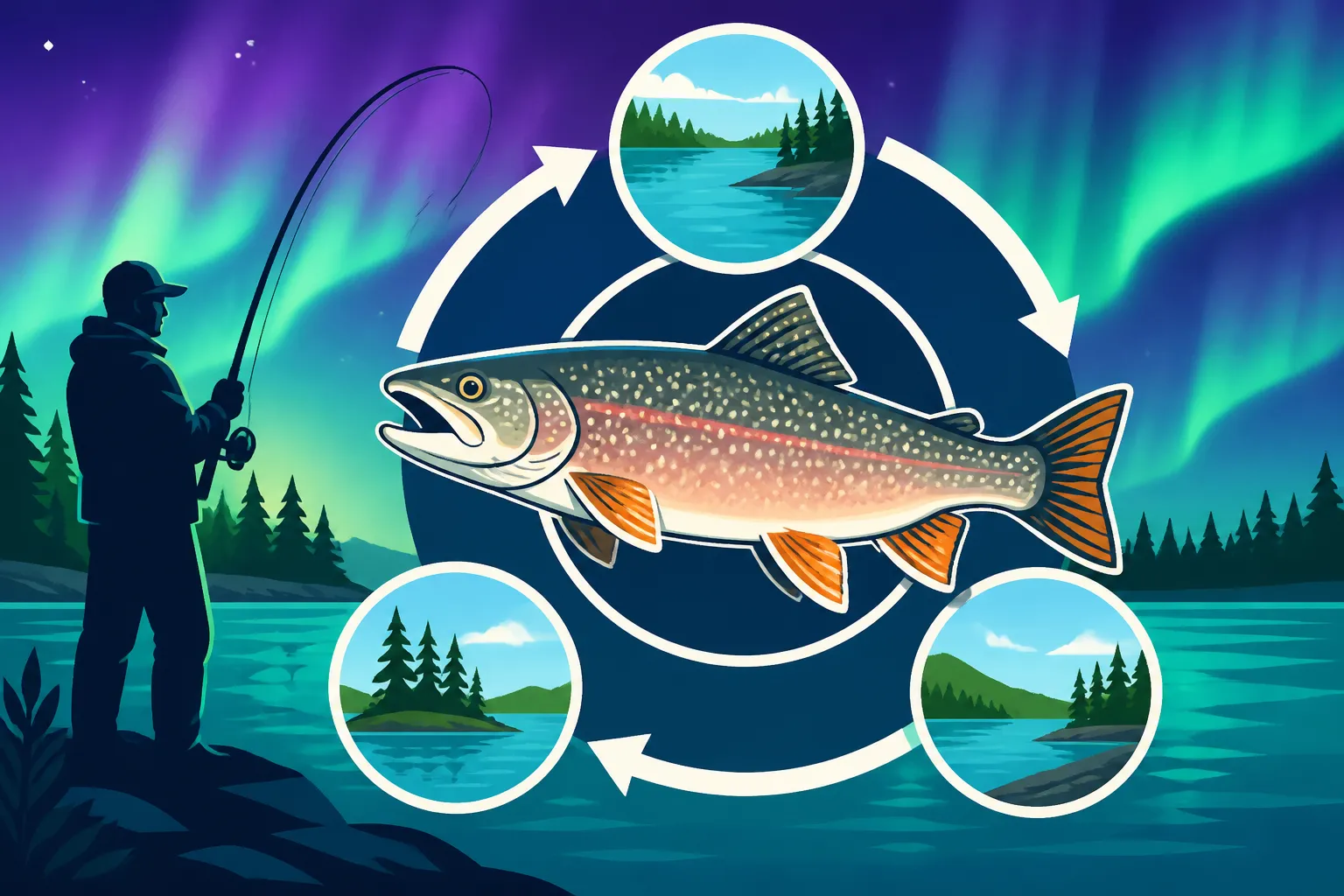
Think of the rotational closure system as a carefully orchestrated dance between nature and management. The Ministry of Natural Resources and Forestry (MNRF) identifies a specific group of lakes deemed suitable for Aurora Trout. Within this group, only a select few are open for fishing in any given year, while the others are completely closed. The lakes typically operate on a two-year cycle: one year open, one year closed, or sometimes even longer closure periods depending on the lake's specific needs and the health of its fish population.
This allows the fish in closed lakes to experience minimal disturbance. They can feed, grow, and spawn without the presence of anglers. This strategy also prevents any single lake from bearing the brunt of continuous fishing pressure, which could quickly deplete stocks. It's a proactive approach to managing a rare species, ensuring sustainability for generations to come. When you're planning your trip, you're essentially looking for the "open" window in this carefully managed cycle.
Identifying Closed vs. Open Lakes in a Given Year
The critical challenge for anglers is knowing which lakes are open and which are closed for Aurora Trout fishing in the current year. This isn't something you can guess or rely on outdated information for. The schedule changes annually, and what was open last year might be closed this year. It's a common frustration that many anglers express, feeling like they need to be detectives to find the correct information.
The most reliable source for this information is always the official Ontario Fishing Regulations Summary. This document is updated annually and explicitly lists the lakes designated for Aurora Trout fishing, along with their current open or closed status. It will also specify any other unique regulations, such as catch and release only mandates or specific lure restrictions. You absolutely need to consult the most recent summary before heading out, as regulations can change. It's not like other fisheries where you might just assume the season is open; with Aurora Trout, the assumption should always be that a lake is closed until you verify it is open. You can often find the summary available for purchase or even as a free download online, and it's a wise addition to any angler's digital library or physical backpack, perhaps even one you found on Amazon.
To illustrate, here's a hypothetical example of what such a rotational schedule might look like (note: this is illustrative and does not reflect actual current regulations):
| Lake Name | FMZ | Status 2024 | Status 2025 | Notes |
|---|---|---|---|---|
| Borealis Lake | 11 | Closed | Open | Special Catch & Release Only |
| Whitefish Lake | 11 | Open | Closed | Barbless Hooks Required |
| Whirligig Lake | 11 | Open | Closed | Artificial Lures Only |
| Carol Lake | 11 | Closed | Closed | Extended Closure for Population Recovery |
| Red Pine Lake | 11 | Open | Closed | Limited Entry Access |
This table highlights the dynamic nature and the additional special regulations that can apply. Always double-check the official document. For more general information on Reading the Ontario Fishing Regulations Summary, you can find another helpful resource.
Planning Your Aurora Trout Adventure: What You Need to Know
Successfully planning a trip to target Aurora Trout goes beyond simply knowing which lake is open. These are often remote, challenging environments that require thorough preparation and a deep respect for the resource.
Essential Resources for Checking Current Regulations
As mentioned, the official Ontario Fishing Regulations Summary is your bible. It's not just for general regulations; it has dedicated sections for species like the Aurora Trout due to their unique management. You can usually access this online through the Ontario government website or pick up a physical copy from most license vendors. Furthermore, the Ontario Fish ON-Line Interactive Zone Map, Explained can be an invaluable tool. While it might not always show the precise rotational closures for Aurora Trout, it's excellent for understanding the broader Fisheries Management Zones and identifying the types of waters you might be in.
Beyond the summary, it's a good idea to check for any special notices or news releases from the MNRF leading up to your trip. Sometimes, unexpected events like severe weather or unforeseen population dynamics can lead to last-minute changes in access or regulations. Local outfitters or guides who operate in the Temagami region can also be excellent sources of up-to-date, on-the-ground information, as they often have direct contact with the provincial authorities. Their insights can be precious, especially concerning access to some of the more secluded lakes.
General Angling Guidelines for Aurora Trout Waters
When you're finally headed to an open Aurora Trout lake, remember that these are not typical fishing spots. The fishing is often catch and release only, and for good reason—every fish is precious to the long-term health of the population. Therefore, being prepared with the right gear and techniques is critical. Fly fishing is a popular and often recommended method, particularly with small, dark patterns that mimic the insects common in these oligotrophic (low nutrient) lakes. If you're looking for more tips, there's a great guide on Fly Fishing for Trout in Ontario.
Light spinning tackle can also be effective, but use small, single barbless hooks and artificial lures. Natural bait is almost universally prohibited to prevent the introduction of invasive species or diseases. Always ensure you have a good quality landing net with fine, knotless mesh to minimize harm to the fish. Prepare for remote conditions: these lakes are often only accessible by portage or float plane, so self-sufficiency is key. Consider bringing a robust dry bag, perhaps one you scoped out on Amazon, for your essential gear, given the potential for canoe trips and portages. Also, remember that many of these lakes are on Crown Land, so be aware of any specific Ontario Crown land camping and fishing access permit rules if you plan an overnight stay.
Responsible Angling Practices for Aurora Trout
Fishing for Aurora Trout is a privilege, not a right. Because of their endangered status and the intensive efforts to restore their populations, responsible angling isn't just a suggestion—it's a critical component of their survival.
Catch and Release: Protecting a Fragile Population
For most Aurora Trout fisheries, catch and release is not just encouraged, it's mandatory. This isn't about catching a meal; it's about the experience, the challenge, and the awe of connecting with such a rare and beautiful creature. The survival of released fish is paramount. This means minimizing the fight time, using appropriate gear that doesn't overstress the fish, and handling them as little as possible. Wet your hands before touching the fish to protect its delicate slime coat, which is its first line of defense against disease.
If you must take a photo, do it quickly with the fish still in the water or held gently just above the surface. Never hold an Aurora Trout by its jaw or gills, and definitely don't let it flop around on rocks or in the bottom of a canoe. A specialized, rubberized landing net is indispensable here, allowing you to cradle the fish in the water while you remove the hook. For more detailed instructions, you can refer to general guides on Ontario Catch and Release Only Waters, which provide excellent practices applicable to these sensitive trout. Remember, every released fish represents potential future generations, making your careful handling an act of true conservation.
Minimizing Your Impact on Delicate Ecosystems
The lakes where Aurora Trout thrive are often pristine, fragile environments. Your presence, no matter how brief, can have an impact. Beyond careful fish handling, think about your overall footprint. Practice "Leave No Trace" principles rigorously: pack out everything you pack in, including all garbage and organic waste. Avoid using soaps, detergents, or anything that could introduce contaminants into the water.
When accessing these lakes, stick to established portage trails and campsites to avoid trampling sensitive vegetation. If you're using a boat, ensure it's clean and free of any aquatic invasive species, especially if you're moving it between different water bodies. Even a small piece of plant matter or a single invasive organism could introduce a foreign threat to these isolated ecosystems. Respect wildlife, maintain quiet, and be mindful of other users. The goal is to leave the environment exactly as, or even better than, you found it. This holistic approach to responsibility ensures that these special places remain wild and healthy for the Aurora Trout and for future generations of anglers.
Looking Ahead: The Future of Aurora Trout Conservation
The story of the Aurora Trout is a testament to dedicated conservation efforts, but the work is far from over. Ensuring the long-term survival of this unique fish requires ongoing commitment from scientists, managers, and, crucially, from the angling community.
Ongoing Research and Management Efforts
The MNRF, along with academic institutions and conservation groups, continues to monitor Aurora Trout populations and their habitats closely. This involves regular surveys to assess fish numbers, genetic health, and reproductive success. Water quality is also constantly monitored, particularly for pH levels, to ensure the lakes remain suitable for these acid-sensitive fish. New research explores factors like climate change, potential threats from other species, and further habitat restoration techniques.
This scientific backbone is what informs the rotational closure system and other specific regulations. It's a dynamic process; if a population shows signs of stress, management strategies can be adjusted, potentially leading to extended closures or changes in fishing methods. This adaptive management approach is vital for such a vulnerable species. They're constantly evaluating new candidate lakes for introduction, expanding the network of Aurora Trout strongholds while keeping a watchful eye on existing ones, ensuring the species doesn't put all its eggs in one basket.
How Anglers Can Contribute to Long-Term Survival
Anglers are more than just participants in this fishery; they are essential partners in its conservation. Your adherence to the regulations is the most direct and impactful way to contribute. This includes meticulously checking Ontario Fishing Regulations Explained and understanding specific rules like the Ontario Aurora Trout Rotational Lake Closures before every trip. Reporting any observed violations, whether it's someone fishing in a closed lake or harvesting fish where only catch and release is permitted, is also crucial. These reports help enforcement agencies protect the resource.
Beyond compliance, consider getting involved with local conservation groups or even participating in citizen science initiatives if they arise. Spreading awareness among fellow anglers about the unique nature of the Aurora Trout and the importance of its regulations can also make a significant difference. Every angler who practices responsible fishing, handles fish with care, and respects the environment contributes directly to the long-term health and survival of this magnificent fish. By embracing this stewardship, we can ensure that the iridescent flash of an Aurora Trout continues to grace Ontario's wild waters for years to come.
Disclaimer
The information provided in this guide is for general informational purposes only and is not a substitute for official government regulations. Fishing regulations, including rotational lake closures for Aurora Trout, can change frequently. Always consult the most current official Ontario Fishing Regulations Summary and any relevant provincial government resources before planning and undertaking any fishing trip. Adherence to all applicable laws and regulations is the sole responsibility of the angler.