Best rod for float fishing the French River
Choosing the perfect rod for float fishing on the French River can feel like a real puzzle. You’re not just dealing with one type of fish or one type of water; this incredible river throws everything at you – from swift currents and rocky shorelines to calm bays and the potential for a monster muskie to smash your walleye setup. It’s easy to feel overwhelmed, wondering if you need a quiver full of rods or if there’s one true workhorse that can handle it all. This guide is here to cut through the confusion and help you select a float fishing rod that will truly shine on the French, empowering you to tackle its diverse waters with confidence.
Understanding the Unique Demands of French River Float Fishing
The French River isn't your average fishing hole; it's a dynamic, ancient waterway that demands a lot from an angler and their gear. If you've ever cast a line here, you know it's a place of incredible beauty, but also of constant challenges. Successfully float fishing here means having a rod that can adapt to rapid changes in conditions and target species, preventing those frustrating moments of feeling under-gunned or over-powered.
The French River's Diverse Fishery
One of the greatest joys, and sometimes the biggest challenge, of fishing the French River is its incredible biodiversity. You might start your day with a clear plan to catch some delicious walleye, drifting a float and a worm through a promising channel. But on the very next cast, a feisty smallmouth bass could hammer your presentation, or even more thrilling, a massive northern pike or muskellunge could decide your bait is its next meal. This isn't a single-species fishery, and your rod needs to reflect that reality.
Think about it: a rod designed solely for delicate brook trout in a small stream simply won't cut it when a 20-pound pike decides to take your float for a ride towards a submerged log. Conversely, a heavy muskie rod, while capable of landing that beast, would make detecting the subtle bite of a cautious walleye nearly impossible. The French River angler needs a rod that walks a fine line, offering enough backbone to handle unexpected giants while still providing the sensitivity required for smaller, more finicky bites. It’s about finding that sweet spot of versatility that allows you to enjoy whatever the river decides to offer up.
Navigating Current, Structure, and Open Water
The physical environment of the French River is as varied as its fish populations. You’ll encounter everything from fast-moving rapids and powerful currents in constricted channels to vast, calm stretches of open lake-like bays and intricate networks of islands and submerged shoals. Each of these environments presents its own set of challenges for float fishing, directly impacting the ideal rod choice.
When you're drifting a float through a swift current, you need a rod that can manage your line effectively, mending it to prevent drag and keep your bait in the strike zone. This often means a longer rod that provides better leverage and reach. However, if you're casting into tight coves dotted with fallen trees or rocky outcrops – classic smallmouth bass territory – a shorter, more maneuverable rod might seem appealing. The reality is, you'll likely encounter all these scenarios in a single outing. Your rod needs to be a jack-of-all-trades, capable of casting accurately into tight spots, yet long enough to control a float in a respectable current without feeling like you're fighting the river itself. It also needs the durability to withstand accidental bumps against rocks or boat gunwales that are inevitable on such a rugged river.
Key Rod Characteristics for French River Float Fishing
When you're standing in a tackle shop or browsing online, the sheer number of options can make your head spin. But for float fishing the French River, we can narrow down the critical characteristics that will lead you to a rod that feels like an extension of your arm, capable of tackling its unique challenges.
Rod Length: The Balance of Control and Casting Distance
For float fishing on a river system like the French, rod length is far more critical than many anglers initially realize. You're not just casting; you're often mending line, controlling your drift, and fighting fish around obstacles. A shorter rod, say 6 to 7 feet, might be great for pitching lures in tight quarters or pulling fish straight out of heavy cover, but it often falls short (pun intended!) when it comes to float fishing. It's difficult to manage line effectively in current with a short rod, leading to frustrating drag and an unnatural presentation of your bait.
This is where longer rods, typically in the 8 to 10-foot range, truly shine for float fishing. The extra length allows you to keep more line off the water, especially when dealing with variable currents, making it easier to mend your line and achieve a natural, drag-free drift. Imagine trying to guide your float around a submerged boulder with a short rod versus using an 8.5-foot rod that lets you steer your line with precision. The longer length also aids in casting lighter floats and baits further, reaching those distant eddies or channels that hold fish. While a 10-foot rod might feel a bit unwieldy in a smaller boat or in very tight, brushy areas, an 8.5- to 9-foot rod often hits the sweet spot for the French River, offering that crucial balance of control, casting distance, and manageability for most situations.
Rod Power and Action: Handling Diverse Fish and Presentations
Rod power refers to the strength of the rod – how much force it takes to bend the blank. For the French River's varied species, a medium-light to medium power rod is often your best bet. A medium-light rod offers excellent sensitivity for feeling those subtle walleye bites and makes fighting smaller smallmouth a blast, but it can still have enough backbone to handle an unexpected pike or a decent walleye in current. A straight medium power rod offers even more grunt, which can be reassuring when you know you're in an area with a higher potential for larger fish or where you need to quickly turn a fish away from heavy cover. Going too heavy, like a medium-heavy or heavy power rod, might make you miss those finesse bites, while ultra-light rods are simply not robust enough for the potential catches here.
Rod action, on the other hand, describes where the rod bends when pressure is applied. For float fishing, a moderate-fast to fast action is generally preferred. A fast action rod bends mostly in the top third of the blank, providing excellent sensitivity for bite detection and quick, precise hooksets. This is crucial when a walleye inhales your bait or a smallmouth subtly picks it up. A moderate-fast action rod bends a bit further down, offering a good blend of sensitivity and a slightly more forgiving bend that can help prevent hooks from tearing out of a fish's mouth, especially when using lighter lines. This action also provides a good casting arc for sending out floats. Avoid slow action rods, which bend throughout the blank, as they typically lack the quick hook-setting power and sensitivity needed for effective float fishing on a river like the French.
Material and Components: Durability and Sensitivity
The material from which your rod is constructed plays a huge role in its overall performance, especially regarding sensitivity and durability. Most modern fishing rods are made from graphite, fiberglass, or a composite blend of the two. For French River float fishing, high-modulus graphite is often the top choice. Graphite rods are incredibly light, sensitive, and transmit vibrations exceptionally well, meaning you'll feel every bump, tick, and subtle bite. This sensitivity is paramount when fishing with a float, as it allows you to react quickly to even the faintest indication that a fish is interested.
While pure graphite can sometimes be more brittle, advancements in rod technology have made them quite robust. Some anglers prefer a composite rod, which blends graphite and fiberglass. These rods offer a bit more durability and a slightly more forgiving feel, which can be beneficial when battling powerful fish in close quarters or if you're prone to accidental knocks against the boat. However, they typically sacrifice a little bit of that critical sensitivity that graphite provides.
Beyond the blank, pay attention to the components: the reel seat, guides, and handle. A comfortable, ergonomic reel seat that securely holds your spinning reel is essential for long days on the water. Look for guides with durable inserts, such as those made from aluminum oxide or silicon carbide. These materials reduce friction, allowing for smoother, longer casts and are particularly important when using braided line, which can otherwise wear down lesser quality guides over time. A good quality cork or EVA foam handle provides a comfortable grip and further enhances sensitivity. These seemingly small details contribute significantly to the rod's overall performance and longevity, especially when facing the rugged conditions of the French River.
Recommended Rod Setups for French River Float Fishing
Equipping yourself for the French River's diverse challenges means considering a versatile setup that can handle a range of scenarios. While a specialized rod for every species is ideal for some, most anglers seek a reliable workhorse that can adapt.
The All-Around Workhorse (Spinning Rod Setup)
For the vast majority of float fishing scenarios on the French River, a single, versatile spinning rod setup will be your best friend. This is the rod that will handle everything from panfish to decent-sized pike and walleye, and even put up a respectable fight against an unexpected muskie. You'll find a fantastic selection of these types of rods at retailers like Bass Pro Shops, where you can feel the different lengths and actions in person.
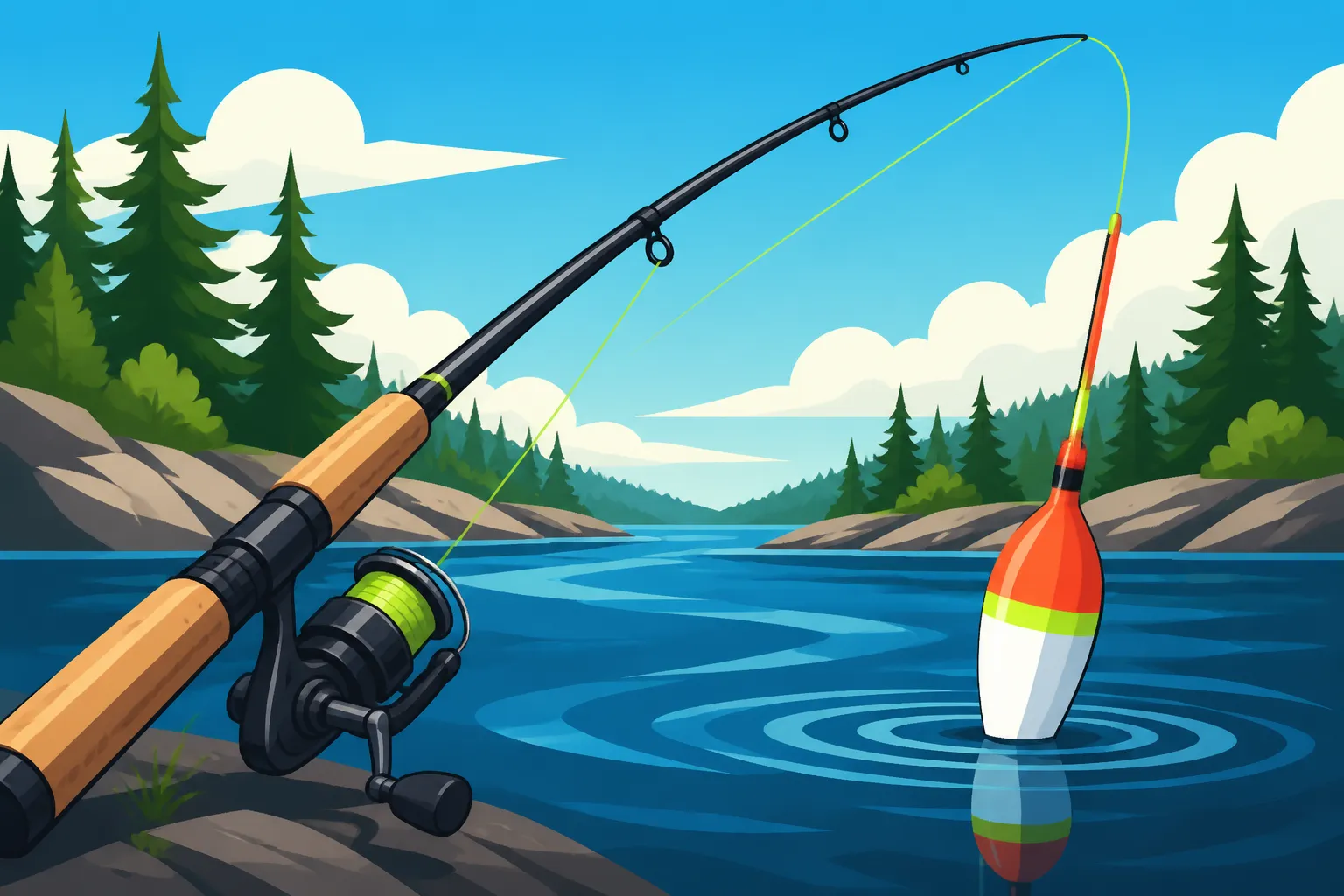
I'd strongly recommend a spinning rod in the 8'6" to 9'0" length, with a medium-light to medium power and a fast action. This combination offers the casting distance needed for open water, the line control crucial for current, and the sensitivity to detect delicate bites while still possessing enough backbone to land substantial fish. Pair this with a reliable 2500-3000 series spinning reel. This reel size provides a good balance of line capacity and smooth drag, which is absolutely vital when a big fish makes a run. For line, a 10-15 lb braided mainline is an excellent choice for its sensitivity and strength, always using a fluorocarbon leader of appropriate strength (8-12 lb for walleye/smallmouth, maybe 20-30 lb if you're specifically targeting pike). This setup is ideal for drifting jigs, live bait, or small crankbaits under a float, making it incredibly adaptable for various presentations and targets on the French River.
Specialized Rods for Specific French River Targets
While the all-around workhorse is fantastic, sometimes you want to lean into a specific target, especially when those French River trophy fish are on your mind. For those serious about chasing the river's larger inhabitants, or for those rare moments of targeting smaller panfish, a more specialized approach makes sense.
If your heart is set on landing one of the French River's legendary muskellunge or larger northern pike while float fishing, you'll want to step up your gear significantly. This isn't your average float setup. Opt for a 9'0" to 10'0" heavy power, fast action spinning or casting rod. This beefier rod offers the brute strength required to cast heavier floats and bigger baits, and more importantly, to control and turn a large, powerful fish that's trying to get into heavy cover. Pair this with a larger 4000-5000 series spinning reel or a robust low-profile baitcasting reel spooled with 50-80 lb braided line and a heavy fluorocarbon or wire leader. This setup is specifically designed to handle the immense power of these apex predators and is a must if you're dedicating a day to their pursuit. Remember, the Ontario Muskellunge Season Dates and Limits are important to know before you target these giants.
On the other end of the spectrum, if you find yourself in a calm, sheltered bay absolutely teeming with panfish like crappie or bluegill, your main rod might feel a bit overkill. For these situations, a 7'0" to 7'6" light to ultra-light power, moderate-fast action spinning rod can be incredibly fun. It allows for delicate presentations of tiny floats and micro jigs, making even small panfish feel like giants. While not the primary focus of float fishing the French River, having a lighter setup available for these moments can add another layer of enjoyment to your trip, perhaps for a shore lunch catch if the main bite is slow.
Essential Considerations Beyond the Rod
Having the perfect float fishing rod is a huge step, but it's just one piece of the puzzle. The best rod in the world won't perform optimally if it's not complemented by the right reel, line, and terminal tackle. On a river as diverse and challenging as the French, these complementary elements become absolutely critical for success.
Matching Your Reel and Line
A fishing rod and reel are a symbiotic pair; one cannot perform its best without the other. For float fishing on the French River, you want a spinning reel that balances well with your chosen rod. For our recommended 8'6" to 9'0" medium-light to medium power rod, a 2500-3000 series reel is typically perfect. This size offers enough line capacity for longer runs by larger fish and has a smooth, reliable drag system, which is paramount for preventing break-offs and tiring out strong fish. A smooth drag, especially on the initial run of a hard-fighting smallmouth or a charging pike, is your best friend.
When it comes to line, braided line has become incredibly popular for good reason. Its minimal stretch offers unparalleled sensitivity, allowing you to feel the faintest taps on your float and deliver instant hooksets. A 10-15 lb test braid is a great choice for your main line. However, braid is highly visible in clear water and can be easily cut on sharp rocks or fish teeth, so it’s crucial to always attach a fluorocarbon leader. For general walleye and smallmouth float fishing, an 8-12 lb fluorocarbon leader is ideal, offering excellent abrasion resistance and invisibility. If you're specifically targeting pike or muskie, you'll need to beef up that leader significantly, or even consider a wire leader, to prevent bite-offs. Knowing how to properly tie a braid-to-fluoro knot (like the FG or Alberto knot) is an essential skill for any French River angler.
Floats, Leaders, and Terminal Tackle
The magic of float fishing truly comes alive with the right combination of floats, weights, and hooks. The French River, with its varying depths and currents, often calls for the versatility of slip floats. Unlike fixed floats, which are pegged at a set depth, slip floats allow your line to "slip" through them, letting you fish at any depth by simply adjusting a small bobber stop on your line. This is incredibly useful when exploring deeper holes or trying to present bait just above the bottom in 20+ feet of water. For lighter presentations in shallower, calmer sections, smaller fixed floats can still be effective.
Weighting your float setup correctly is also key. You want just enough weight (split shot or small sliding sinkers) to cock your float properly in the water, so only the bright tip is visible. This makes it sensitive to light bites. Too much weight and your float will sink; too little and it won't stand up, making bites harder to detect. Your leaders (as discussed with line) should match the strength of the fish you're targeting, but also be as light as possible to maintain a natural presentation. As for hooks, consider the type of bait you're using. If you’re fishing live minnows, a fine-wire circle hook or a light-wire octopus hook might be best to keep the bait lively and ensure a good hookset. Always have a variety of these items on hand, and remember that places like Amazon offer a massive selection that you can have delivered right to your door. Be sure to consult the Ontario Fishing Regulations Summary for any specific tackle restrictions or requirements in the zones you plan to fish.
Safety and River Navigation
Beyond your fishing gear, safety should always be your number one priority, especially when navigating a large, often remote river system like the French. If you're operating any motorized boat, even a small aluminum one, you are required to have a Ontario Pleasure Craft Operator Card Requirement. This ensures you understand the fundamental rules of the water and how to operate your vessel safely.
Furthermore, life jackets are not just a recommendation; they are a legal requirement for everyone on board in certain situations, and a smart choice at all times. Ensure you have properly fitting, approved life jackets for every person in your boat. Beyond the legalities, understanding the river itself is crucial. Pay attention to charts, be aware of submerged rocks, rapids, and shallow areas. The French River can be unpredictable, and a moment of inattention can quickly turn into a dangerous situation. Always let someone know your float plan, including where you're going and when you expect to return. Being prepared with not just the right fishing gear, but also essential safety equipment and knowledge, ensures your French River adventure is both successful and safe.
Here's a quick summary of what to look for in your ideal French River float fishing rod:
| Rod Characteristic | Recommendation for French River | Why it's Important |
|---|---|---|
| Length | 8'6" to 9'0" | Provides excellent line control for mending in current, longer casting distance, and leverage for fighting fish over obstacles. |
| Power | Medium-Light to Medium | Versatile enough to detect subtle walleye/smallmouth bites yet strong enough to handle unexpected pike or muskie. |
| Action | Fast to Moderate-Fast | Offers high sensitivity for bite detection and quick, precise hooksets, while still allowing good casting performance. |
| Material | High-Modulus Graphite | Maximizes sensitivity for feeling subtle bites and is lightweight for comfortable, long days of fishing. |
| Reel Size | 2500-3000 Series Spinning | Balances well with rod length, offers good line capacity, and a smooth drag for varied fish sizes. |
| Main Line | 10-15 lb Braided Line | High sensitivity, strength, and minimal stretch for excellent bite detection and powerful hooksets. |
| Leader | 8-12 lb Fluorocarbon (general) | Low visibility and abrasion resistance; heavier (20-80lb fluoro/wire) for pike/muskie. |
Ultimately, the best rod for float fishing the French River is the one that feels right in your hands and instills confidence. It should be a versatile tool, ready to meet the varied challenges and incredible opportunities this historic waterway offers. So go ahead, choose wisely, and enjoy the unparalleled fishing experiences that await you.
Disclaimer
This article is for general informational purposes only and does not constitute professional advice. Laws, prices and regulations vary by location and change over time. Consult a qualified professional for guidance on your specific situation.