Best hook size for stocked trout bait fishing
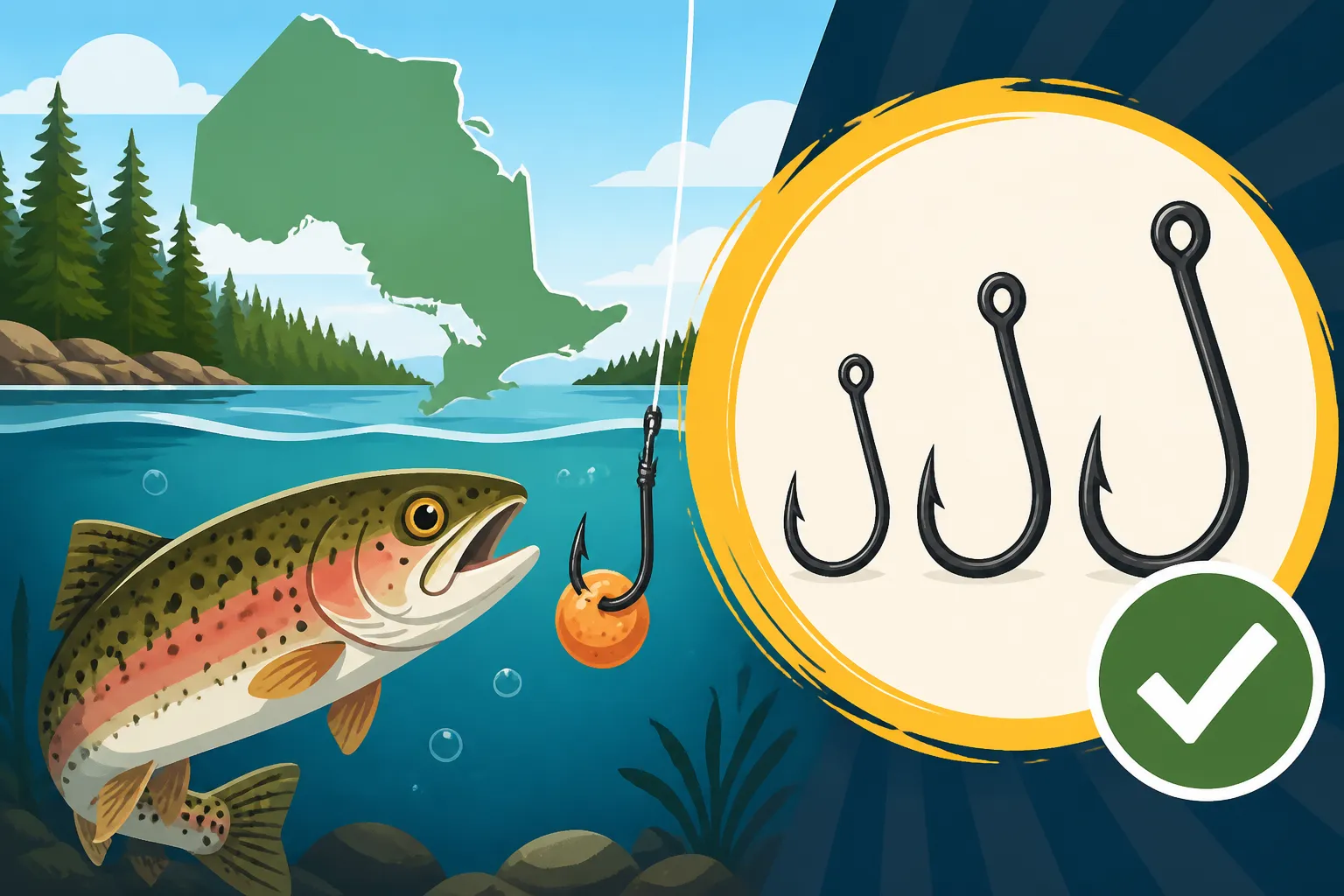
There’s nothing quite as frustrating as watching a stocked trout lazily mouth your bait, only to pull away before you can even register a bite. Or worse, feeling that tell-tale tug, setting the hook, and coming up empty-handed. Many anglers, myself included, have spent countless hours scratching their heads, wondering why these seemingly eager fish are so hard to pin. Often, the culprit isn't your bait, your technique, or even the fish themselves, but rather the size and type of hook you're using. This comprehensive guide is all about demystifying the best hook sizes for bait fishing for stocked trout in Ontario, ensuring your next outing is filled with successful hook-ups and tight lines.
Understanding Stocked Trout Behavior and Feeding Habits
Before we even talk about specific hook sizes, it’s vital to understand the unique characteristics of stocked trout. These fish, often rainbow trout, brook trout, or splake, come from a hatchery environment. Their world changes drastically when they're released into a new lake or river, and their feeding habits adapt accordingly. Getting a handle on this transformation will help you choose the right gear.
Why Stocked Trout Can Be Finicky Eaters
Think about it: in a hatchery, trout are fed pellets, often dropped from above. They're accustomed to competition and a consistent, predictable food source. When they hit natural waters, they suddenly have to forage for themselves. This transition can make them surprisingly finicky, especially in the days and weeks following their release. They might eye your PowerBait or worm with suspicion, used to something entirely different. They’re also suddenly exposed to predators and a much larger, more diverse environment, making them cautious. This heightened wariness often translates into very subtle bites—a gentle suck, a light bump, rather than an aggressive strike. If your hook is too big or too obvious, they might feel it, drop the bait, and swim away before you even know they were there. It's a common frustration, feeling like you're missing bites, but often it's just the fish being overly sensitive to unnatural elements.
The change in diet also plays a huge role. While they might still gobble down brightly coloured dough bait, they also quickly learn to key in on natural forage like aquatic insects, minnows, and worms. Their palates become more refined, and anything that doesn't look, feel, or smell quite right will be rejected. This is where the "less is more" philosophy really shines. A heavy, clunky hook can disrupt the natural movement of a worm or make a piece of corn look completely unappetizing. Our job as anglers is to present our bait in a way that minimizes any red flags for these transitioning trout.
The Importance of Natural Presentation with Bait
When you're bait fishing for stocked trout, your primary goal should be to make your offering look as natural and inviting as possible. This means concealing the hook, allowing the bait to move freely, and ensuring it doesn't sink unnaturally fast or float awkwardly. A hook, by its very nature, is a foreign object, and any way you can minimize its presence will drastically improve your success.
Imagine a plump nightcrawler wriggling enticingly on the bottom, or a piece of scented PowerBait slowly dissolving. If a large, shiny hook is poking out, or if the worm is impaled in such a way that it can't move naturally, a wary trout is likely to turn its nose up. Stocked trout, especially after the initial "feeding frenzy" when they're first released, become very adept at inspecting their food. They'll mouth the bait, test its texture, and if they detect anything metallic or unnatural, they'll spit it out in a flash. Achieving that natural presentation often boils down to choosing a hook that is small enough to be hidden by your bait, light enough not to impede its movement, and sharp enough to penetrate quickly with minimal resistance.
Optimal Hook Sizes for Common Stocked Trout Baits
Choosing the right hook size is less about a universal answer and more about matching it perfectly to the specific bait you're using. Stocked trout have relatively small mouths compared to many other game fish, so a giant hook isn't just unnecessary; it's detrimental. We want something that fits comfortably in their mouth along with the bait.
Small Baits: PowerBait, Corn, Salmon Eggs
For those tiny, delectable morsels like PowerBait nuggets, a single kernel of corn, or a salmon egg, you absolutely need to go small. We're talking about hooks in the range of size 10 to size 14, and sometimes even smaller for very delicate presentations. These are the kinds of hooks you might find bundled with ultralight spinning gear or in the fly-fishing section of your local Bass Pro Shops or on Amazon.
- PowerBait Dough/Nuggets: When using moldable PowerBait dough, many anglers swear by a small treble hook, usually a size 12 or 14. The multiple points help "hold" the dough and increase the chances of a hook-up when a trout inhales it. However, if you're practicing catch and release, a small single hook (size 10-12) is far better. You can mold the PowerBait around the shank and point, leaving just the bend exposed, making it less harmful to the fish. Make sure the hook is completely covered by the dough, or at least mostly so, leaving no shiny metal exposed.
- Corn and Salmon Eggs: For a single kernel of corn or a salmon egg, a tiny single hook, often a size 12 or 14, is ideal. An Aberdeen or a fine-wire Octopus hook works wonderfully. The goal is to lightly thread the bait onto the hook, just enough to secure it, leaving most of the hook exposed but hidden within the small bait. The fine wire of these hooks helps prevent your bait from splitting and allows for a very delicate presentation that mimics a naturally drifting food item. The lighter wire also penetrates easily, which is key for trout with their delicate mouths.
Medium Baits: Small Worms, Leeches
When you step up to slightly larger baits, like a piece of a nightcrawler (a quarter or half), a garden worm, or a small leech, you can slightly increase your hook size, but don't go overboard. Hooks in the size 8 to 12 range are generally perfect for these offerings. The key is to ensure the hook's gap is wide enough to accommodate the bait without bunching it up, but not so large that it dwarfs the bait.
- Small Worms (e.g., Garden Worms, Piece of Nightcrawler): For these, an Aberdeen or Octopus hook in size 8 or 10 is often a fantastic choice. You want to thread the worm onto the hook, leaving a good portion of it free to wiggle enticingly. The worm's natural movement is a huge attractor for trout. The hook should be large enough to hold the worm securely, but small enough that the worm can effectively hide most of the shank. If you're using a full, smaller garden worm, threading it once or twice through the body and leaving the ends free provides excellent action.
- Leeches: If you're using small leeches, which can be incredibly effective for larger stocked trout, a size 8 or 10 Octopus hook is a good bet. Hook the leech lightly through its sucker end, allowing it to move and undulate naturally. Leeches are tough, so you don't have to worry as much about tearing, but you still want a hook that doesn't completely overwhelm the bait. The goal is to present a juicy, living meal that a trout can't resist, with the hook being an invisible passenger.
Larger Baits: Full Worms, Minnows
While stocked trout typically don't go for huge meals right after stocking, sometimes a larger offering can entice a bigger fish, especially if they've had some time in the lake or river. For full nightcrawlers or small minnows (always check local regulations, as minnow use varies and may be prohibited for trout in some areas), you might use hooks in the size 6 to 10 range. This is where your choice becomes even more critical to maintain a natural look.
- Full Nightcrawlers: A full nightcrawler can be a substantial meal. For this, an Octopus or Baitholder hook in a size 6 or 8 is often appropriate. You can thread the worm multiple times, leaving a lively tail to wiggle, or you can "wacky rig" it by hooking it once through the middle, allowing both ends to pulsate. The key is to ensure the hook point and barb are well-exposed for a solid hookset, even with the bulk of the worm. A common tactic for bigger trout is to use a snelled hook, which allows the worm to have maximum natural action.
- Minnows (where permitted): If targeting larger trout, like older stocked brook trout in specific zones, and minnows are legal bait (check the Ontario Fishing Regulations Explained for your specific zone), a size 6 or 8 Octopus or Finesse Wide Gap hook can work well. Hook the minnow lightly through the lips or just behind the dorsal fin, allowing it to swim naturally. The hook must be proportionate to the minnow size; you don't want a tiny minnow struggling with a huge hook, nor a large minnow barely clinging to a small hook. The goal is to imitate a distressed baitfish, which is a prime target for opportunistic trout. Remember to always use legal and appropriately sized bait for your target species and area.
| Bait Type | Recommended Hook Sizes (Single Hook) | Recommended Hook Sizes (Treble Hook) | Notes |
|---|---|---|---|
| PowerBait Dough/Nuggets | #10 – #14 (Octopus, Baitholder) | #12 – #14 (Short Shank) | Single hooks preferred for catch & release; mold bait completely around hook. |
| Single Kernel of Corn | #12 – #14 (Aberdeen, Octopus) | N/A | Lightly thread on, keep hook hidden within kernel. |
| Salmon Eggs | #12 – #14 (Aberdeen, Octopus) | N/A | Delicate presentation, fine wire hooks help. |
| Small Garden Worms | #8 – #12 (Aberdeen, Octopus) | N/A | Thread on, allow ends to wiggle. |
| Piece of Nightcrawler | #8 – #10 (Aberdeen, Octopus) | N/A | Expose hook point well. |
| Small Leeches | #8 – #10 (Octopus) | N/A | Hook lightly through sucker, allow natural movement. |
| Full Nightcrawlers | #6 – #8 (Octopus, Baitholder) | N/A | Consider snelled hooks for maximum action; ensure point is clear. |
| Small Minnows (if legal) | #6 – #8 (Octopus, Finesse Wide Gap) | N/A | Hook through lips or dorsal; ensure hook matches minnow size for natural swim. |
Choosing the Right Hook Type for Stocked Trout
Beyond just size, the actual style of hook plays a massive role in your success, especially when considering factors like bait presentation, hook-up ratio, and fish survival. Different hook types excel in different situations when you're targeting stocked trout.
Single Hooks: Versatility and Catch-and-Release Benefits
Single hooks are, hands down, the most versatile and generally recommended option for bait fishing for stocked trout, especially if you're planning on releasing your fish. Their primary advantage is the reduced harm to the fish. A single point is far less likely to cause significant injury compared to a treble hook, making removal much easier and increasing the fish's chances of survival. For anyone passionate about conservation and responsible angling, single hooks are a no-brainer.
There are a few popular types of single hooks that work exceptionally well:
- Aberdeen Hooks: These feature a longer shank and a round bend, making them excellent for threading worms or larger baits. Their thin wire construction is also beneficial, as it doesn't weigh down delicate baits too much. You'll find these easily at any well-stocked tackle shop like Bass Pro Shops.
- Octopus Hooks: With a short shank and a wider gap, octopus hooks are fantastic for natural bait presentations. The slightly offset point often leads to better hook-ups. They are particularly good for smaller baits where you want the hook to be almost entirely concealed, such as with PowerBait, corn, or salmon eggs. The bend allows for a good bait hold without hindering the bait's natural appeal.
- Baitholder Hooks: These are similar to Aberdeen hooks but feature small barbs on the shank to help keep your bait, especially worms, from sliding down. This can be a real blessing when you're casting repeatedly or dealing with aggressive bites that might dislodge your offering.
Regardless of the type, using a snell knot or a Palomar knot can enhance your presentation. A snelled hook, for instance, allows a worm to move more freely, looking incredibly natural as it drifts through the water. Learning a few basic knots can really elevate your bait fishing game. For more on essential gear, check out Best Tackle Box Setup for Ontario Anglers.
Treble Hooks: When and Why (Primarily for Molded Baits)
Treble hooks, with their three points, generally aren't the first choice for stocked trout bait fishing due to their increased potential for harm, especially if you plan on releasing fish. However, there's one primary scenario where they shine: when using moldable dough baits like PowerBait, particularly the floating varieties.
The multiple points of a small treble hook (typically size 12 or 14, short shank) help to hold the soft, doughy bait securely. When a trout mouths or inhales the bait, the chances of one of those three points finding purchase are significantly higher than with a single hook, leading to a better hook-up ratio. The bait effectively "hides" the entire hook, presenting just a tempting blob of scent and flavour.
However, the downsides are significant. Treble hooks often lead to deeper hook-sets, making removal difficult, and they can cause more damage to the fish's mouth, gills, or eyes. If you do choose to use a treble hook with PowerBait, consider crimping down two of the three barbs, or even all three, to make release easier. Many experienced anglers simply opt for a single, small Octopus hook, molding the PowerBait around it, and accept a slightly lower hook-up rate for the sake of the fish's well-being. Always be mindful of the impact of your gear on the fishery.
Circle Hooks: An Angler's Best Friend for Lip Hooks
Circle hooks have become incredibly popular, and for good reason, especially for catch-and-release fishing across many species, including trout. Their unique design is truly an angler's best friend when it comes to consistently hooking fish in the lip or corner of the mouth, dramatically increasing survival rates.
Here's how they work: the point of a circle hook is designed to point inward, towards the shank, rather than straight up. When a fish takes the bait and swims away, the hook slides to the corner of the mouth. As tension is applied (either by the fish swimming or by you reeling), the hook pivots and rolls into the corner of the jaw, setting itself without the need for a forceful "jerk" or hookset. This self-setting mechanism almost completely eliminates gut-hooking, which is a major cause of mortality in released fish.
For bait fishing stocked trout, a small circle hook (size 8 to 12) can be incredibly effective. The key technique is different: do not set the hook like you would with a traditional J-hook. Instead, when you feel a bite, simply let the fish take the bait, then slowly and steadily begin to reel in. The hook will do the work for you. This often takes some getting used to, as the instinct to "set the hook" is strong, but once you master it, your catch-and-release success will soar. Circle hooks are a fantastic option for preserving our fisheries and ensuring trout can swim away healthy. You can find a good selection of these on reputable fishing sites like Amazon, often labelled as "trout circle hooks."
Tips for Maximizing Your Stocked Trout Hook-Up Rate
Beyond just hook size and type, several other factors contribute to how many stocked trout you'll actually land. It's all about creating a harmonious setup where every component works together to trick those wary fish and secure a solid hook-up.
Matching Hook to Line and Rod
Think of your entire fishing setup as a system. If one part is out of sync, the whole thing suffers. For stocked trout bait fishing, a finesse approach is almost always best. This means pairing your small hooks with appropriate line and rod.
- Light Line: You'll want to use very light monofilament or fluorocarbon line, typically in the 2-6 pound test range. Anything heavier, and you risk the line being too visible to clear-water trout, or too stiff, hindering the natural movement of your bait. Light line also allows your small hooks and bait to sink more naturally. For tips on line choice, see Best Fluorocarbon Line for Clear Lake Water.
- Light or Ultralight Rod: A light or ultralight action spinning rod, usually between 5.5 and 7 feet, is ideal. These rods have very flexible tips, which allow you to detect the most subtle bites from finicky trout. The softer action also prevents you from ripping the small hook out of the trout's delicate mouth during a too-aggressive hookset, especially with lighter line. A flexible rod acts as a shock absorber, protecting your light line from sudden lunges. The whole setup should feel balanced and delicate, allowing you to feel every bump and nibble. For some general spinning rod recommendations, you could check out Best Spinning Rods for Walleye and apply the principles of finesse to trout.
Sharpening and Checking Your Hooks
This is one of those crucial details that far too many anglers overlook. A dull hook is a lost fish waiting to happen. Stocked trout often have softer mouths than wild trout or other game fish, but you still need a razor-sharp point for optimal penetration.
Before every outing, and even periodically throughout the day, take a moment to check your hook points. You can do this by lightly dragging the hook point across your thumbnail. If it slides, it's dull. If it digs in and leaves a mark, it's sharp. If it's dull, a quick touch-up with a small hook file or a diamond sharpening stone will make a world of difference. These tools are inexpensive and can be found at any outdoor retailer. A sharp hook requires less force to penetrate, meaning quicker, more confident hook-sets and fewer missed fish. It’s a small investment in time and money that pays off immensely on the water.
The Finesse Approach: Less is More
When it comes to stocked trout, embracing a finesse approach will often lead to significantly more success. These fish are often pressured, can be wary, and respond well to subtle, natural presentations. The "less is more" philosophy should guide almost every aspect of your setup and technique.
- Minimize Hardware: Use the smallest swivels and snaps possible, or better yet, tie directly to your leader. Even a small, shiny swivel can spook a trout in clear water. Use split shot sinkers that are just heavy enough to get your bait down to the desired depth, rather than a heavy bell sinker that plunks down with a splash. If you're fishing still waters, a single small split shot a foot or two above your hook is often all you need. For stream fishing, think about how the current naturally moves food, and try to mimic that with minimal weight.
- Subtle Movements: Once your bait is in the water, resist the urge to constantly twitch or retrieve it aggressively. Let the bait do its work. If using worms, their natural wiggles are often enough. For PowerBait, let the scent trail do the attracting. Sometimes, the slightest lift and fall, or a slow drift with the current, is all it takes to trigger a strike. Observing the water for signs of fish activity or current breaks can also help you place your bait where trout are most likely to feed. For insights into different trout species, check out Trout Species Identification Guide for Ontario.
- Environmental Awareness: Clear water, common in many stocked ponds and streams, means trout can see everything. Wear subdued clothing, avoid stomping heavily on the bank, and keep your shadow off the water. The less you disturb the environment, the more comfortable the trout will be, and the more likely they are to inspect and take your carefully presented bait. Even the way you carry your gear, perhaps using a compact tackle bag, can contribute to a stealthy approach.
By understanding the nuances of hook size and type, and integrating a finesse approach into your overall strategy, you’ll be well on your way to becoming a stocked trout master in Ontario.
Disclaimer
This article is for general informational purposes only and does not constitute professional advice. Laws, prices and regulations vary by location and change over time. Consult a qualified professional for guidance on your specific situation.