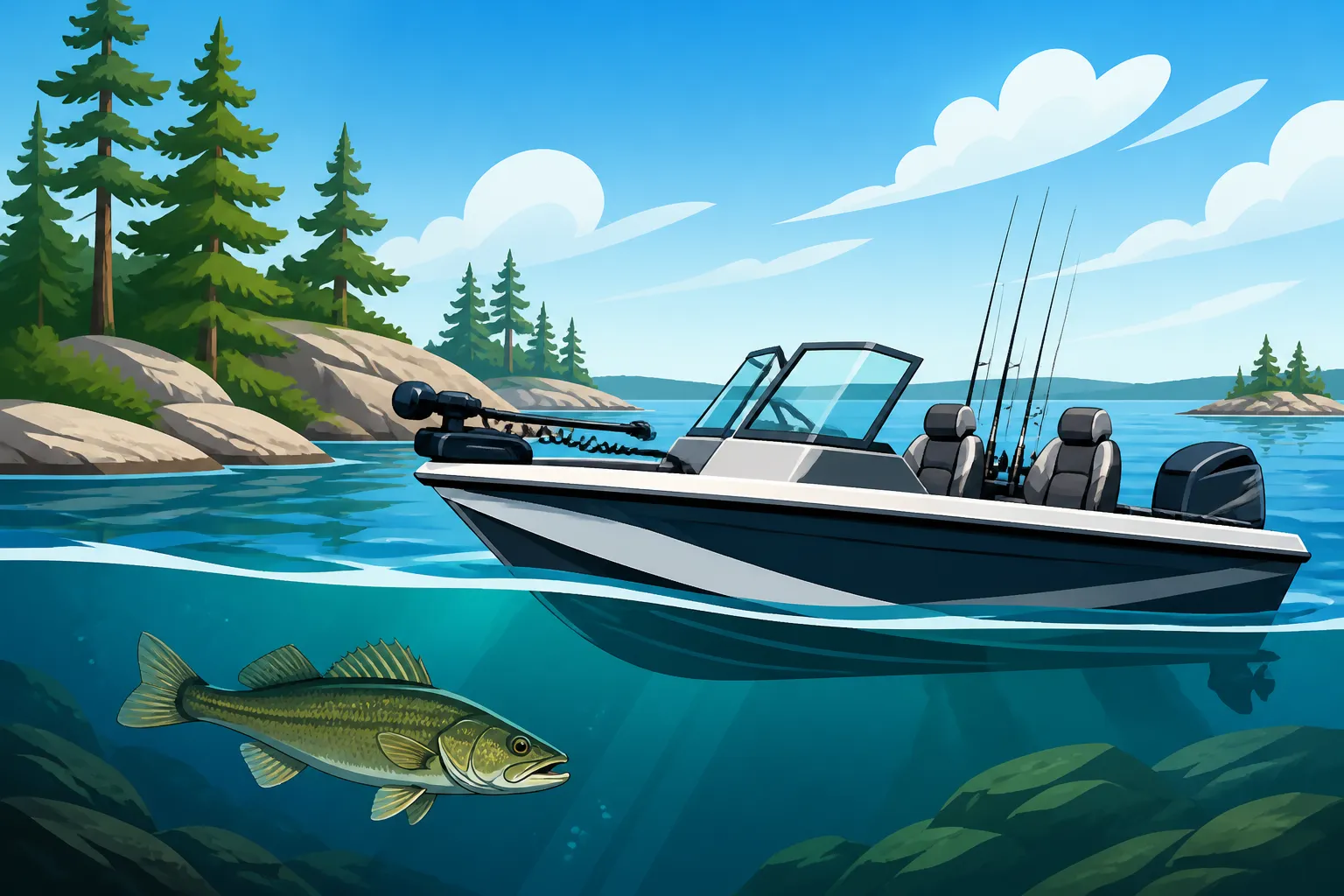
Best boat for fishing Georgian Bay
Georgian Bay. Just the name conjures images of stunning granite, crystal-clear water, and fishing adventures that feel truly wild. But anyone who's spent time on this incredible body of water knows it can also be incredibly challenging. One minute, the water's like glass; the next, you're battling whitecaps and a stiff wind. Choosing the right boat for fishing Georgian Bay isn't just about catching more fish; it's about safety, comfort, and peace of mind. This guide will help you navigate the tricky waters of boat selection, so you can find a vessel that's perfectly suited to tackle the Bay's unique demands and get you to those hidden honey holes safely.
Understanding Georgian Bay's Unique Demands on a Fishing Boat
Before we even start talking about specific boat types, it’s crucial to understand what makes Georgian Bay such a formidable and demanding environment for any watercraft. It’s not your average inland lake, and pretending it is can lead to serious trouble. The Bay is a beast, a beautiful, fish-filled beast that commands respect.
The "Big Water" Factor and Open Crossings
Georgian Bay is often referred to as the "sixth Great Lake" for a very good reason – it truly is massive. Stretching hundreds of kilometres, it has all the characteristics of a freshwater sea. This means long, open stretches of water where waves can build up quickly and ferociously. A beautiful, calm morning can turn into a washing machine in a matter of hours, especially if a strong wind picks up across the long fetch of the Bay.
Imagine you're fishing a productive reef 10 miles offshore, the sun is shining, and the fish are biting. You feel comfortable in your boat. Then, a dark line appears on the horizon, the wind shifts, and suddenly, those gentle swells become legitimate waves, sometimes reaching several feet in height. You need a boat that can confidently get you back to shore through those conditions, not just limp home. This "big water" factor means your boat needs to be designed for stability, wave-cutting ability, and overall structural integrity that can withstand continuous pounding. Trust me, the sheer scale of the Bay and its unpredictable moods mean that underpowered or undersized boats are a recipe for white-knuckle rides and potential danger.
Navigating the Thirty Thousand Islands and Shoals
While the open water demands a robust vessel, the incredible labyrinth of the "Thirty Thousand Islands" region presents a different set of challenges. This area, particularly the eastern and northern shores, is a mosaic of granite islands, hidden shoals, submerged rocks, and narrow channels. It's stunningly beautiful, incredibly productive for fishing, and notoriously unforgiving if you're not paying attention.
Your boat needs a hull that can withstand accidental bumps and scrapes, because let's be realistic, even the most seasoned Georgian Bay angler has had a close call with a barely submerged rock. Aluminum boats, for example, offer a level of durability that fiberglass might struggle with in these types of impacts. Beyond the hull, maneuverability is key. You'll be navigating tight passages, pulling up to shorelines, and slowly working through intricate structures. A boat that can turn on a dime and has a relatively shallow draft in certain areas can be a huge advantage. Precision and control, combined with a tough exterior, are paramount here.
Key Boat Features to Prioritize for Georgian Bay
Now that we've set the stage with Georgian Bay's demanding personality, let's dive into the specific features you should be scrutinizing when looking for your ideal fishing machine. These aren't just "nice-to-haves"; they are fundamental requirements for a safe and effective fishing experience on this magnificent water.
Hull Design and Construction for Rough Water
When it comes to handling the Bay's notoriously choppy conditions, the hull is your boat's most critical component. A deep-V hull is generally preferred. This design slices through waves rather than pounding over them, providing a much smoother, drier, and more comfortable ride when the wind picks up. Look for a hull with a deadrise angle of 18 degrees or more at the transom; the higher the number, generally the better it will handle rough water.
The material of the hull also plays a significant role. Heavy-gauge aluminum boats, like those from companies known for their robust builds, offer incredible durability against the inevitable rock strikes you might encounter in the island channels. They are generally lighter than fiberglass, making them easier to launch and trailer, and often more fuel-efficient. However, fiberglass boats, with their heavier construction and often more complex hull designs, can offer an even smoother ride in extreme chop and a quieter experience. They tend to be more susceptible to damage from impacts with granite, though repairs are often more straightforward than with aluminum. Ultimately, the best choice depends on your priorities: brute strength and lighter weight (aluminum) or ultimate ride comfort and quietness (fiberglass). You can find more detailed comparisons in guides like Best Fishing Boats for Georgian Bay.
Power and Fuel Capacity for Long Runs
Georgian Bay is vast, and your favourite fishing spots might be a significant run from the nearest launch or marina. An underpowered boat will struggle against strong headwind and waves, making long journeys arduous and potentially unsafe. You need an engine that can get you up on plane quickly, maintain a comfortable cruising speed, and have enough reserve power to get you out of trouble if conditions deteriorate. Don't skimp on horsepower. While specific numbers depend on the boat's size and weight, aim for an engine at the higher end of the manufacturer's recommended range.
Equally important is fuel capacity. Running out of gas miles from shore on Georgian Bay is a serious, even life-threatening, situation. Look for boats with generous fuel tanks. Calculate your typical range, then add a significant buffer for unexpected detours, rough water that burns more fuel, or simply having to wait out a storm before returning. Many experienced Georgian Bay anglers carry extra fuel in approved containers for peace of mind, especially on longer trips into remote areas. Always factor in consumption rates and err on the side of having too much fuel rather than too little.
Deck Layout and Fishing Features
Beyond getting you there and back safely, your Georgian Bay fishing boat needs to be functional for, well, fishing! Consider the deck layout carefully. Do you prefer a tiller steer for maximum open deck space and close-quarters control, or a console boat for better protection from the elements and more sophisticated electronics mounting options? A boat with ample, well-designed rod storage will protect your valuable gear from damage during rough runs.
Livewells are crucial if you plan on keeping fish or participating in tournaments, and they should be aerated and large enough to keep your catch healthy. Comfortable seating, especially for passenger seats, is a huge bonus on long runs through chop. Look for sturdy pedestal seats that absorb shock, particularly in the bow. Built-in coolers, tackle storage, and easy-to-clean flooring are also features that enhance the overall fishing experience. Think about how you fish – casting, trolling, jigging – and ensure the boat's layout supports your preferred techniques.
Top Boat Types Suited for Georgian Bay Fishing
While many boats can technically float on Georgian Bay, certain types are inherently better equipped for its unique challenges. Let's look at the most popular and effective choices that anglers rely on.
Deep-V Aluminum Fishing Boats
These are arguably the most common and beloved workhorses of Georgian Bay. Brands like Lund, Crestliner, and Alumacraft have built their reputations on creating rugged, capable aluminum boats that can take a beating.
Pros:
- Durability: Aluminum is incredibly tough. Bumping a hidden rock or dragging it onto a granite shore is far less likely to cause catastrophic damage than with fiberglass. While dings and scrapes will happen, major structural failures are rare.
- Lighter Weight: Generally lighter than equivalent fiberglass boats, making them easier to trailer, launch, and more fuel-efficient to run. This is a big plus for those who frequently move their boat between different launch sites or don't have a massive tow vehicle.
- Versatility: Many deep-V aluminum boats are designed as "multi-species" boats, meaning they can effectively target walleye, pike, muskie, and bass, often with ample space for casting or trolling.
- Cost-Effective: Often more budget-friendly than comparable fiberglass models, both in initial purchase and long-term maintenance.
Cons:
- Ride Quality: While modern deep-V aluminum boats offer impressive rides, they can still be a bit harsher and wetter than a similarly sized fiberglass boat in truly nasty chop. They tend to "pound" more.
- Noise: Aluminum hulls can be noisier on the water, especially when running through waves, due to the way sound resonates through the metal.
- Amenities: Some models might have fewer integrated storage compartments or high-end finishes compared to luxury fiberglass boats, though this gap has narrowed significantly in recent years.
These boats are a fantastic choice for the angler who values ruggedness, practicality, and the ability to confidently explore the entire spectrum of Georgian Bay's waters, from the open expanses to the rocky island channels.
Fiberglass Walleye/Multi-Species Boats
For those seeking a smoother ride, enhanced comfort, and often a more refined fishing platform, fiberglass multi-species boats are an excellent contender. Manufacturers like Ranger, Skeeter, and Warrior are highly regarded in this category.
Pros:
- Superior Ride Comfort: The weight and inherent flex of fiberglass, combined with advanced hull designs, typically result in a much smoother, drier, and quieter ride in rough water. This is a significant advantage on long runs across the Bay.
- Customization and Features: Fiberglass boats often come with more integrated features, fancier finishes, more complex storage solutions, and a wider range of factory options, including high-end electronics integration.
- Stability: Their heavier construction often translates to excellent stability, both at rest and while running.
Cons:
- Susceptibility to Damage: While strong, fiberglass can chip, crack, or suffer significant damage from impacts with rocks, which are abundant in Georgian Bay. Repairs can be more complex and costly than aluminum.
- Weight and Cost: Fiberglass boats are generally heavier and more expensive than comparable aluminum models, both to purchase and to fuel. This impacts towing requirements and overall operating expenses.
- Draft: Some larger fiberglass models might have a slightly deeper draft, which could be a consideration in very shallow areas, though most are designed with fishing versatility in mind.
If your budget allows and a smooth, comfortable ride is your absolute top priority for those long Georgian Bay runs, a fiberglass walleye or multi-species boat could be your dream machine.
Offshore/Great Lakes Style Centre Consoles
While perhaps less traditional for pure "freshwater fishing" in the same vein as walleye boats, offshore or Great Lakes-style centre consoles, particularly those in the 20-foot plus range, are incredibly capable on Georgian Bay.
Pros:
- Ultimate Rough Water Capability: These boats are built to handle the truly big, nasty stuff found on the Great Lakes. Their deep-V hulls, high freeboard, and robust construction are designed for open-water confidence.
- Open Deck Space: The centre console design provides 360-degree fishability, with ample deck space for multiple anglers to cast or fight fish without interference. This is fantastic for Muskellunge Fishing in Ontario or targeting large salmonoids if you venture into Lake Huron proper.
- Storage and Amenities: Many offer impressive storage, often including insulated fish boxes that double as coolers, and can be outfitted with advanced electronics and conveniences.
Cons:
- Cost and Fuel Consumption: They are typically the most expensive option and can be quite thirsty on fuel, especially larger models with bigger engines.
- Draft: Some models can have a deeper draft than typical multi-species boats, which might limit access to very shallow coves or narrow passages in the islands.
- Limited "Comfort" Features: While safe and capable, they prioritize utility over enclosed comfort, meaning less protection from the elements on cold or rainy days compared to a windshielded console boat.
For the serious big-water angler who prioritizes safety and capability above all else for vast open crossings and chasing trophy fish on the biggest waters, a centre console is a compelling choice.
Important Considerations Beyond the Boat Itself
Bringing a boat to Georgian Bay is more than just picking a hull and an engine. There's a whole ecosystem of gear, knowledge, and preparation that's absolutely essential for a successful and safe experience.
Electronics and Navigation Essentials
Georgian Bay's complex geography demands robust electronics. A reliable GPS unit with detailed charting is not just a convenience; it's a necessity. With thousands of islands and countless submerged shoals, knowing your exact position and having accurate navigation is paramount. Spend time learning how to use your unit before you hit the water. Modern fish finders with Side Imaging or Down Imaging technology are invaluable for not only locating fish but also for identifying submerged structure and avoiding hazards, especially when navigating unfamiliar waters. Best Fish Finders for Ontario Lakes can guide you through options.
A marine VHF radio is also non-negotiable. Cell service can be spotty or non-existent in many parts of the Bay, and a VHF allows you to communicate with other boaters, marinas, and the Coast Guard in an emergency. Always monitor Channel 16. Consider a quality electric trolling motor, especially if you plan on holding position over structure or stealthily approaching shorelines in the calmer channels. You can find a wide array of marine electronics from reputable outdoor retailers like Bass Pro Shops, or even specialized online stores.
Safety Gear and Preparation
Georgian Bay can turn dangerous quickly, so personal safety and emergency preparedness are critical. Ensure you have all the required safety equipment on board, including enough life jackets for everyone (and ensure they are worn, especially by children!), a throw rope, paddles, a bailing device, a sound-signalling device, and a fully charged fire extinguisher. A first aid kit, extra food and water, a spare prop, tools, and emergency flares are also crucial. You can learn more about specific requirements in resources like Life Jacket Requirements for Ontario Boaters and Ontario Boating Laws for Anglers.
Tell someone where you're going and when you expect to return (a float plan). Check the marine weather forecast religiously before you leave and pay attention to changing conditions on the water. Dress in layers, as temperatures can fluctuate wildly, and always have good rain gear, because a sunny morning can quickly turn into a soaking afternoon. Best Rain Gear for Ontario Anglers offers some great advice on staying dry and comfortable. Being prepared isn't about being paranoid; it's about being responsible and ensuring you and your crew can enjoy the Bay safely.
Maintenance and Storage for Harsh Conditions
Owning a boat that can handle Georgian Bay means committing to diligent maintenance and appropriate storage. The fresh water of the Bay is less corrosive than salt, but the constant exposure to UV, wind, and occasional rough rides takes its toll. Regular engine maintenance, including oil changes, fuel filter replacements, and checking prop condition, is vital for reliability. Marine mechanics in areas like Parry Sound or Midland are well-versed in the demands of the Bay.
Proper winterization is a must in Ontario's climate to prevent damage from freezing temperatures. This includes stabilizing fuel, draining water systems, and protecting the engine. When not in use, store your boat under a quality cover to protect it from the elements. If you're trailering, invest in a robust trailer with good tires and brakes, as you'll be hauling a substantial vessel over varying road conditions. The stress of Georgian Bay fishing means your equipment needs to be in top shape to avoid breakdowns and ensure longevity.
| Boat Type | Rough Water Handling | Island Navigation | Durability | Comfort | Cost (Boat Only) | Key Advantage |
|---|---|---|---|---|---|---|
| Deep-V Aluminum | Good | Excellent | Excellent | Good | Moderate | Rugged, versatile, handles impacts well |
| Fiberglass Multi-Species | Excellent | Good | Good | Excellent | High | Smooth, quiet ride, refined features |
| Offshore Centre Console (20'+) | Superior | Good | Very Good | Moderate | Very High | Ultimate big water safety and capability |
When you're ready to make your selection, remember that the "best boat" isn't just one type; it's the one that best matches your personal fishing style, your budget, and most importantly, provides the confidence and safety you need to fully enjoy the incomparable fishing experience that Georgian Bay offers. Whether you're chasing Ontario Muskellunge Season Dates and Limits or just enjoying the scenery, the right boat makes all the difference.
Disclaimer
This article is for general informational purposes only and does not constitute professional advice. Laws, prices and regulations vary by location and change over time. Consult a qualified professional for guidance on your specific situation.